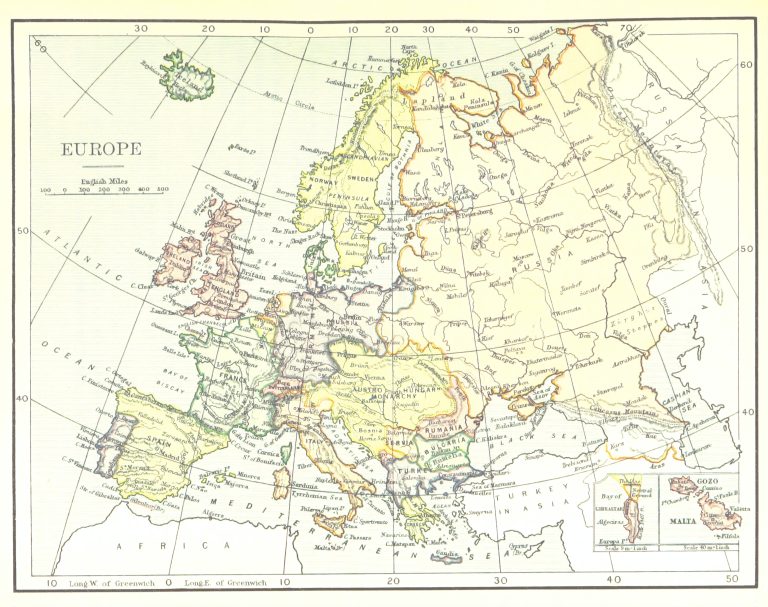
Looking for an island adventure in Europe? Between Lisbon and New York, the Azores are an archipelago of nine volcanic islands in the middle of the Atlantic Ocean. The islands are located around 850 miles west of mainland Portugal, but as the Portuguese island of Madeira, the Azores are an autonomous region of Portugal.
This archipelago might be a part of Portugal, but its rich biodiversity and unique scenery will make you feel like you are far from Europe. This is a place where time slows down and the true Azorean way is to enjoy every moment of the day, without any rush. The Azores are home to breathtaking mountain views, tropical greenery, colorful hydrangeas, and incredible waterfalls.
These islands are the product of the forces that forever shape our planet. Formed around 36 million years ago, the Azores are the result of volcanic and seismic activity associated with the European, American, and African tectonic plates. The landscape is reflective of these events, from volcanos to caverns and large blue lakes.
From whale watching and diving to breathtaking hikes with secret waterfalls, these islands paint a picture suitable for a fairytale. The Azores are a perfect destination for those looking to connect with nature and flee the hustle and bustle of a large city.
The Azoreans are known for sustainability and are proud to protect the nature that is theirs. The Azores are the first archipelago in the world to achieve an international certification of a sustainable destination by the Global Council for Sustainable tourism. The Azores are committed to keeping its urbanization low to protect natural heritage sites, marine life, and their 13 caldera lakes. Azoreans appreciate that tourists are also mindful of the environment when they visit. And please do visit! The tourism industry is probably the largest in the Azores, along with fishing and agriculture.
The Azores is now a growing tourist destination, but also the birthplace of many Americans. About a million North Americans were born or descend from the Azores, four times the current population of the islands! Every year, thousands return to the Azores in May for the Holy Christ of Miracles festival. This religious event happens every fifth Sunday after Easter in the island of São Miguel where the streets get decorated with flowers.
What are the Best Islands to Visit in Azores?
While the whole archipelago is known for its natural beauty, each island in the Azores has its own unique characteristics and something that makes them special. The 9 islands were settled at different times over two centuries so their culture and traditions are all different. Throughout the years, the Azores have been settled by the Flemish, French, and Spaniards.
The nine islands cover up to 906 square miles of land. The largest island is São Miguel at 293 square miles. The eight other islands are Faial, Flores, Graciosa, Pico, São Jorge, Santa Maria, Terceira, and Corvo, the smallest one. Click on any island to read our detailed guide on each island of the Azores.
Although all islands are worth a visit, let’s take a look at our top 3 islands to visit in the Azores.
1. Flores
A UNESCO Biosphere Reserve, Flores is one of the most remote islands in the Azores. This island is quite small at around 142 kilometers squared and is home to only 4,000 inhabitants. This island is best explored by car so you can reach remote areas like hiking trails and natural pools. Flores translates to “flowers” and the island is filled with colorful hydrangeas everywhere you go.
The island has some impressive crater lakes like Lagoa Negra and Lagoa Comprida that you can hike around. Flores is also waterfall central! The most famous one is on the road to Faja Grande, where you can find Ribeira Grande with the largest waterfall on the island. You can also visit Poço do Bacalhau, where you can take a swim under an incredible waterfall.
Photo by Mr Xerty (Unsplash)
2. Pico
An island that feels like Hawaii, Pico is an iconic island to visit. In the middle of this island stands “Pico Mount”, the highest point in all of Portugal at around 8,000 feet above sea level. If you’re feeling brave, you can hike up to the highest point. The terrain is quite hard to hike through, particularly on the way down. The hike takes around 8 hours and is quite difficult. It is best to do the hike with a Certified Pico Mountain guide to avoid any injury or challenges. You can book a guided hike here where you will also learn about the geology, fauna, and flora of the mount.
If you’re not feeling active enough to do the hike, Pico island has a lot more to offer. The island is famous for its whale watching. You can find the whaler’s museum in Sao Roque, a marina area where you can learn about the history of whale hunting and conservation on the island. Whale hunting has been banned since 1986 and ever since the islands and biologists have been committed to their conservation. You can book a dolphin and whale guided tour with a biologist here. If you’re lucky, you might spot an incredible Blue whale that is 25 meters long. This is a once in a lifetime experience!
Photo by Daniele Franchi (Unsplash)
3. São Miguel
Nicknames “The Green Island”, São Miguel is the largest island in the Azores. This island is the best of both worlds: you get the iconic Azorean natural landscapes, as well as a city life that other islands don’t have. Over 140,000 people live on this island. Since it’s the largest, we recommend staying for at least 4 days.
Our favorite spot in São Miguel is Sete Cidades, on the West side of the island. If you’ve seen a postcard of Azores, you’ve probably seen the Lagoa das Sete Cidades, a big lake divided by a bridge into two parts: one green and one blue. Head to the Vista do Rei viewpoint where you can enjoy a beautiful view of the lagoon.
Another famous lagoon to visit is Lagoa do Fogo or Fire Lake. You can hike through a trail down to the lake beach for 30 minutes. But don’t swim in the lake! Also, make sure to visit Caldeira Velha, the natural park full of natural thermal pools and hot springs. At the end of the park, you can find the famous waterfall spring, a larger pool with warm water of around 25 degrees celsius.
What to do in the Azores?
The Azores are the perfect place to explore nature and are a suitable destination for all kinds of travelers, including families with children. From exploring the unique islands’ cultures and cuisines to hiking through trails with breathtaking views, the Azores are a special place with activities for all. Here are our top 3 things to do in the Azores.
1. Hiking
Every Azorean island is filled with hiking trails amidst lakes, cliffs, and gorgeous fairytale-like forests. There’s a hike for everyone. The shortest hike is in Graciosa at a little over 2 kilometers long, while the longest is in Santa Maria at 78 kilometers long for the bravest.
If you are a beginner and new to an island, make sure to hike on “official” trails that are taken care of by the Azores Tourism Broad. These are properly maintained and signed with hiking markers throughout so people do not get lost. You can look up the official hike trails here. You can find the routes on a map, the duration of the hike, as well as the elevation levels, and more.
There are over 80 hiking trails in Azores, spanning 800 km. The options are endless, so we’ll help you out. Here are our favorite hiking trails on each Azorean island:
If you are a whale lover, the Azores are the top place to visit. The Azores are home to 24 different species of whales and are considered one of the best places in the world for whale-watching. The reason the islands have so many whales is that the waters are incredibly deep, nearly 3 kilometers deep in some areas. While for hundreds of years until the 80s these whales were hunted by Azoreans, today they are an incredible tourist experience.
You’ll be out in Atlantic ocean waters enjoying the majestic presence of sperm whales and orcas, as well as dolphins. If you’re lucky, you’ll get to see a whale coming up to the water surface for air and expelling “the blow”. This is when they expel air through their blowhole and you witness an intense water spray reaching the air.
Whale-watching season in the Azores is from April to October, but you can usually see the sperm whales all year round. Sperm whales are the largest of the toothed whales and can reach 20 meters in length.
Don’t worry, you’re safe in your boat if you go with the right people. The best way to see some whales is to book a tour with a marine biologist, who will be mindful of the whales and tell you all about these creatures.
The volcanic nature of the Azores results in incredible natural pools, many with waterfalls. The solidification of the lava from the volcanic eruptions created new rocky formations such as these. The archipelago has hundreds of natural pools. You can find some warm natural pools like the 35ºC yellow pool in Terra Nostra, São Miguel. However, be aware that most other natural pools are quite cold, even in the summer. It’s still the perfect way to relax after a long day hiking though. You can also enjoy a nice picnic with wine next to one of these natural pools. Many natural pools come with a picnic area and come with free showers. They do not, however, have lifeguards working there.
Photo by Carloisporto (Pixabay)Photo by Alano Oliveira (Unsplash)
What is the weather like in the Azores?
Azorean weather is very unpredictable. Azoreans say that the islands get four seasons in one day. The islands might look like a tropical paradise, but not in terms of the weather. However, they are still beautiful all year round. In fact, the foggy atmosphere and rainy days add to the Azorean charm.
The best times to travel are definitely between May and September. Temperatures are more moderate at this time, rarely getting higher than 30ºC. During the winter, it usually doesn’t get colder than 7ºC. The Azores rarely get heat waves in summer or cold waves in winter.
The temperatures are usually not the issue, but it does rain quite a lot. This is why the Azores are so green! To avoid the rain, travel during the summer. From June to August, it only days for 5 to 7 days on average. From December to April the Azores get the most rain, around 15 days per month.
What to eat in the Azores?
You can’t travel to Azores without trying the local peasant-based style cuisine. We have yet to encounter a bad restaurant in Azores. The fertile soil of this green land leads to unique crops, vineyards, and high-quality dairy cattle and livestock. The Azores are known for a variety of dishes, which we will get to in a bit.
However, our favorite that you cannot miss out on is “Cozido das Furnas” which you can get in São Miguel. This is similar to the classic Portuguese cozido, a meat stew with cabbage, carrots, potatoes, blood sausage, pork and beef. But this is no regular stew – its cooked by a volcano. This dish is placed in a metal pot and buried in volcanic soil to be slow cooked by the natural heat of the caldeiras.
There are many other dishes to also try in the Azores. Don’t know what to order at an Azorean restaurant? Here are the best local Azorean dishes to try:
Octupus cooked in wine
Fried mackerel
Locally-grown Azorean pineapples
Pico cheese
Black sausage
Cherry-red pepper (“Pimenta da terra”)
Sweet azorean bread (“Bolo levedo”)
Limpets (“Lapas”)
Photo by Marta Ortigosa (Unsplash)
Final Thoughts
Pack your bags! And a waterproof jacket! A sustainable tourist destination, the Azores are a once in a lifetime experience. We recommend doing some island hopping to make the most out of your travel. From hiking with views of large blue lakes to witnessing the largest sea life creatures on earth, visiting the Azores is an unforgettable experience. It is truly a peaceful place, perfect for destressing and letting go of the anxieties of everyday life. Live like an Azorean local for a few days and enjoy every moment of your day without worry.
Like Fado and codfish, blue and white azulejo tiles are a Portuguese classic. These glazed blue ceramic tiles from the 14th century decorate the streets, buildings, and monuments of Portuguese cities. The azulejo is also commonly displayed in Portuguese homes, as well as train stations, restaurants, and fountains.
They are not just decorative, they usually tell a story and chronicle major cultural aspects of Portuguese history. Traditionally, the azulejo told stories of Portuguese navigators and their voyages around the world. Churches also used azulejo to tell stories about saints, as being able to buy a book was a privilege to many. Even though the iconic ajuzelo is Portuguese, the style has been heavily influenced by Islamic and Italian cultures.
More modern depicts images of animals such as tigers or the geometric expressions of Portuguese artist Maria Keil who passed in 2012. Maria Keil made the iconic ajulezo that cover the walls of Lisbon’s metro stations in the 1950s.
Azulejo tiles are an iconic part of Porto‘s culture and history. There are many places across the city where you can find these. One of the best is Porto’s cathedral from the 18th century. Although the cathedral is dark and gothic, inside the cloisters you can find beautiful blue and white azulejo. São Bento Railway Station is another classic place to find this ancient art. The station was built in 1903 and is covered with over 20,000 azulejo tiles, made by Jorge Colaço. His work covers an area of over 550 m2 and depicts important moments of Portuguese history including the Discoveries. The Church of Saint Ildefonso, built in 1739, is another must-see decorated in Jorge Colaço’s tiles. These tiles were only added to the church by the artist in 1932. There are over 11,000 white and blue tiles covering the church’s exterior. There are many other places where you can find azulejo tiles in Porto such as Casa da Musica and Ribeira Negra panel.
Photo by Kévin et Laurianne Langlais (Unsplash)Photo by Yana Marudova (Unsplash)
Azulejo tiles decorate the streets and corners of the Portuguese capital of Lisbon. Probably the most famous place to find these is in Fronteira Palace. Built in the 17th century, it belonged to a noble family and now has certain wings open to the public. This palace is filled with gorgeous azulejo tiles that wrap around the main garden and decorate walls. You must also visit the National Azulejo Museum, housed in a 16th-century convent. Here you can learn how azulejo is created and all about its history. Last but not least, wander the streets of Bairro Alto. Here you can see modern street art inspired by the azulejo style, as well as azulejo tiles of all colors.
Photo by Natalia Y (Unsplash)Photo by Maxine Ficheux (Unsplash)
The crown jewel of the Portuguese riviera, Sintra is less known for its ajulezo tiles, but the city also has the ancient art all over. Head to the National Palace of Sintra, a building with a mix of Gothic-Renaissance and Islamic influence. What many don’t know is that inside, there are many rooms filled with blue and white azulejo tiles. If you walk around the city you’ll find these on buildings, but mostly on the outside of large houses.
Photo by Julia Solonina (Unsplash)
Alentejo
The charming region of Alentejo has some of the most magnificent azulejo tiles. In November of 2021, the Alentejo created an itinerary of exhibitions to display the best azulejo tiles by Jorge Colaço in the region. The exhibitions will be open until April 22, 2022, to honor the artist who died in 1942 and will display the “Portugal” theme.
7 Things You Didn’t Know About Azulejo Tiles
There’s so much tourists don’t know about this ancient art. Here are a few fun facts you didn’t know about azulejo tiles.
1. Azulejo tiles are not only a tradition in Portugal today, but also in former Portuguese colonies in South America, Goa, Africa, and Macau.
2. Tiles were originally created to protect the walls of houses from low temperatures, not for aesthetic purposes.
3. The tiles are blue and white because European artists fell in love with Chinese porcelain. However, the ingredient to make this porcelain did not exist in Europe, making Chinese porcelain a rarity. In the 17th century, the Dutch began copying this style. The Portuguese loved this affordable option and ordered tiles from the Dutch to decorate buildings. The Portuguese, later on, began manufacturing their own in white and blue at a large scale.
4. The word azulejo comes from Arabic and means “polished stone”.
5. The Portuguese azulejo tiles are heavily influenced by Arab cultures such as the geometric style and flower motifs.
6. Azulejos have had a large influence on local street art. Many have created street art that is inspired by classic azulejo styles with a modern twist.
7. Since 2013, it’s been forbidden to demolish buildings with tile-covered façades in Lisbon to protect their cultural heritage.
Editor’s Note: Please be careful, safe and follow all regulations regarding the covid-19 pandemic issued by the government.
Winter is a great time to celebrate life and there is currently at least one city in Europe that is keen on dancing till the morning.
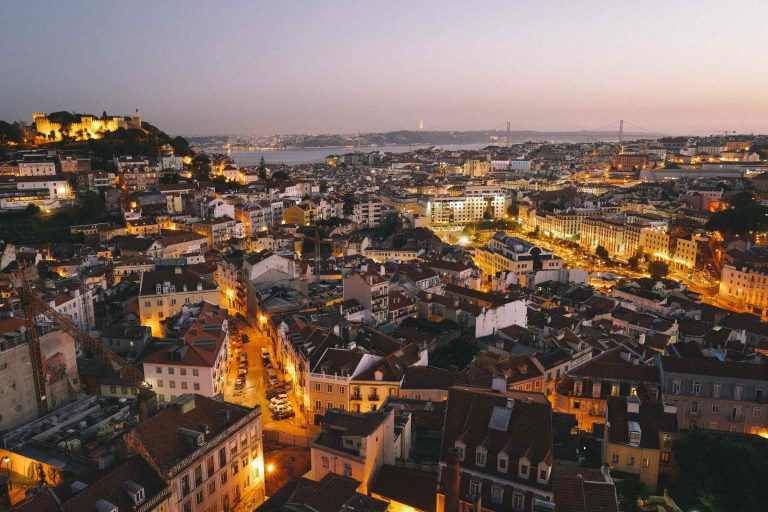
Lisbon, the capital of one of the world’s most vaccinated countries has become a European destination of choice for party-starved tourists by keeping parties and mass events like Christmas markets & Carnivals going.
Head to this jovial city to immerse into the magical atmosphere of Winter 2022 and check out our top twenty things to do in Lisbon this winter. Read on and pack up to enjoy the Portuguese capital’s festive vibe.
1. Go Partying in Lisbon
Lisbon is one of Europe’s topmost party capitals. It is known for its Bairro Alto, a charming area by day that turns into a partying monster throbbing with pleasure-seeking at night.
Even though tiny in size, the district numbers over 100-night establishments and has one of the world’s highest shares of nightspots per capita. It is by right considered one of the best places to party in the winter of 2022.
Keep in mind that even though the Portuguese capital has stayed out of lockdown the EU digital certificate will be required for you to attend a public event like a party, for example.
2. Head for Dinner and a Shopping Spree in Lisbon’s hip LX Factory
One of Lisbon’s secret places LX Factory is a cluster of shops, restaurants, cafes, and creative spaces. It is known for its tasty food, cute hipster ambiance, designer stores, and a Sunday market that draws in the most “plugged-in” Lisbonites.
The Lx Factory is situated at 103, Rodrigues de Faria Street. To get there from Cais do Sodré you need to jump on the 15E tram or hop on the 714 Bus.
3. Go to a Techno Party at the Kremlin, Lisbon
Housed inside an old convent in the area of Santos, the club with this somewhat menacing name is something to be afraid of.
Going to the 350 square meters party-den can induce a highly acute dancing frenzy, which can be exacerbated by the presence of Lisbon’s most incorrigible techno fiends.
Note that even in winter you will feel hot, which makes it a great alternative to mulled wine on Lisbon’s quay to cheer the New Year in.
Keep in mind that the club has a truly unique interior, with a rough stone floor, many imposing arches among other anachronistic décor elements.
Sadly, it is open just on Friday and Saturday and even then only from midnight. If party-minded on Thursdays and Sundays go to LuxFragil, another great techno spot in Lisbon.
4. Kick back and listen to reggae in the Groove Bar
Sitting on the notorious Rua de Rosa in Barro Alto, the reggae joint is known for its chilled rhythms and a laid-back feel. It also features great DJs performances, punchy cocktails, a trippy inside, and a wall painting of charismatic Commandante Che Guevara, a symbol of Lisbon’s nightlife’s resilience this winter.
5. Meet New Year at Ribeira Esplanade
Once a place for building and repairing ships sailing for Portuguese India’s Spice Coast, Ribeira Esplanade is one of the best places to celebrate New Year in Lisbon. Dance your way to Ribeira Esplanade to look beyond the horizon and think of all the adventures that the year 2022 is promising you.
Party in the year 2022 by uncorking this heady Dao right at the water edge. Or if abstinent, go for a coffee at a riverside café; but don’t forget a sprinkle of cinnamon to make the New Year ever more spicy and fragrant.
6. Head to Cascais for a Christmas Family Dinner
Known as one of Europe’s most chic seaside resorts for its luxurious casinos (one of which inspired a James Bond movie, Casino Royale), hotels, and restaurants, Cascais is one of the best places to celebrate New Year and Christmas.
Feel like a true royal in Cascais’ beautiful setting made so famous by the Portuguese, British and Spanish kings, who relished spending their time here.
Bear in mind that the beaches between Cascais and Lisbon are the best for a winter seaside walk, while those further North may feel windier.
7. Shop at its en vogue boutiques
Lisbon is a fashion magnet whose pull has inexorably grown. Apart from trendy places such as LX Factory, it boasts many designer boutiques such its Embaixada, a cult-like store housed in a stunning Ribeira de Cunha Palace; Luvaria Ulisses, one of Lisbon’s choicest historical boutiques specialised entirely in selling limited edition unique leather gloves; FORA, selling vintage-inspired sunglasses to sport in the sun-lit Lisbon; Baixa, a tribute to all milliners and one of the best hand-made hat-stores; or 88 Retro, one of the Lisbon’s most exquisite vintage clothing boutiques, which even sells some home ornaments.
8. Head for a rooftop swim at White Lisboa Hotel
Open till midnight, the roof-top infinity pool is one of the nicest places to sip on your cocktail while floating starfish-like in warm water under the impeccably blue skies, delighting in the warm sunshine.
Note that it is best to laze about on the paradisiac rooftop as a guest of White Lisboa Hotel, one of the best places to put up in in Lisbon.
9. Use a funicular (cable car) for a great selfie opportunity
Go to the bohemian Bairro Alto by day to have a look at its street art, ride a funicular to take great pics, and gaze at the eye-pleasing facades of its centuries-old houses. Keep in mind that you can stay here beyond sunset for you to check out the area’s unleashed partying vibe.
10. Revel in communal carnivalesque frenzy on Fat Tuesday, 1st of March 2022
One of the best times to visit Lisbon is the end of February – the beginning of March when both locals and visitors put on dashing and extravagant dresses and parade down its streets.
The festivities leave no place for escape and draw in thousands of ordinarily quiet folk that turn into merry revelers who know no sense of inhibition and engage in frenzied feast-making, often disguised as someone else.
Note that a Brazilian beach-side carnival takes place in Sesimbra, while a more Lusitanian celebration unfolds in Torres Vedras.
11. Sample the heavenly seafood at Invicta
Christmas and New Year’s time are synonymous with good food and champagne drinking. What can be more festive than oysters washed down with this effervescent tipple?
To sample what is arguably Lisbon’s best oysters head to Invicta, one of Lisbon’s top-secret places. It is prized not only for oysters but also great prawns and other seafood delicacies, not to mention the non-pareil atmosphere that inevitably leads to the New Year carousal.
Note that the restaurant’s address is 140 Rua da Esperanca, close by Museu da Marioneta.
12. Head for 1/8 finals UEFA champions league games played by Sporting and Benfica
The winter of 2022 is truly special for the Lisbonites who are truly enraptured by football. The joga bonito lovers will for sure spend a sleepless night in February when Sporting and Benfica will play in the city in the knock-out stage of the UEFA Champions League tournament.
Head to the stands to root them on to the quarter finals and maybe see one of them winning the UEFA champions trophy in the future.
Note that it was as far back as 2003 when it happened last time. Then, Porto carried off the title of Europe and hence the world’s strongest club, and revived Portugal’s football glory.
13. Go on a Lisbon Pub Crawl
Pub crawling is one of locals & foreigners in Lisbon’s favourite pastimes. Hop from one Lisbon bar to another and meet a lot of new friends, which is bound to make your winter holiday in Lisbon ever more pleasant and memorable.
14. Pay a visit to its museums
Lisbon is known as one of the most “cultural” cities in Europe. A museum buff will for sure spend at least half of their time in Lisbon going to the likes of rather unique Museu da Marioneta, Portugal’s first museum dedicated to puppetry or splendid Asia-focused Museu do Oriente; or more mainstream art-treasure-houses such as Museum Nacional do Azulejo, devoted to azulejo, a traditional Iberian tilework; Museu Coleção Berardo, a contemporary art museum, and Museu Calouste Galboukian, a major encyclopedic art museum, featuring stunning paintings and other art objects.
Keep in mind that the Museu da Marioneta, situated at 146 Rua da Esperanca, is home to unique South-East Asian puppets, including those used in the Shadowy Theatre Art of Wayang originating on Java Island in Indonesia.
Making your way to Museu da Marioneta is one of the ways to remind oneself that Portugal was one of the first European empires to build its presence in the Southern Seas.
15. Amble around its kinetic downtown
One of the best things to do in Lisbon in winter is to stroll around its picturesque historical centre. Here, you can find not only magnificent palaces, cathedrals and churches but also leafy gardens and narrow lanes that will make it your heart’s refuge.
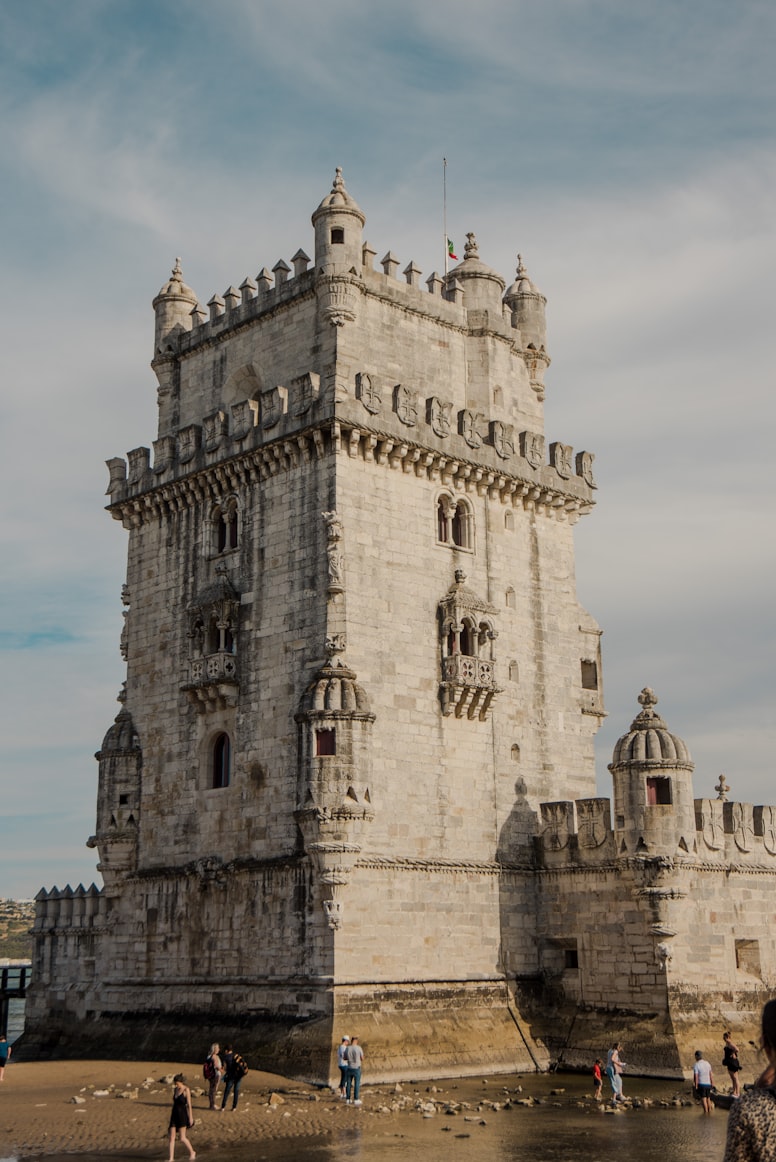
Set aside 2 or 3 hours for a thorough search of this terrain for its hidden gems such as Museu de Marinha and other nautical landmarks like 16th century Tower of Belem and the sail-shaped Discoveries Monument.
Also don’t miss out on Pasteis de Belem patisserie frequented for its custard tarts, or another tropics-related site such as Jardanico Tropical.
16. Sail around to see its eye-appealing cityscape from water
Have you been thinking how to celebrate New Year and toast the year 2022 in? Think no longer, and book a private champagne-fueled sail along the picture-perfect Lisbon riverside.
Whatever the watercraft you will charter, such a maritime adventure will for sure become the main part of your Lisbon holiday since it is the sea-faring genius of the Portuguese that made the capital what it is, one of Europe’s greatest cities.
17. Go to one of the world’s most beauteous cathedrals
The somewhat austere Lisbon Cathedral is a grand structure highlighting the importance of Christian faith for Lisbonites. Here you can attend a Christmas mass, and see for yourself its strikingly beautiful interior.
Don’t miss out on the beautiful rose windows, the one-of-its-kind altarpiece and the super-high vaulted ceiling.
Keep in mind that you can celebrate your Christmas in other places of worship in Lisbon and don’t forget that the festive mood is not only inside but also outside.
18. Go to the TNSC National Opera House of Portugal
What can be more Christmas-like than going to listen to an Opera. Head to the Sao Carlos National Theatre to attend Sebastian Bach’s Christmas Oratorio, one of the best theatre shows for Christmas.
Opened to the public in 1793, the grand opera house is one of Europe’s most venerable theatres. Its opulent & spacious interior is matched by the superb quality of the Opera performances and its characteristically Portuguese exterior.
So whether you are spending Christmas here or not don’t forget to pay a visit to this great theatre and sense the grandeur of Lisbon’s soirees.
19. Buy books at Sa Da Costa in Chiado
If no usual souvenir shop can satisfy your yearn for something special to give to your loved ones for Christmas, head to this antiquarian bookstore. Located in Chiado, it offers all kinds of ancient books, whose value will for sure increase with time.
Note that as a result of censorship of Salazar’s dictatorial regime, and formerly hefty costs of book manufacturing, Portugal and Lisbon took to reading second-hand books and have a lot of antiquarian book shops: so never cease hunting for new treasures.
20. Sample the best Portuguese wine
Known for its wide selection of Portuguese wines, expert staff and highly delectable wine snacks NOVA bar is one of the best wine stores to start navigating the alluring world of Portuguese national brew. But it is by no means unique, and there are many other boutique wine stores selling not only regular Portuguese wine but also its organic varieties.
Keep in mind that winter makes mulled wine especially tasty. You can try the Portuguese mulled wine at Kaffeehaus, Trobadores, Fabulas, Dona Tilia, Remi Coffee & Wine.
21. Indulge in juicy Leitão at Estadio Dom Leitão
The Portuguese signature Christmas dish is Leitão, a roasted piglet that came to stand for Christmas celebrations. It is best to order a Leitão with friends or family at one of Lisbon’s restaurants specialised in serving roasted-suckling-pigs. One of those is Estadio Dom Leitão, a great spot to celebrate Christmas and the New Year
22. Go to Lisbon’s one-of-its-kind Christmas Market
Lisbon is one of Europe’s topmost Christmas destinations not only because of its great nightlife, church ceremonies, ambrosial food but also thanks to the magical atmosphere one can find at its many Christmas markets and fairs, such as Cascais Christmas Village (December 5-January 1) situated in Parque Marechal Carmona.
It boasts a skating rink, a spell-binding Christmas tree, an enchanted forest, a zippy merry-go-round, a Santa Claus House and a dynamic Christmas market pulling in about 160,000 visitors every year.
Conclusion
Head to Lisbon to indulge in its unique winter charm and uncover its myriad attractions such as its one-of-its-kind Christmas markets, bustling food & drink scenery, scenic old town, and some of the world’s best museums. Make your winter holiday in Lisbon full of memorable moments and pack up for your one-of-its-kind Lisbon winter escapade.
Around 1000km from Lisbon and 700km from the Moroccan coast stands a green mountain that has risen from the sea. The Portuguese, the colonizers of this mountain, called it ‘Madeira’, meaning ‘wood’, because of the abundance of trees on the island.
Now, more than 600 years after it was inhabited by Portugal, it boasts a population of about 250,000 people, divided into 10 cities, among which stands the grandest of them, the capital Funchal.
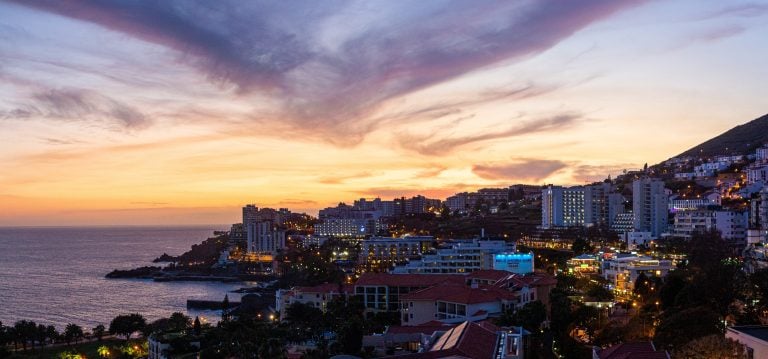
Funchal, meaning ‘the place of fennel’ in Portuguese, has a population of around 111,000, making it the sixth-largest Portuguese city and the main center of Madeira. With an amazing view to the Atlantic Ocean and built between cliffs and the mountain, the city is a great place to stay on the island, since it has the most things to do and see, and it’s well connected to the rest of this incredible island. It also enjoys more hours of sunlight and a more temperate climate, since it is on the South coast of the island, allowing for a more relaxed and enjoyable time outside!
Funchal is one of the best destinations in Portugal, being so different from the mainland and Azores! You will see a great seaside city that continues to grow through the mountain as if it was a huge amphitheater facing the sea. It perfectly incorporates the breathtaking nature that surrounds it, in the city itself. With its great climate, utopian location, 600 years of history, amazing foods and drinks, incredible cultural parties, and its exotic smells and colors, the city is will definitely win a spot in your heart if you take a chance to visit it.
There are direct flights from Lisbon (1:50h) and Porto (2:10h), while the flights from Faro have a stopover, usually in Lisbon. You can also get a flight from the Azores or from outside of Portugal, like Amsterdam, Dusseldorf, Frankfurt, London Gatwick, Madrid, Manchester, Milan, Munich, and Paris.
You can get relatively cheap tickets, at around 50/75€ with a return ticket, maybe even less if you can get a good discount! To get a good price, do several simulations and buy the ticket 3 months ahead, at least.
From the airport to the Center of Funchal, you would take around 20 minutes by car or taxi (this last one will cost you no less than 20€).
If you prefer to go by bus, the Aerobus is the cheapest option and you can get it on Floor 0, at the Arrivals area. It stops near various hotels and it’s on every day, between 4:45h and 18h. It takes around 30 minutes and you can buy the ticket straight from the driver for a cost of 5€ (8€ with a return ticket).
Finally, you can get a transfer service, which has more attractive prices than the taxi, for example, and can drop you off exactly at your destination. You can book a shuttle to meet you at the airport and take you to your hotel starting at $17.61.
Getting around Funchal
Bus
The city buses, run by Horários do Funchal, are fairly frequent and you can reach any part of the city pretty quickly. As for outside of the city, they are less frequent and run by other smaller bus companies.
There is no central bus station in Funchal, so you will have to get your bus in different stations. The Avenida do Mar is a good place to find city bus (Horários do Funchal). While for other places you might have to look for the different schedules, but in Rua Dom Carlos I and the Hotel Zone (Lido) are good stops.
Fares for the city buses are 1.95€ for a ride. You can also get a 1-day pass for 4.50 €, a 3-day pass for 11.50€, a 5-day pass for 16.50€ or a 7-day pass for 21.50€.
Rent a Car
You can also drive around the island using a rental car or taxi, if you prefer to have more privacy, flexibility and to drive around the small villages and hidden natures spots.
You should take in mind that the city is surrounded by mountains, so if you have more than 2 people in the car, you might want to get a car with more power. Besides this, you shouldn’t worry about the roads, as they are in great condition. Just be careful out there!
The city can roughly be divided into 2 parts: East and West Funchal. In the East, it’s the Old Zone of the city, the part that used to be a fisherman’s neighborhood and then became a lifeless zone. Nowadays it was turned into the trendiest part of the city, filled with bars, galleries, shops, and restaurants! There are even walking tours to learn about the history. This is the place you want to be when the night comes!
West Funchal is the new part of the city, with the best shopping places, cafés, and museums. This is where you will find the typical squares and old roads that the city is known for. It’s the busiest part of the island, where the hustle and bustle starts in the morning and only ends when the sun sets.
Mercado dos Lavradores (Farmer’s Market)
This market, in the East part of the city, is a huge and full of life market where you can find the best homegrown vegetables, fresh fish, and wonderful smelling flowers.
Praça do Município
The wide main square, called the Municipality Square, with the typical ‘calçada portuguesa’, is filled with beautiful and historical buildings. The City Hall is one of them, a built in the 18th century, as is the Museum of Sacred Art.
Museu CR7
The city has lots of museums that you can check, like the Sacred Art Museum, the Photography Museum, or the Madeira Story Center, where you can see the interactive history of Madeira. But the CR7 Museum is a world-known museum that every sports aficionado should visit. The museum is made in honor of Cristiano Ronaldo, the famous Portuguese (more specifically, Madeiran) soccer star. There you will find photos from Cristiano’s childhood up until now, as well as the trophies and medals he won and even soccer balls from matches he played!
To visit the upper part of Funchal, situated in the mountain and where the Church of Nossa Senhora do Monte is located, the best way is probably through the cable car. The ride usually takes about 15-20 minutes one way, and you can enjoy the wonderful views of the city, the mountains, and the ocean.
The car is open from 9h to 17:45h, with the probability of a change of schedule in the high season.
This garden, formerly a private garden but now administered by the Regional Government of Madeira, opened in 1960.
It is divided into various parts, such as an area dedicated to indigenous and endemic plants from all of Macaronesia, this is, Madeira, Azores, the Canary Islands and Cape Verde. Definitely, a wonderful place to visit and feel like walking into the old uninhabited Madeira.
Besides this, you can see the French and Japanese gardens, for example, and get transported to a whole different country!
It is open from 9h to 18h and can be easily accessed through the Monte cable car.
Having more than 100,000 plant species, this garden is definitely worth a visit. It has several levels, with one of them dedicated solely to Madeira’s plants and 2 of the gardens being Oriental-inspired. It also has ponds and a mineral museum.
It is open daily from 9:30h to 18h and is located close to the Botanical Garden and the Cable Car.
But besides these two, there are many other gardens and parks that you can visit, as the island is in no shortage of these.
Carro de Cesto
You HAVE to try these cars! They are wickerwork sleds on wooden runners on which you will be seated on. They will descend through the hills of the mountains with two men, called ‘carreiros’ or sled drivers, on each side of the car controlling it.
You will definitely fill the adrenaline while experiencing a traditional Madeiran cultural activity.
Like the Port Wine, this wine is also much loved by the British, which used to let the taste of the wine improve throughout the long sea journeys from Madeira to their colonies.
Today, you can visit the wine lodges of some of the wine companies and learn about the history, the process of making, and the incredible taste of Madeira Wine.
Historic Churches
History enthusiasts will love the 16th-century Sé (Cathedral), built at the peak of the Portuguese Discoveries era. Its beautiful ceilings, made out of wood from Madeira (or in Portuguese, “Madeira da Madeira”), are considered the most beautiful in all of the Churches in Portugal!
The Church of Nossa Senhora do Monte is another beautiful sight to see. Built in 1471, this amazing church is placed in the mountains and, besides its wonderful chandeliers, it features a statue and the tomb of Charles I of Habsburg, the last Emperor of Austria who was exiled in Madeira.
There are many other Churches from which to pick, like the Convent of Santa Clara, also an amazing tour. These are just some suggestions and the ones I thought would be more relevant.
Funchal has a great number of local traditional restaurants, as well as more modern and international ones (even having two Michelin-starred restaurants, one with 2 stars and another with 1).
Seafood, as one would expect, is a specialty in the city gastronomy, with ‘espada’ (scabbard fish) served with bananas being a must.
Bananas are one of the brands of the island of Madeira, as are many other exotic fruits, such as blueberries, cactus figs, cherries, custard apples, grapes, passion fruit, pears and watermelons. These fruits are available pretty much everywhere on the island when their season comes.
‘Bolo do Caco’ is also mandatory, being a traditional type of bread made from sweet potatoes.
The city has also lots of bars that make the city live throughout the night on the weekends! There you can get a sample of the famous ‘poncha’, a very sweet traditional alcoholic drink from Madeira made out of sugar cane, orange or lemon juice, and honey. It is said to cure a common cold, so be sure to try it!
Another famous drink that I have mentioned in the last category, is the ‘Madeira wine’, known worldwide as the wine that the American Founding Fathers used to toast after they declared independence, due to it being the wine of choice of Thomas Jefferson. It’s a fortified wine, meaning it is stronger than conventional wines, and it is usually used either as an aperitif or a digestif, depending on the style.
When to Visit Funchal
The subtropical climate of the Island makes it a year-round destination, without extreme temperatures and stable humidity levels.
Summer is a hot and dry season, with about 25/26°C (about 77-79°F) while winter is much more pleasant, with temperatures of 17/18°C (around 62-64°F). As for rain, it is usually from October to May, but it can happen sporadically in other months. The seawater is usually the same throughout the year too, with 23°C (73.4°F) in summer and light drops in the winter to 18°C (64.4°F).
So it’s up to you to choose the best time to visit Funchal! You may decide to go in the summer for the vacations, during the Carnival season for the amazing festivities that the city has, the spring for the ‘Festa da Flor’ (or Festival of the Flower’), where the city decorates itself with beautiful flowers and the people make a parade of flower-decorated cars, the time of the Wine Fest in September, or even for Christmas or New Years, for which the city is really well-known for. According to the Guinness Book of Records, the city has the biggest New Year’s fireworks show in the world! That is really a sight to see!
Where to Stay in Funchal: 7 Best Hotels in Funchal
I would suggest you stay closer to the center of the city, so you can stay within a good walking distance of most things. You can choose to stay in a hotel in the most touristic areas, which would be a very good and safe option, or to stay in a local neighborhood, closer to the ‘real’ Funchal. It all depends on the type of trip you have planned! However, to make it easier, here are the 7 best hotels in Funchal.
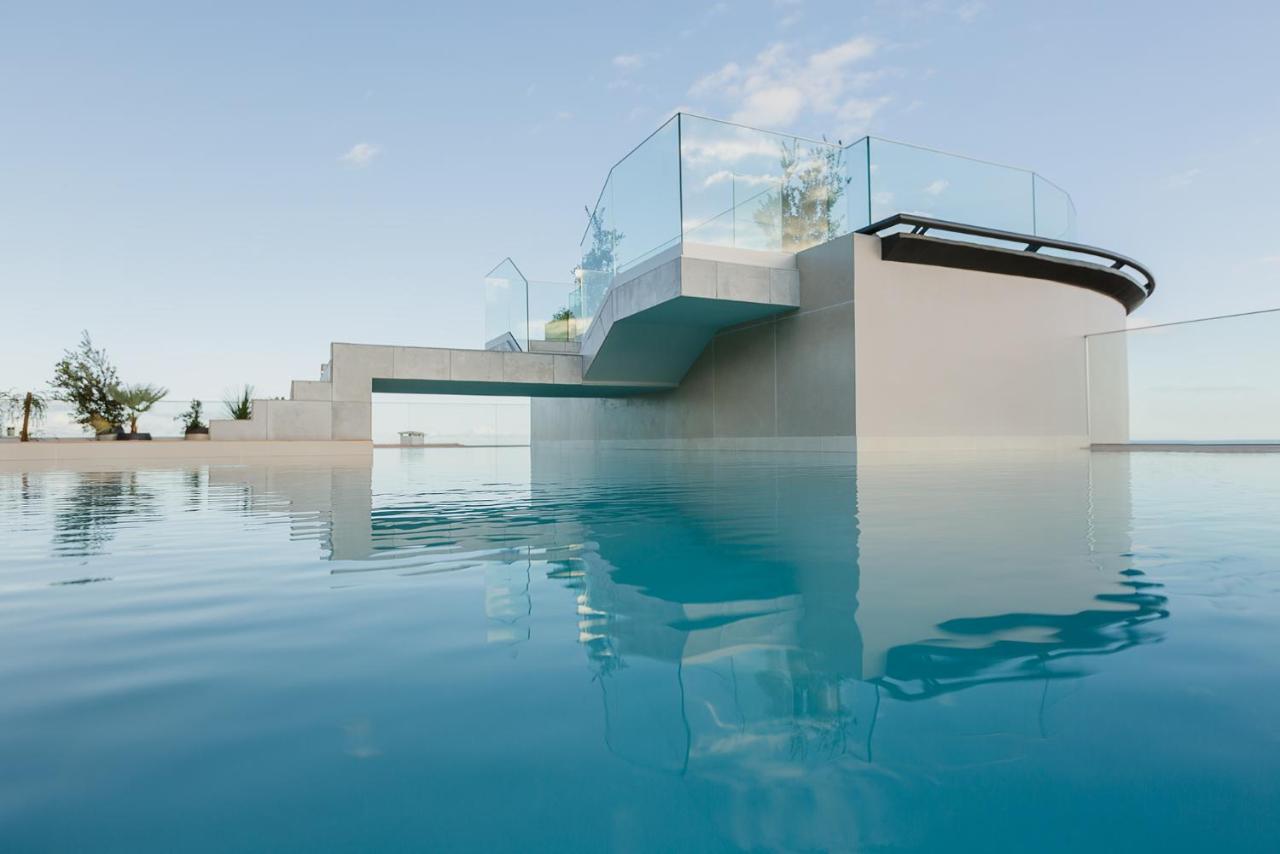
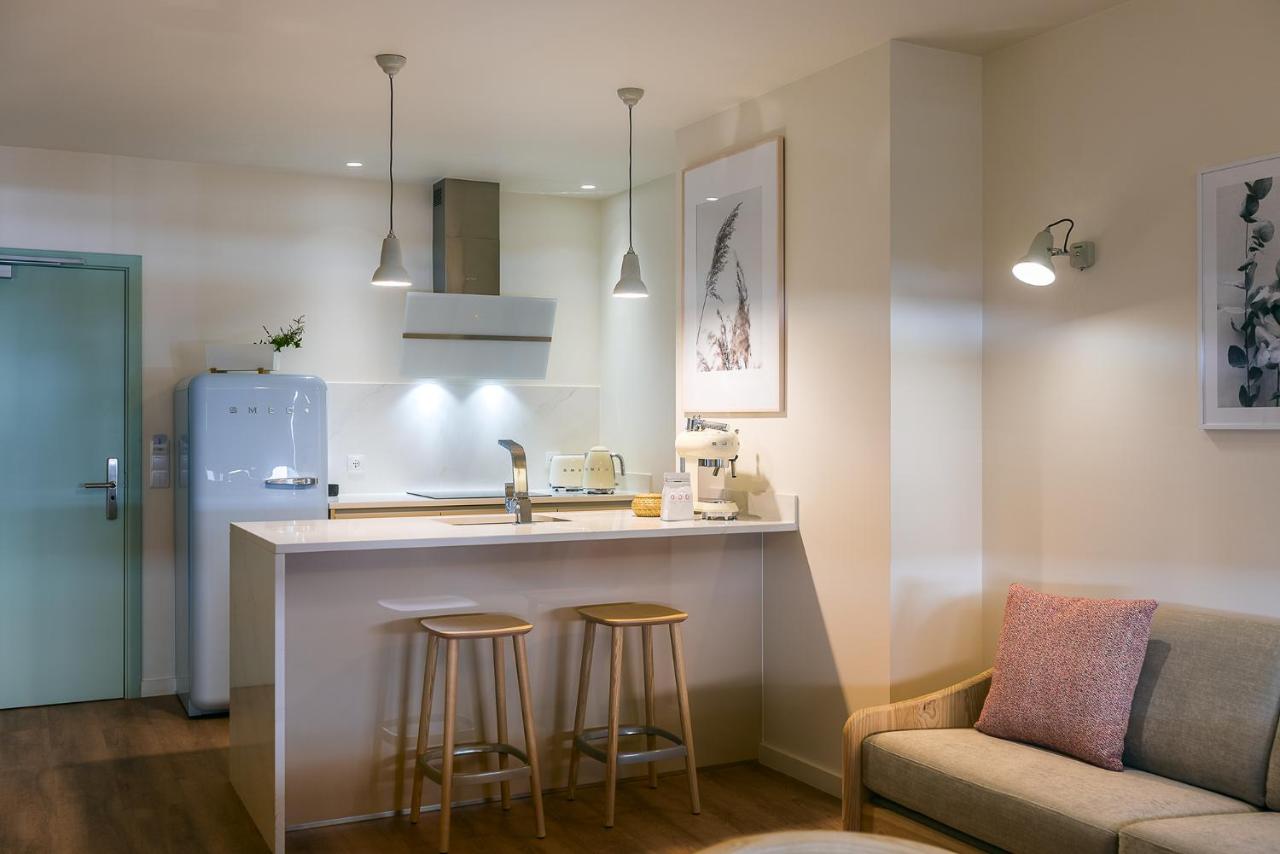
Three House Hotel is a trendy 4-star hotel in Funchal that does not disappoint. The gorgeous interior features family rooms, a bar, a front desk, and a restaurant. The hotel also has an outdoor swimming pool with views of the ocean. All units come with a private bathroom and kitchen. You can even play table tennis at the Three House Hostel! This place is only 10 kilometers from the airport and is super close to Marina do Funchal. A room here costs around €120.
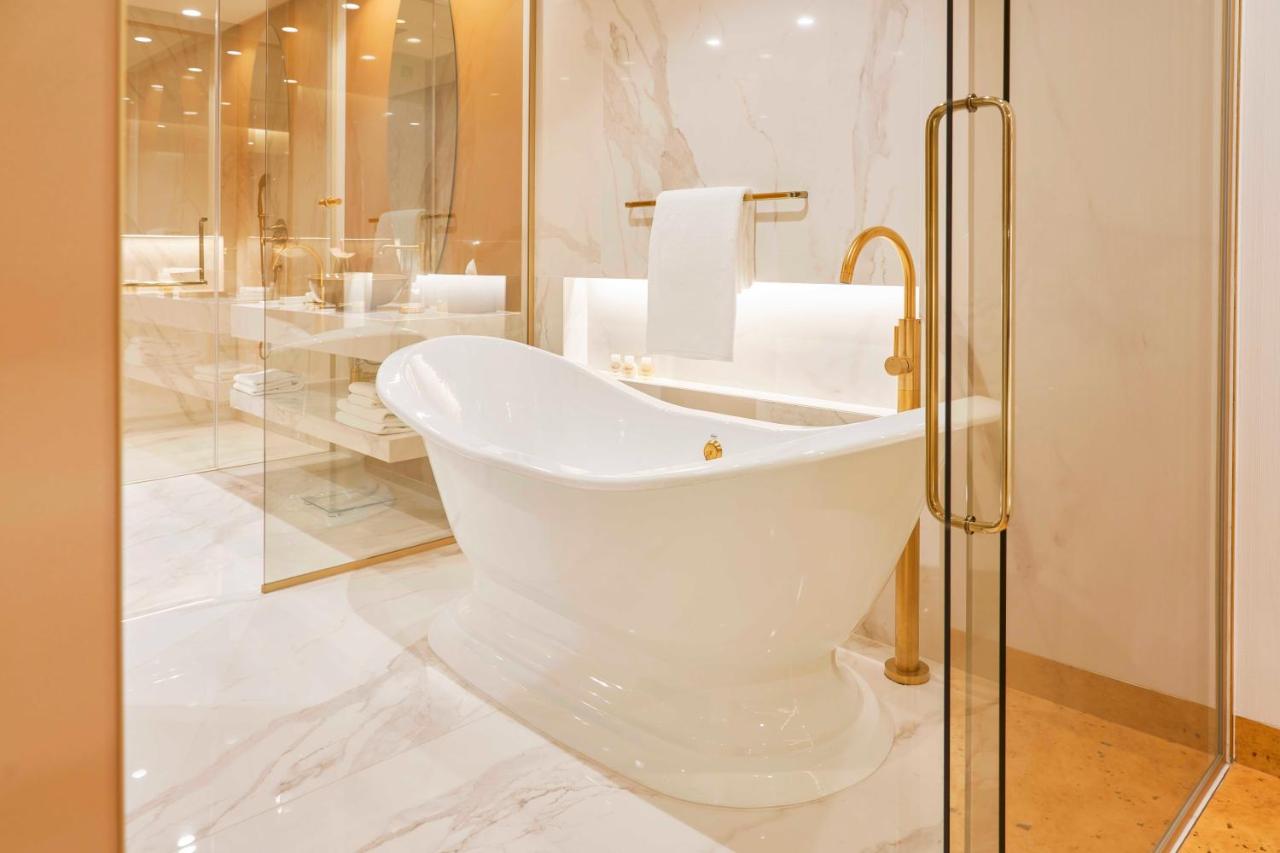
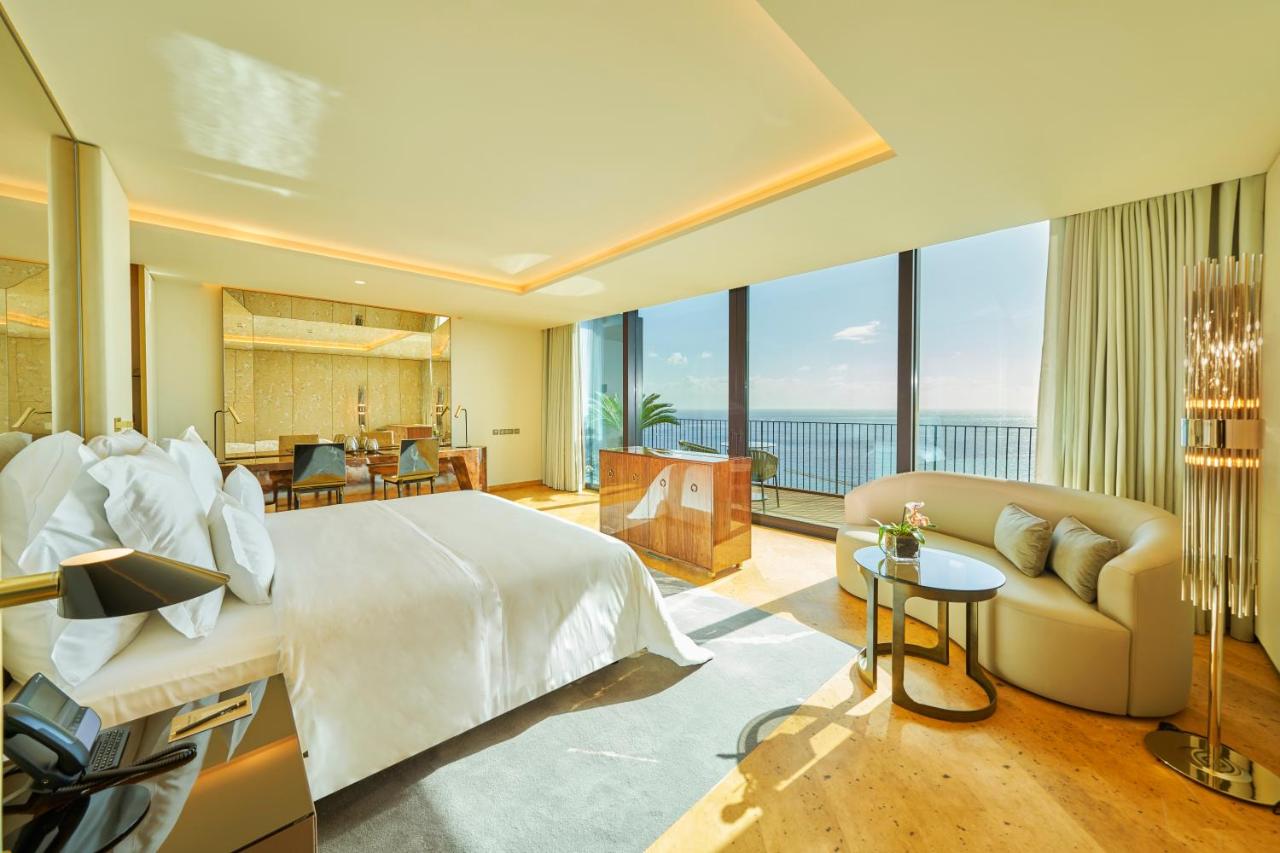
Savoy Palace offers one of the best seaside views of Funchal. This 5-star hotel has an outdoor swimming pool, a gym, as well as a shared lounge, restaurant, bar, and terrace. What more could you need for a luxury vacation? Each room is equipped with a flat-screen TV, a relaxing seating area, and a large private bathroom. Some units also feature a kitchen with all the necessary appliances. A double room with a buffet breakfast included starts at €200 here. The presidential suite, the most expensive in the whole hotel, costs around €5,000.
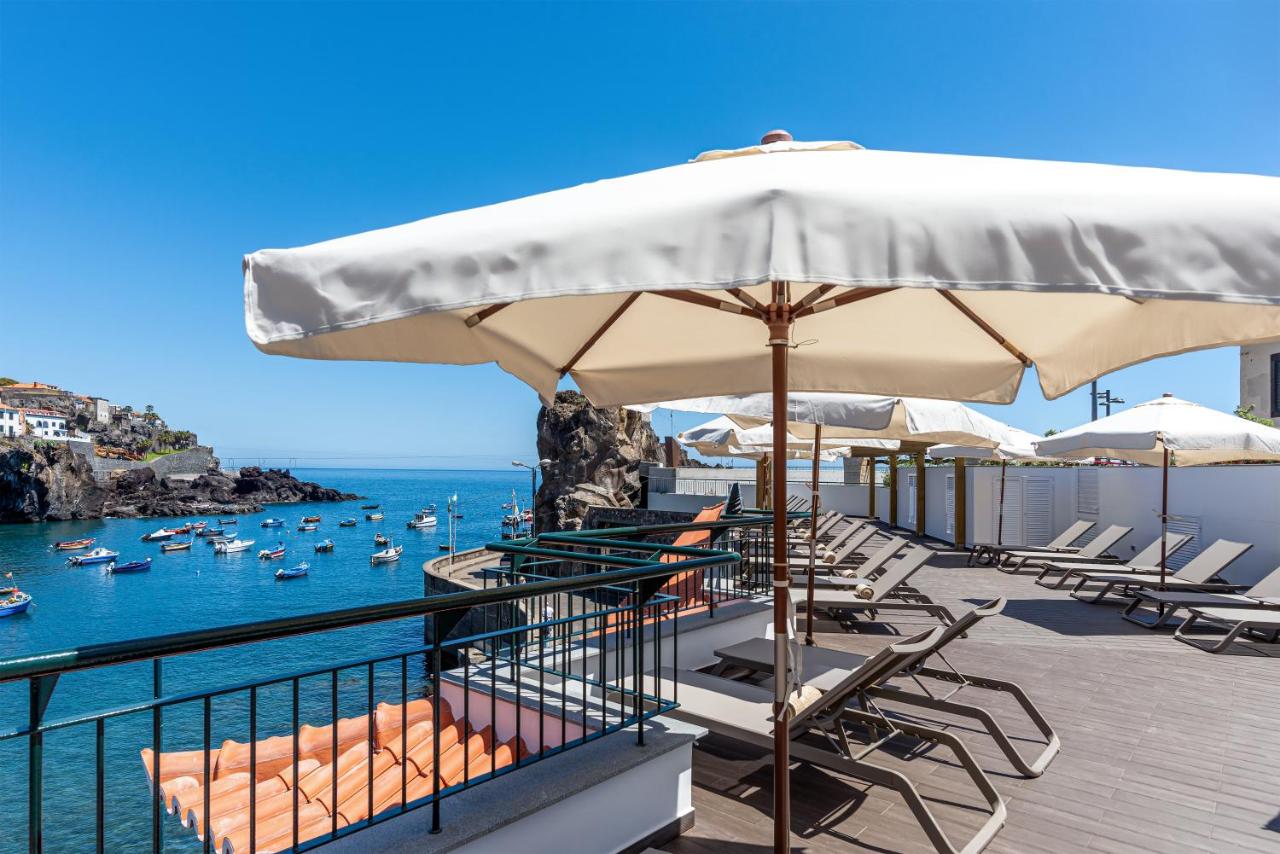
Located in Câmara de Lobos, Pestana Churchill Bay offers panoramic views of the bay which guests can enjoy from the outdoor swimming pool. This 4-star hotel by Pestana also has a well-renowned restaurant that features traditional Portuguese food, as well as vegan options. Every room is decorated by an interior designer and is equipped with a flat-screen TV, a private bathroom, and a balcony. You can book a room here for €150.
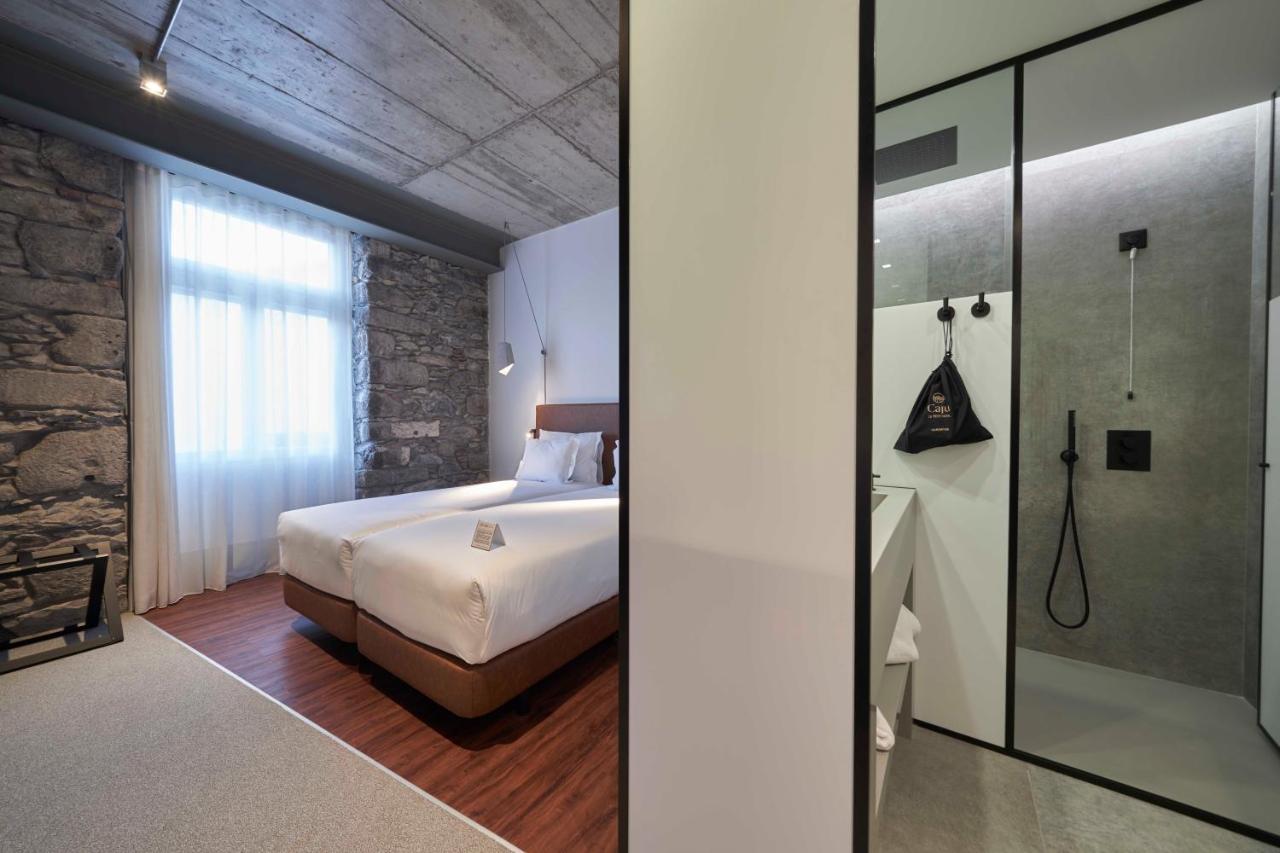
Hotel Cajú is a 4-star hotel, located in Funchal that is well-reviewed by guests in the region. This hotel is only a few minutes away from Madeira Casino and the Funchal Cathedral. The perfect place to enjoy some room service in bed, this hotel also features an in-house restaurant, a gym, and a bar. Every unit is equipped with a flat-screen TV, a private bathroom, and air conditioning for those hot summer days. You can book a room here for €130.
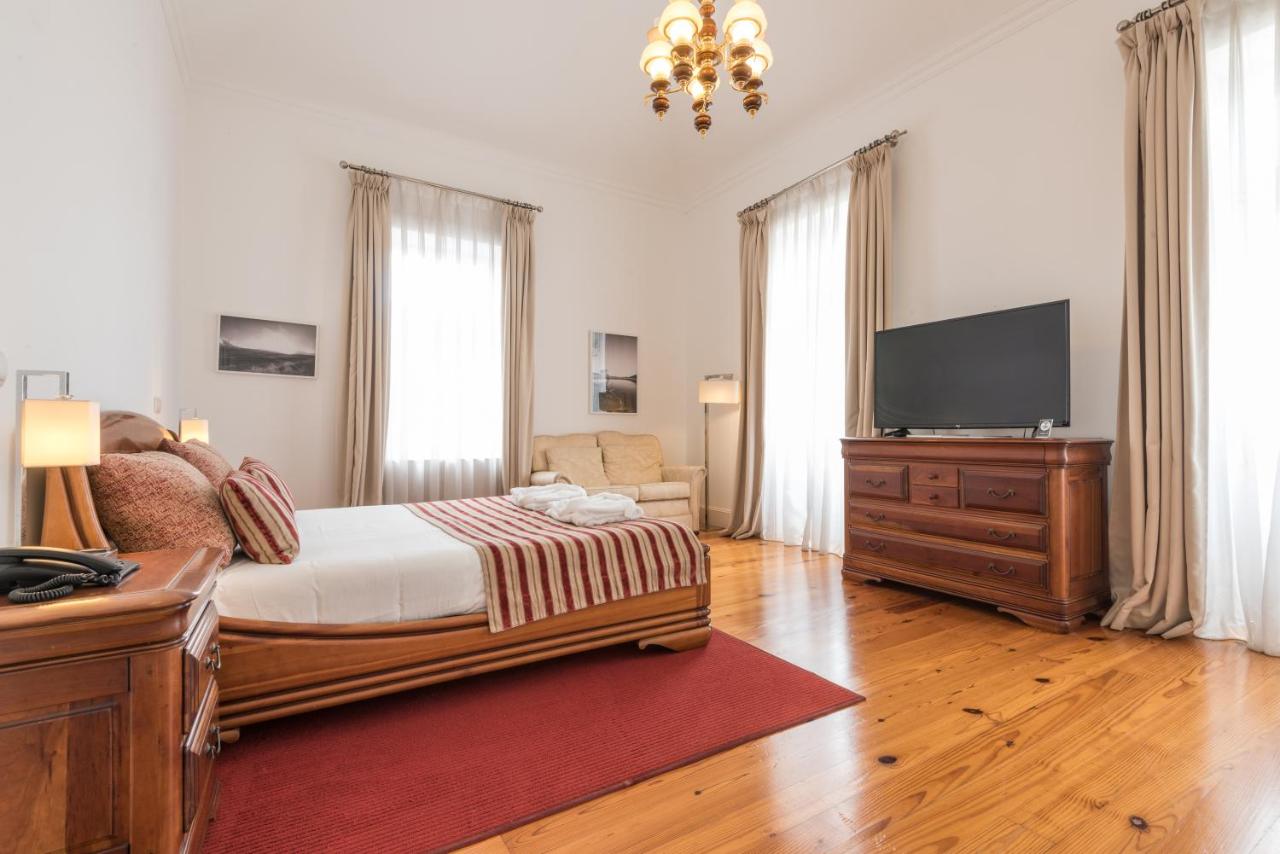
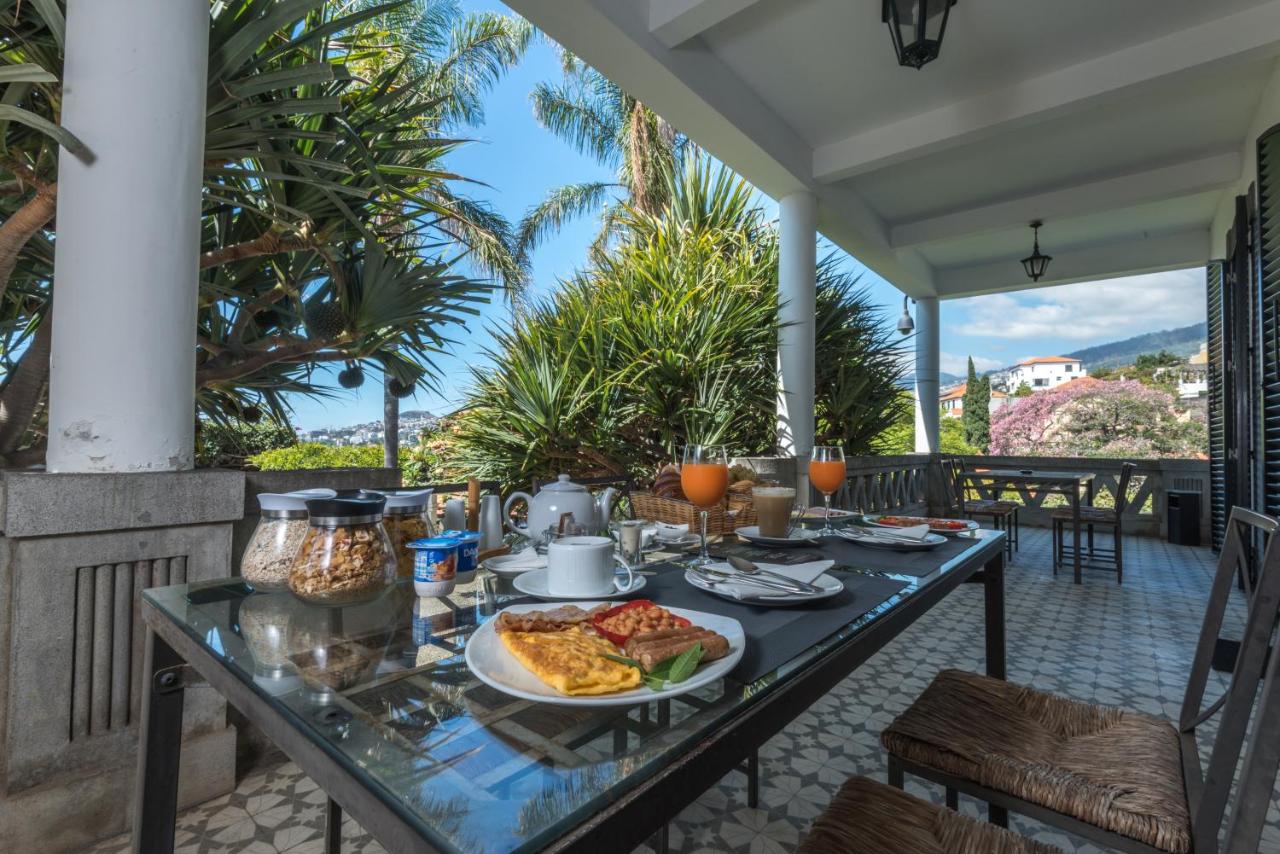
A 4-star hotel, ARTS IN Hotel Conde Carvalhal, is situated in a modern mansion, a few minutes from Funchal’s Old Town. This hotel features peaceful botanical gardens and terraces that offer a view of the sea. The modern rooms have beautiful wooden floors and flat-screen TVs. Some of their studios even offer a balcony and a small kitchen for guests to enjoy. The hotel has one of the best breakfasts on the island featuring local and organic products like fruits, pastries, and eggs. You can book a high-quality massage at the spa, as well as book a scooter or bicycle rental to explore the island. You can get a room here for €100.
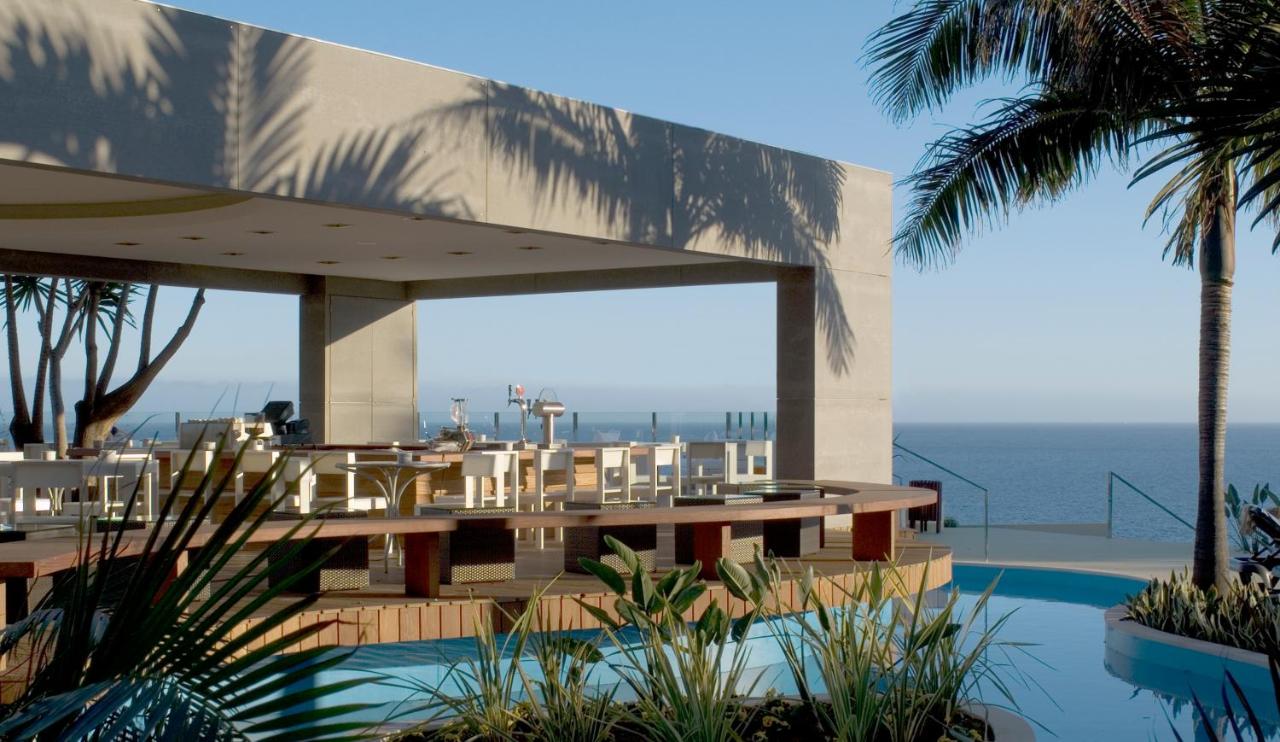
Pestana Casino Park Hotel & Casino is a 5-star hotel that has a view overlooking the Bay of Funchal. A 5-minute walk from the center, this Pestana Hotel features a spa, a casino, and even a disco for dancing. This large hotel has 6 restaurants, the most well-known being the Panoramic Restaurant which provides views of the Bay and pool, as well as the Sunset Restaurant which features a cocktail bar. Each room has a private balcony, a setting area, and a satellite LCD TV. You can get a room here for €110.
An affordable guest house in Funchal, Vila Camacho is located close to the Funchal Marina. This quaint Guest House has a communal garden, terrace, and an outdoor swimming pool for guests to enjoy. Each room features a flat-screen TV, a private bathroom, and a balcony or terrace. Guests are also served a large continental breakfast that is included in the room rate. You can book a room at Vila Camacho for €50.
If you are a nature enthusiast, the Desertas Islands (literally ‘Deserted Islands’) are a great trip. Just 16 km southeast of Madeira, the Nature Reserve was made to protect the unique life of the islands’ birds, seals, and poisonous spiders. You can get a boat trip to the islands directly from Funchal.
Ilhas Selvagens
Still technically a part of Funchal, the ‘Savage Islands’ are the southernmost point of Portugal and are a very important bird nesting point, making them a closely protected natural reserve. The only manmade structures in the islands are a little house for the caretakers, the only people who live here year-round, and a lighthouse. The reserve is of great interest to scientists who routinely do research on the islands.
If you enjoy seeing pure nature and learning more about it, the Selvagens are a great trip!
Porto Santo
The other inhabited island in the Madeira archipelago definitely deserves a visit from you! Just 14km by 5km (8.7 mi by 3.1 mi), the island is fairly quick to see.
The island is known for its golden beaches, something that the island of Madeira lacks, and for its lack of big vegetation, which Madeira has in abundance. It has many hotels and resorts in its territory, as well as golf courses.
There is also a story that tells that Cristopher Columbus lived on the island, having married the daughter of the first Capitan of the island. You can learn more about this in Casa Colombo, a museum in Porto Santo dedicated to the stay of the navigator.
To get there, you can get a plane or ferry from Funchal.
Other Places of Interest in Madeira
You might want to visit the northern part of Madeira, home of villages like Porto Moniz, a place with natural swimming pools made by cooled-down lava filled with seawater, and Santana, that houses the traditional Madeiran cottages, the palheiros. [Book a day trip to Porto do Moniz]. Or maybe do some trekking on the ‘Levada das 25 Fontes’ that will take you to an amazing waterfall.
The incredible Laurissilva forest that once covered the whole island is also a great tour to make. It was declared a UNESCO World Heritage Site in 1999 due to its rich plant and animal diversity.
You can also go golf at the 2 courses that the island has, go to the Casino, go bird-, whale- or dolphin-watching, diving, sailing or fishing, all great activities that this island provides to you.
Final Remarks
The incredible city of Funchal is a great jumping spot to visit the whole of the Madeira Islands! With fast connections to any part of the Island and even to the more secluded Selvagens, Desertas, and Porto Santo islands, you can get the whole Madeiran experience while always going back to the same hotel.
This diamond in the Atlantic is really a good visit at any time of the year, with activities always happening and weather that will almost make you think you are in Hawaii.
I would more than recommend this wonderful city… You will be delighted by its food, amazed by its festivals, and in awe by its scenery…
⬇️Please share your favorite activities and things to do in Funchal in the comments below⬇️
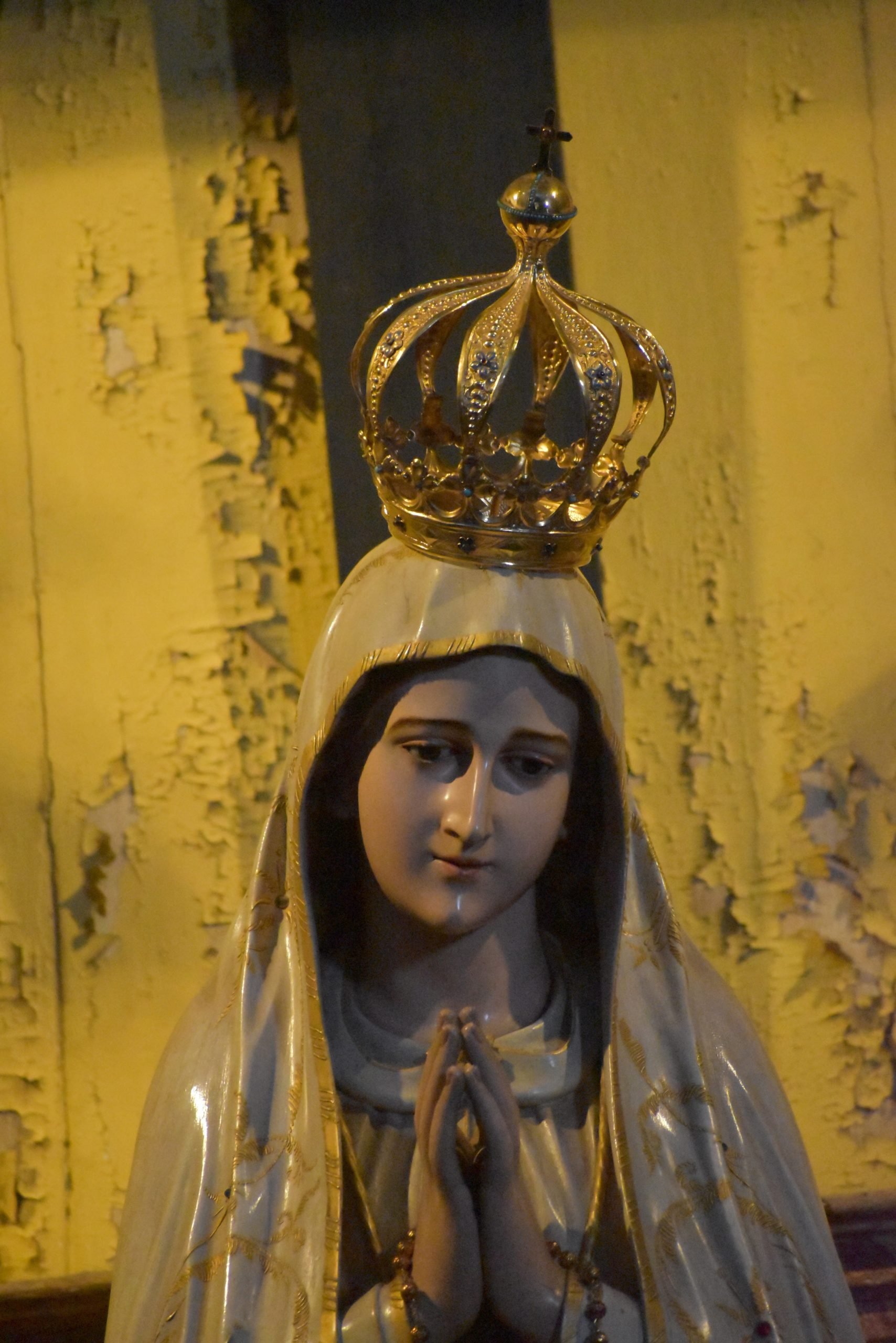
A hot stop of religious tourism, Fátima, a city in Santarém receives around 8 million pilgrims a year. This romantic city is located one hour drive from Lisbon and is surrounded by mountainous parks and villages with stoned houses. But most tourists flock to the spiritual city as it is known for its miracles in the iconic Sanctuary of Fátima. The sanctuary even sparks the curiosity of atheists and is welcoming to all religions, not just Catholicism.
In 1917, three shepherd children witnessed the apparition of Mary, the Mother of Jesus, six times over six months. The children said that Mary, also known as Fátima told the children the “Three Secrets of Fátima”. These were apocalyptic prophecies that according to Catholic interpretations mentioned events such as World War II, the rise and fall of communism, and the assassination attempt of Pope John Paul II. Fátima allegedly told the children to spread these secrets and that sinners would need to be converted as their evil behavior was the main cause for these issues.
These three apparitions and the spread of the messages throughout the city culminated in the Miracle of the Sun, allegedly witnessed by over 70,000 people. There are many accounts of what this miracle consisted of but most say that after a period of rain, the skies cleared and the sun appeared as a spinning disc in the sky with radiant colors.
These events were later declared as miracles by the Catholic Church in 1930 and religious buildings were built at the site to honor them. The Sanctuary of Fátima, the reason millions visit the city yearly, is a group of Catholic religious buildings including the Basilica of Our Lady of the Rosary and the Chapel of the Apparitions which was built in the place where the three shepherd children were visited by Mary.
The most popular times to visit Fátima are on the 13th of the month between May and October when the apparitions occurred. Many Portuguese walk hundreds of kilometers to get there on these days, over 140 km from Lisbon and over 350 from Valença. Many that travel to the sanctuary are facing terminal illnesses or bereavement and looking for religious guidance. Therefore, be respectful. Do not take selfies and dress modestly.
Fátima is a city located in the district of Santarem in the Central Region of Portugal. Fátima is situated 130 kilometers away from Lisbon (1.30 hour drive) and less than 200 kilometers away from Porto (2 hour drive). The nearest airport to Fátima is Lisbon airport, around 100 kilometers away. However, if you find it more convenient and affordable to fly to Portugal, it is around 180 kilometers away.
What to do in Fátima
Fátima is not only known as a religious site but the city is also filled with cultural activities. From lighting a candle at the sanctuary for a loved one to visiting local villages, the city has a lot to offer. Here are our favorite things to do in Fátima.
This day trip from Poro takes you to the holy site of Fatima and the university town of Coimbra. You will get to learn about the Sanctuary of Our Lady of the Rosary, as well as the miracles that happened there. In Coimbra, you will get to experience a walking tour conducted by university students.
This full-day tour takes you from Lisbon to the Sanctuary of Fatima for a personalized experience. You will also get to visit the beach resort of Nazare and the quaint medieval town of Obidos.
Another great tour from Lisbon, this day trip takes you to Fatima, Obidos, and Nazare. You will learn about the children’s apparition of the Virgin Mary, as well as visit the town of Obidos. Finally, you’ll get a glimpse of the fishermen’s life in the seaside village of Nazare. This is a small group tour up to 8 people.
The main square of the Sanctuary of Fátima is huge! The perfect place to start. It’s larger than the square of the Vatican and can hold thousands of people. You can gauge the beautiful Basilica of Our Lady of the Rosary and enjoy how enormous, but yet peaceful the whole religious site feels.
2. Basilica of Our Lady of the Rosary
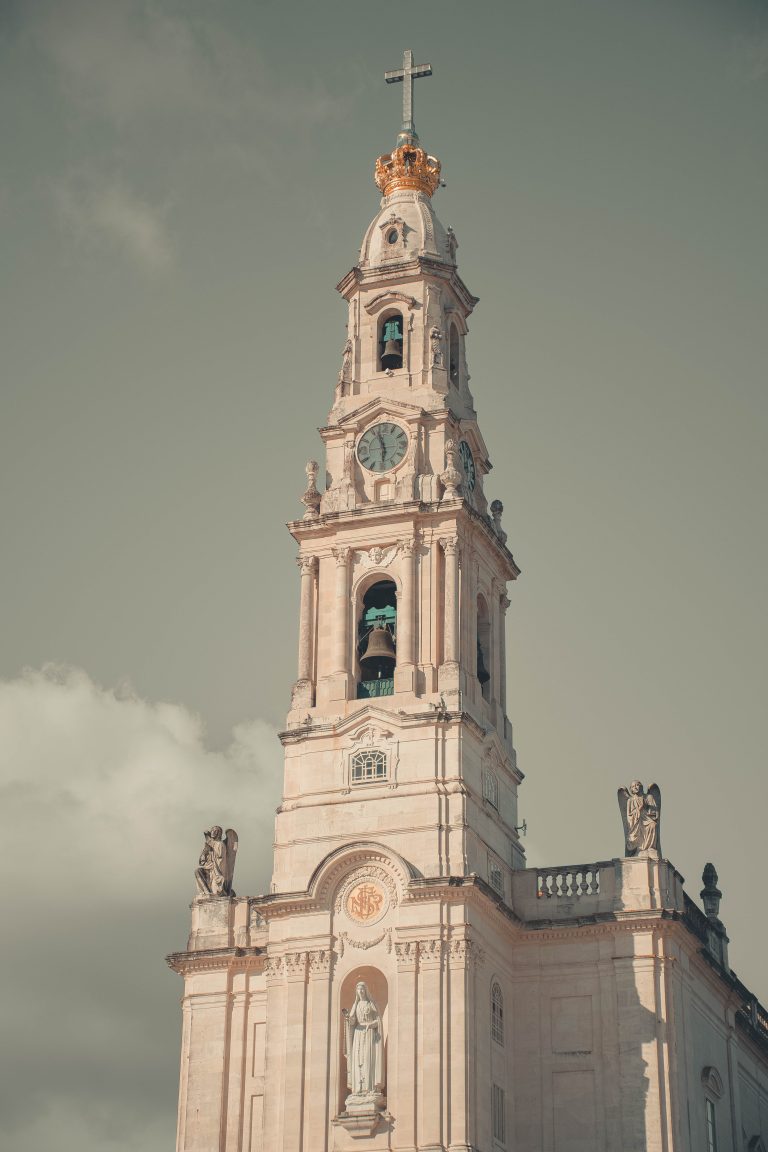
This Basilica, known as “Basilica da Nossa Senhora do Rosário” in Portuguese, is a limestone church built between the 1920s and 50s. It has a 65-meter bell tower and a statue of Our Lady of Fátima. at the entrance to the church. The church is decorated in Baroque style. Inside, the church has a 12,000 piece organ, 14 altars, and incredible stained glass windows.
Photo by Joshua Miranda (Pexels)
3. Chapel of Apparitions
This chapel was built on the site where the three children reported seeing Mary. It was completed two years after the sightings, in 1919. Mary allegedly told the children she wanted a chapel made there in her honor.
4. Light a candle
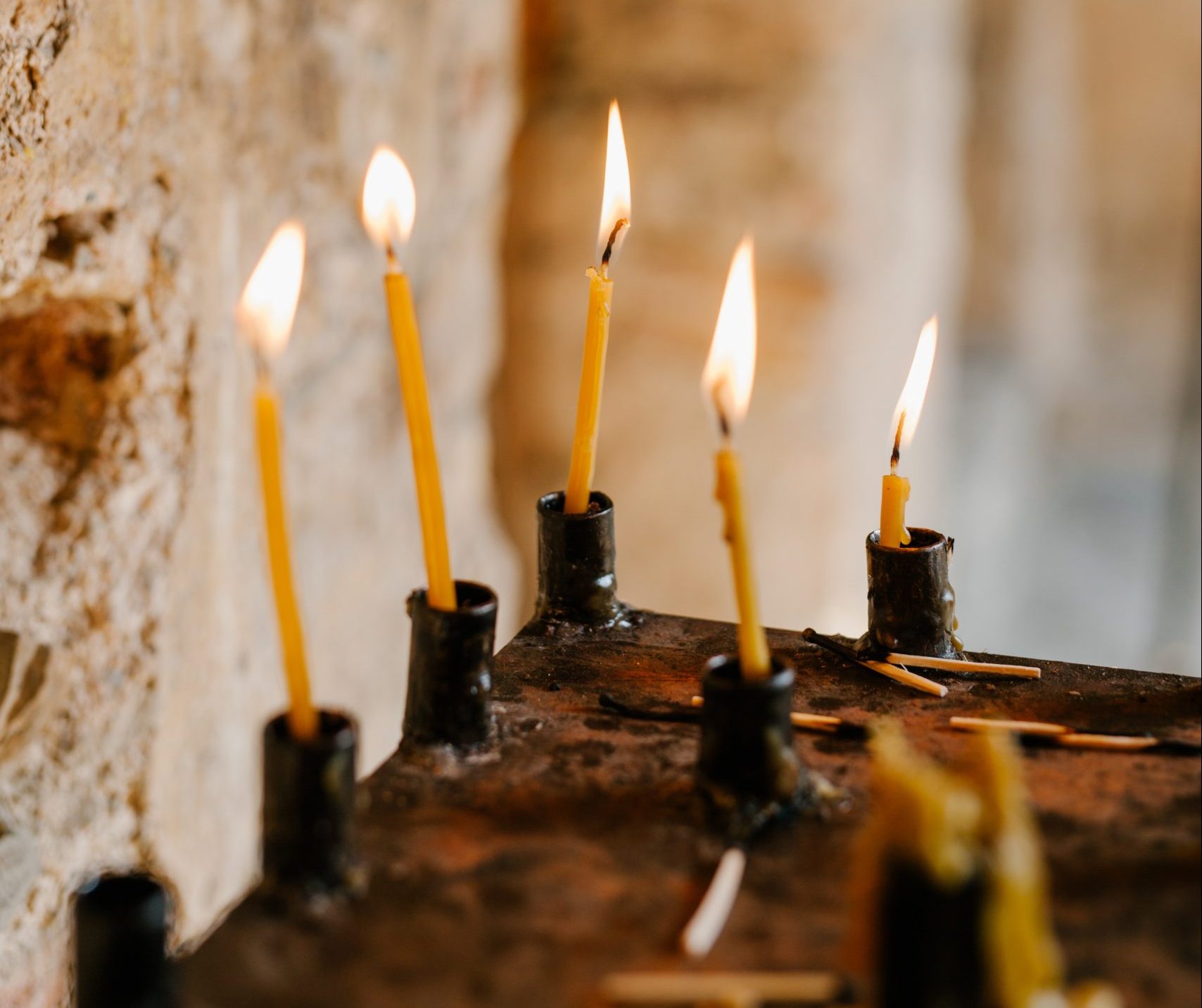
A religious highlight in Fátima is lighting a candle. You can purchase a candle near the Chapel of Apparitions from €0.80 to €2.70. Use it to pray or set an intention, as well as honor someone who has passed.
Photo by Julia Volk (Pexels)
Things to do in Fátima outside the sanctuary
1. The Shepherd’s Houses
Remember the three shepherd children that started the whole thing? You can actually visit the houses where the children that saw Mary back in 1917 lived. There are two houses in the tiny village of Aljustrel, a kilometer away from the sanctuary: the “Casa de Jacinta e Francisco Marto” and the “Casa da Lucia”. The first house was where both Francisco and Jacinta died after the First World War of the flu epidemic. They lived here with their parents and three other siblings. The second house was Lucia’s house, who was the cousin of Jacinta and Francisco. Lucia survived the flu epidemic, became a nun, and lived until 2005, dying at the old age of 97.
Also known as “Gruta de Moinhos Velhos”, this cave is over 9 kilometers in extension and a 20-minute drive from the sanctuary. It is the biggest cave found in Portugal. The cave was first entered by humans in 1947. The caves are located in the Limestone Mountains, which form the Estremadura Limestone Massif.
Tickets cost €7 for visitors above the age of 12. Children under five years old can visit for free and children from 5 to 11 years old pay €4.20.
This dinosaur track site was discovered in 1994 by João Carvalho, a member of the local archeology association. Its located around 10 kilometers from Fátima in the heart of the Serras d’Aire e Candeeiros Natural Park. The footprints are over 175 million years old and were created by sauropods, dinosaurs with small heads and long tails and necks. This place has some of the longest dinosaur tracks in the world, with the longest footprint measuring 147 meters long.
This museum narrates the story of the 1917 apparitions of Mary with life-like wax figures in approximately 20 minutes. 32 scenes and 120 figures report the main episodes of these events spanning a 34 year period.
Children under 6 do not pay. Adults pay €7.75. University students and families of four minimum get a 20% discount.
Fátima might be known for its faith pilgrimage, but it also has a variety of quality restaurants. Keep in mind that inside the sacred grounds there is no food available. But a few minutes away, the city of Fátima is filled with affordable local food. Before we get into listing our favorites, you’ll need to know what to order. Here are some typical Portuguese dishes and desserts to try in Fátima.
“Bacalhau” (codfish)
“Polvo à la lagareiro” (octopus)
“Bitoque” (thin steak)
“Arroz de Pato” (duck rice)
“Caldo verde” (green soup)
“Cozido à portuguesa) (meat stew)
“Pastel de nata” (custard tart)
“Baba de camelo” (camel drool or condensed milk mousse)
“Arroz doce” (rice pudding)
Now that you know what to order, here are our 5 favorite restaurants in Fátima.
Our favorite restaurant in Fátima is Tia Alice. This family-run restaurant is a 5-minute drive from the sanctuary and is a Michelin selection. We recommend their duck, roasted lamb, and codfish. This rustic restaurant with stone walls feels like home. This is probably the most famous restaurant in Fátima so book ahead.
The bill for two people will set you back around €50, but it is totally worth it.
This restaurant is only 200 meters away from the sanctuary. Although the interior is modern, they serve traditional Portuguese food. Try their “porco preto” (roasted pig) or their “Bife Cerveja Preta”, a steak cooked in a dark beer. They also have vegetarian options which are quite uncommon in Fátima.
This typical restaurant uses local products and old recipes to produce classic Portuguese dishes. From “bacalhau à brás”, a typical codfish dish with egg to roasted lamb, Arcos de Fátima has a large range of affordable dishes.
A meal for two here will cost you €20 – €30.
4. Restaurante O Leque
This “tasca” (tavern) is perfect for those who want to eat a lot without spending too much, the Portuguese way. From the classic “bitoque” (thin steak) to “frango no churrasco” (barbequed chicken), you’ll find authentic Portuguese flavors.
Wondering where to eat vegan food in Fátima? There are only a few restaurants in the city that are fully plant-based. Our favorite is certainly Kansha. They usually have a vegan buffet (closed because of COVID) and also offer a menu with daily specials. Kansha also has delicious vegan cakes that will make your mouth water.
A meal for two here will cost you less than €20.
Getting around in Fátima
Fátima is a small city, unlike Lisbon or Porto. Don’t expect efficient transportation here. There is a large Bus Station in the city, where buses arrive from cities like Lisbon and Porto, as well as a railway station 20 kilometers east of the city. The bus station is very close to the sanctuary.
If you are planning on traveling throughout Fátima, either rent a car or book a guided trip with transportation. Walking is feasible if you are on a budget and are looking to stay close to the sanctuary, but not recommended if you want to explore the whole city. There are also affordable taxi services everywhere.
If you are flying into Lisbon airport, the closest to Fátima, then you can book this tour for €155 where you visit the sanctuary and other attractions with private transportation included. There are also packages from Porto for €95.
Final Thoughts
From its romantic villages with stone houses to the mesmerizing Sanctuary of Fátima, this city is a special place to visit. Even if you are not religious and think the whole miracle story is a sham, you won’t regret traveling to Fátima. You can enjoy both spiritual and non-religious activities at differing price points. Just remember, avoid the 13th of the month between May and October when the apparitions occurred to flee the crowds. And be respectful of this holy site and those around you!
Fátima Mass Times
If you are heading to a mass at the Sanctuary of Our Lady of Fátima, make sure to check the mass times here. Mass times depend on the day of the week and are something altered. On Sundays, the mass times at the Fátima Sanctuary are the following:
7:30 AM
9 AM
10 AM
11 AM
12:30 AM
2 PM
3 PM
4 PM
5:30 PM
6:30 PM
9:30 PM
⬇️Please share your favorite activities and things to do in Fatima in the comments below ⬇️
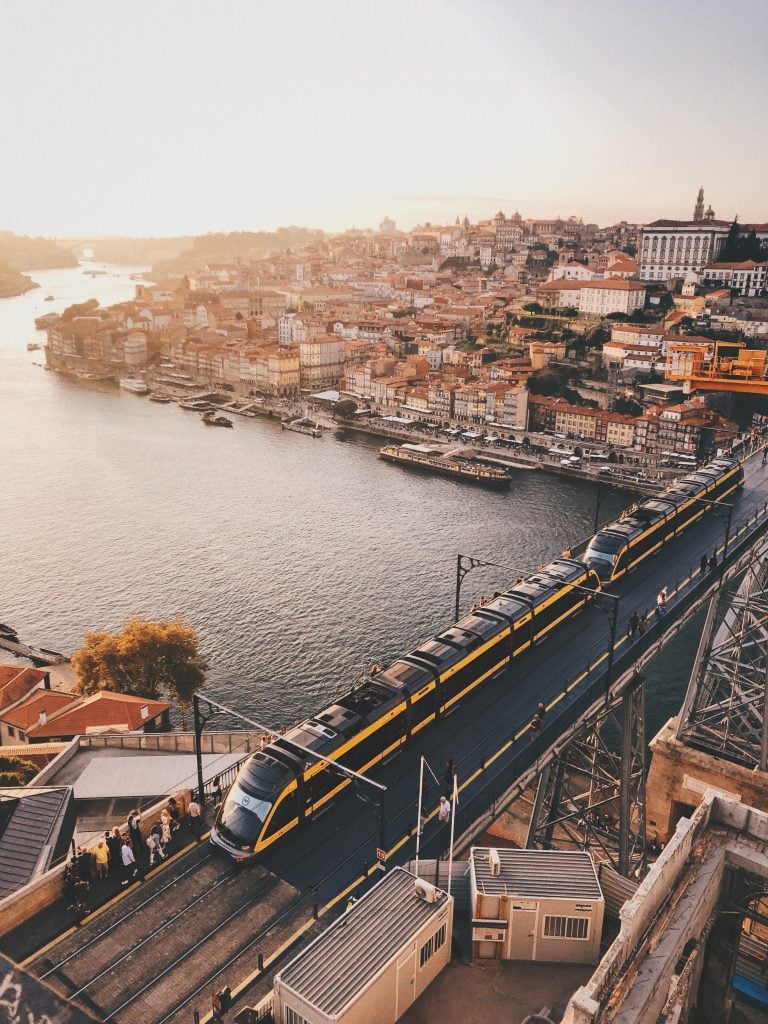
When people think about visiting Portugal, their first thought is to go to Lisbon, the capital. Porto might be the second-largest city in the country after Lisbon, but it is not the second best! 280 km north of Lisbon, the beautiful city of Porto lies along the Douro river. Home to Port wine, street art, and “francesinhas”, Porto is one of the world’s top 100 cities with the most international visitors. Over 1 million tourists visit Porto every year, as well as thousands of digital nomads and remote workers looking to make the city a temporary home.
One of the oldest in Europe, Porto’s old town in the city center is a UNESCO World Heritage site since 1996! It is no surprise that Porto is a city with a rich history and culture.
Porto has been inhabited by different groups throughout the ages, making it a melting point of heritage and history. The city was first inhabited by Celtic people. Then, during the Roman occupation of the Iberian Peninsula in the fourth century, the city was transformed into a commercial port. They renamed the city “Portus Cale”, meaning “Port of Cale” (Cale is the original name for Celtic). Fun fact: this has been referred to as the origin of the name Portugal. The Visigoths then took possession of the city in the sixth century but lost it to Moors in the eighth century. Christian forces won back the city in 997 when Porto became the capital of Portucalense (northern Portugal). The Moors won it back again for a few years but in 1092 it went back into Christian rule.
During the eighteenth and nineteenth centuries, the city center increased dramatically in population size and became an industrial center. It went on to become a major city in the struggle for the end of the monarchy. Writers and poets with progressive views lived in the city during the nineteenth century. In 1820, a liberal revolution started in Porto demanding the end of the monarchy. After Miguel of Portugal became king, Porto rebelled against the ruler and an eighteen-month siege by the King’s army occurred in 1832. Porto won and the King abdicated! Republicans revolted again in Porto in 1891 and many say these events led to the creation of the Portuguese Republic in 1910.
Since then, Porto has undergone many changes and improvements, like the construction of the Arrábida bridge over the Douro river in the 70s. Porto was elected Best European Destination in 2010 and 2014 and has seen a boom in tourism ever since, giving other European countries a run for their money. Our Porto city guide has all the Porto travel tips for your next vacation!
What to do in Porto, Portugal: Porto Travel Guide to Tourist Attractions, Activities, and Day Trips
Porto is one of the top cities to visit in Portugal, as well as all of Europe right now. The city offers many tourist attractions and activities that are affordable and will make visiting the city a trip to remember. From traditional Portuguese activities like a Port wine tour to historical attractions, as well as activities to do with children, the city has a lot to offer. Ready to explore Porto?
What are some traditional things to do in Porto, Portugal?
Wine tasting in Porto
A traditional thing to do in Porto is definitely a Port wine tasting, even if you are not necessarily a wine lover. Port wine is a Portuguese fortified wine produced in the Douro Valley. This wine is a sweet red wine that often pairs perfectly with dessert. On a wine tour, you can also taste other Portuguese wines including white and red wine. The best wine tastings are in Vila Nova de Gaia, across the Dom Luis Bridge from Porto, over the Douro river.
Caves Ferreira in Vila Nova de Gaia is one of the best places for a port tasting. Founded by a family of winemakers in 1751, Caves Ferreira is the only wine company from Porto that has always remained Portuguese throughout its history. They offer port tastings at different prices but a great option is a Classic visit for €15 per person.
You can also visit Ramos Pinto, an incredible vineyard established in 1880 by Adriano Ramos Pinto. They have over 80 hectares of vineyards across four Quintas (farms). You can enjoy a tour of their port wine cellars (Ramos Pinto Cellars) and a visit to their museum (Adriano Ramos Pinto Museum) that teaches you about the history of the brand for €12. You can do all this and have a port tasting of 5 wines at the end for around €25 in their tasting room.
While you’re in Vila Nova de Gaia, make sure to ride the Gaia cable car at sunset to get a view of the Douro river and Porto.
While many associate fado houses with Lisbon, Porto has many traditional taverns where you can listen to the iconic Portuguese music of fado. However, prices in Lisbon are often more expensive (€50+). In Porto, you can get the full experience of a large set menu and a live music show for a more affordable price, as well as a glass of Port wine.
A great place to go is Casa das Mariquinhas. Established in 1968 and close to S. Bento, all the great names of national fado have passed through its doors, singing fado most authentically, without microphones. You can enjoy a show and a large meal here for under €38.
Most fado houses do not allow you to just sit with a wine glass and enjoy the show. Usually, you need to book a table for a full meal. However, Galeria de Paris allows you to listen to a live fado show for only €15, which includes a glass of Port wine. Located in the old town, they also offer lunch menus for under €6.
What are some famous tourist attractions and monuments in Porto, Portugal?
One of the oldest cities in Europe, Porto has several famous historical attractions and monuments you cannot miss. Better yet – most of them are within walking distance of each other and located in the historic center, proclaimed a UNESCO World Heritage site. Here are our top 6 historical attractions and monuments to visit in Porto.
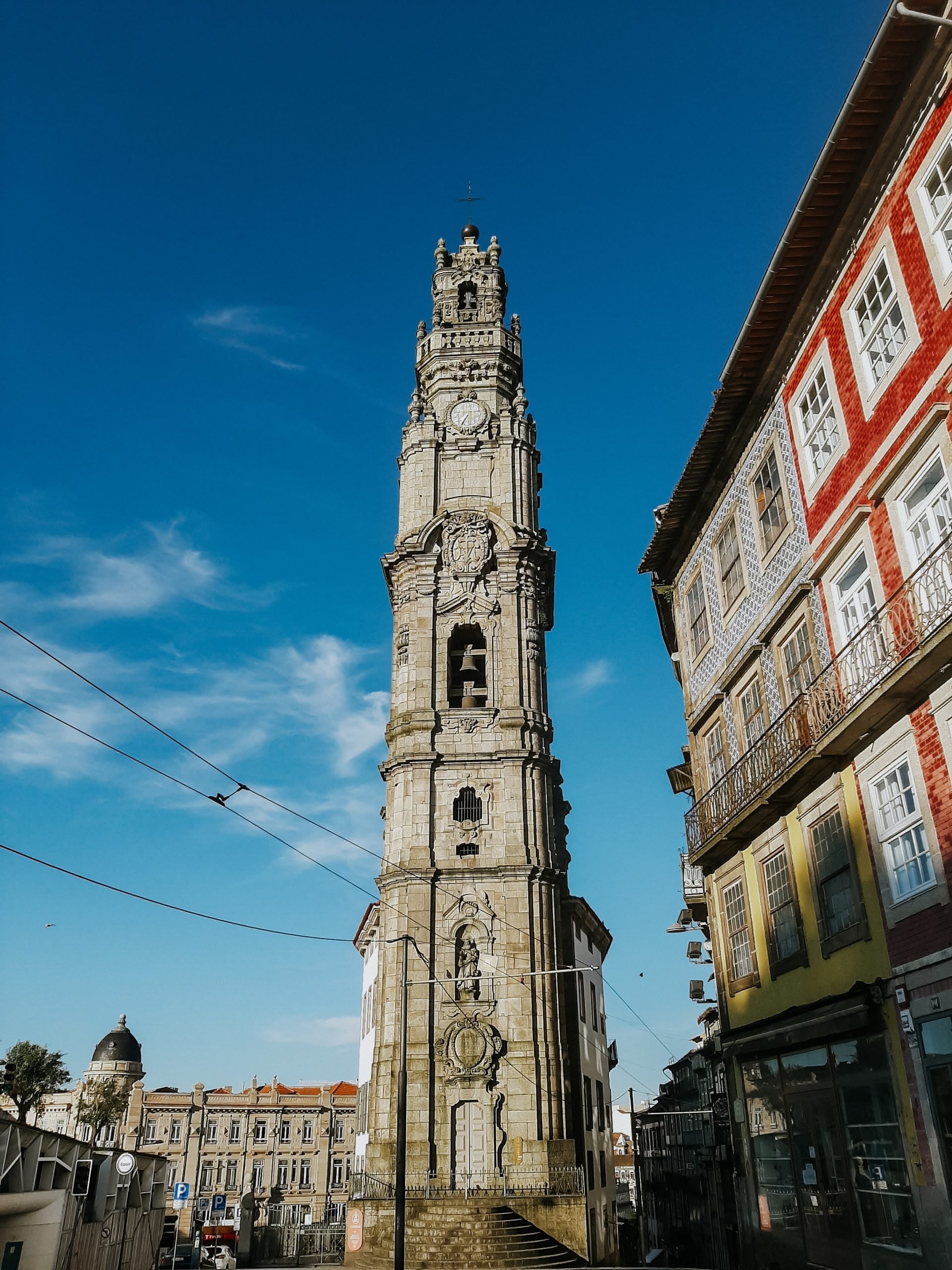
Want to see the city of Porto at 75 meters high? Located in the city center of Porto, the Clérigos Tower, or the Tower of the Clerics was built in 1763 by Italian architect Nicolau Nasoni. You can climb the 225 steps to reach the top of the tower, where you can enjoy a 360 perspective of the city. This is particularly beautiful at night and the tower is open until 11 PM, making it one of the best places to watch the sunset. The tower is built on a Roman Catholic Baroque church that is decorated with motifs, a style of architecture from the seventeenth century. The monument also offers a museum on the history of the building.
You can get a guided tour of the museum, church, and tower for €6.50 during the day. You can also visit the tower at night for €5.
Torre dos Clerigos. Photo By Isabella Mann Machado (Unsplash)
2. Livraria Lello
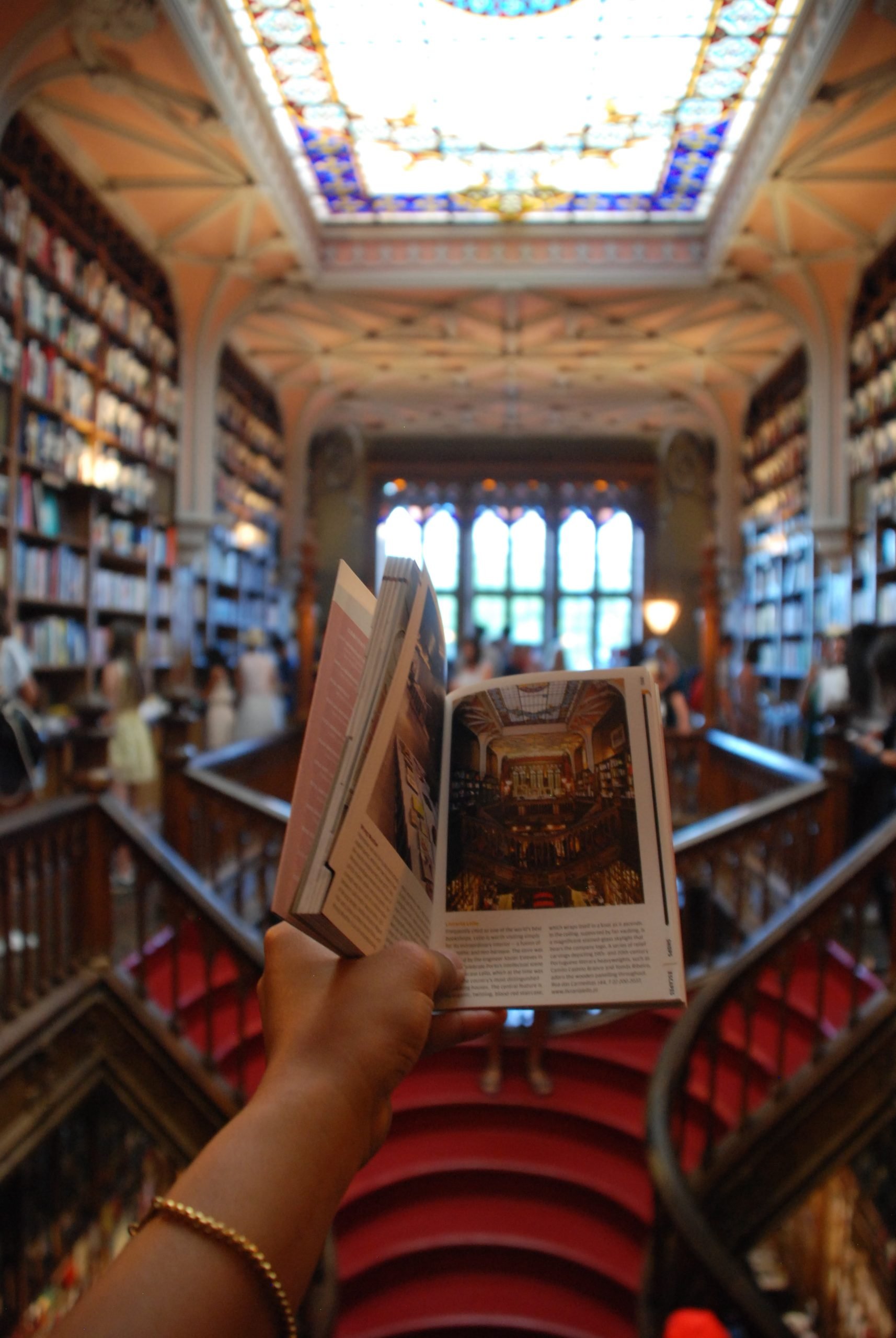
Livraria Lello is located in the city center of Porto and is one of the oldest bookstores in the country. It’s known for being one of the most beautiful bookstores in the world. Founded in 1906, Livraria Lello has been a highlight of cultural life in the city, with many literary figures visiting the place. If you google the place, many argue that JK Rowling, the author of Harry Potter wrote the books at Livraria Lello. Sorry to burst your bubble if you are a Harry Potter fanatic, but this isn’t true – JK Rowling has denied these claims and has never visited Livraria Lello.
Entrance to Livraria Lello used to be free, but they were getting 4,000 visits a day with long lines and less than 5% would buy a book. Now the tickets cost €5. Kids under 3 years old have free entrance.
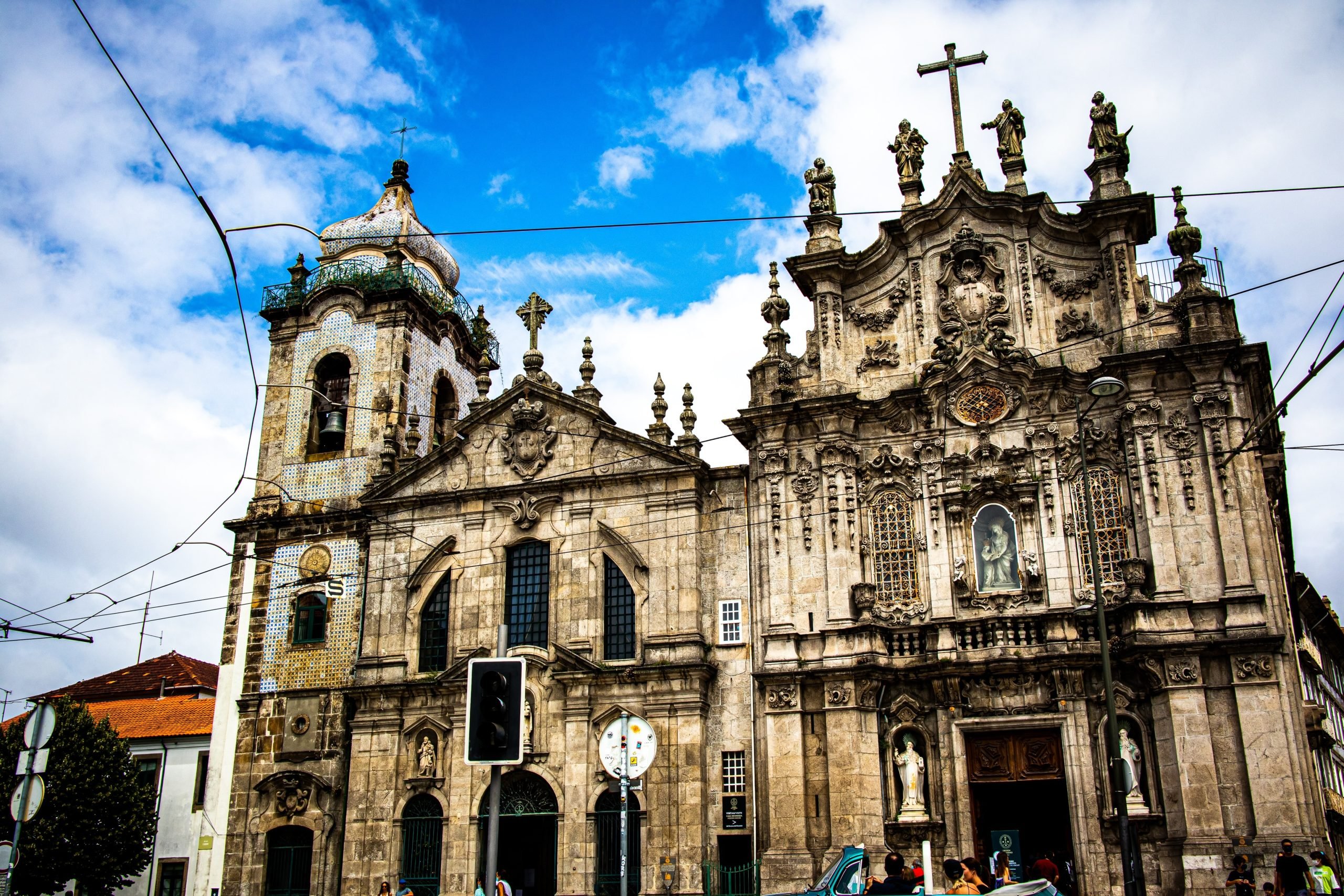
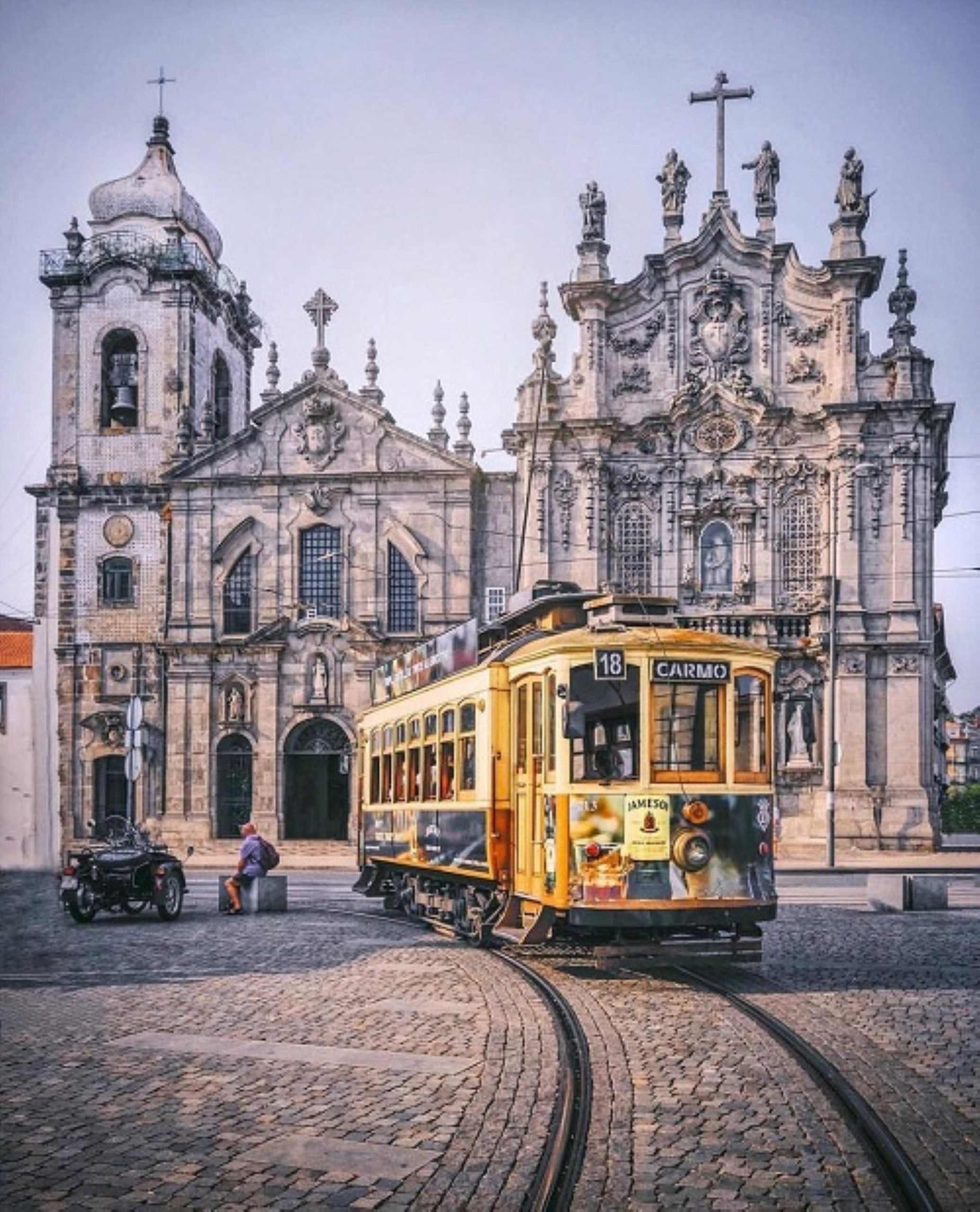
Also known as Igreja do Carmo, this church is a combination of two buildings, one built in the 1600s and one in the 1700s. This monument is therefore one of the oldest in the old town of Porto. The church is built in baroque style, the same as the Clérigos Tower. A part of the church is decorated with Portuguese blue azulejos (tiles) made locally in Vila Nova de Gaia, across the Douro river from Porto. The exterior has two religious statues of the prophets Elijah and Elisha made in Italy.
You can enter the church for free! However, to visit the museum, catacombs, and Casa Escondida there is a fee of €3.50.
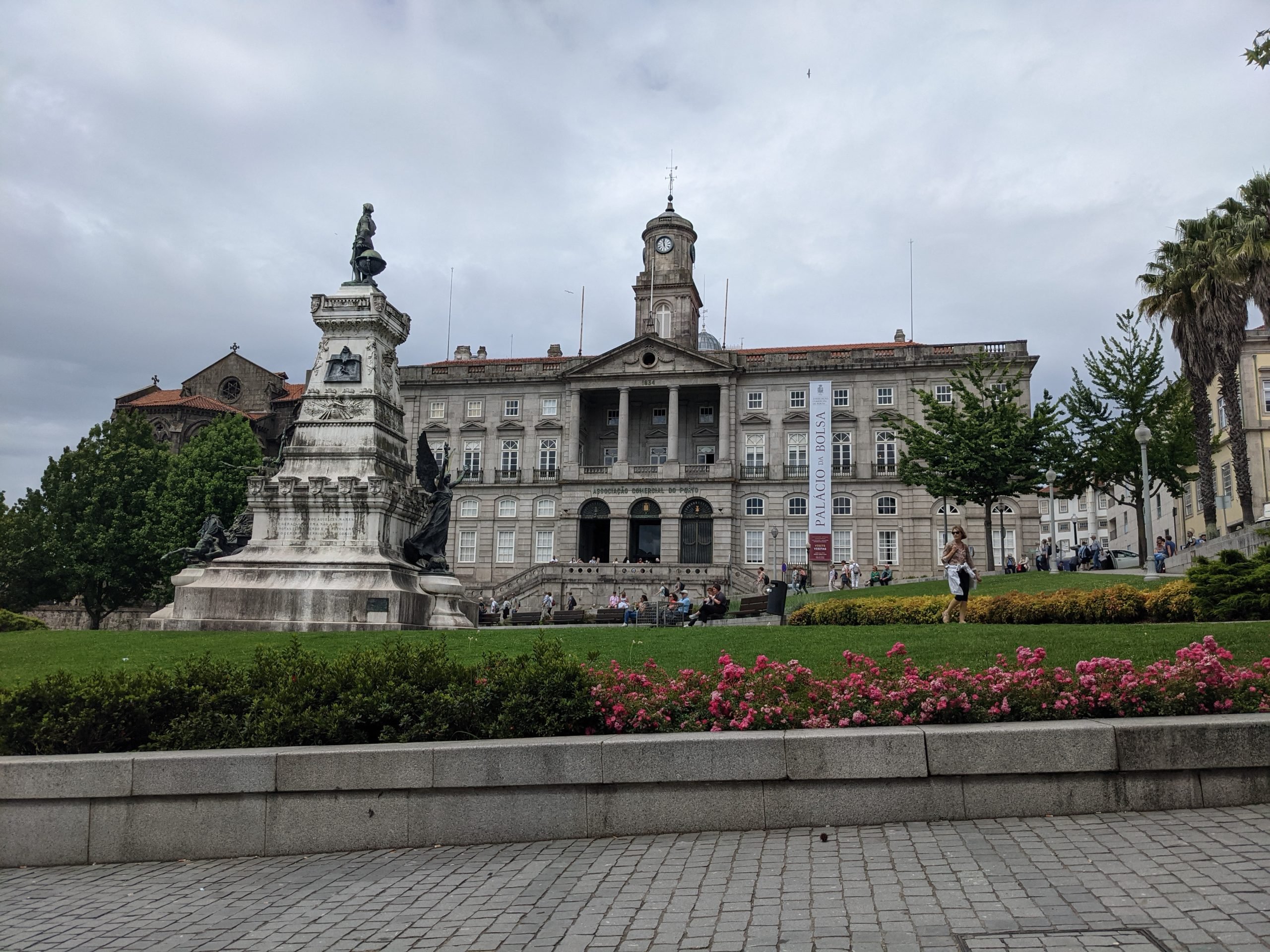
Palacio da Bolsa’s construction began in 1842 by the Porto Commercial Association on the ruins of the Saint Francis Convent. The name Palácio da Bolsa translates into “Stock Exchange Palace”. It no longer functions as a stock exchange but is still the headquarters of the association and is used for important events like the visit of Queen Elizabeth II in 1957. The Stock Exchange Palace was built in neoclassical style and displays furniture by Portuguese architect José Marques da Silva and sculptures by the famous sculptor Teixeira Lopes. The most famous room is the “Arab Room” built between 1862 and 1880 and decorated in the Moorish Revival style. Today, this room is used as a hall for prestigious visitors to Porto like heads of state.
You can visit the palace for €10 or €6.50 for children, students, and seniors. Children under 12 years old can visit the palace for free.
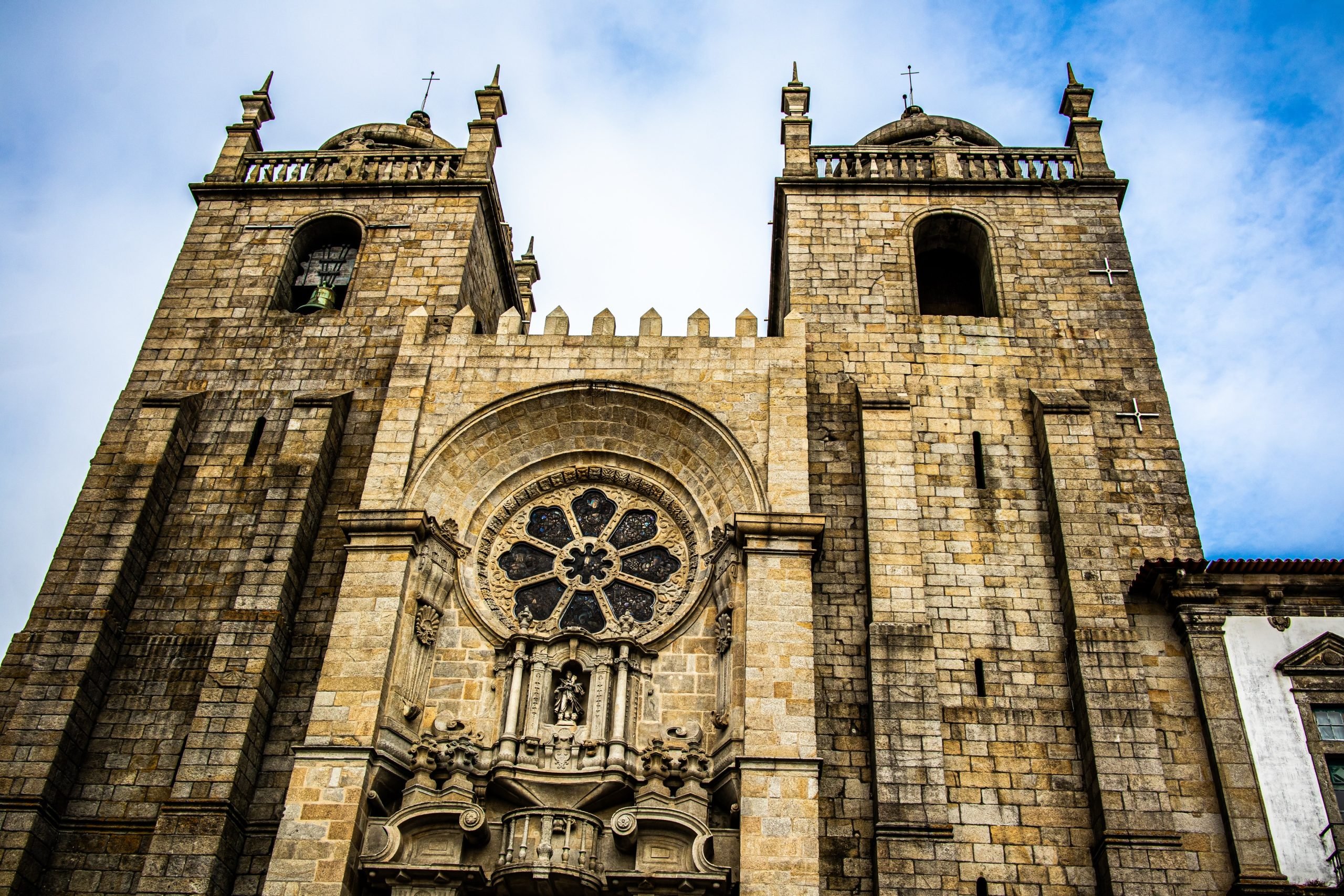
Mostly known as Sé do Porto, this Roman Catholic cathedral is a national monument and the most important religious building in all of Porto. The Porto Cathedral still holds a mass every day at 11 am that you can attend for free. The construction of the cathedral began in the twelfth century and was finally fully built in 1737. It was renovated in many architectural styles throughout the centuries including Gothic and Baroque. Today, it has a beautiful mixture of many styles.
The entrance to the Porto Cathedral is free, but if you want to access the fourteenth-century cloister you pay €3 ticket.
Porto Cathedral. Photo by Wendell Adriel (Unsplash)
6. Majestic Cafe
Established in 1921, this café is known as one of the most beautiful in Europe and is located in the heart of the city center. This café was first called Elite as it was catered to the finest in society and intellectuals. The name was changed to Majestic Cafe, as Elite alluded to the monarchy and that did not sit well with the republican intellectuals that visited the place. The building was declared a “Public Interest Building” in 1983 and won multiple awards including the Municipal Merit Medal – Grade – Gold” (2011). This is a must-see in Porto but the prices are quite high. The café offers many baked delicacies such as “Pastel de Nata”, meals, and an afternoon tea for €25 per person. An expresso costs €5 here, while in other cafés it should not cost you more than €1. But for the experience, it is well worth it.
Porto has a lot to offer, but so do the surrounding areas. If you visit Porto, it would be a waste to not take a day trip. Here are our top 3 favorite day trips from Porto you cannot miss. If you are visiting for at least a week, taking all 3 would make it the perfect trip.
1. Douro Valley
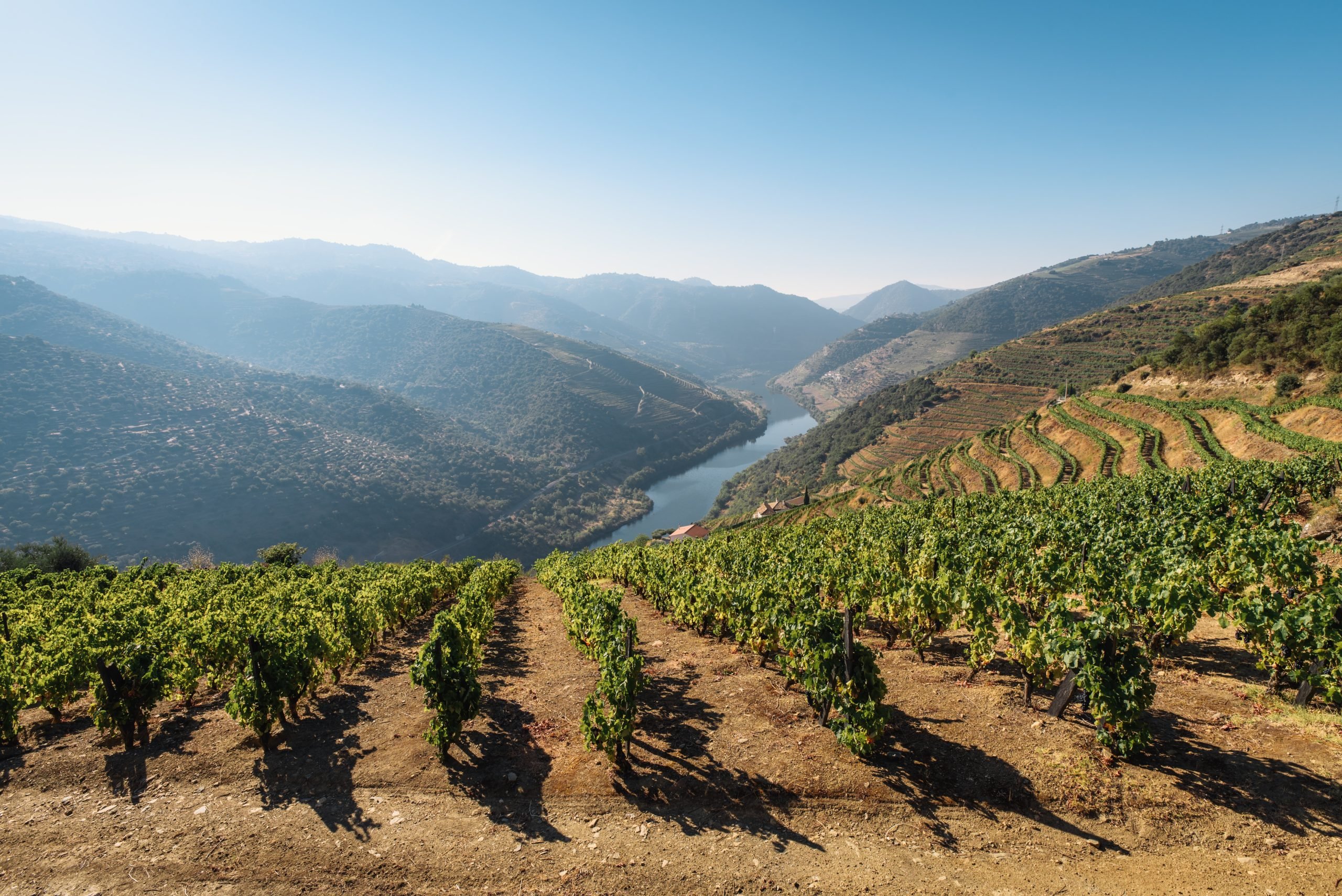
Listed as a UNESCO World Heritage site, the Douro Valley should be on the top of your list for a day trip. The Douro Valley is a cultural landscape of vineyards where Douro wines are grown and produced at traditional wine cellars. Departing from Porto, the Douro river flows in the middle of these green hills with vineyards. Beware, visiting the Douro Valley is quite expensive for Portuguese standards, but a once in a lifetime opportunity.
The best way to visit the Douro Valley is by hiring a private car transfer or renting a car as public transportation is scarce in the area, especially if you want to visit multiple vineyards for wine tastings. Alternatively, you can also book a stunning Douro river cruise that stops at vineyards.
The 3 best vineyards to visit in Douro are the following: Quinta da Roêda (Pinhão), Quinta do Crasto (Sabrosa), and Quinta do Seixo (Valença do Douro).
Quinta da Roêda does not just offer Port wine tastings, but also, visits to the vineyards, picnics, workshops, and more. You can explore the gorgeous vineyard with a travel guide and have a tasting of three wines for only €12 per person. Their packages go up to €44 per person for a larger number and variety of wines. For a luxurious and romantic lunch out with wine, you can reserve their picnic package on the shaded terrace, overlooking the vineyards and Douro river. Prices for this range from €30 to €48 per person depending on the basket selected.
Quinta do Crasto is included in the Top 20 of the World’s Best Vineyards, winning 16th place in 2021. The wine tasting here lasts around 90 minutes where you get to taste 5 of their wines, visit the port wine cellars, and more for €29 per person.
Quinta do Seixo has over 100 hectares and is one of the most traditional wine-producing estates in the region. The vines are over one hundred years old! The Quinta also has very advanced winemaking technology that is perfectly integrated with the landscape. They have a variety of packages for wine-loving visitors. Their cheapest visit is €15 for a 40-minute tour of the winery and tasting of 2 port wines. Their most luxurious option is a 3-hour picnic in the vineyard where you can taste their wines and enjoy Douro cuisine for €40 per person (only available from March to October).
Alternatively, if you want to enjoy the views of the Douro river rather than spending the day vineyard “hopping”, you could travel by bus, train, and boat for the full experience. You can book a day river cruise in the Douro river from Porto and come back by bus or train. This 12-hour day cruise from Porto includes a return ticket so you can travel back to the city through public transportation. It also includes breakfast, lunch, and a wine tasting at the end in Pinhão where you can catch the bus or train back to Porto. The cruise costs €86 per person.
Day trip to Douro Valley. Photo by Maksym Kaharlytskyi (Unsplash)
2. Peneda-Gerês National Park
A one-hour drive from Porto, Gerês is the oldest protected area in the country and the only national park in Portugal. The park covers an area of 695.93 km2 and occasionally gets some snow in the winter. This is the perfect day trip for adventure-seeking travelers! There are many hiking trails and “miradouros” (viewpoints) where you can get wonderful views. There are also many lagoons and rivers where you can take a dip in the summer months, perfect for after a hike. You can also spend the day exploring medieval villages that are uninhabited. Make sure to pack some food and a water bottle as some areas are far away from infrastructures.
How do you get to Gerês from Porto? The best way is to book a car rental to drive the 100 kilometers. Public transportation to Gerês is almost nonexistent. The only way to get there is to get a one-hour train to Braga (€5) and then take a 43m taxi (€30) or a 1h30 bus (€2) to the park. This will take up half of your day, considering that the bus and taxis will also probably be late.
However, you can always book a tour, this is a great option for a whole day. This amazing tour picks you up from your accommodation in Porto (round-trip) and takes you to the best hiking and swimming spots in Gerês. You can also venture off the track as you’ll be in a 4×4 and so can explore secret places! This 10-hour tour also includes local food and wine at a typical restaurant. The tour costs €85 per person.
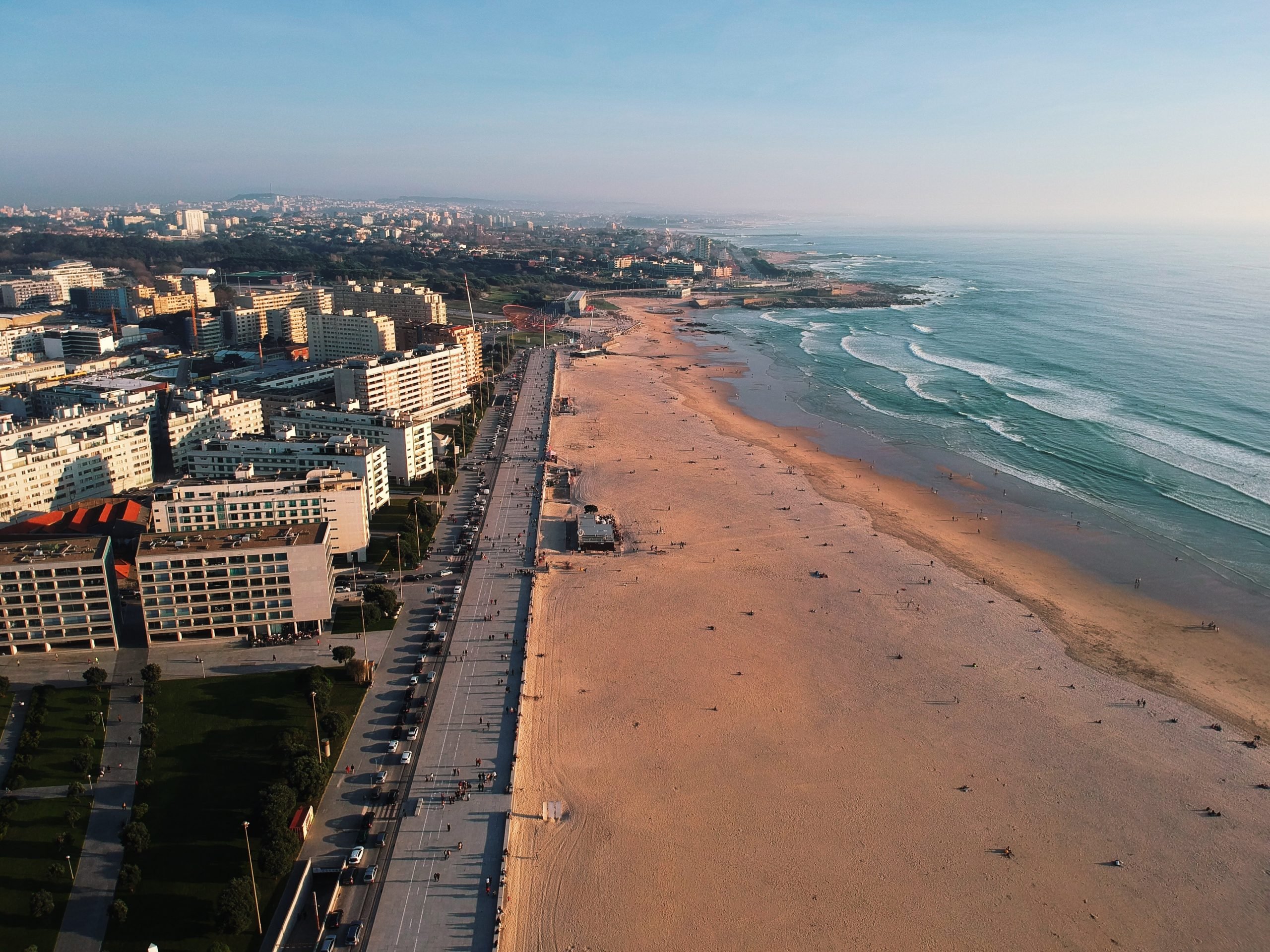
Last but not least, if you are looking for a sunny day at the beach close to Porto, head to Matosinhos. This fishing town is a 20-minute drive or a 40-minute bus ride from Porto. Matosinhos is famous for its beach, Praia de Matosinhos, the largest beach close to Porto. The beach is perfect for a relaxing day away from the city during the summer. The beach has a lot to offer: beach sports like surfing in the wavey Atlantic ocean, lifeguards supervising the area, as well as plenty of cafes and beach bars.
The best time to go is between June and August during the week. Avoid the weekends as Matosinhos beach will be overly crowded during this time.
You can also book a surfing experience here for €40 which is perfect for a family with kids. This surf experience includes a transfer from Porto to Matosinhos. Don’t know how to surf? Don’t worry! The instructions in this experience will teach you.
You can also choose to visit other beaches, like Praia de Leca da Palmeira which also has saltwater swimming pools that are much warmer than the sea.
You can also visit the Castelo do Queijo (Cheese Castle), a fort constructed in the seventeenth century after Portugal gained independence from Spain. The fort has a small museum that costs €0.50 to enter.
The town is also known for its seafood, allowing you to discover the best of Portuguese culture. The morning fish market sells fresh fish every day at the port and you can also taste the finest fish dishes at many restaurants. Some amazing seafood restaurants overlooking the Atlantic ocean in Matosinhos are TITO 2 (around €40 for two people), A Marisqueira de Matosinhos (around €50 for two people), and Marisqueria A Antiga (around €70 for two people).
What are some activities for kids in Porto, Portugal?
Porto has plenty of stuff to do with the kids, catering to locals and tourists alike. A great thing to do in Porto is visiting Sea Life, an experience the whole family will enjoy. Sea Life has over 30 displays and 3,000 sea creatures. This place has an underwater tunnel you can walk through and observe the sea life. Tickets cost €14 and entrance is free for kids under 3. If you want a surreal experience, book the VIP Turtle Feeding where you can go backstage and feed Mariza, the green turtle for €24.
Another thing to do with kids in Porto is to visit the World of Discoveries in the center, an interactive museum and theme park that teaches you about Portuguese navigators. Kids younger than 3 years old have free access, kids from 4 to 12 years old pay €9, and adults pay €15. However, bear in mind that some parents feel like this place glorifies the era of Portuguese “discoveries” and silences the victims of colonialism.
Lastly, if you don’t mind getting away from the city, Zoo Santo Inácio in Vila Nova da Gaia is a 15-minute drive from Porto. They have over 600 animals and 200 species living in the zoo. From a 40-meter glass tunnel where you can see a lion’s habitat to a reptile area with the largest snake in the world, the reticulated python at 11 meters long, this zoo is an incredible experience. Kids under 3 do not pay, while kids under 13 pay €10. Adults pay €15.
What are some free things to do in Porto, Portugal?
Due to its beautiful views and public historical buildings, Porto has a lot for those on a budget. Exploring this magical city comes at zero cost – think of it as a free walking tour!
The riverfront district of Ribeira is the perfect place for a walk as it was declared a UNESCO World Heritage Site. You can take photos of Dom Luis bridge and enjoy a panoramic view of the city. There are pedestrian walking lanes along the bridge so you can actually cross it.
The gardens of the Palacio de Cristal are only a 15-minute walk from the center. The landscaped gardens were designed in the nineteenth century and offer views of the Douro river, as well as walking paths and fountains. Perfect for a picnic!
You should also visit a Casa Da Musica (House of Music), an iconic concert hall in the center of the city, built in 2005. Designed by architect Rem Koolhaas. Although a tour of the inside costs €10, the best part of this place is the exterior. Perfect to take photos!
Casa da Musica. Photo by Andy White (Unsplash)
If you love photography, visit the Centro Português de Fotografia. This museum showcases works from Portuguese and international photographers and has free exhibitions. The building once served as a prison which you will notice by the iron gates and cells inside the museum.
Finally, the São Bento railway station is not just perfect for traveling. This station has an atrium covered in 22,000 azulejos (tiles), created by artist Jorge Colaço. The azulejos feature iconic episodes of Portuguese history. São Bento railway station is often described as one of the most beautiful train stations in the world!
This Porto travel guide would be meaningless without the most important part of Portuguese culture – food. Porto offers an incredible culinary experience at a much more affordable price than Lisbon. From “francesinhas” to seafood and wine, Porto is the perfect place for a foodie. The options are limitless, so we have selected our favorite restaurants for your needs. Porto has meals for everyone’s taste: traditional food, vegan meals, as well as luxury dining for those looking for an experience.
Portuguese food: where to eat traditional Portuguese food in Porto, Portugal?
Porto is home to many restaurants serving Northern cuisine that will make you feel like a local. But first, let’s go through the typical Portuense (and Portuguese) foods you need to try in Porto. These are all definitely must-tries!
“Francesinha”: A trip to Porto needs a francesinha. This meal includes ham, sausage, and steak sandwich with loads of melted cheese and a fried egg on top, and spiced tomato and beer sauce. It’s served with french fries.
“Tripas à moda do Porto”: This is a heavy meat-based dish, with beans, carrots, steak, veal, and pork stomach. People have been eating this in Porto for hundreds of years.
“Sandes de pernil”: a roast pork butt sandwich with “queijo da serra” (a mountain cheese).
“Bacalhau: codfish. There are 365 ways to serve codfish in Portugal, our favorite is “bacalhau à brás”, a dish made from shreds of codfish, onions, chopped potatoes, and scrambled eggs. Usually topped with black olives and parsley.
Caldo verde: a green vegetable soup with Portuguese sausage.
“Alheira”: a Portuguese alheira sausage made from chicken, turkey, duck, or pheasant. Usually eaten with fries and a fried egg.
“Broa de Avintes: a famous bread from Porto that is dark brown.
“Tarde de Amendoa”: an almond tart that is typical of Douro as this region cultivates most of the countries almonds. The tart has almonds, sugar, butter, and milk.
“Sardinhas assadas”: sardines that are usually plated on top of bread and paired with potatoes, peppers, and salad.
Now that you know how to navigate a menu, here are our top 3 places to eat traditional food in Porto.
1. Taberna Santo António, Rua Virtudes
Located in the city center, a classic Porto “tasca” (Portuguese tavern), you’ll be treated like a local here. You can try various traditional Portuguese dishes for a very cheap price. On Sundays, they have “cozido à Portuguesa”, a traditional meat stew with pork, sausages, rice, and vegetables for 7€. They also have “bifanas”, a steak sandwich for under €2. The roast pork is also amazing! You can get a full meal here for under €10.
This place is known for having the best “sandes de pernil” in Porto, a roast pork butt sandwich with mountain cheese. It was initially established in 1987 by the Correia brothers as a snack bar, but since then, they have opened two new spaces. You can try any of these, they are all amazing:
Casa Guedes Tradicional (1987): Praça dos Poveiros 130
Casa Guedes Rooftop (2019): Praça dos Poveiros 76
Casa Guedes Progresso (2020): Rua Actor João Guedes 5
Their “sandes de pernil” only costs €3.90. They also have other sandwiches: Portuguese ham, cured pork, cured black pork, and softer sheep cheese sandwich (all under €4.50). This is also a great place to try the “caldo verde” (green soup) for €1.70 and the iconic “francesinha” with melted cheese. You can have a whole meal here for €6.
One of the best “tascas” in Porto, this family-run restaurant offers traditional dishes that make you feel at home. The owner of this restaurant prides herself on creating dishes that reflect her Portuguese roots, rather than catering to tourists. The restaurant offers authentic dishes that everyone must try like “francesinhas” and “tripas à moda do Porto”.You can get a meal here for under €7.
For the plant-based: where to eat vegan food in Porto, Portugal?
If you are a vegan planning your trip to Porto, look no further. The vegan scene in Porto has been booming recently. A few years ago, there were few options for plant-based food, but now there are hundreds of options for vegans. It has truly become a vegan-friendly city! Here are our top three vegan places in Porto.
1. Arvore do Mundo, Rua do Duque de Lole
Arvore do Mundo is not just a vegan restaurant, but also a gallery where you can check out local art. They have a garden and terrace where you can have a vegan meal and relax, as well as toys and books for kids.
This vegan restaurant has lunch menus for €10 per person and the average cost for dinner is around €12 per person.
Located in Baixa, the interior of the restaurant is modern and clean and you can watch the food being prepared in their open-style kitchen. kind Kitchen has a wide range of dishes including Buddha bowls, burgers, and cakes. They even have the famous beyond burger that tastes like real meat! This vegan restaurant also has a vegan version of the iconic Porto dish “francesinha” with plant-based melted cheese.
The lunch menus are under €10 per person and the average cost for dinner is around €12 per person.
Missing out on the amazing desserts in Porto? Don’t worry, my Green Pastry is a vegan pastry shop that will satisfy your sweet tooth. This place focuses on local and seasonal ingredients and is also plastic-free. My Green Pastry also has savory snacks that are completely plant-based and organic. They also offer a large brunch on Saturdays for €18.
Luxury dining: what are the best Michelin star restaurants in Porto, Portugal?
Looking for a luxurious night out? Prepare to splurge! Porto has 5 Michelin-starred restaurants that will provide you with a once in a lifetime experience. We have chosen our two favorite Michelin star restaurants in Porto.
1. Pedro Lemos, Rua do Padre Luís Cabral
A 20-minute car ride from the center of Porto, Pedro Lemos is a renowned restaurant in a restored stone house. Opened in 2009 by Chef Pedro Lemos, it was the first restaurant in Porto to be awarded a Michelin star. Pedro Lemos is located in Foz, a historical neighborhood in Porto. The restaurant has contemporary decor and a rooftop terrace where you can enjoy a beautiful view. It also has a wine cellar where group dinners can take place. Pedro Lemos has excellent fish dishes that are Portuguese, as well as international cuisine. The foie gras is to die for!
Menus start at €120 per person where you can taste 8 dishes. The menu for wine starts at €65 and these are carefully selected to pair with your meal.
Located close to Museo Romántico, this restaurant is situated in a park in the center of Porto. You get a gorgeous view of the Douro River. Chef Vitor Matos uses seasonal and local ingredients to produce unbelievable dishes. This Michelin 1-star restaurant has Portuguese wines from every region, selected by the sommelier António Lopes. Try the red mullet with cauliflower and sea urchin sauce.
You can choose from a set menu or opt for the à la carte menu where vegetarian options are available. A set menu here will cost you at least €135 and the wine menu €65.
Getting around: How does public transportation work in Porto, Portugal?
Getting around in Porto is fairly easy. You can walk most places, but you also have access to efficient public transportation, including train, tram, and bus routes. Transportation costs are also incredibly affordable, with travel cards available. The best way to get from Porto airport to the city center is by renting a car or booking a 20-minute taxi.
What travel card to buy for public transportation in Porto, Portugal?
You have travel card options to go around Porto: the Porto Card + travel card or the Andante Card.
The Porto card + travel card is perfect if you are going to visit museums. You get free bus and metro transport, free entry to 6 museums (including a contemporary art museum), and 50% off in 14 monuments. You also get a free train ride to the beach. You can buy this card from official tourist offices, some railway stations, and Francisco Sa Carneiro Airport. You cannot purchase it at a metro station. Here are the prices for the Porto Card + travel card:
There are two types of Andante cards, the Andante 24 card, and the Andante Tour card. You can purchase these in Andante shops in metro stations and the airport, as well as tourist offices. The Andante 24 card gives you 24-hour unlimited access to the metro, buses, and some trains. The price of the card depends on the zone you purchase it for. If you are just getting around central Porto, purchase a zone 2 Andante 24 card that costs €4.15. You can also get an Adante Tour card for tourists that allows you to travel to all the zones. An Andante Tour 1 for 24 hours costs €7 and an Andante Tour 3 for 72 hours costs €15.
The metro in Porto, Portugal
The metro is one of the fastest public transportation options, as well as the most sustainable (after walking). 12,000 cars stopped circulating because of the Porto metro.
The metro has 6 lines and 81 stations and goes through the city’s main districts, as well as outskirts. The metro works from 6 am to 1 am. A single ticket costs €1.70. Make sure to watch out for pickpocketers and stay safe!
Photo by Alberto Di Maria (Unsplash)
The tram in Porto, Portugal
Like in Lisbon, the trams are a cultural and historical experience. They are a great way to get to know the city, but they are much slower than other means of public transportation. The locals use to rely on the tram before the bus and metro lines were established, but now this mode of transport is best for tourists and those wanting a unique experience.
A single fare will cost you €3.
Photo by L. Filipe C. Sousa (Unsplash)
The bus in Porto, Portugal
The bus is the cheapest mode of transportation in all of Porto. It can take you places where the metro line does not reach and can take you to Vila Nova de Gaia, as well as Matosinhos for the beach.
Don’t forget to reach out your arm when the bus driver passes by so that they stop to let you get on!
A single fare ticket bought with the driver costs €1.80.
The train in Porto, Portugal
The trains are great for getting out of Porto, to cities nearby. Don’t travel within Porto by train. You can take the train from São Bento Station to Braga (€15), and other cities.
A single fare can cost you between €1.50 and can go up to €30 depending on where you go.
For you’re next trip to Portugal, you must visit Porto. In fact, put it at the top of your list. From incredible food to its World Site Heritage historic center and views along the Douro river, the city has something to offer for everyone. Whether you are a solo traveler or backpacking, Porto is an affordable city to visit that can still make it a trip to remember. This city fits everyone’s budget from cheap options for backpackers to luxurious hotels and Michelin-starred restaurants. Hopefully, this extensive Porto travel guide has taught you everything you need to travel to the Portuguese city. It’s time to find yourself some cheap flights to Porto airport!
Take a look at our ultimate guides to Lisbon, Albufeira, and more with all the information you need for your next trip to Portugal.
Finally, if you’re in need of travel insurance for your trip to Lisbon, we recommend SafetyWing as an option. The minimum coverage time is for five days. Simply choose the length of time that you wish to be covered or pay for a month of coverage for a set price.
The Portuguese Colonial Empire was one of the longest-lived empires in European History. Starting in the beginning of the “Age of Discovery”, with the conquest of Ceuta in 1415, it lasted until 1999, with the transfer of Macau to China.
The Start of the Colonial Empire
The country built a vast empire, having territory all over the world, from South America to Oceania. It started with the exploration of the Portuguese coast and subsequent conquest of cities in the Moroccan coast, with the desire to continue the Reconquista in the North of Africa.
The Portuguese sailors then started to explore the open sea, discovering the Atlantic islands of the Canaries, Madeira, Azores and Cape Verde, using new technology for navigation and cartography. Then, the coast of Africa was explored, where they set trading ports, and in 1488, they finally rounded the Cape of Good Hope, in South Africa. This opened the path to, in 1498, the adventure of Vasco da Gama to reach India by a maritime route, getting access and then dominating the trade of spices from India to Europe.
In 1500, they reached South America and started the colonization of Brazil, which would then become their largest colony and now the Portuguese-speaking country with the largest population.
Slavery
With the empire they created, the Portuguese also created an evil that would linger in this world and to which the consequences we still see today: the Transatlantic Slave Trade.
Moved by the profit motive and the lack of indigenous Americans to do the hard work, the country started a practice called the ‘Triangular Trade’. They would take some products made in Europe and sold them in Africa to buy enslaved people, that they would transport to Brazil to work on plantations and mines, and these products were then sent back to Europe to sell.
In 1526, they did the first transatlantic slave voyage, from the Coast of Africa to Brazil. This set the example for other European powers to do the same on their colonies, soon becoming a generalized thing.
Estimates suggest that about 12 million to 12.8 million Africans were transported in this way to the Americas, in 400 years, with around 2 million losing their lives during the trip and many more being killed after they arrived.
This practice, besides the horrors it created back in those days, had effects that we still see now, almost 500 years later. Slavery started to be seen as a racial division, since most of the slaves were African people. When the years started to pass, justifications started to arise (such as eugenics and even religious ways of justifying it), which was the basis for racism as we know it today.
Even though they abolished slavery in all of the empire in 1869, they maintained the practice of “indigenous contract laborers”, who were in all except name slaves, until the end of the dictatorship.
The Portuguese Colonial Empire was the starter of this all and this is a legacy that no country would want for themselves…
Trade
They continued to explore and look for trade around the world, from Africa, passing through Arabia, and reaching Japan, where they built the city of Nagasaki. Several outposts were made along the way, many of them having developed into colonies, such as Goa, Daman, Diu and East Timor.
This made the Portuguese economy grow a lot, with the overseas commercial network and colonial trade accounting for about 1/5 of the Portuguese national income.
Decline
The Empire started to decline, however, when the Dutch, English, and French got in the colonial and trading game. They started to surround or conquer the scattered Portuguese trading posts and territories, diminishing their power. It is usually said that the Portuguese were great at finding things, but awful at keeping them.
On the Battle of Alcácer-Quibir, in 1578, when Portugal, under King Sebastian, tried to conquer another North African city, they lost their king. The country became a part of a dynastic union with Spain that lasted until 1640, when it finally gained its independence again.
This started the thought known in Portugal as “Sebastianism”, the belief that King Sebastian would one day return, in a foggy day, and bring Portugal back to its former glory. It is still used today to represent the nostalgia the Portuguese people have over they “had” and the belief that today they are “nothing”.
After that, the country never became the great power it once was. It lost several colonies (including its largest one, Brazil) and trade routes, it saw its capital being destroyed by an earthquake in 1755 and it was occupied during the Napoleonic Wars.
From then on, Portugal was a minor power in Europe, having just some colonies in Africa and Asia and never becoming an economic powerhouse.
But it… Survived?
The British Ultimatum, in 1890, when the British threatened Portugal with war over their ambitions regarding the territories between Angola and Mozambique, and the Monarchy ceding to the pressure was one of the biggest reasons for the overthrowing of the King and the creation of the First Republic in 1910.
After this regime went down, the Estado Novo gave a huge importance to the colonies, renaming them to “overseas province”, as a way to soften, but retaining the regime of quasi-slavery of forced indigenous labor while spreading the ideology of “Pluricontinentalism” and “Lusotropicalism”.
These were, first, the belief that Portugal was a transcontinental country, a single unitary nation, not a colonial empire, and second, that the colonization made by the Portuguese was better than the other European nations, since they came from a warmer climate and were themselves a miscegenation of several peoples, which made them more humane, friendly and adaptable to other cultures.
All of this made the regime wage a brutal Colonial War against the colonial peoples who were trying to get their independence.
This lead to the end of Estado Novo and the 25th April Revolution, which has as one of their main points of action to decolonize. This led to a hasty decolonization of Portuguese Africa, making many of the countries enter a civil war and to the 1975 invasion of East Timor by Indonesia, to which the subsequent Portuguese governments were vehemently opposed to.
The rapid decolonization lead to a huge refugee crisis of nearly all of the Portuguese settlers, and many other people from the former colonies, to Portugal. These were known as the “retornados” (the returnees) and they numbered over 500,000 people.
Only Macau remained part of the country (with Goa, Daman and Diu already being taken over by India before the Revolution) due to an agreement with China to slowly transfer the city to their rule, which happened in 1999.
Today, the only “overseas provinces” that remained were the Azores and Madeira, due to their overwhelmingly Portuguese populations, regardless having been some independence groups in the regions during the Revolutionary period. However, the government changed their name to “autonomous regions” and gave them a set of special powers and institutions.
Portugal has had a dark past, with their colonial empire and all the atrocities it gave rise to. Today, the country is trying to move forward, but there is a long road ahead…
How does the Portuguese political system work? It’s pretty different from most other European countries, actually!
The Portuguese system has shifted a lot in the last century, passing from a monarchy, to a bicameral Republic and then to an authoritarian regime, until the Carnation Revolution, when it achieved its current form.
Roughly speaking, it’s a semi-presidential republic, divided in 3 branches: the Legislative, made up by the Parliament; Executive, which is the Government; and Judicial, the Courts. It also has the President of the Republic, serving almost as a mediator, and the Autonomous Regions of Madeira and Azores, which have their own set of powers.
The Idea
The Third Portuguese Republic, created on the 25th April 1974, was based on the idea of destroying the authoritarianism and corporatism that existed in the prior regime and imposing a democracy.
After the revolution, there was a period of instability where different forces fought for the power to draw the new regime, known as PREC. But after the 25th November 1975, the current pluralist and democratic regime was consolidated.
The Branches of Government
The Constitution took inspiration from various other Constitutions, like the previous Portuguese Constitutions, the Eastern Communist countries constitutions(on the economic, social and cultural rights), the 1947 Italian Constitution (on regional autonomy issues), the 1958 French Constitution (regarding the outlines of the figure of the President) and the 1949 German Constitution (as for the fundamental rights).
Taking this in mind, the Constitutional Assembly, following the democratic traditions of other countries, divided the State power in three branches: one to make the laws, one to enforce them, and one to judge them.
This made each of the branches balance out the rest of the others.
The Legislative Branch
Portugal is a constitutional unitarian semi-presidential republic, with a parliamentary emphasis. This means the President has some very important powers, but not all of them, since most of the decisions are made in the Parliament.
The Assembly of the Republic, the name of the Portuguese Parliament, is made up of 230 deputies, elected for 4 years in 22 election circles. Each of these election circles represents the 18 districts of Continental Portugal, the two Autonomous Regions, one circle for the Portuguese citizens living in the rest of Europe and another for the Portuguese citizens living outside of Europe.
The Assembly is responsible for supporting (or overthrowing) the government, approving its programs and the State Budget, and discuss and approve law projects.
The Executive Branch
The Executive Branch is the Government itself. It is headed by the Prime-Minister, which is the Head of Government (but not the Head of State).
The people don’t vote directly for the Prime-Minister, they just vote for the deputies in their electoral circles. So the task of appointing a Prime-Minister is a task that falls on the jurisdiction of the President, who should take in consideration the new distribution of the Parliament.
The President invites someone, usually the leader of the party with the most seats or the party who can make a coalition with others to have its leader approved, since that person has to be approved by the Parliament to officially become the Prime-Minister.
The rest of the Government is then chosen by this person, creating the Ministries and the State Secretariats.
The Government can present law projects to discuss in the Parliament, as well as pass laws by decree in the Council of Ministers. However, these are subordinate to the laws passed in the Legislature.
The Judicial Branch
The Courts are the representatives of Justice in the name of the People. They defend the laws and rights of the citizens by judging the ones accused of breaking any type of law.
They are divided in: The Constitutional Court (that has the authority to interpret the Constitution and oversee its fulfillment), The Supreme Court of Justice and lower judicial courts, The Supreme Administrative Court and lower administrative and tax courts, and the Court of Accounts.
President of the Republic
The President is the Head of State and Head of the Armed Forces, and it’s directly elected by the citizens for a mandate of 5 years. This position assures the national independence and the unity of the State and has the function of overseeing the activity of the Government, nominate (and dismiss) the Prime-Minister and members of Government, dissolve the Parliament, enact or veto its laws or the laws made by decree and also ask the Constitutional Court for an opinion regarding the Constitutionality of a law.
It is, therefore, a position with a lot of power but, at the same time, with not that much power to create or enforce something.
Autonomous Regions
These are the Azores and Madeira, the Portuguese islands. They have political and administrative autonomy and have their own Governmental Bodies, the Regional Legislative Assemblies and the Regional Governments.
The Assemblies are directly elected by the citizens of each Autonomous Region and through a system of proportional representation, for a mandate of 4 years.
The Government has a President of the Regional Government and Regional Secretaries (something like the Ministers), as well as sometimes vice-presidents and sub-secretaries.
As for the President, it’s represented there by the Representative of the Republic, who is nominated by the Head of State and has representative and supervisory functions.
Final Thoughts
So this is how the Portuguese Republic organizes itself politically. From a centuries old monarchy, to an unstable Republic and a dictatorship, the Portuguese have finally found a working, democratic and pluralist regime that can represent their interests better than ever in their history.
Wine has been produced in the Iberian Peninsula for a myriad of centuries, grapevine having been originally cultivated four thousand years ago by the Tartessians. Afterwards, several other peoples, such as the Phoenicians, the Carthaginians, the Greeks and the Romans, contributed to the improvement of wine production in the same region, introducing both new castes and new techniques.
During the 6th and the 7th centuries, the presence of Christian kingdoms in the Iberian Peninsula – namely the Kingdom of the Suebi or the Kingdom of the Visigoths – and the consumption of wine went hand in hand, because of the celebration of religious ceremonies. However, after the Muslim conquest of the Iberian Peninsula in the 8th century, tolerance towards wine production and consumption experienced a gradual decrease.
The High Middle Ages marked the birth of the Kingdom of Portugal, which coincided with an increase in wine production and exportation. Portuguese wines reached Northern Europe and, during the Era dos Descobrimentos (Age of Discovery), they ended up reaching the entire globe. On September 10, 1756, the Douro Wine Region came into being; in the 19th century, a phylloxera epidemic spread across the European continent, profoundly affecting Portuguese wine production; and the 20th century witnessed the delimitation of a handful of other Portuguese wine regions: Madeira, Setúbal, Dão, among others.
There are, in total, fourteen Delimited Wine Regions (Regiões Demarcadas) in Portugal, including one in each archipelago. These are:
These regions include several geographical areas whose products are certified by the European Union as DOP (PDO: Protected Designation of Origin). In turn, products registered as DOP may include not only sparkling wines, white wines, red wines, rosé wines or fortified wines, but also aguardente (literally “burning water”, a high ABV beverage which can be obtained by the distillation of wine or bagasse) and vinegar (white wine vinegar, red wine vinegar, rosé wine vinegar).
Besides, the above-mentioned list includes a couple of UNESCO World Heritage Sites: the Landscape of the Pico Island Vineyard Culture (Azores) and the Alto Douro Wine Region (Douro). In fact, the Douro Wine Region is the oldest delimited wine region in the world, having been established by the Real Companhia Velha (Royal Old Company), which was created by the Marquis of Pombal in the mid-18th century.
Portuguese wine regions are distributed throughout the whole country, and, therefore, the wine grapes cultivated in each region vary greatly according to climate and soil. For instance, while, on the one hand, Trás-os-Montes e Alto Douro and Beira Interior, respectively located in Northern and Center Portugal, are rather mountainous and prone to ice-cold winters; Estremadura and Algarve, on the other hand, are less hilly and more temperate. Still, both red and white wine grape castes are cultivated from North to South, as well as in Madeira and Azores.
When it comes to red wine grapes, a few castes are worth being mentioned: Touriga Nacional, Touriga Franca, Alicante Bouschet and Negra Mole. The first one, Touriga Nacional, is popularly known as the “Queen of Portugal”, being a native caste cultivated from Minho to Algarve. Along with Touriga Franca and among others, it is commonly used in the production of Port Wine, the world-famous fortified wine from the Douro Wine Region. In turn, Alicante Bouschet is widely cultivated in Alentejo, while the Negra Mole caste is native to Algarve.
White wine grapes, on the other hand, include castes such as: Alvarinho, Terrantez/Folgasão, Loureiro and Moscatel. The Alvarinho caste is native to Monção and Melgaço, municipalities located in the Vinhos Verdes Wine Region, and celebrated as Portugal’s finest white wine grape caste. Also, the Loureiro caste is commonly cultivated in the same wine region. In turn, the Torrantez caste, being originally from the Dão Wine Region (where it is known as Folgasão), was later introduced in both Azores and Madeira. In the Madeira archipelago, particularly, it is used in the production of another widely appreciated fortified wine: the Madeira Wine. And, finally, the Moscatel caste, particularly cultivated in the Península de Setúbal (Setúbal Peninsula) Wine Region and used in the production of Setúbal Moscatel, yet another popular Portuguese fortified wine.
As may be inferred, fortified wines (vinhos generosos or fortificados) can be obtained from both red and white wine grapes, and its production involves the following procedure: while the alcoholic fermentation is underway, winemakers add wine aguardente, both interrupting the process and, therefore, leaving more non-fermented sugar available. Because of this, fortified wines present a higher concentration of alcohol and a higher sweetness. Besides Port Wine, Madeira Wine and Setúbal Moscatel Wine, there is yet another famous Portuguese fortified wine: Carcavelos Wine, produced in the Lisbon Wine Region.
Last, but not least, rosé wines deserve an honorable allusion. Contrary to common belief, rosé (literally: slightly pink) wines are not obtained from pink wine grapes, nor are rosé wines the product of a mix between red and white wine grapes. In fact, rosé wines result from the brief maceration of red wine grapes whose alcoholic fermentation process does not come to completion. Red wine grapes are subject to a vinification process common to white wines, therefore acquiring the lightness of the latter while maintaining the fruity aroma so often found in red wines.
There isn’t a single Portuguese wine region in which rosé wine is not produced, although the best and most celebrated Portuguese rosé wine is, undoubtedly, Mateus Rosé. Invented in 1942 in the Vinhos Verdes Wine Region, it has conquered aficionados in the entire planet, bringing the name of Portugal everywhere. Its traditional bottle was inspired by water bottles used by soldiers during the First World War and its production involves the use of red wine grape castes such as Touriga Franca and Baga.
With so much variety and quality available, it’s fairly easy to see why Portuguese wine is among the best in the world!
Having a hard time figuring out where to go in Portugal? Lisbon should be your first visit. A must-see, Lisbon, Portugal is one of the oldest cities in western Europe. The birthplace of Amália Rodrigues, the iconic Fado singer, Lisbon is rich in culture, history, and striking views.
Walking the calçada Portuguesa (or cobblestone streets) in between the buildings, you will be greeted by sweet old women, hanging their clothes up to dry by their windows.
The streets of Bairro Alto, a trendy neighborhood known for its beer-drinking scene and street art are filled with laughter and the smell of grilled sardines. It is truly a comforting and inviting experience. Lisbon makes anyone feel at home. Moreover, Lisbon was born among seven hills like Rome, as the legend goes. The seven hills were São Roque, São Jorge, São Vicente, Santo André, Santa Catarina, Chagas and Sant’Ana, making up important locations in the city today.
To truly understand the importance of Lisbon and what makes it one of the major cities in Europe, we need to go over a bit of its history. We don’t need to go very far back in time to understand its political significance. Not many know this outside of Portugal, but for over 40 years, the Portuguese lived under a fascist dictatorship.
To understand a Portuguese person, one must learn about this period in time. On the 25 of April 1974 the “Carnation Revolution”, a peaceful military coup, overthrew the fascist dictatorship of António Salazar in Lisbon, Portugal.
For many generations in Portuguese families, this day signifies the end of decades of oppression, torture by PIDE (Salazar’s police), and the beginning of the end of Portuguese colonization. It’s a day of freedom, “Liberdade”. This is what Lisbon signifies to many!
Every year on this day, people take to the streets to sing “Grândola, Vila Morena”, the song that triggered the revolution and was played on the radio, letting everyone know that the coup was starting. You will see people handing out free carnations to everyone, the flower that military forces placed at the end of their guns on that day.
Over the following decades, Lisbon was transformed into what we see today, one of the most dynamic European cities. A capital filled with immigration, economic growth, and quality public transportation, Lisbon is now one of the most sought-after European destinations.
Today, the Portuguese capital gets around 4.5 million tourists per year, as well as thousands of remote workers and digital nomads. For every local, there are around 9 tourists. To avoid the tourist traps and experience the capital like a local, this Lisbon travel guide offers essential Lisbon travel tips for your trip to Lisbon.
All year, regardless of the season, Lisbon, Portugal has a variety of activities for tourists to do. From wine tastings to museums and even free activities, we have selected the best things to do in the capital. Whatever your activity of choice, Lisbon has many affordable things to do where you can explore the city like a local. Most Lisbon travel guides will send you to the “tourist traps” and overpriced sightseeing options. Picked out by a local – we offer you the best travel tips in Lisbon that are worth it. Ready to explore Lisbon?
What are some traditional Portuguese things to do in Lisbon, Portugal?
Fado Houses
You cannot visit Lisbon for the first time and not go to a “Casa de Fado”. At these fado houses, you can listen to live music performances of fado classics by Amália Rodrigues and others. “Casas de Fado” are not always cheap. But keep in mind that they are a once in a lifetime experience. You pay for your meal, and entertainment is covered. Usually, meals start at €30. The best place to go to enjoy fado is in the Alfama district, a neighborhood known as the home of fado, as well as for its steep hills. There are many great options including Fado in Chiado, Clube de Fado and Parreirinha de Alfama. You can always also ask the locals where to go.
Portugal is also known for its high-quality wines. You can find wine bars all throughout the city, perfect for an afternoon tasting. Paired with some cheese and “chouriço” – nothing screams Lisbon like some good wine. For a premium experience, Lisbon Winery has 2-hour wine tastings, accompanied by a selection of wine and food such as cheeses, traditional jams, and bread for €85 a person. For a more affordable option, visit the Wines of Portugal Tasting Room in Terreiro do Paço. This is a large modern tasting room with shared tables and wine starting at €1.
What are some famous tourist attractions and monuments in Lisbon, Portugal?
As the second-oldest European capital city, it is no surprise that Lisbon is filled with tourist attractions and monuments. They are easily explored by foot as public transportation is not always necessary. We have selected our top attractions that you cannot miss the next time you visit Lisbon.
Open every day of the week, Castelo de São Jorge is located in Santa Maria Maior and open to visitors. The medieval castle overlooks the historical center of Lisbon. The castle’s construction has an interesting history. First, a small fortress was built by the Visigoths during the fifth century. It was made larger by the Moors in the eleventh century, who invaded the Iberian peninsula. During the reign of Afonso I of Portugal in the twelfth century, it was altered and made into an official Royal Palace. It was then completely restored in 1938 by the dictatorship of Salazar as part of a commemoration of Portuguese patriotism and independence.
A ticket to visit costs between €5 and €10. You can also pay a little extra to skip the line.
2. Santa Justa Lift
Known as “Elevador de Santa Justa” or “Elevador do Carmo”, the Santa Justa Lift is a piece of outstanding architecture is a 45m tall elevator in the city center of Lisbon. The Santa Just Lift was completed in 1902 by Raoul Mesnier du Ponsard, an architecture student of the man who built the Eiffel Tower. The lift is quite similar to the design of the Eiffel Tower. The lift was built as public transportation to connect the lower streets of Baixa to the higher Carmo Square for the locals. Its purpose was functional, but now it has turned into one of the most popular tourist attractions. From the top of the lift, you can enjoy a view of the Baixa Pombalina.
It costs€5.15 (return) to ride the elevator and enjoy the view.
The Palácio da Ajuda was constructed for the royal family after the 1755 earthquake and tsunami that destroyed much of Lisbon. Throughout its construction, there were many architectural issues and political turmoil, including Napoleon’s invasion of the palace in 1807. It was finally ready in the 19th century and became the royal family’s permanent residence during the reign of King Luis I (1861 – 1881). Queen Maria Pia, the King’s wife lived in the castle even after his death, until the republican revolution in 1910 when the royal family went into exile.
Since then, it has been classified as a national monument.
You can visit the palace and enjoy the neoclassicist construction, as well as the actual rooms where the King and Queen slept for only €5.
4. Lisbon Cathedral (or Sé)
Often simply called Sé, this cathedral located in Baixa was built in 1147 and is the oldest church in the present-day capital. It has been altered throughout time, particularly after the 1755 earthquake by Marquês de Pombal. The main chapel was rebuilt in neoclassical and Rococo architectural styles. Also known as the Brave, King Afonso IV, who died in 1357 is buried in the cathedral. The cathedral is free to visit!
5. Jeronimos Monastery
“Mosteiro dos Jerónimos” is a former monastery in Belem constructed in Portuguese Late Gothic Manueline style. A UNESCO World Heritage site, the construction of Jeronimos monastery began in 1501 to celebrate Vasco da Gama’s return from sea. Vasco da Gama was a Portuguese explorer and the first man in Europe to reach India by sea. However, it was only finished in the seventeenth century. Vasco da Gama’s tomb resides inside the monastery. In 1833, the monastery was secularised and was given to a charity called Real Casa Pia de Lisboa. Declared a World Heritage Site in 1983 by UNESCO, this monument is a must-see.
You can visit the church inside for free, but the monastery’s two-story cloister costs €10 to visit or you can pay to skip the line.
Photo by Maria Orlova (Pexels)
Also, make sure to stop by “Pastéis de Belem”, a 2-minute walk away, where the traditional Portuguese custard tart was first invented, known as the “Pastel de Nata”. The recipe from this place is a secret. You´ll have to wait in line, but it is so worth it.
Photo by Nick Fewings (Unsplash)
6. Belem Tower
The 30m Belem Tower was built in the 1500s in Manuelino style, like the Jerónimos monastery. It was also declared a UNESCO World Heritage Site in 1983. The tower was built to defend the city as it is located near the Tagus River. Belem Tower also served as a place for the embarkation of Portuguese explorers and so is often seen as a symbol of Europe’s Age of Discoveries.
You can go up to the roof terrace and enjoy a stunning view of the river and Belem, as well as get a guided tour of the inside of the tower. Children under 12 years do not pay and adults pay €6.
Photo by Tania Mousinhon (Unsplash)
7. Monument of the Discoveries
A 10-minute walk from Belem Tower, you can see the “Padrão dos Descobrimentos” which stands 52m tall. This monument was made in 1939, during the dictatorship, and represented the glorification of Portuguese exploration and colonialism during this period. However, at this time, it was built with perishable materials for the Portuguese World Exhibition. An official one was erected in 1960 to honor the 500-year death of Henry the Navigator. Many have criticized the romanticization of this monument as a symbol of colonialism and have asked to have it taken down.
What makes Lisbon one of the best cities in Portugal is that you are very close to stunning hidden gems that are perfect for a day trip. It would be a waste to not take advantage of its location. We have selected the two best places for a day trip: Sintra and Cascais.
A UNESCO World Heritage site, Sintra is a town known for its forested terrain, astonishing palaces that once belonged to royal families, and the delicious “Travesseiro de Sintra”.
The public transportation to Sintra is quick and affordable, making it the perfect place for a day trip. The train from Oriente station costs €2 and takes you to Sintra in less than 45 minutes. Alternatively, you can rent a car as it is only a 30-minute drive and this can be convenient if you want to discover beaches.
Visit Pena Palace or “Palácio Nacional da Pena”. The exterior of this palace is painted in multiple colors and is in a romanticist style. You can also wander around the castle and see the beautiful green area that surrounds it. You’ll feel like you’re in a fairytale. Tickets cost around €15.
Photo by Julia Solonina (Unsplash)
Then, walk for 10 minutes towards the Castle of the Moors. This medieval castle that sits on a hilltop was built by the Moors in the 8th and 9th centuries. From the castle, you get the loveliest panoramic view of the whole of Sintra.
After that, go to the historical center to find a place for lunch. We suggest Romaria de Baco (under €25 with a glass of wine), a 10-minute walk from the castle.
Hungry for dessert? Grab a “travesseiro”, a Sintra staple at Piriquita., only two minutes walking distance.
If you are not too tired after lunch, take a 10-minute walk from there to “Quinta da Regaleira”.
The “Quinta” was designed in the early 1900s and has overgrown gardens, caves, and buildings with romantic architecture.
If you drove to Sintra from Lisbon and want to also see some white sand beaches, they are a 20-minute drive from the center. Transportation is not great to the beaches, this would take over an hour. Try out the beaches that the locals go to, not the tourists. For example, “Praia da Adraga” and “Praia do Magoito”.
Located on the Portuguese Riviera, Cascais is one of the richest municipalities in the whole of Portugal. Offering a relaxing day trip away from the chaos of the capital, the port city is known as one of the most pleasant places in the country with the best food, hotels, and beaches.
You can take a 40-minute train from Cais do Sodre to Cascais (around €2). You can also drive for 30 minutes, but the train is the best option as you get an incredible view of the coastline.
Firstly, take the train but instead of getting out at the Cascais station, get out around 5 minutes earlier in the Estoril station. This is a great place to start.
Estoril is part of the municipality of Cascais and is known for being an international luxury destination. It is also home to the largest casino in Portugal, but avoid it during the day – pretty depressing.
Instead, walk to the iconic bakery “Garrett”, a few minutes away, for breakfast. Try some baked goods like a “bola de berlim” or a “mil folhas” with an espresso – a “healthy” Portuguese breakfast.
Take a short walk through the casino gardens and then get back on the train. Ride it for 5 more minutes until you reach Cascais station.
A short walk away is “Praia da Rainha”, a secluded beach with a wonderful view, perfect for a family photograph.
Then, walk for a minute toward “Frederico Arouca” street. This is essentially the high street with the major stores, as well as smaller vendors selling Portuguese souvenirs.
From there, walk toward the City Hall of Cascais in “Praça 5 de Outubro”. This beautiful building with traditional Portuguese architecture stands in the middle of the commerce square, featuring authentic cobblestone streets. The city hall square overlooks a small beach called “Praia da Baía de Cascais” and a fishermen’s wharf. Fun fact: the President of Portugal, Marcelo Rebelo de Sousa lives near here and is often spotted at this beach tanning.
After this, go up through “Avenida D. Carlos I” toward the Citadel of Cascais. These are a set of fortifications built between the 15th fifteenth and seventeenth century to defend the Cascais coastline and protect Lisbon, Portugal.
Ready for lunch? Cascais has many options. For vegetarians, House of Wonders is great and under €15. If you want to try the traditional Portuguese meat dish called “bitoque”, “Solar do Bitoque” near the city hall is a classic at around €10 per meal. Another great option is to walk to Yellow Street or “Rua Amarela” at Rua Afonso Sanches. This quaint street has been painted yellow and features a range of restaurants with outdoor terraces. Our favorite here is “Taberna Clandestina”, a restaurant that offers a Portuguese twist on tapas. A meal will cost you between €15 and €20 here.
After lunch, ice cream at “Santini” is a must – even if it’s winter. “Santini” is the most famous ice cream shop in Portugal and is over 70 years old. They are known for using the freshest ingredients. Tip for the vegans: all their fruit-flavored ice cream is plant-based and dairy-free.
If you’re still energized and the weather is good, exploring Guincho beach is next. A 10-minute ride from the center of Cascais, Guincho is the of the best beaches in Portugal. Not only is it perfect for swimming and tanning in the summer, but it is also beautiful to walk through in the colder months. Have a drink at “Bar do Guincho”, at the end of the day, a bar on the beach that has been around since the 80s.
Traveling with kids can be stressful. But don’t worry, Lisbon is a very child-friendly capital and your trip to Lisbon can be stress-free if you plan accordingly. There are many activities for kids in Lisbon, the kind that parents can also enjoy. One of the top favorites is the“Hippo” tour, an amphibious sightseeing guided tour of Lisbon (around 30€ per person). The tour bus covers top attractions and then transforms into a boat and sails the Tagus River.
The Oceanário de Lisboa in Parque das Nações, the city ‘s aquarium, is one of the largest in Europe. With over 8,000 sea creatures and incredibly cute otters, this is the perfect activity for the whole family. Kids under 3 years old get in for free and for kids up to 12 years old tickets cost €10.
Another great option is the Lisbon Zoo in Quinta das Laranjeiras, Sete Rios. Inaugurated in 1884, this zoo has a variety of different species from the animal kingdom. From snakes and tigers to dolphins, there’s an animal for every kid. Kids up to 2 years old do not pay and kids up to 12 pay €14,50.
Lisbon on a Budget: What are some free things to do in Lisbon, Portugal?
It’s true, at least in Lisbon: the very best things in life are free. As one of the greenest capitals in Europe, Lisbon has a lot to offer such as large parks and street art that will blow your mind.
A great thing to do in Lisbon for free is to discover the wide variety of parks and green spaces. Bring some wine with you and have a picnic at some of the most beautiful parks, many integrated within the center of the city. Some great options are Jardim da Estrela, Parque Eduardo VII, and the Gulbenkian Gardens, a popular botanical garden.
Photo by JR Harris (Unsplash)
Lisbon is known for its “miradouros”, city lookout points where you get incredible panoramic views of the capital and discover the main sights for free. Known as observation decks in English, the “miradouros” are always filled with people drinking beer and playing music. They are the perfect spot to take photographs and watch the sunset (or an early morning sunrise after a night out) and engage in some old-fashioned people watching. The best lookout spots are Miradouro de Santa Luzia in the Alfama district, Miradouro da Graça, and Miradouro de Santa Catarina. Oftentimes these places will have a small kiosk selling drinks and coffee, but you are free to purchase your own in a supermarket to enjoy.
Lisbon’s nightlife is one of the best in all of Europe. From bars filling the cobblestone streets and surrounded by street art to larger clubs, the city has a lot to offer. Best avoid the touristy places and experience the best bars and clubs like a local.
In Lisbon, and all of Portugal really, you don’t just go out to a club. You start off at a bar until around at least 1 am and then you head out to your favorite club for some dancing. If you decide to go to the club earlier, chances are it will be mostly empty. Clubs usually close at 7 am. Also, be prepared to smell like an ashtray the morning after. Although smoking cigarettes inside indoor public spaces is forbidden, this is not enforced.
Be aware that Lisbon clubs can oftentimes overcharge tourists. If the bouncer says that you need to spend a minimum of over €100, don´t go in as they are trying to rip you off. Entrance fees to clubs in Lisbon never go over €15. Lisbon clubs also have a huge problem with racism, as they often deny entrance to people of color, such as allegedly Urban Beach.
If you’re overwhelmed by the endless nightlife options, we have selected our favorite bars and clubs to go partying in Lisbon.
Located in Bairro alto, Park bar is one of the trendiest rooftop bars in Lisbon. Everyone knows it. Prepare to be confused when you arrive at the address. You’ll only see a huge parking garage filled with cars and street art. Take the elevator in the parking garage and take it to the top floor. You’ll be surprised to see one of the best views of Lisbon and a terrace filled with greenery and wooden tables, as well as live music. Expect crowds, but the wait for a drink is worth it.
2. Pensão Amor, Cais do Sodre
This unique bar located in the city’s old red-light district known as Pink Street was once a brothel house. The name of the bar translates to “Love Inn” and is decorated with burlesque and peep show memorabilia. There are mirrors and paintings of naked people covering the inside of the dim-lit bar, as well as in the bathrooms.
3. O Palheta, Cais do Sodre
Under three years old, this bar in Cais is always filled with young people having a drink before going out clubbing. Located close to Pink Street, you can expect good music, cool vinyl records, and cheap drinks. The inside of the bar is quite small, as well as cozy and well decorated. Most people stand outside the bar anyway, socializing and having a drink: the “Lisboeta” way.
Photo by Dario Gomes (Unsplash)
If you’re looking to bar hop, just head on to the main streets of Bairro alto and you´ll see hundreds of people drinking outside cheap bars. If you stick to beer, any of these are good options.
Clubbing in Lisbon: What are the best clubs in Lisbon, Portugal?
1. Lux Fragil, Santa Apolónia
The best club in Lisbon is Lux Fragil, which opened in 1991. This is also the most exclusive club in Lisbon and is renowned all over Europe. The club has a view of the Tagus river and the rooftop terrace is open in the summer. Major DJs from all over Europe play in Lux every week and the club mostly plays techno, especially downstairs.
The best time to go to Lux is between 2 and 5 am when the doors close. It’s usually open until 8 am.
The dress code for Lux is not formal so no need to wear heels and a dress – you’ll be the only one. However, you should try to dress nice, even if you´re wearing sneakers. Men wearing shorts will probably not be allowed in. Even then, you might still be denied entrance at the door.
2. Lust in Rio, Santos
Lust in Rio is known for its “Swag On” night every Wednesday where hip-hop is played. In the summer, this club is completely outdoors and overlooks the river. The club offers a VIP section that often is filled with football players and celebrities. You can get a private table with bottle service for around €250 for 8-10 people, as well as order some shisha. Lust in Rio is open until 5 am.
3. Trumps, Principe Real
Trumps is the most iconic gay club in all of Lisbon, located in Principe Real. Open since the 1980s, it is a part of Lisbon’s LGBT history. The club is mostly full on Saturday nights and plays house and dance music, as well as pop. They also have drag queen nights. The club is also very popular with straight women. The club also hosts contemporary art exhibitions showcasing queer art during the day.
Lisbon is culinary heaven. Lisbon’s cuisine is renowned all over Europe. You can get a meal that fits your budget everywhere in the city, as restaurants are more affordable than in other European capitals. From traditional food like seafood and steak to vegan and Michelin star restaurants, Lisbon is perfect for everyone’s taste. The options are endless. To help you, we have chosen some of our favorite restaurants for your trip to Lisbon. We also recommend booking a food tour or tasting if you are looking for a unique experience.
Portuguese Food: Places to eat traditional food in Lisbon, Portugal?
Before we get into listing our favorites, keep the following list of dishes and desserts to try with you when you visit Portuguese restaurants. You can call it your “comida tuga” (Portuguese food) bucket list:
“Bifana” (pork sandwich)
“Sardinhas” (grilled sardines)
“Frango de churrasco piri-piri” (piri-piri chicken)
“Bacalhau” (codfish)
“Polvo à la lagareiro” (octopus)
“Bitoque” (thin steak)
“Secretos de porco preto” (Iberico pig)
“Caldo verde” (green soup)
“Cozido à portuguesa) (meat stew)
“Pastel de nata” (custard tart)
“Baba de camelo” (camel drool or condensed milk mousse)
“Arroz doce” (rice pudding)
“Bolo de bolacha” (portuguese biscuit cake)
Now that you know what to order, here are our 3 favorite traditional Portuguese restaurants in Lisbon.
1. Zé dos Cornos, Rossio
It doesn’t get more authentic than the “tasca” (Portuguese tavern) Zé dos Cornos. So authentic that they only take cash. For a Portuguese person, this place is like arriving at your Avó’s (grandma´s) house for dinner. Everything off the menu hits the spot, but try their codfish with potatoes or their rabbit. You can have a large full meal here with wine for under €15.
2. 1 de Maio, Bairro Alto
Also an authentic “tasca”, 1 de Maio. This hidden restaurant offers delicious fresh seafood that you can see from the window and a variety of meats like lamb. This is a great place to try a “bitoque”, a traditional Portuguese steak with fries, rice, and salad. The seabass is also amazing. They offer lunch menus with bread and olives, the main course, glass of wine, dessert, and coffee all for €9.
3. Alfaia, Bairro Alto
Open since 1880, Alfaia is one of Lisbon’s oldest restaurants. It serves traditional local cuisine the old-fashioned way. Try the “cozido à Portuguesa”, a classic Portuguese stew with beef, pork, blood sausage, and vegetables, or their “pataniscas” (codfish cake). They also have a unique wine cellar with an irresistible wide selection of wines.
This place is not considered a “tasca”, it is a bit fancier than that. However, it’s still quite affordable at around €15-€20 for a meal with wine.
Lisbon Vegan Food: Places to eat vegan food in Lisbon, Portugal?
In recent years, Lisbon has seen a boom in new vegan restaurants. If you’re plant-based, don’t worry, the capital is pretty vegan-friendly (if you avoid “tascas”). Here are our three favorite vegan restaurants in Lisbon.
1. Ao 26 Vegan Food Project, Chiado
Ao 26 is the best vegan restaurant in Lisbon or even all of Portugal, located in downtown Lisbon. If you are vegan and upset that you won’t be trying traditional food, this restaurant will save you. Ao 26, founded by Catarina Gonçalves offers traditional Portuguese food that is 100% plant-based. The food here still offers an authentic taste. This restaurant has accomplished what many thought impossible for Portuguese cuisine. Try their selection of Portuguese starters that include octopus, codfish, and cheeses. For the main, their mustard sauce steak is delicious (all plant-based). You can also ask for the “chef’s suggestion”, a new plate that they make every day. People spend on average €40 for two people here.
2. Vegan Junkies, Pena
Known for having Lisbon’s best vegan burgers, this place is trendy and affordable. Their motto: “enjoy the taste of junk food without any cruelty”. They also serve barbecue wings, nachos, and all kinds of greasy stuff. Try the mac and cheese, as well as the “Notorious Big Poppa” burger. You won’t spend more than €25 for two people here. The owners also own the amazing “Plant Base”, a vegan pizza place that opened in 2021.
3. The Green Affair, Saldanha or Chiado
This vegan place is fancy – perfect for a date. Open since 2018, the Green Affair serves Portuguese and international dishes. We recommend the boneless “lagareiro”, their plant-based take on the traditional octopus dish. The restaurant offers lunch menus for less than €11 including a starter, main, and drink. For dinner, you’ll pay around €30 for two people.
Luxury Dining in Lisbon: What are the best Michelin star restaurants in Lisbon, Portugal?
People usually associate fine dining with Paris and London, but Lisbon has a thriving food scene with incredible chefs. If you are looking to have a once in a lifetime experience, Lisbon has nine Michelin-star restaurants. We have chosen our two favorite Michelin star restaurants if you are willing to splurge and easily spend a few hundred euros.
1. Belcanto, Chiado
José Avillez´s restaurant, Belcanto, is known worldwide for its outstanding dishes. The restaurant has two Michelin stars and is considered the best restaurant in Lisbon, as well as number 42 on the list of the world’s 50 best restaurants. You can select one of the tasting menus or choose your favorites off the menu. For the full experience the “menu evolução” offers you innovative dishes that explore different tastes, textures, and sensations for €195 per person.
2. Alma, Chiado
Henrique Sá Pessoa´s, Alma also has two Michelin stars. The menu includes Portuguese dishes with influences from his worldwide travels. Alma offers a refined taste, perfect technique, and an excellent final product. Once again, you can opt for à la carte or get the full experience through a tasting menu. The menus start at €145 per person and do not include drinks. The wine tasting menu costs €80 per person.
Getting around Lisbon: How does transportation work in Lisbon, Portugal?
You have arrived at Lisbon airport, and now what? Luckily, public transport in Lisbon is cheap and accessible. The best way to discover the city is by far by foot, but you can access a wide range of public transport services such as trams, metros, buses, and trains.
You can purchase a 24-hour unlimited public transport ticket for metros, buses, and trams for €6.40. This ticket is charged to a reusable “Viva Viagem” card which you can purchase at metro stations for €0.50. The 24-hour travel ticket is perfect for tourists as it includes main sightseeing points such as Elevador da Glória and the Santa Justa Lift.
The train is great for day trips if you want to visit Cascais or Sintra (under €2). The train stations Oriente and Cais do Sodre are best for this. The €6.40 24-hour ticket does not include train rides. For this, you need to buy a more expensive 24-hour ticket of €10.55 that includes the train lines in Lisbon, Sintra, Cascais, Azambuja, and Sado. In station Oriente, you can also get a train to further away cities like Porto, for a weekend trip.
The metro (€1.50 single fare) is the fastest way to travel around Lisbon and many of the stations are decorated with traditional Portuguese “azulejo”. There are four metro lines and 55 metro stations. The metro is open from 6:30 am to 1:00 am. During rush hour, it can get quite busy so beware of pickpocketing and stay safe.
The trams (€1.50 single fare) are a perfect way to see the city and they can access areas of the city where there are no metros. While there are newer modern trams, there are still many iconic yellow metros in the center of the city which provide a great experience. The number 28 tram is a tourist favorite as it covers the popular districts of Graça, Alfama, Baixa, and Estrela. A lot nicer than taking a tourist bus!
Photo by Julian Dik (Unsplash)
You can also take the bus (€1.50 single fare), if necessary. The bus covers 172 routes and runs from 5 am to 1 am. Don’t forget, in Portugal, you wave for the bus so it doesn’t drive past you. Buy and top-up your “Viva Viagem” card beforehand as it is more expensive to buy it with a driver. Taking the bus is good if you need to, but by far the best modes of transportation are the metro and tram.
You can also buy a 24, 48, or 72-hour Lisboa Card for exploring Lisbon which offers unlimited free public transport, access to many museums and gives discounts on some other tourist attractions, walking tours, entertainment, food, and shopping.
Lisbon Guide: Final Thoughts
From the astonishing views to the nightlife, street art, and food, Lisbon has made a mark as a top capital to travel to in Europe. It is no surprise that around 4.5 million tourists travel to Lisbon each year. The capital has something for everyone’s taste: from activities to do with kids, to historical monuments and clubs to dance the night away. Hopefully, this extensive Lisbon travel guide has taught you everything you need to know if you are visiting Lisbon. From day trips to exploring central Lisbon, you are ready for your next trip to Lisbon. Pack your bags and safe travels, you will be at Lisbon Portela Airport in no time! Take a look at our ultimate city guides to Porto, Albufeira, and more.
Finally, if you’re in need of travel insurance for your trip to Lisbon, we recommend SafetyWing as an option. The minimum coverage time is for five days. Simply choose the length of time that you wish to be covered or pay for a month of coverage for a set price.

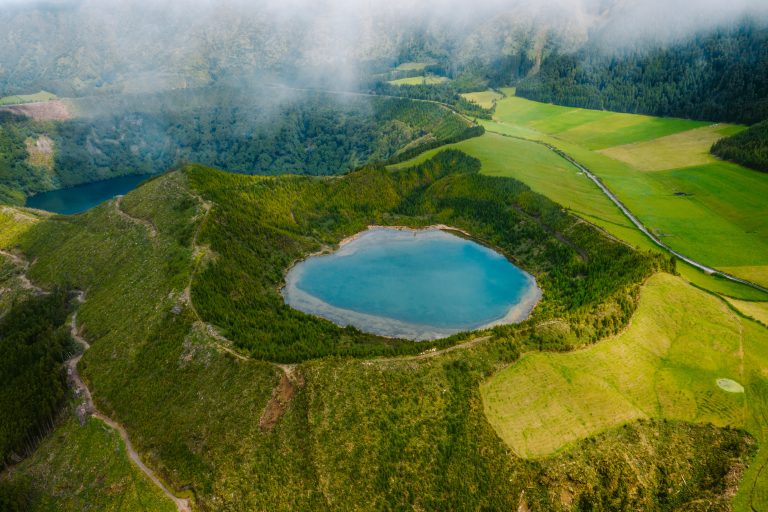
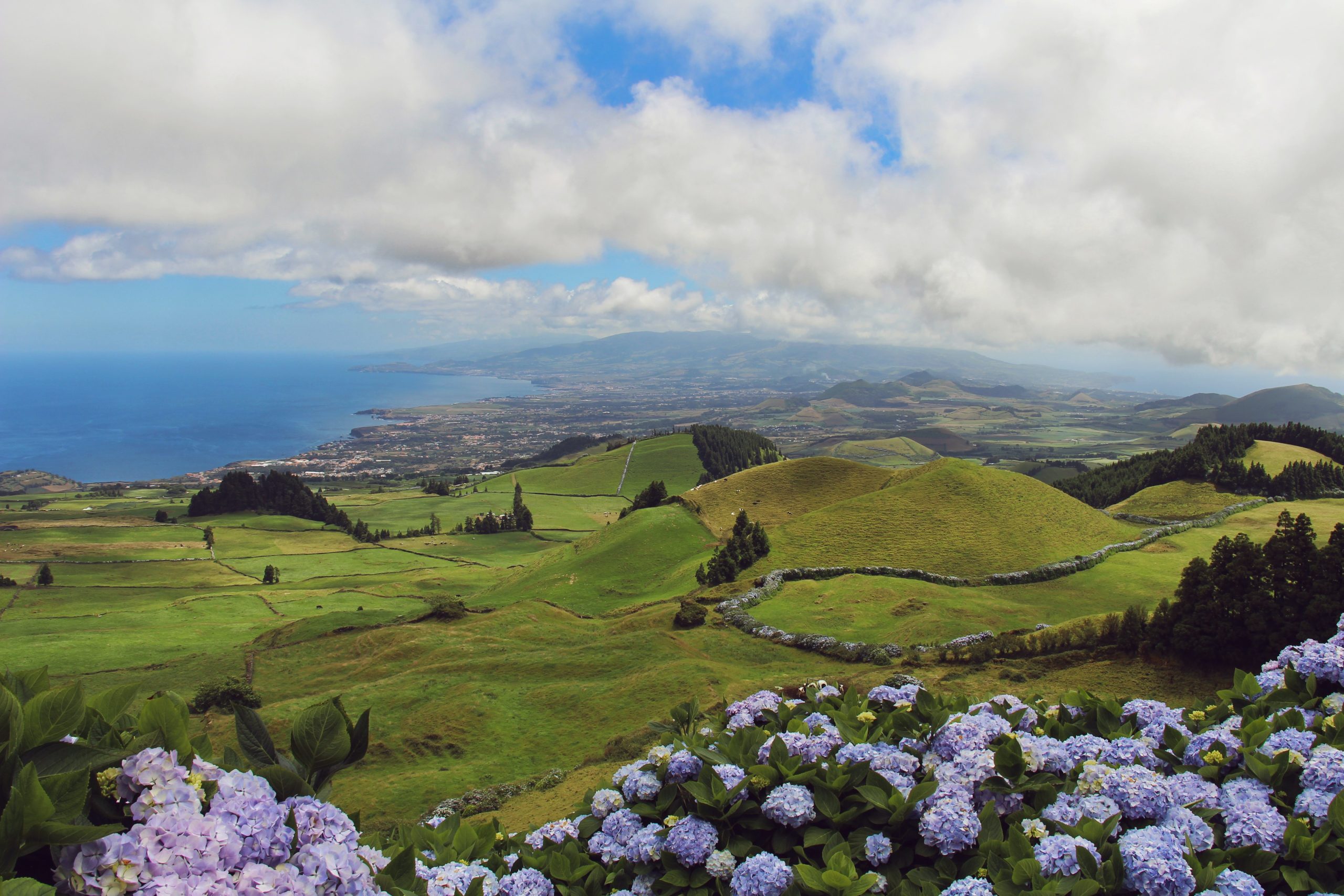

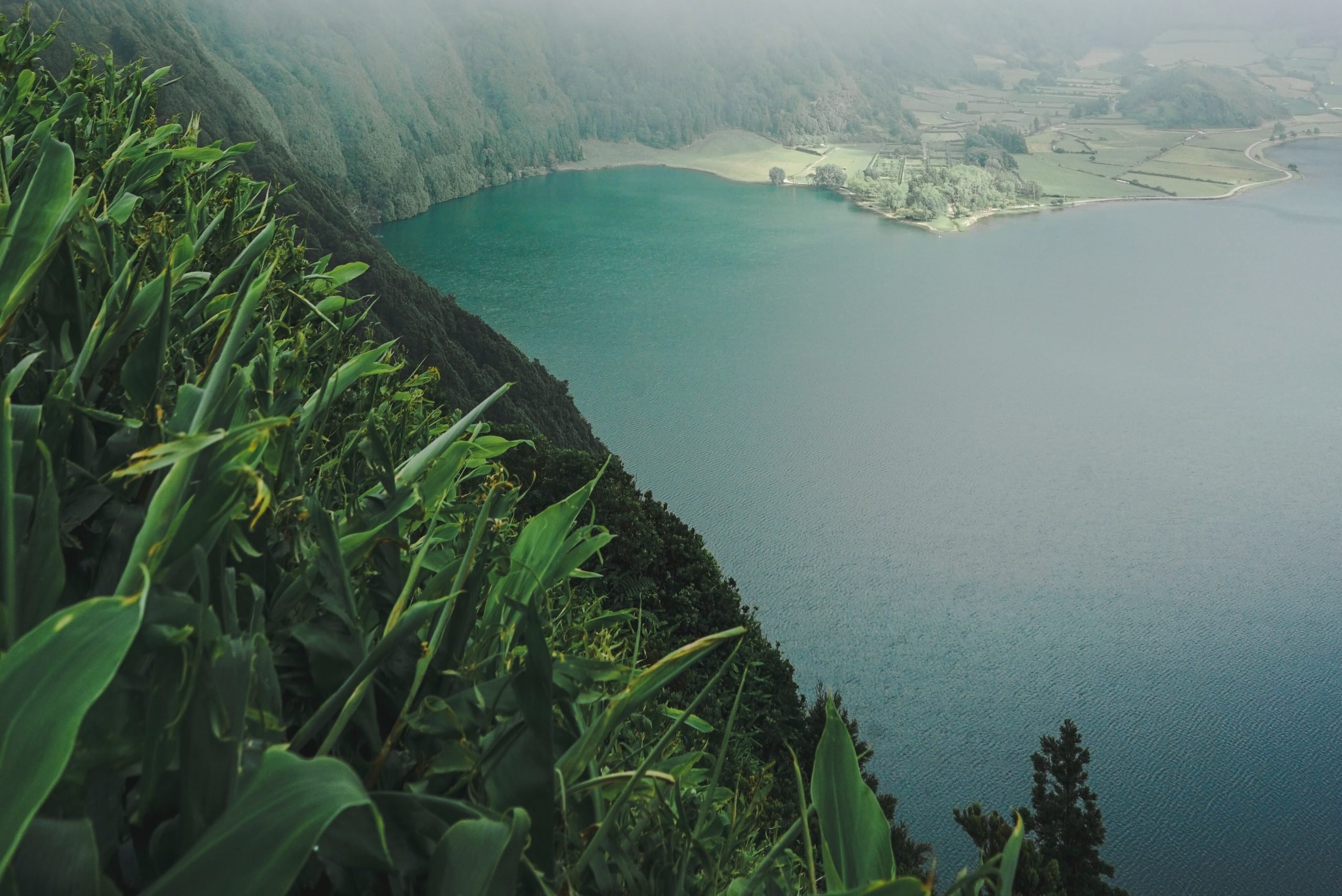
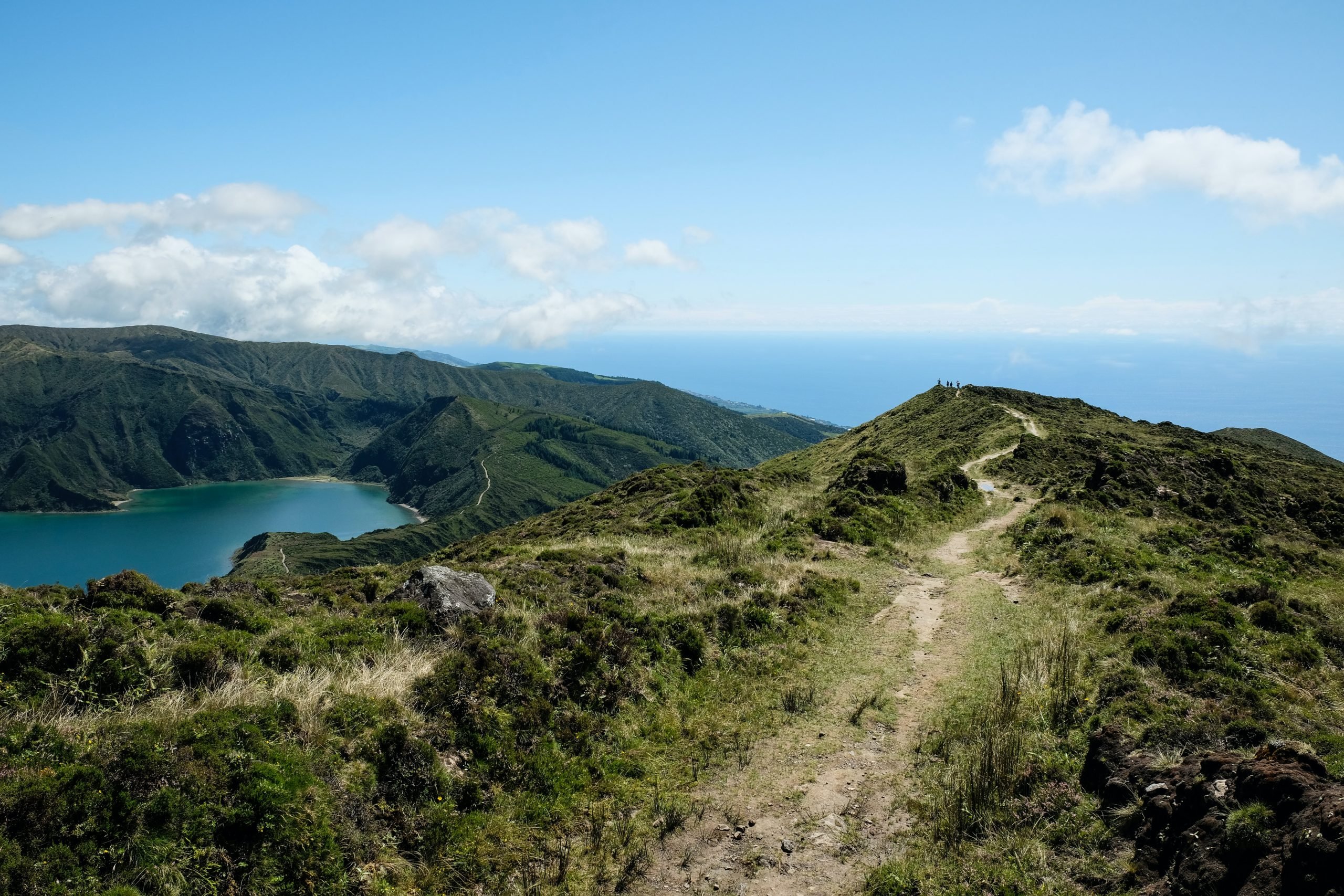
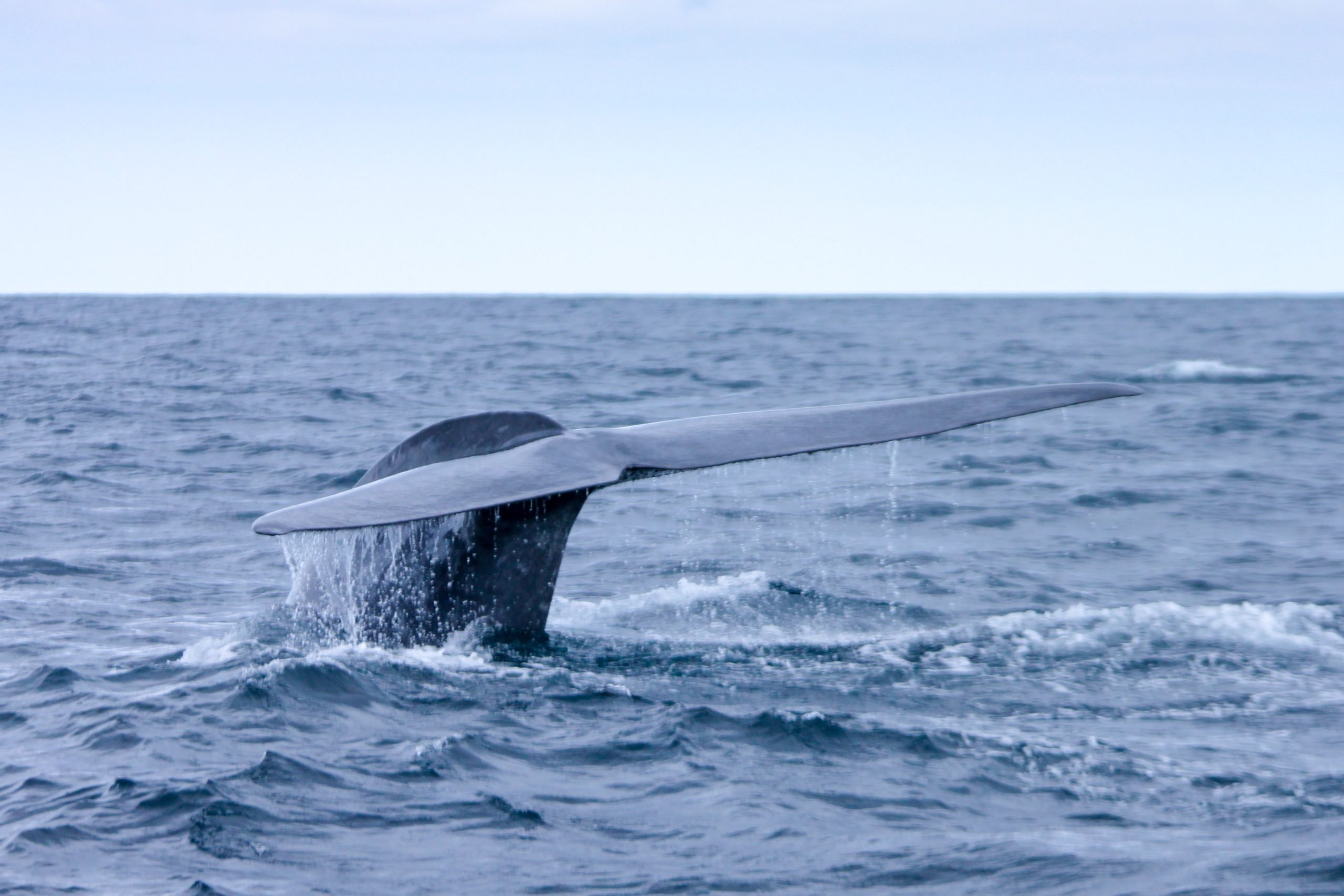
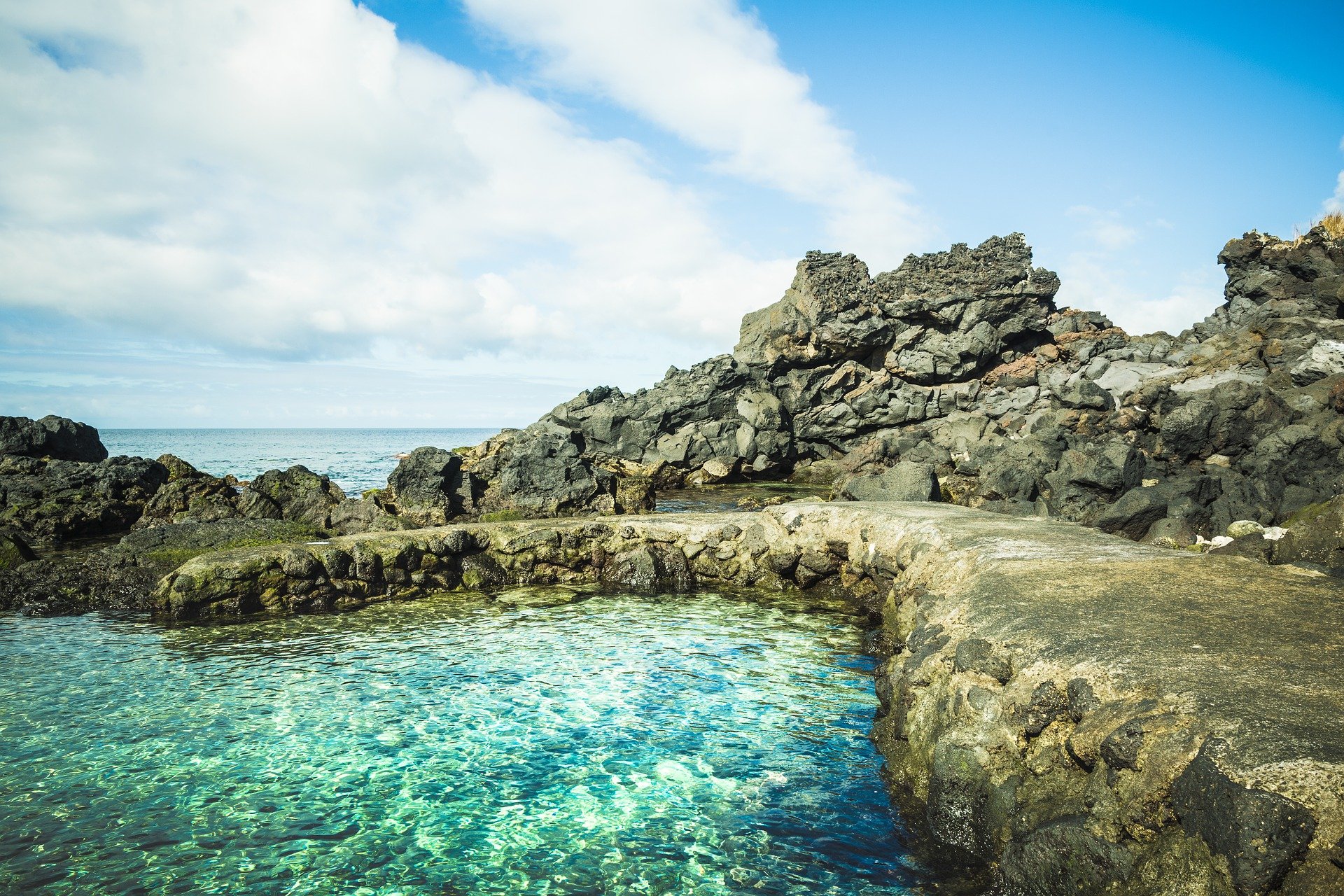
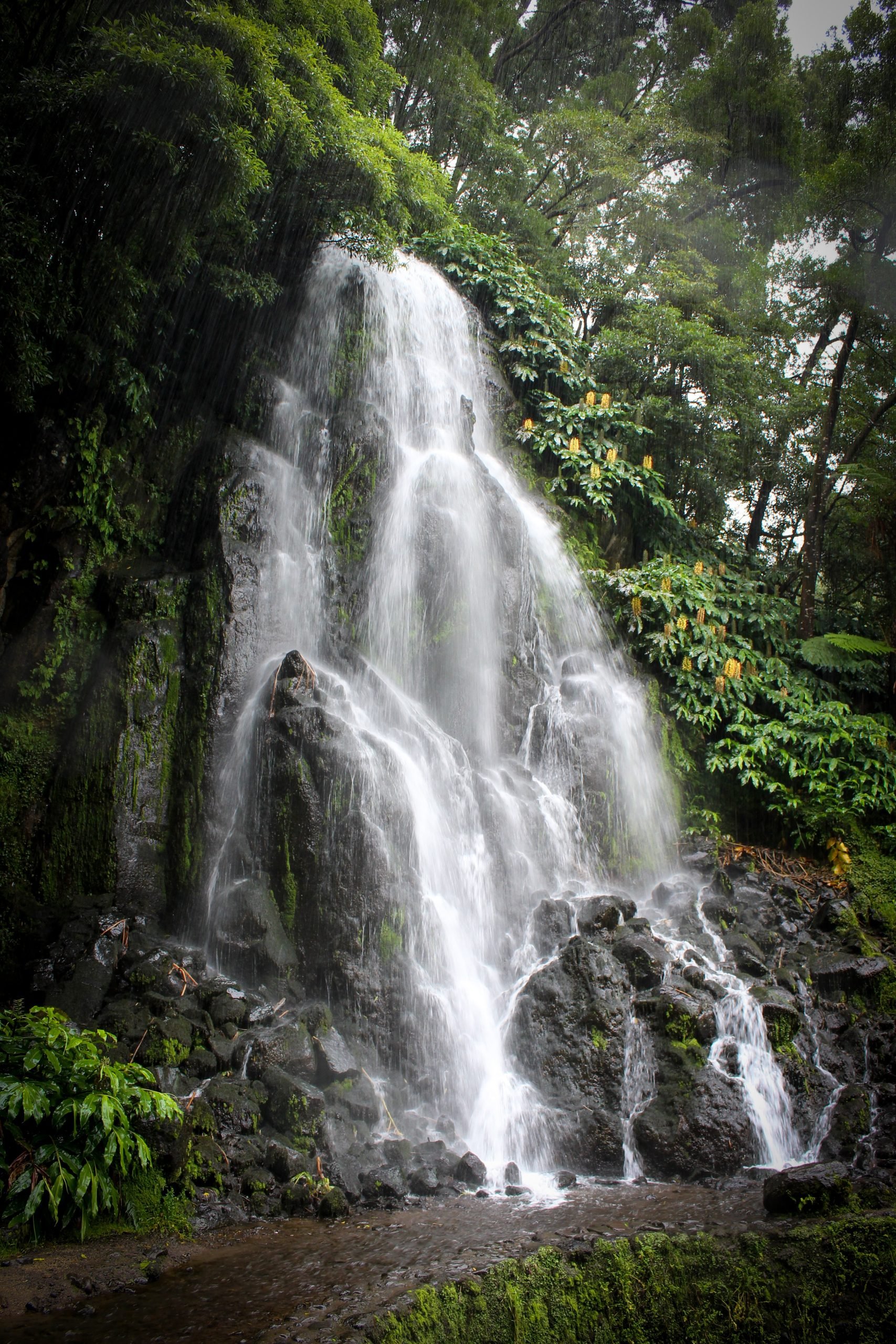

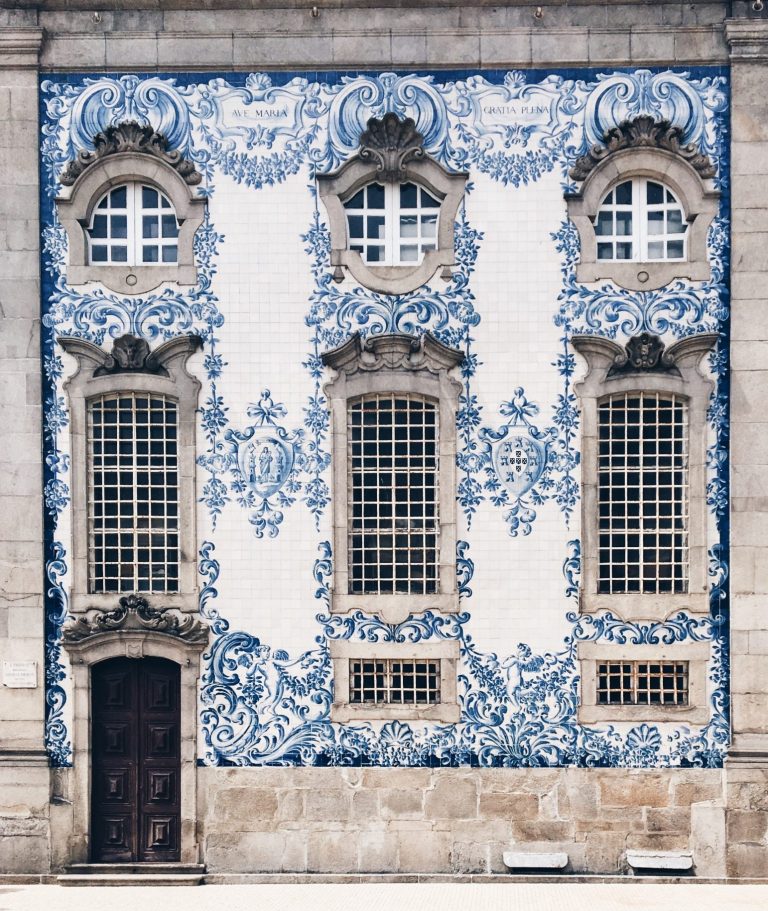
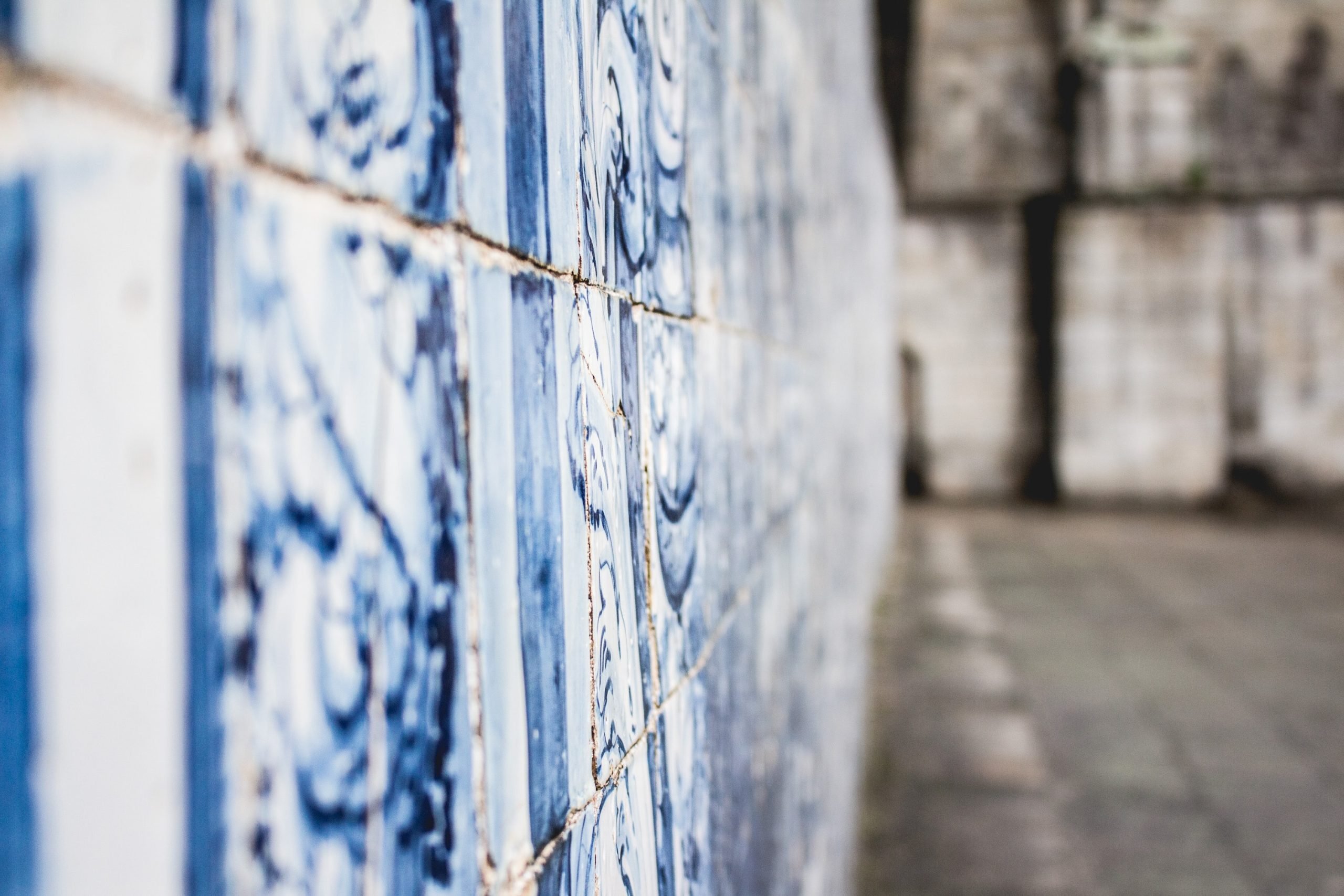
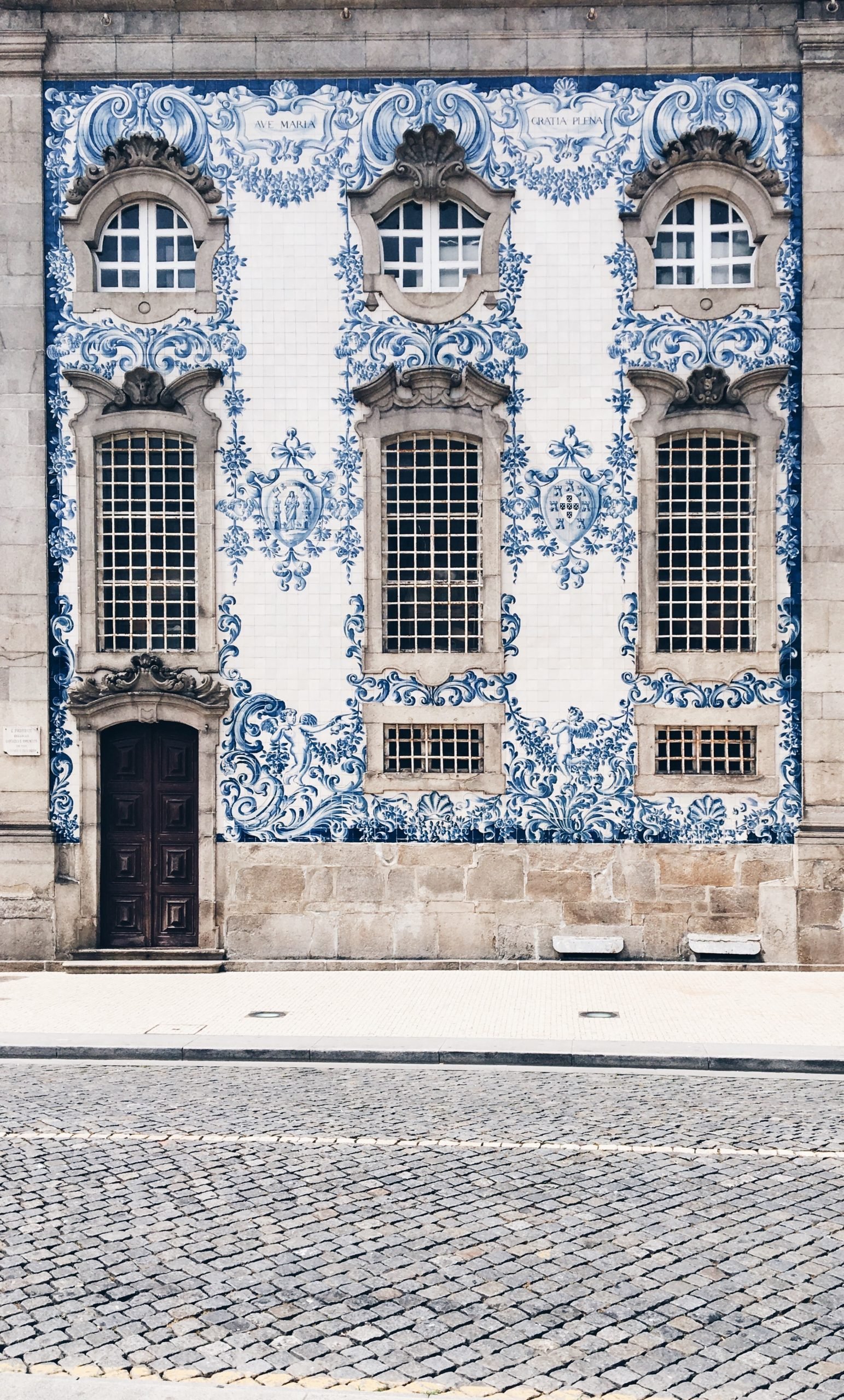
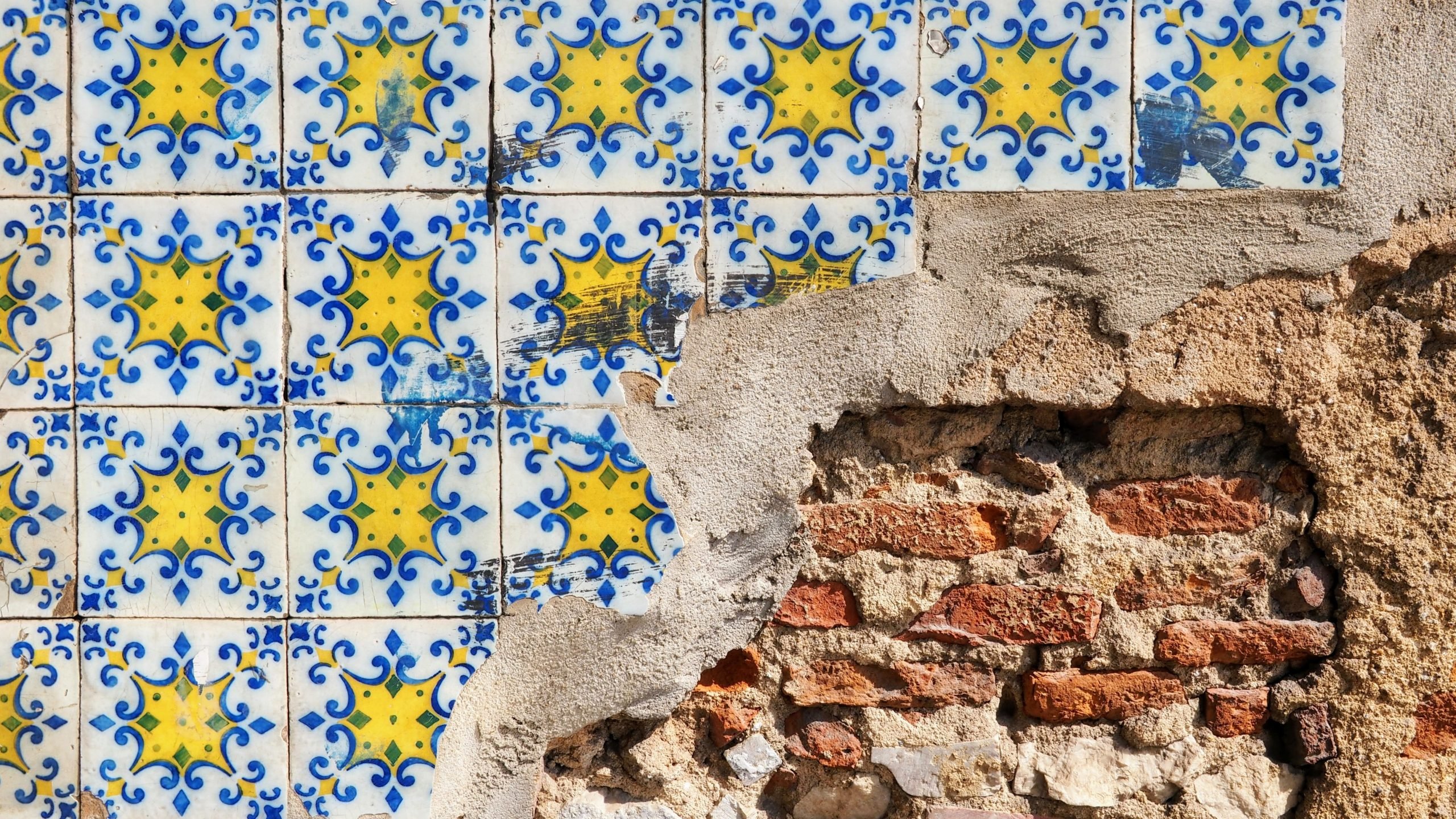
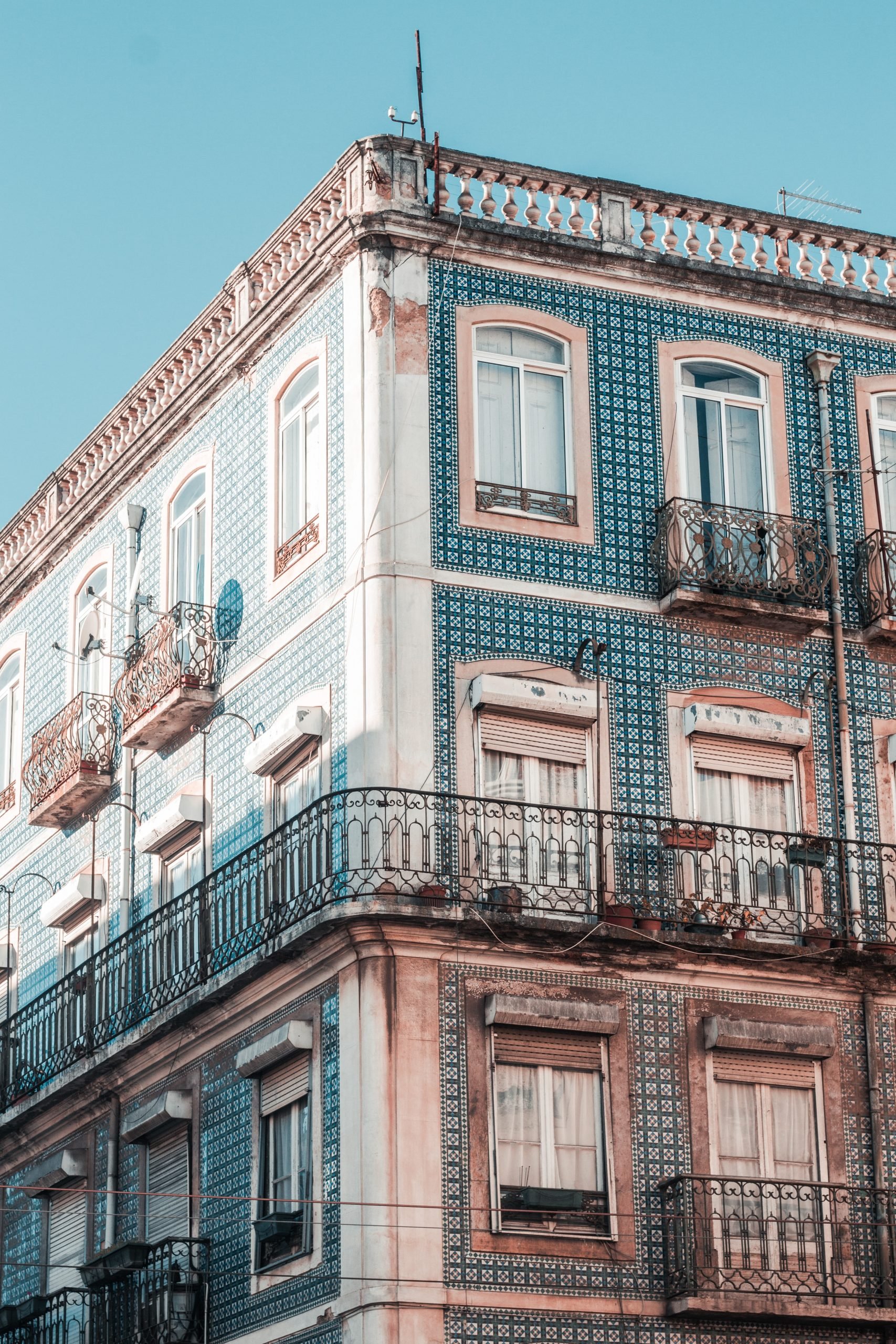
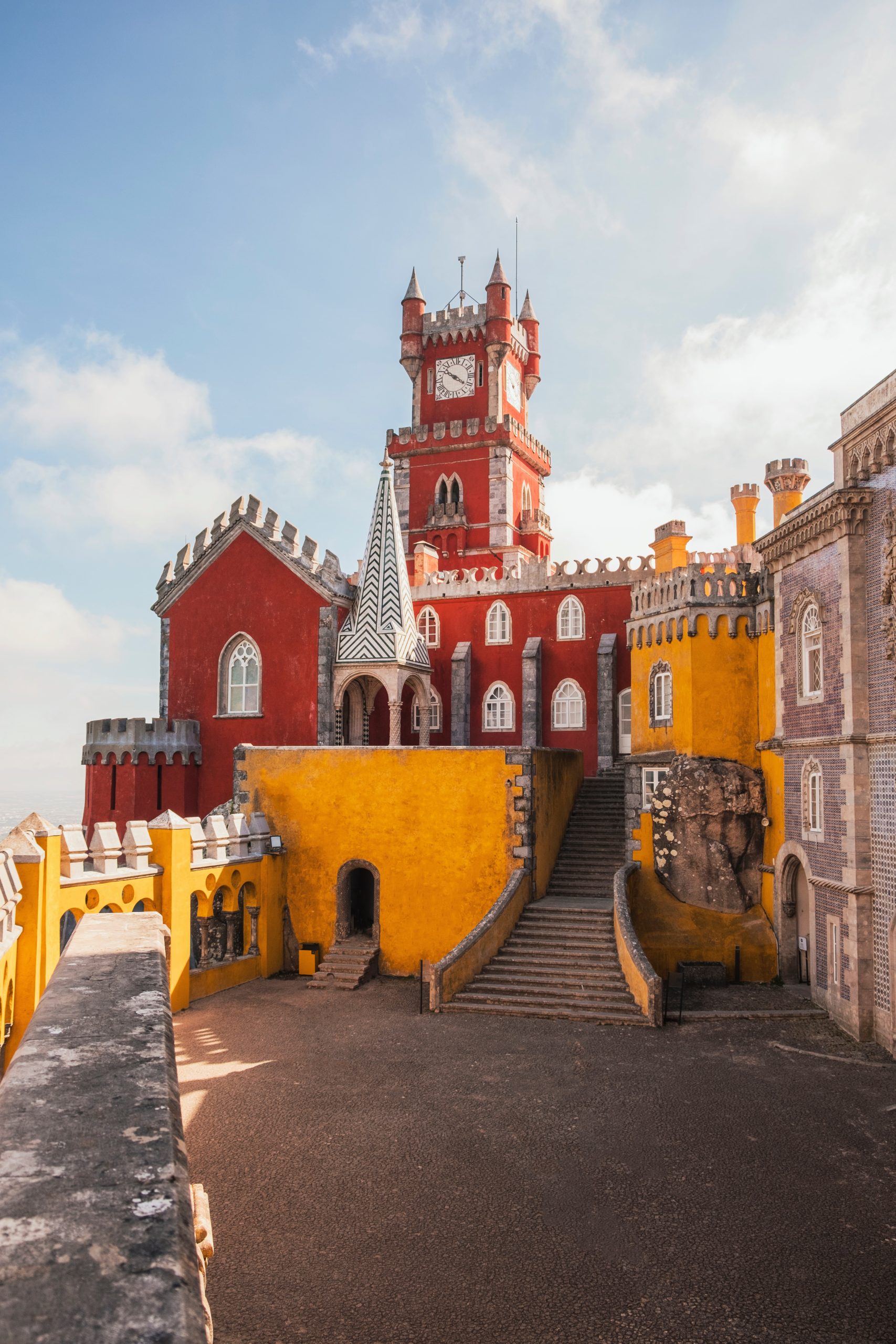

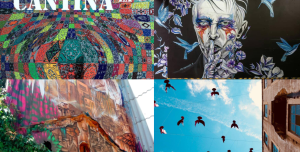

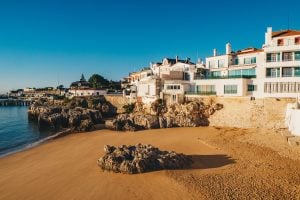
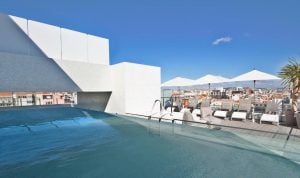

 One of the best things to do in Lisbon in winter is to stroll around its picturesque historical centre. Here, you can find not only magnificent palaces, cathedrals and churches but also leafy gardens and narrow lanes that will make it your heart’s refuge.
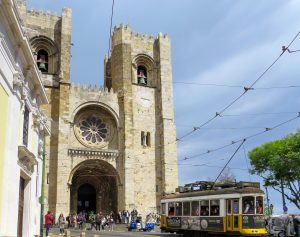 The somewhat austere Lisbon Cathedral is a grand structure highlighting the importance of Christian faith for Lisbonites. Here you can attend a Christmas mass, and see for yourself its strikingly beautiful interior.