Home Blog Page 134

Portuguese Wine Guide: Vinho Verde

0

When the weather starts to get warmer you may want to enjoy a lighter drink, and straight from Portugal comes the perfect option: ‘Vinho Verde’. It is the perfect drink for a summer afternoon and even to take to dinner, as it’s perfect with many kinds of food.

Vinho Verde is grown on the northwest region of Portugal and one of the most famous wine varieties from Portugal, just behind Port Wine.

Although it literally means “green wine”, the name is not due to its color, but to the fact that the wine is not yet matured enough, since it is usually consumed around 3-6 months after harvesting. In this sense, ‘verde’ means young.

This wine is a DOC (“Denominação de Origem Controlada” or Denomination of Controlled Origin), meaning that the region from where this wine is from is a protected region that can only produce that variety.

It is fairly known in Portugal, especially in the North. It is usually cheaper than other wines (you can even find wine made by independent producers, people that just make it in their backyards or small farms) and it is naturally light, fresh, and sometimes fruity.  One of its most famous characteristics is its little fizz (although they are not officially recognized as sparkling or semi-sparkling).

You can find it as a white wine (the most common) or as red, rosé and even as ‘aguardente’, vinegar or bagasse.

There are many varieties of this wine and most of the wines you will find will probably be a blend of different types of grapes. However, some higher quality wines will probably be made out of a specific grape. If you are interested in a single type of grape, the most well-known are Alvarinho, known for having a higher alcohol content, and Loureiro.

Speaking of alcohol content, it usually is around 8.5 to 11% alcohol, however this changes for example with Alvarinho grapes, when it is around 11.5-14% (and it will probably be fruitier). This makes it less caloric than most other wines.

Vinho Verde is indeed a unique wine, different from all the others in the world! You are guaranteed to have a different experience with it!

Types of Vinho Verde

You can find white, red (tinto) and rosé Vinhos Verdes, although the white is probably the most common. There is also sparkling Vinho Verde and ‘aguardente’ made out of it.

The white Vinho Verde is usually lemon colored, very fresh and with fruity and floral aromas, depending on the grape variety.

As for the red Vinho Verde is a more delicate question. Many people consider it undrinkable, while others love its strong taste. It is traditionally consumed, usually in the Minho region of Portugal, in a small bowl, and if it is bought from a small producer, it will probably have dregs. Some are also a bit sparkling and it is usually drank slightly chilled. It is different from other wines, and it has a sour but also sweet taste.

This red wine is very difficult to obtain outside of Portugal, specifically the Minho region. This is because its consumption never really caught on internationally (or even nationally) and remained inside the regions borders, and because the environment of the region is very rainy, making it not well suited for the red grape varieties. This is why only approximately 10% of the wine produced in the Vinho Verde region are red or rosé.

Finally, the rosés are very fresh and fruity and, even though they are rare, the most famous Portuguese wine is a Vinho Verde Rosé: Mateus Rosé.

The Fizz

Although it’s not considered a sparkling or semi-sparkling wine (since it has less than 1 bar of CO2 pressure), Vinho Verde is known for having a little fizz to it, at the end of your tongue.

Before, this fizz was natural, due to its bottling process which, being made earlier, made the wine release carbon dioxide inside the bottle because of the fermentation process. Usually, this is considered a wine fault, but in this wine it is considered part of it!

However, nowadays most of the wines you will find will be artificially carbonated. Winemakers add a boost of CO2 to the wine, because they know that the customers associate this fizz with Vinho Verde. This is why people sometimes call this wine a “soda pop for adults.”

But if you want the authentic fizz, you can find it usually in the smaller, independent producers (and this is why people say that the homemade wine is the best).

You can also find Vinho Verde without the fizz, and you will probably feel the acidity even more. The trick is usually to look at the bottle: if it is taller and thinner, then it has the fizz; if is more round, like the traditional wine bottle shapes, is usually isn’t carbonated.

The Region: Minho

Photo by pedroquintaoo on Pixabay

This wine is cultivated in the traditional and cultural region of Minho, on the northwest part of Portugal, bordering Spain. It includes the cities of Braga, Guimarães and Viana do Castelo.

When most people think of Portugal, they would think of wonderful beaches, sun-shine year-round and amazing weather. But not in Minho! In this region on the northwest, there is often a lot of wind and rain, with Braga even being called the “potty of the sky”.

All this rain fills the regions multiple rivers and this creates wonderful hills and valleys, full of green and lush vegetation. This affects the grapes that are harvested in this region, and the microclimates inside of the region itself as well. That’s why it is divided in sub-regions.

The Sub-regions of Minho

The Vinho Verde region is divided into 9 sub-regions, usually specified on the label of the wine bottle. Each of the regions has a slightly different environment and this affects the grapes and the type of wine that is produced there.

These are: Amarante, Ave, Baião, Basto, Cávado, Lima, Monção e Melgaço, Paiva, and Sousa.

  • Monção and Melgaço: The northern most region. It has a more granitic soil and is known for the amazing Alvarinho grapes.
  • Lima, Cávado, and Ave: The coastline regions. These are the rainier places, not that ideal for grape production. However, there are some grape qualities like Arinto, Loureiro, and Trajadura.
  • Sousa, Paiva, Baião, and Basto: These are the inland, mountainous regions. They are much sunnier. This is where you will find the harder-to-ripen white grapes and also rare red grapes, since there is enough sunshine to ripen them.

Vinho Verde With Food

Vinho Verde, coming from the North of Portugal, goes with pork and potato dishes, for example. But its lightness makes it perfect for many other dishes!

Its high degree of acidity makes it to go wonderfully with an appetizer or with light and balanced meals, such as salads, fish, seafood, white meat, sushi, sashimi and many other dishes.

History of Vinho Verde

The wine in this region, between the river Minho and the river Douro, has been known and referenced for many many years, as far back as the Roman era.

In the medieval times, it seems like the vineyards expanded even further, mostly by the hand of religious orders and incentivized by the kings that gave them tax breaks.

This wine was mostly for domestic consumption, however, it is thought that Vinho Verde might have been exported to England, Germany and Flanders as far back as the 12th century, but the first definite record of this trade is of 1788.

In the 16th century, maize came to the region, and the authorities prohibited the cultivation of vines in most areas to give space to the production of this new product. The vines started to be produced on the field margins.

Many growers would train the vines to climb trees, fences and telephone poles. This was to maximize the production and to be able to produce both wine and vegetables on the same land, which would be used as a food source. This can still be found today, especially with the little home producers, but most of the people that produce it commercially use now modern techniques that are more efficient.

In 1908, the “Vinho Verde Region” was created by law, with it being recognized as a DOC in 1984. The DOC is overseen by the ‘Comissão de Viticultura da Região dos Vinhos Verdes’ (Wine Commission of the Vinho Verde Region).

Today, it is estimated that there are approximately 21,000 hectares of Vinho Verde vineyards, making up around 9% of the total Portuguese wine production as well as around 19,000 individual producers and around 600 different bottlers. The region produces about 85 million liters of wine per year.

Vinho Verde Grapes Used

Photo by Anestiev on Pixabay

For white Vinho Verde, the recommended varieties are Alvarinho, Arinto, Avesso, Azal, Loureiro and Trajadura, but you may also find Branco-Escola, Cainho de Moreira, Cascal, Douradinha, Esganinho, Esganoso de Castelo de Paiva, Esganoso de Lima, Fernão Pires, Lameiro, Rabigato, S. Mamede and Semilão.

The most successful varieties of this white wine are Alvarinho and Loureiro. The first one is known to produce low yields and, as we’ve talked about, can reach higher alcohol levels. It is grown on a specific region, in the northern Minho region, between the Lima River Valley and the Spanish border on the Minho River. On the other side, Loureiro produces higher yields but very aromatic wines.

As for red Vinho Verde, there is Brancelho, Amaral, Borraçal, Espadeiro, Padeiro, Pedral, Rabo de Anho and Vinhão as the recommended ones. But Doçal, Doçal de Refóios, Espadeiro Mole, Labrusco, Mourisco, Pical Pôlho, Sousão and Verdelho Tinto are also found and permitted.

The red wine grapes that are considered the best are Vinhão, Amaral and Espadeiro. They produce wines with deep purple coloring and peppery notes.

Brands and Vineyards

There are several brands of Vinho Verde, even though in the region it is fairly common for people to make it themselves, sometimes in backyards in the villages. This is, according to the locals, the best kind of Vinho Verde.

However, the wine experts also have their opinion and each year they decide which are the best ‘Verdes’. As of 2021, the one that one the “Grand Gold Medal” was Quinta do Regueiro Reserva Alvarinho 2013.

Here is the list of some of the other winning wines:

  • White Vinho Verde: Quinta de Linhares Premium 2020
  • Rosé Vinho Verde: Muralhas de Monção 2020
  • Red Vinho Verde: Aguião Superior Vinhão 2020
  • Harvest Before 2018: Quinta do Regueiro Reserva Alvarinho 2013
  • Vinho Verde Loureiro: Pequenos Rebentos Escolha Loureiro 2020
  • Sparkling Vinho Verde: Curvos Reserva Bruto Branco 2016
  • Vinho Verde Alvarinho: Quinta do Regueiro Reserva Alvarinho 2020
  • Regional Wine Minho: Curvos Alvarinho 2020
  • Vinho Verde de Casta: Quinta de Linhares Azal 2020
  • Vinho Verde Aguardente: Alvarinha Aguardente Vínica Velha

Wine Tours Featuring Vinho Verde

4×4 Wine Tour at Quinta de Santa Cristina Vinho Verde Wine Estate:

  • A tour to the largest wine region in Portugal, including 2 outdoor activities (kayaking, Segway, Alpine Coaster, or Fantasticable), a picnic lunch or regional specialties and Portuguese wines and a 4×4 tour through the vineyards, promising wonderful views!

Wine Tour of the Vinho Verde Region from Porto Including Lunch:

  • A small-group tour, starting from Porto, with a knowledgeable local guide that will show you the beautiful Minho region and a visit to 2 wineries, the wonderful cities of Celorico de Basto and Amarante, a traditional Portuguese lunch and a lot of learning on the local history, culture, architecture and winemaking tradition. Perfect for the people who would love a small one day tour to this wine region.

Vinho Verde Premium Wine Tour:

  • You can experience the amazing culture and history of this wine region, while admiring incredible valleys and sipping on a good glass of Vinho Verde.

Santa Maria, The Sunshine Island of the Azores

0

Santa Maria, the Sunshine Island of the Azores got its name for being one of the warmest and driest islands in the archipelago, as this island is the most southern of the Azores. This island was the first to be discovered by explorers and was the first to be formed, making it incredibly special. Along with São Miguel 81 KM away, Santa Maria is part of the Eastern Group of the Azores. Santa Maria is unique from the other islands, with yellow beaches and even a “red desert”. From exploring the town center Vila do Porto and swimming in some of the best natural pools in the Azores, Santa Maria is an island to not miss. The island of Santa Maria is the home of 6,000 Azoreans and is around 96.87 km².

What to do in Santa Maria?

1. Water Sports

Santa Maria has a lot of water sports for adventure seekers. The best way to experience water sports in Santa Maria is to book a tour with a professional. For example, book this half-day diving activity with certified divers where you’ll get to see the best dive spots on the island for €80. The island has a lot more to offer, from sailing to surfing and water skiing.

See All Water Sports Tours in Santa Maria

2. Natural Pools & Beaches

Santa Maria has some of the best swimming spots in all of the Azores. Made of volcanic rock, the Baía dos Anjos (Angel Bay) is located in Vila do Porto and is a well-known swimming spot for locals and tourists alike. This spot also has a wide variety of bird species that you will get to observe. Santa Maria also has the largest waterfall in all of Portugal, Cascata do Aveiro. The waterfall is over 100 meters long and is located in Maia. You can access it through a hiking trail. Other great swimming spots in Santa Maria to visit are Piscinas Naturais da Maia and Praia Formosa, the latter being a white sandy beach.

3. Discover the “Red Desert” of Barreiro da Faneca

Barreiro da Faneca is a semi-desert that is red. This area is around 8.35 square KM and covered the Bays of Raposo, Tagarete, and Cré. This area is a protected landscape of the Azores since 2008. The red desert is part of the geological formation called the Feteiras Formation, the last volcanic eruptions in Santa Maria. You can discover the red desert by walking the signed paths.

4. Explore Vila do Porto

The main town of Santa Maria, Vila do Porto is where most locals live. This village has old houses in Manueline style from when the island was initially settled. Vila do Porto has some gorgeous buildings for you to explore. One of the oldest churches in the Azores, the Parish Church of Nossa Senhora da Assunção is a must-see, as well as the Church of Nossa Senhora da Purificação. Make sure to visit the São Brás Fort designed by the Italian Tomaso Benedetti that now is where the Military Museum is located.

Day trips from Santa Maria

São Miguel

The closest island to Santa Maria is São Miguel, a 4-hour ferry ride away of around €20. 80 KM away, São Miguel is the perfect spot for those who want to experience the classic Azorean life, as well as a larger city. You can’t find this combination on any other Azorean island. Here are the best things to do in São Miguel:

  1. Visit Sete Cidades: On the West side of the island, Sete Cidades is a municipality in São Miguel and probably the most famous place to visit on the island. Here you can visit the Lagoa das Sete Cidades, a large lake divided by a bridge into two parts: one green and one blue. Head to the Vista do Rei viewpoint where you can enjoy the best view of the lagoon.
  2. Explore Ponta Delgada, the capital: The capital since 1546, Ponta Delgada is a cosmopolitan town that is full of historic flavor. Around 70,000 people live in the capital, around half of the whole island population. The best part is that you can walk around the city on foot and that it has the best restaurants on the island.
  3. Discover Furnas: In the eastern part of São Miguel, you have Furnas, the thermal hotspot of the Azores. There are over thirty geysers around the Furnas village. These are essentially bubbling, steaming caldeiras that smell of sulfur. Temperatures range from 70ºC to 100ºC.
  4. Hike the trails: São Miguel has the most hiking trails in the Azores with over 20 to explore. The best hiking trails in São Miguel are Lagoa do Fogo (11 KM, 4h00), Sete Cidades (7.7 KM, 2h00), and Lagoa das Furnas (9.5 KM, 3h00).
  5. Try some pineapples: There are many pineapple plantations but the most popular is Arruda Plantation. You can walk through where these pineapples grow and learn about the time-consuming plantation methods used to produce them. The plantation has a cafe where you can buy pineapple cakes and ice cream.
Photo by Angela Compagnone (Unsplash)

5 Best Restaurants in Santa Maria: Where to eat in Santa Maria?

Looking to try out some local Azorean dishes? Before we get into the 5 best restaurants in Santa Maria, here are the best foods to start in Santa Maria.

  • Santa Maria Cantaloupe
  • Alheira (Fried meat pastry)
  • Lapas (Limpets)
  • Local cheese
  • Fried mackerel
  • Meat dishes

Now that you’re ready to order, where should you go to try some of these typical Santa Maria foods? We have selected the 5 best restaurants in Santa Maria.

1. Ponta Negra

Located in the São Lourenço Bay, Ponta Negra has a gorgeous terrace where you can enjoy authentic Portuguese dishes, prepared by well-renowned Azorean chefs. This place even has a kid’s corner where children can play. Perfect for the whole family, even pets are allowed. We recommend trying the fish soup, fish stew, and fried prawns. A meal here costs €25.

2. A Travessa Cafe Snack Bar

A Travessa Cafe Snack Bar in Vila do Porto is a top-rated restaurant in Santa Maria, known for its quality customer service and its artisanal beer. This quaint little place is a great place to try some regional dishes. We recommend the steak with fries and the octopus. Their burgers are also delicious with Azorean bread. You can get a meal here for €15.

3. Mesa d’Oito

Located in the hotel Charming Blue, Mesa d’Oito offers a luxurious dining experience, one that you can also enjoy on the terrace by the pool. The interior of the restaurant is decorated in modern decor that provides a stunning contrast with the traditional stone of the walls. They even have vegan and vegetarian dishes. You can have a meal here for €25.

4. O Grota

O Grota is located in Santo Espírito, Vila do Porto. This family-run restaurant serves local dishes at an affordable price and offers a gorgeous sea view. Presented in ceramic dishes, the food at O Grota is served in an authentic Azorean manner so that you get the full local experience. We recommend the fish stew and lapas (limpets). You can get a meal here for €10.

5. Clube Naval Bar Restaurante

Located in the local Naval Club in Vila do Porto, Clube Naval Bar Restaurante offers exceptional dishes. At this place, you can enjoy some fresh seafood with a view of the ocean. Customers call this the perfect post-diving spot for a meal after you’ve explored the sea life. We recommend the lapas (limpets) and seabass. You can get a meal here for €15 to €20.

Transportation: How can you get around the island of Santa Maria?

Public transportation in Santa Maria is not a great travel option for tourists. The bus systems in Azorean island are not designed to get to the best tourist spots and are made to fit the daily lives of the locals.

If you can, definitely rent a car. You can pick up a rental car from the airport and return it when you are flying back. We recommend renting a car in advance because especially in the summer months, these run out fast. You can rent a manual car starting at €60 a day.

5 Best Places to Stay in Santa Maria: Where to stay in Santa Maria?

1. Charming Blue

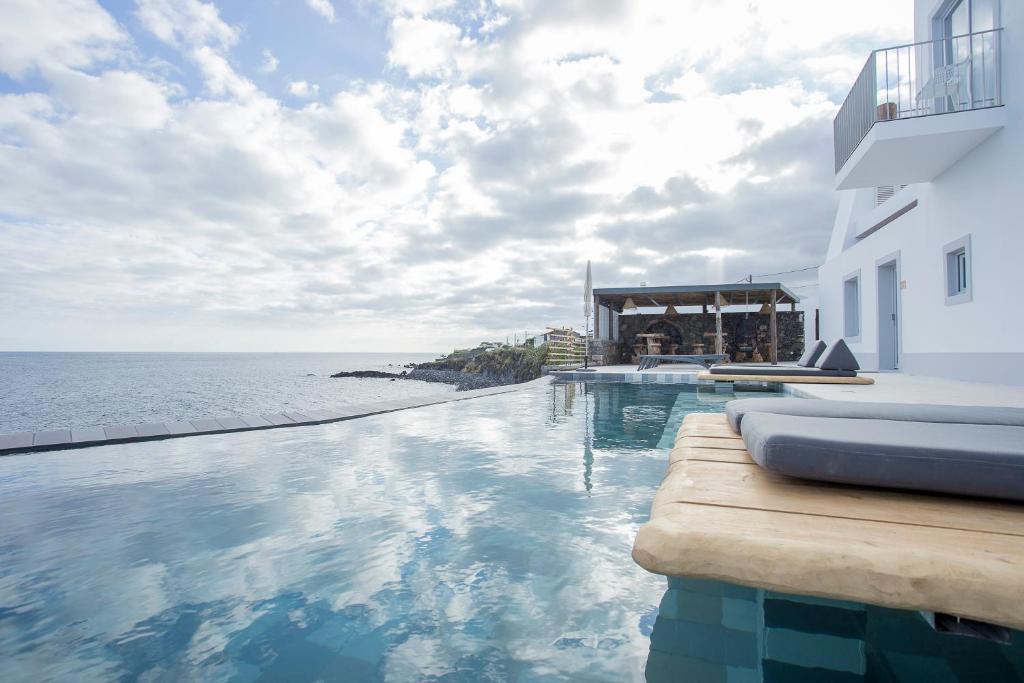
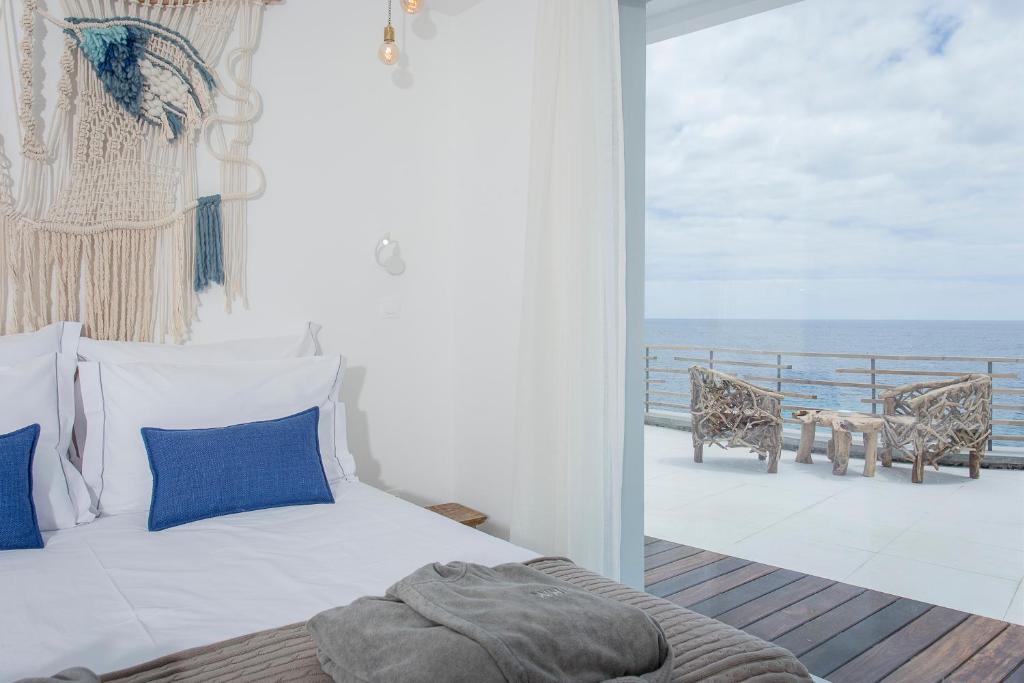
Charming Blue is a modern hotel that has 15 rooms in Vila do Porto, Santa Maria. Each room is elegantly decorated and comes with a view of the sea or pool, a TV, and a luxurious bathroom. The hotel has a large pool for guests to enjoy as well as its own restaurant called Mesa d’Oito where you can enjoy delicious dishes. You can also enjoy a highly rated breakfast at this place. You can get large rooms here for €80 a night.

2. Quinta do Falcão

Quinta do Falcão is an 8-hectare farm with townhouses in Almagreira that has everything you need for a luxurious stay. The farm has sea views from the garden which guests can enjoy. Every unit comes with a kitchen equipped with a dishwasher and a private bathroom, as well as a patio. This property is also pet-friendly so you can bring your dog with you! You can get a one-bedroom apartment here for €85 a night.

3. Casa da Bisa

Why not rent out a typical Azorean home? Casa da Bisa is a holiday home with two bedrooms, one bathroom, a dining area, a kitchen, and a gorgeous patio with landscape views. This 97 m² place is located in Santa Barbara, close to many places for hiking, diving, and fishing. The owners have also taken steps to make this property more sustainable. You can rent this whole place for €75 a night.

4. Casa Eira Alta

A holiday home, Casa Eira Alta is a 1 bedroom and has a balcony with gorgeous mountain views. Located in Santa Bárbara, this white and blue house can sleep up to 3 people with two double beds. You can rent this full house for only €50 a night.

5. Azores Youth Hostels

A cheap option in Santa Maria, Azores Youth Hostels is located in Vila do Porto, a few minutes away from the Port. This place features an outdoor swimming pool for guests to enjoy and an outdoor terrace. The hostel has communal bathroom facilities and a shared lounge, as well as individual lockers to keep your belongings safe. You can also enjoy a buffet breakfast in the dining room every morning. A bed in a dormitory costs €19 and a private room for two people costs €40.

Final Thoughts

Santa Maria, the Island of Sunshine is one of the best islands to visit in the Azores. Not only does it have some of the best weather in the Azores due to its location, but it is also the oldest island in the archipelago. This Azorean island has an activity for everyone, from water sports to discovering the “red desert”, you won’t forget this gorgeous island. It is also an affordable island where you can find luxurious farmhouses and high-quality restaurants at cheap prices. Santa Maria has everything you need for your island getaway, it’s a real bargain.

Booking.com

São Jorge, The Brown Island of Azores

0

Known as the Brown Island of the Azores, São Jorge, is a volcanic island that features astonishing views of Pico and Faial island, as well as green landscapes and a dark blue ocean. Around 9,000 people live on the island that spans 243.9 sq. km. A part of the “triangle islands” with Faial and Pico, this island features fajãs that make up quaint villages and natural pools.

São Jorge is said to have been discovered in the 1400s, but the exact date remains a mystery. Thousands now travel to this island every year to enjoy the activities, culture, and cuisine of the island. São Jorge, like most Azorean islands, is a place of tradition. Every year, the locals celebrate the festivals of Espírito Santo with religious processions and parties. A culture week occurs every summer in Velas, the main village of the island where local traditions and cultures are celebrated with local concerts and bullfights.

What to do in São Jorge?

1. Discover Velas

Velas is a municipality in São Jorge where around 6,000 people live, meaning that most people on the island live in this village. Velas translates to sails and is rumored to pay homage to the sailing ships that have passed through the municipality. This village is a great place to explore. Visit the sports marina that features a Sea Gate created in 1799. There are also many churches to explore such as São Jorge Church, a 16th-century building, and Conceição church, located in a convent. Velas also features a large Cultural Center, a modern building with an auditorium, a cinema, and a library.

2. Explore the fajãs

It’s relatively common for Azorean islands to have a few fajãs, usually a maximum of two in a single one. São Jorge tops any other island, feature more than 40 of these! If you are wondering what these are, Fajãs are small plains located at sea level which were once created by lava flows. You must visit our favorite fajã, Fajã do Ouvidor, the one that locals go to the most. It’s home to the Poça Simão Dias, the most amazing swimming hole on the island. The water is clear and you can even jump from low rocks.

Photo by Karim Sakhibgareev (Unsplash)

3. Visit the Coffee Plantation

São Jorge is the home of the only coffee plantation in Europe. Located in Fajã dos Vimes,  you must try the coffee at Cafe Nunes, owned by a family who opened the cafe at the plantation in 1997. Coffee is not naturally grown in the Azores. The locals believe that someone who visited Brazil brought back some coffee beans in the late 18th century. Since then, this family has been growing their own coffee plants and making a richly flavored coffee that is a must-try. You can buy bags of coffee to take home, as well as visit the artisanal shop that sells handmade tapestries and carpets.

4. Cheese Factory

Founded in 1927, the cheese factory in São Jorge is actually the oldest factory in all of Portugal. The local cheese drives the island’s economy and is known all around the world. You can visit this factory, although there is now a new one where the cheese is produced. However, you will still learn more about how the local cheese is made and can even try some samples.

5. Hike the Island’s Trails

São Jorge has some of the best hiking trails in the Azores. Exploring some of the island’s 10 hiking trails is a great experience for nature lovers. Make sure to hike on “official” trails that are taken care of by the Azores Tourism Broad. These are properly maintained and signed with hiking markers throughout so people do not get lost. You can look up the official hike trails here.

Our favorite hike takes you to the Caldeira do Santo Cristo and is 9.5 km long, perfect for a morning activity. We also recommend the following hike trails: Serra do Topo (5.5 KM, 2h30) and Fajã de Além (4.7 KM, 3H).

Day trips from São Jorge

São Jorge is part of the “Triangle Islands” with Pico and Faial. You’re so close so make sure to cross the sea to visit these two neighboring islands. These three islands are completely different from one another and each one has a unique culture.

How to travel between the triangle islands of São Jorge, Faial, and Pico? Atlanticoline has a ferry service that functions all year. These ferries are an easy way to travel between the islands, and you can even take your car. You also get to witness the islands from the ocean with amazing views. The ferry from São Jorge (Calheta) to Faial (Horta) takes around 2h30m and costs around €20. São Jorge (Calheta) to Pico (Madalena) only takes 1h45m minutes and costs around €15.

We have selected a list of the best things to do on your day trips to Pico and Faial. We also suggest renting a car to be able to travel freely around the island.

Faial

  1. Hike the caldeira, a volcanic crater: We recommend booking this hike with a professional to go down the caldeira for €65. You can also walk around the crater which will take around 2 hours. In fact, Faial has a lot of beautiful trails to hike such as this 10 Volcano trail that you can book here.
  2. Explore Horta: Visit the city of Horta and discover the quaint churches. The Horta marina has a large mural where sailors from around the world paint a section to symbolize their voyage. Also, head to Peter Cafe Sport, an emblematic cafe on the island that thousands have passed through.
  3. Visit the Capelinhos: The Capelinhos is a volcano that erupted in 1958 on the western side of the island. This section of the island was only created 60 years ago after the eruption.
  4. Dolphin and Whale watching: Faial is a great island to spot some whales and dolphins. The best seasons to spot some whales and dolphins are between April and October.

View Tours & Activities in Faial

Photo by Paul Taton (Unsplash)

Pico

  1. Swim in a natural pool: Pico has some of the nicest seawater natural pools. We recommend the Poço da Maré do Verdugo, Ponta do Admoiro, as well as the classic Lajes do Pico Natural and São Roque do Pico pools.
  2. Whale-watching: Pico island is famous for whale watching. You can book a dolphin and whale guided tour with a biologist here.
  3. Visit the whaler’s museum: Known as Museu dos Baleeiros in Portuguese, the Whalers Museum is a must-see, close to Lajes Port. The museum is situated in three boathouses from the 19th century.
  4. Go on a hike: The best hiking trails in Pico are Caminho das Lagoas (22 KM, 7 hours), Calheta do Nesquim (8.6 KM, 2h30), and Prainha do Norte (7.8 KM, 2h30). We also recommend hiking up Mount Pico, the highest mountain in all of Portugal, if you are up for it. You can book a guided hike here where you will also learn about the geology, fauna, and flora of the mount.

View Tours & Activities in Pico

Photo by David Magalhães (Unsplash)

5 Best Restaurants in São Jorge: Where to eat in São Jorge?

São Jorge features innovative cuisine, made from local dairy, vegetable, and meat products. Before we get into the 5 best restaurants, here are the best foods to try on the island of São Jorge.

  • São Jorge clams
  • São Jorge cheese
  • Espécies de São Jorge (Local biscuit)
  • Lapas (Limpets)
  • Cataplana (Fish dish)
  • Meat dishes

1. Fornos de Lava

Located in the Os Moinhos Hotel, Fornos de Lava is 4 km away from Velas. This restaurant takes the top spot due to its high-quality food and environment. The restaurant was opened in 2003 by chef Joaquin Alvarez and is built of black stone and wood, providing an Azorean feel. You will enjoy a meal here in a circular room with large windows that features beautiful views of Pico and Faial. The Azorean and Galician dishes are produced from local products of the island. We recommend seafood dishes such as the Lapas and Catapalanas. You can get a meal here for less than €20.

2. O Branquinho 

O Branquinho has a stunning view of Mount Pico and has some of the best Azorean dishes on the island. The cozy restaurant only uses local products and is particularly known for its desserts such as the local biscuit. We also recommend trying their pork meat, octopus, steak, and Azorean soups. You can have a meal here for less than €15.

3. Restaurante Velense

Restaurante Velense will make you feel like you’re getting a home-cooked meal at an Azorean family’s home. The interior is rustic and traditional, the perfect spot to get to know the local cuisine. We recommend trying the lapas, shrimp with fries, and their variety of soups. You can get a meal here for €10.

4. O Caseiro

O Caseiro offers delicious dishes at cheap prices and features a terrace, perfect to enjoy a beer or glass of wine. This family-run restaurant has a relaxed atmosphere and sells regional dishes. O Caseiro also has a smaller snack bar for cheaper and faster meals. We recommend their pork meat, caldo verde soup, and codfish. You can have a meal here for €10.

5. Restaurante Amilcar

Restaurante Amilcar is located in Fajã do Ouvidor in Velas. This restaurant features local Azorean dishes and is known by the locals as one of the best. It’s also within walking distance from Poça Simão Dias so it’s perfect for lunch after a nice swim. We recommend trying their seafood dishes as these are their specialty. This place offers full menus with a starter, main meal, and dessert for €15.

Transportation: How can you get around the island of São Jorge?

Finding public transportation in São Jorge is difficult as buses are hard to find. The bus systems are not designed to get to the best tourist spots and are made to fit the daily lives of the locals.

If you can, definitely rent a car. You can pick up a rental car from the airport and return it when you are flying back. We recommend renting a car in advance because especially in the summer months, these run out fast. You can rent a manual car starting at €60 a day.

5 Best Places to Stay in São Jorge: Where to stay in São Jorge?

1. Cabanas da Viscondessa

Cabanas da Viscondessa offers private wooden cabins with a view of the ocean and Pico Island. A luxurious experience, each cabin has been decorated in an elevated style by a renowned interior designer and a private terrace with a garden view. Each unit also comes with a modern kitchen, dining area, and bathroom. This property has a restaurant, bar, and a shared garden, as well as an outdoor terrace where you can enjoy a meal or drink. Every morning, a continental breakfast is served from local products. The studio cabins cost between  €80 and  €100 a night depending on the season.

2. Quinta da Magnólia

Quinta da Magnólia is a farm-like property covered in stone that features a shared lounge, garden, and a gorgeous infinity pool. Located in Urzelina, every room on this farm features a flat-screen TV, a private bathroom, and a seating area. Prices depend on the variety of rooms available. A superior room with a large double bed and ocean view costs €132, with breakfast included. A larger deluxe room costs €144 a night.

3. Intact Farm Resort

This bungalow resort experience in Velas is an affordable accommodation option, as well as an incredible stay. Intact Farm Resort is great for nature lovers, close to fishing and hiking spots, as well as the ferry pier for connecting to other islands. Each room has a flat-screen TV and a private bathroom, while some have a terrace. A bungalow for two people with a sea view costs €45, while one for 5 people with a sea view costs €65.

4. Blue Planet

Blue Planet offers modern beachy apartments that feature a kitchen, private bathroom, and dining area. The center of Velas is just a 5-minute walk away and the ferry station is only 1 km away. The apartments have large windows that show a gorgeous view of the sea. You can get a 58 m² one-bedroom house for €120 and a 120 m² one-bedroom apartment for €135.

5. Cantinho das Buganvilias

Cantinho das Buganvilias offers a luxurious experience in the mountains of São Jorge Island. This collection of modern apartments provides a stunning contrast with the natural feel of the island. Each apartment has an air-conditioner and comes with a private patio with a view of Pico mountain. Some even have large windows so that you can enjoy the view from your bed. The property has an infinity pool and hot tub, as well as a well-known restaurant. A one-bedroom apartment costs €75 and a two-bedroom apartment costs €85.

Final Thoughts

São Jorge, the Brown island of the Azores is a must-visit in the archipelago. The island’s tourism industry has been booming in the past decade due to its stunning landscapes, as well as its close location to Faial and Pico. From discovering Velas to hiking wonderful trails and exploring the only coffee plantation in Europe, this island has so much to offer. This guide has everything you need to prepare for your trip to São Jorge. Time to pack your bags!

Booking.com

Faial, The Blue Island of Azores

0

The Blue Island of the Azores is named Faial because of the large number of beech trees which are called faias in Portuguese. It is nicknamed the Blue Island because of the hydrangeas in different shades of blue that span the landscapes of the island. 15,000 people live on this island of 67 square miles, making it a cosmopolitan island that still features activities for nature lovers.

Faial was initially discovered in 1427 and later colonized by Flemish settlers in 1432. The island is of volcanic origin and is located near the tectonic divide between the European and North American Plates. The island is the westernmost point of Europe! The island is located 4.5 miles from Pico and 11 miles from Sao Jorge.

Like Terceira, Faial is known for its festivals. The most important one is Sea Week, a week-long festival to celebrate the sea with music, dance, and exhibitions at the end of July. At the end of the week, a traditional ceremony occurs and fireworks fill the skies. Faial is also the site of religious festivals like the feasts of the Holy Spirits from Ascension day to August where there is a procession from the local church and a traditional mass.

What to do in Faial?

1. Hike the Caldeira

The Caldeira in Faial offers one of the best views of the Azores. This volcanic crater is 400 meters deep and you can actually walk to the mouth of the Caldeira. Do not do this alone. We recommend booking this hike with a professional to do so for €65. You can also walk around the crater which will take around 2 hours. In fact, Faial has a lot of beautiful trails to hike such as this 10 Volcano trail that you can book here.

Photo by Paul Taton (Unsplash)

2. Explore Horta

Horta is the city center of Faial and the perfect place for some exploring, with quaint churches everywhere. The Horta marina is known all over the world.  It has a large mural where sailors from around the world paint a section to symbolize their voyage. Near the marina, you must visit Peter Cafe Sport, an emblematic cafe on the island that thousands have passed through. This place is known as the meeting point for sailors who are sailing the Atlantic Ocean.

Photo by Ivan Moreira (Unsplash)

3. Capelinhos

Located in the most westernmost point of Europe, the Capelinhos is a volcano that erupted in 1958 on the western side of the island. This section of the island was only created 60 years ago after the eruption. The volcano and the floor are the color of the black volcanic rock, making this an interesting and beautiful site. Here you can also visit the Capelinhos Volcano Interpretation Center that has a set of exhibitions about the eruption and the formation of the archipelago. You’ll also get to see the volcanic rocks and crystals discovered from the eruption.

Photo by Rui Amaro (Unsplash)

4. Whale and Dolphin Watching

Whale and Dolphin watching is a classic activity in the Azores, but particularly in Faial. The great thing about this activity in the Azores is that guides make sure not to disturb the wildlife and are environmentally conscious. The best seasons to spot some whales and dolphins are between April and October. If you’re lucky, you’ll get to see a sperm whale at around 20 meters long. For a full experience, book this tour where you’ll get to spot some whales and dolphins, as well as learn about the whaling history of the island and visit the whaler’s museum. This tour also takes you to Capelinhos!

Photo by Andrea Zanenga (Unsplash)

5. Beaches and Natural Pools

Faial has some of the best beaches in the Azores. The primary beach is actually called Praia (Beach), original right? This is a sandy beach that is dark in color due to the volcanic nature of the island. The beach also has changing rooms and showers! Other beautiful black sandy beaches are the Praia da Conceição and Porto Pim, which provide a gorgeous view of Mount Pico.

View Tours & Activities in Faial

Day trips from Faial

Faial is part of the “Triangle Islands” with Pico and São Jorge. You’re so close so make sure to cross the sea to visit these two neighboring islands. These three islands are completely different from one another and each one has a unique culture.

How to travel between the triangle islands of Faial, Pico, and São Jorge? Atlanticoline has a ferry service that functions all year. These ferries are an easy way to travel between the islands, and you can even take your car. You also get to witness the islands from the ocean with amazing views. The ferry from Faial (Horta) to Pico (Madalena) only takes 30 minutes and costs around €5. The ferry from Faial (Horta) to São Jorge (Calheta) takes around 2h30m and costs around €20.

We have selected a list of the best things to do on your day trips to Pico and São Jorge. We also suggest renting a car to be able to travel freely around the islands.

Pico

  1. Swim in a natural pool: Pico has some of the nicest seawater natural pools. We recommend the Poço da Maré do Verdugo, Ponta do Admoiro, as well as the classic Lajes do Pico Natural and São Roque do Pico pools.
  2. Whale-watching: Pico island is famous for whale watching. You can book a dolphin and whale guided tour with a biologist here.
  3. Visit the whaler’s museum: Known as Museu dos Baleeiros in Portuguese, the Whalers Museum is a must-see, close to Lajes Port. The museum is situated in three boathouses from the 19th century.
  4. Go on a hike: The best hiking trails in Pico are Caminho das Lagoas (22 KM, 7 hours), Calheta do Nesquim (8.6 KM, 2h30), and Prainha do Norte (7.8 KM, 2h30). We also recommend hiking up Mount Pico, the highest mountain in all of Portugal, if you are up for it. You can book a guided hike here where you will also learn about the geology, fauna, and flora of the mount.
Photo by Kévin et Laurianne Langlais (Unsplash)

View Tours & Activities in Pico

São Jorge

  1. Explore the fajãs: São Jorge has over 40, more than any other island! Fajãs are small plains located at sea level which were once created by lava flows. Our favorite fajã is Fajã do Ouvidor, one that the locals go to the most. It’s home to the Poça Simão Dias, the most amazing swimming hole on the island. The water is clear and you can even jump from low rocks.
  2. Visit the coffee plantation: You must visit the coffee plantation in Fajã dos Vimes. You can try the locally grown coffee at Cafe Nunes, owned by a family who opened the cafe at the plantation in 1997. But fun fact, coffee beans did not grow in the Azores originally. The story goes that coffee beans were brought in by someone in the late 18th century from Brazil to the island.
  3. Book a guided tour of the island: Perfect if you have not rented a car, book this van tour that takes you to the coffee plantations, to a cheese tasting, a 16th-century church, as well as the Poça Simão Dias. The tour costs €110 and includes lunch.
Photo by Karim Sakhibgareev (Unsplash)

5 Best Restaurants in Faial: Where to eat in Faial?

1. Genuino

Genuino is one of the most famous restaurants in Faial. Located a few steps from Porto Pim beach, this place offers quality seafood. The restaurant has photos and memorabilia of the sailor Genuino Madruga’s trips around the world. Genuino has a beautiful view of the ocean and a terrace, perfect for a sunset dinner. We recommend trying their codfish and octopus. A meal here will cost you around €20 to €30.

2. O Esconderijo

O Esconderijo offers both Azorean food and international cuisine. It’s located in an old rustic home and was founded by a German family. All dishes are made from organic products and they have several vegan options, which are uncommon in the Azores. A meal here will cost you around €10.

3. Canto da Doca

Canto da Doca is decorated in a nautical theme to pay homage to the islander’s love of the ocean. This is a large restaurant with two floors that serves many of their dishes on hot lava stone, a unique experience. You can even choose what sauces you want on many dishes, particularly their steaks. We recommend trying their cookie pudding and seafood. They also have a few vegetarian alternatives. A meal here will cost you around €18.

4. Ah! Boca Santa

Ah! Boca Santa is all about home-cooked comforting food that showcases local products. They have the best artisanal burgers on the island made of 100% Azorean meat and served on bolo lêvedo (sweet bread from the Azores). They also have many vegetarian options, salads, toasties, and sandwiches. Their fries are to die for! A meal here will cost you less than €10.

5. Peter’s Cafe Sport

A Horta classic, Peter’s Cafe Sport is where sailors meet while traveling. Open for over 100 years, this place is not just a restaurant, but a tourist and currency exchange port, yachting club, and post office. They are known for their brand of gin, steaks, and seafood. You can have a meal here for €15.

Transportation: How can you get around the island of Faial?

If you visit any island in the Azores, you know that finding public transportation is difficult. The bus systems are not designed to get to the best tourist spots and are made for the locals.

If you can, definitely rent a car. You can pick up a rental car from the airport and return it when you are flying back. We recommend renting a car in advance because especially in the summer months, these run out fast. You can rent a manual car starting at €60 a day.

5 Best Places to Stay in Faial: Where to stay in Faial?

1. Azul Singular

This place feels like a tropical oasis. Azul Singular offers a sustainable tented experience. You will sleep in your own little wooden hut or yurt tent, in the middle of gorgeous palm trees. This is truly a one of a kind experience. Every unit comes with an equipped chicken, a dining table, and a gorgeous bathroom. You get a continental or vegetarian breakfast, brought to your unit every morning. A yurt tent costs €70 a night and a superior wooden tent costs €75 a night.

2. Monte da Guia

Monte da Guia is a guesthouse located in Horta, a 30-minute walk from Praia da Conceição. The guesthouse has a gorgeous beachfront view and garden. The property offers a large communal kitchen and a shared living room. Each room comes with a desk, flat-screen TV, and a private bedroom. A double bedroom costs €30 to €40 a night.

3. Casas da Faja

Casas da Faja offers holiday homes with panoramic views of the sea and the mountains. The homes have exposed stone walls and have central heating, a kitchen, a dining area, and a private bathroom. The property also has a garden with a barbecue area. You can arrange a shuttle to pick you up from the airport. A one-bedroom house costs €65 a night.

3. Pátio Lodge

Pátio Lodge, located in the Natural Park of the island in the village of Cedros is a 4-star boutique nature lodge. This place offers views of green landscapes, the ocean, and the islands of São Jorge, Graciosa, and Pico. This lodge even has 20 horses on-site that you can ride with the help of professional staff. The property features a garden, a barbecue, and an outdoor fireplace. Their restaurant serves regional dinners and a continental breakfast. You can a room with a sea view for €80 a night.

4. Largo Bispo Boutique Hotel

Largo Bispo Boutique Hotel is located in Horta and a 5-minute walk from Praia da Conceição. This hostel is an adults-only accommodation that offers a lounge and garden, as well as a communal garden. A continental breakfast is available at the property. You can get a twin room with a private bathroom for 85 or a bed in a dormitory for €35.

Porto Pim Guesthouse is an affordable place, perfect for the whole family. They offer rooms at a good price that have a beach view and come with a private bathroom. Guests can enjoy the shared lounge, kitchen, garden, and outdoor barbecue. You can get a double bedroom for €40 and a family room (four people) for €65.

Final Thoughts

It is no surprise that the Blue Island of the Azores is one of the most visited by tourists, as well as a hotspot for sailors. 15,000 people live on this island, making Faial both a cosmopolitan and traditional Azorean island filled with gorgeous nature to be discovered. Its location makes it an amazing island to visit, as well as its efficient access to the islands of Pico and São Jorge. From whale watching to exploring Horta, Faial has an activity for all and does not disappoint.

Booking.com

Terceira Island, The Festive Island of Azores

0

Terceira is an active volcanic island in the Azores that also has many extinct volcanoes. The name Terceira means “third”, as this island was the third to be discovered in the Azores in the 15th century. It is the second most inhabited island of the Azores, with around 60,000 people living there. The nearest island to Terceira is São Jorge island, around 38 km away.

The island’s beauty is a consequence of the contrast between the natural landscapes of the volcanic island and the human-built historic center. The historic center and capital of the island is called Angra do Heroísmo. It was founded in 1534 and was the first place in the Azores to be classified as a city. It was made a World Heritage Site by UNESCO in 1983.

Terceira is also home to Lajes Field, also called Air Base no 4. This is home to the 65th Air Base group, a group of the United States Air Forces. They provide support to the US Department of Defense and NATO.

Terceira island is nicknamed “the festive island” because it’s known for its local festivals that are full of life and represent Azorean culture. Carnival dances take place every year around Shrove Tuesday where for three days, the locals dance on the streets and perform shows. Another famous celebration is the Feasts of the Divine Holy Spirit, where for two months between Pentecost and the end of the summer, festivals around the island occur. There are many other festivals during the year that are worth attending.

What to do in Terceira?

1. Water Sports

The remote island of Terceira is a great spot to enjoy some water sports and discover the North Atlantic Ocean. The best way to explore is to book an experience or guided tour to make sure you are safe, particular as the Azorean sea is often quite wavy. We recommend booking this snorkeling tour where you will be accompanied by a professional and provided all the equipment necessary, for only €20. Another great experience is a jet ski tour where you will ride around the coast until the remote Ilhéus das Cabras (Goats Islets). This experience costs €60 and you will also get to ride between the isles, as well through small caves. A great activity for the whole family is a fishing experience where €127 per person, you get to learn how to fish on a boat and enjoy a nice lunch, as well as unlimited drinks. Last but not least, enjoy some whale and dolphin watching for €61 with a professional guide that can tell you all about these interesting creatures.

2. Hiking

Terceira is a hiking hotspot, with 10 amazing trails suitable for any nature lover. Our favorite hike so far is the Mistérios Negros, a 5 km hike of fewer than 3 hours. You can book a professional to accompany you on this hike for €40.

Make sure to hike on “official” trails that are taken care of by the Azores Tourism Broad. These are properly maintained and signed with hiking markers throughout so people do not get lost. You can look up the official hike trails here. You can find the routes on a map, the duration of the hike, as well as the elevation levels, and more. Other great hiking trails in Terceira are Serreta (6.8 KM, 2h30), Passagem das Bestas (4 KM, 2h30), and Relheiras de São Brás (5 KM, 2h).

Photo by Vera Gorbunova (Unsplash)

3. Historic Center

The historic center of Angra do Heroísmo is a must-see in Terceira. A UNESCO World Heritage site, this is one of three capitals in the Azores. Most people are not aware of this but the capital was hit by an earthquake in 1980 and many parts of it were restored within four years. This unique and quaint capital is a great spot to spend a day exploring. From the gardens, churches, and the City Hall Theatre, you will get lost in its Azorean beauty. We recommend booking this half day city tour where you will get to see the capital’s main attractions with a tour guide for €35.

View Tours in Angra do Heroismo

4. Extinct Volcano

Algar do Carvão is an extinct volcano in Terceira that anyone can visit. A force of nature, it has some of the largest silica stalactites in the world. The volcano is 150 feet deep and its size is remarkable. You need to book in advance to visit and tickets cost between €6 and €9, while children under 12 enter for free. If you would like the full experience book a tour with a guide here for €45.

5. Beaches & Natural Pools

The great thing about Terceira beaches is that many are sandy, instead of made a rock. This makes swimming and enjoying the beach a lot more easy and hassle-free. Terceira has several beaches and natural pools that will make you feel like you are on a tropical volcanic island. Here are our five favorite beaches and natural pools in Terceira: Prainha, Biscoitos, Praia da Angra do Heroísmo, Praia da Vitoria, and Piscinas Naturais de Porto Martins.

View Tours & Activities in Terceira

5 Best Restaurants in Terceira: Where to eat in Terceira?

Being the second most populated island, Terceira has a large variety of restaurants with Azorean food. Let’s first figure out what you should our so you can fully experience Azorean cuisine. Here are the best dishes in Terceira:

  • Alcatra (Pot roast style beef)
  • Seabass
  • Lobster
  • Shrimp
  • Queijadas da Dona Amélia (soft pastry)
  • Terceira cheese

Now that you know what to order, here are the 5 best restaurants in Terceira.

1. Boca Negra

One of the oldest restaurants on the island of Terceira, Boca Negra is a classic. They specialize in fish Alcatra, a local dish that originated on the island in the 15th century. Since  Boca Negra was opened in 1986, it has become an iconic hotspot for tourists and locals alike. Their seafood dishes are of high quality and we recommend also trying their sardines and fish soup. You can have a meal here for €15.

2. Os Moinhos

Located in São Sebastião, this restaurant specializes in regional dishes that are typical to the island. Their signature dish is also the Alcatra, but the meat version. This place is located inside an old water mill, making the environment a rustic one, but with modern touches in the decor. You can have a meal here for €17.

3. Beira Mar São Mateus

Beira Mar has been open for over a decade and serves some of the best seafood dishes on the island. From squid to seabass, every single seafood dish is fished on the island. The restaurant has a view of the fishing port in São Mateus, providing a full seafood experience. You can get a full meal here for €15.

4. Restaurante Caneta

This place initially opened in 1998 as a snack bar and has developed into one of the most famous restaurants on the island of Terceira. Restaurante Caneta has the capacity for over 100 people and is a large family-run restaurant that offers many regional dishes. They even produce their own beef and pork meats! The Bife à Casa (Steak of the house) is one of the best dishes on the menu. You can have a meal here for €16.

5. Casa de Pasto A Canadinha

Located in the historical center of Angra do Heroísmo, this is one of those restaurants that is always filled with people. They have some of the best regional dishes on the island. From meat and fish Alcatra to codfish, as well as regional desserts like Queijadas da Dona Amélia. You can have a meal here for less than €10.

Transportation: How can you get around the island of Terceira?

Terceira transportation is a bit better than other islands, but renting a car is still the way to go. The bus system is designed for the locals, not tourists looking to get to sights. You can look at the bus routes here and prices are usually less than €1 for a single trip.

If you can, definitely rent a car. You can pick up a rental car from the airport and return it when you are flying back. We recommend renting a car in advance because especially in the summer months, these run out fast. You can rent a manual car starting at €60 a day.

5 Best Places to Stay in Terceira: Where to stay in Terceira?

1. The Shipyard

The Shipyard is located in the historical center, a 10-minute walk from Praiana Beach, one of the best beaches on the island. This place has a restaurant called Oficina da Esquina, a high-end restaurant serving Portuguese food. The property consists of a series of modern studios and apartments, perfect for any kind of tourist, from solo travelers to families. A studio with breakfast included costs €70 and a one-bedroom apartment is €85. They also have larger apartments at a higher price.

2. My Angra Boutique Hostel 

Located in Angra do Heroísmo, My Angra Boutique Hotel is the perfect place for traveling on a budget. Aside from private rooms and beds in dorm rooms, this hostel has a bar, a shared lounge, a garden, and a terrace. The shared kitchen is equipped with high-quality appliances and elegantly decorated. A private double room with a private bathroom costs €47 with a free breakfast included. A bed in a shared dorm room costs less than €20.

3. O Antigo Lagar

Located in Cinco Ribeiras, O Antigo Lagar is a 15-minute walk away from the beach. This property has multiple apartments that have a rustic feel to them. This place has everything you need. Each apartment has a patio with sea views, a kitchen, a private bathroom, and a living room. The property has a garden, barbecue, and a 24-hour reception. A one-bedroom apartment for 2 people here costs €50.

4. Terceira Mar Hotel

This 4-star hotel in Angra do Heroísmo offers a luxurious experience with a salt-water infinity pool, garden, and rooms with balconies overviewing the sea. Terceira Mar Hotel offers breakfast with regional products and the restaurant, Monte Brasil restaurant has delicious typical Azorean dishes. The hotel also has a fitness club and spa with a Turkish steam and indoor pool. A double room with breakfast included costs €60 to €80.

5. ALLuar Lodge

Located in Porto Judeu, this place has trendy bungalows with a relaxed feel. ALLuar Lodge has an outdoor pool for guests to enjoy, a shared lounge, and a sun terrace. Each bungalow comes with a flat-screen TV and a wonderful sea view balcony. A bungalow with a sea view and breakfast included costs €60 to €70.

Final Thoughts

If you are visiting the Azores, do not miss the volcanic island of Terceira. The second most populated island of the Azores, Terceira caters to all kinds of tourists. From those trying to save a buck to those looking for a luxurious experience, this island does not disappoint. Terceira is a unique island that features a volcanic backdrop that contrasts with the classic historical center. From hiking to whale watching, Terceira is full of experiences that you will remember for a lifetime.

Booking.com

Flores, The Yellow Island of Azores

0

Flores translates to flowers in English. The name of this island does it justice. During the summer months, Flores island is covered with thousands of blue and pink hydrangeas, as well as yellow goldenrods. These cover the sides of the roads that cross the green landscapes of the islands. Less than 4,000 people live on this island, making it a quaint destination to experience the Azorean way of life. The island spans a 141.4 km2 surface, making it a small island that is easy to drive around through.

Flores island was discovered around 1452 by Diogo de Teive. It was initially called the island of São Tomás but was rapidly changed to Flores due to the large number of yellow flowers that covered the island. Flores is nicknamed “The Yellow Island” for this reason.

Along with the island of Corvo, Flores is located on the North American Continental Plate of the Mid-Atlantic Ridge. The island was created due to a submarine volcano that built small calderas and pyroclastic cones (types of rocks created by volcanos). Throughout thousands of years, parts of the island began developing. The Funda de Lajes was only formed around 3,000 years ago due to lava flow, while the development of other parts go as far as 200,000 years ago. However, unlike the other islands, there are no recorded volcanic eruptions on the island.

One of the most beautiful islands in the Azores, and perhaps the whole world, Flores offers an astonishing landscape of green rolling hills and blue lakes, waterfalls, and sea views. Flores might not be the island that every tourist visits when traveling to the Azores, but this is also what makes it so special. This small island is not oversaturated by tourism and feels like an authentic island getaway. However, tourism does help sustain the locals of this island, as 60% of the local workforce are employed in the services sector. Traveling to Flores is not just a gift for yourself, but a helpful way to contribute to the local economy.

What to do in Flores?

One of the most remote islands in the Azores, Flores is the perfect spot for nature lovers. From natural pools to the seven lakes and natural pools, this island is the perfect spot for a full island experience. How many days should you spend in Flores? Even though the island of Flores is small, we recommend spending 3 to 5 days here to enjoy all the activities.

1. Natural pools

A result of volcanic formation, the natural pools in Santa Cruz das Flores are the most famous on the island. This set of pools is a hotspot with tourists and locals, on the eastern side of the island. You can access the pools on foot or by car.

There are other poços throughout the island where you can swim, many with waterfalls. We recommend the Poço do Bacalhau, located in Fajã Grande. You can have a swim in this pool surrounded by cliffs and let the 90-meter waterfall fall on you.

When swimming in the Azores, beware of the caravelas portuguesas (Portuguese man o’ war), a purple jellyfish that can sting you.

Photo by Carolin Thiergart (Unsplash)

2. Visit the Seven Lakes

In the caldera of Flores, you can visit the seven lakes, blue and green lakes that span the location. The seven lakes are Lagoa Funda (Deep Lake), Lagoa Branca (White Lake), Lagoa Seca (Dry Lake), Lagoa Comprida (Long Lake), Lagoa Rasa (Shallow Lake), Lagoa da Lomba (Crest Lake) and Lagoa Negra (Black Lake). The largest lake is Lagoa Negra that is over 100 meters deep.

The top favorite lakes out of the seven are Lagoa Negra and Lagoa Comprida, which stand next to each other. They provide a contrast of a dark blue and a green lake that is beautiful to look at. The lakes are located among hiking trails which you can walk through to enjoy the lakes.

Photo by Kimberly_Rachel (Unsplash)

3. Hiking

Although the island of Flores only has 5 hiking trails, these are some of the most beautiful in the Azores. Our favorite trail goes from the seven lakes viewpoint to Poço do Bacalhau. It’s only 7 kilometers long and takes around 3 hours. Hiking in Flores is also one of the best activities to do to experience some birdwatching.

Make sure to hike on “official” trails that are taken care of by the Azores Tourism Broad. These are properly maintained and signed with hiking markers throughout so people do not get lost. You can look up the official hike trails here. You can find the routes on a map, the duration of the hike, as well as the elevation levels, and more.

Photo by Tom Swinnen (Unsplash)

4. Adventure sports

Flores is a great spot to engage in some sports, particularly diving and canyoning. Flores has areas with crystal-clear water where you can see marine life in wonderful areas. You can dive into Galo cave, a large cave with two entrances, as well as in sheltered bays and coastal reefs.

Flores is considered one of the best places on earth for canyoning. If you’re wondering what this is, no, it’s not the same as canoeing. Canyoning involves traveling through canyons with different techniques like walking, climbing, jumping, and swimming. We would recommend booking a guided tour for this adventure so that you are safe. Book this €60 tour for a once in a lifetime experience, where you’ll jump into pools and slide between rocks to experience the landscape to its fullest.

Day trips from Flores

Corvo Island

You can visit Corvo island, less than 20 kilometers away from Flores. You can take a ferry from Santa Cruz (Flores) to Vila Nova do Corvo (Corvo) that takes under 40 minutes and costs under €10. If you’re lucky, you’ll get to see some dolphins on the ferry!

Corvo is the smallest island in the Azores, but it does not fall behind in beauty. Only under 400 people live on this island so you’ll find that a sense of community exists in Corvo. This island is also the most remote island in all of Europe.

A hiking hotspot, Corvo has some of the most beautiful landscapes of all of the Azores and a quaint village with narrow streets. The island is also one of the best places in the world for birdwatching. You can spot birds called Neartic vagrants, nearly impossible to find anywhere else in Europe. The island also has a lot of diversity of fish species and is one the best places for diving.

5 Best Restaurants in Flores: Where to eat in Flores?

The food culture in Flores is one of the best in all of the Azores. This island offers authentic Azorean dishes made from local vegetables and cattle. Before getting into the best restaurants, you need to know the best things to order. Here are some dishes you must try in Flores.

  • Tortas de erva patinha (fish and algae tart)
  • Pork meat
  • Honey
  • Azorean cheese
  • Seafood
Photo by Gregor Moser (Unsplash)

Now that you know what to order, here are the 5 best restaurants in Flores.

1. Sereia

If you’re looking for some authentic Azorean food, Sereia is the place to go. From seafood to Azorean cheese, every dish on the menu hits the spot. The best part, this restaurant is super affordable. You can get a meal here for €10.

2. O Moreao

O Moreno is the perfect place for those who enjoy a large portion at a cheap price. You can get a large meal here for €15 and try out some island classics. They specialize in seafood so we recommend trying out the iconic lapas and some octopus.

3. Cafetaria Falesia

This restaurant has some of the best Azorean sandwiches that you can enjoy with a sea view. Their sandwiches cost less than €2! This is also a great spot to watch a sunset and enjoy a cocktail or some Azorean wine.

4. Casa do Rei

Casa do Rei only uses local products from the island as they are committed to showing customers the vast variety of products available. Known on the island for its high-quality service, this restaurant has some of the best steak and seafood on the island. You can get a meal here for under €10.

5. O Moleiro

This restaurant might not be the most aesthetically pleasing, but that’s what makes it most authentic. They offer a variety of seafood and meat dishes, from codfish to pork steak. You can have a full meal here (with wine) for less than €15.

Transportation: How can you get around the island of Flores?

We don’t recommend relying on public transportation in Flores, leave that to the locals. To get around an island, you must rent a car. In fact, this is the best way to visit any island in the Azores. We recommend renting a car in advance because especially in the summer months, these run out fast. You can rent a manual car starting at €60 a day.

5 Best Places to Stay in Flores: Where to stay in Flores?

1. Casa da Boa Onda

Located in the quaint Lajes das Flores, Casa da Boa Onda is an entire home that you can rent. The property has 1 bedroom and 1 bathroom, as well as a kitchen and dining area.  The best part of this place is that you can enjoy the view from the house’s terrace. You also have free parking in front of the house. This place can sleep up to 3 people as it also has an extra single bed if necessary. It’s also located near many hiking trails, perfect for a morning stroll. The whole house only costs €50 to €70 a night depending on the season.

2. Casa Bianca

Looking to stay in an authentic Azorean house? This entire home in Lajes das Flores is 35 m² and has 1 bedroom, 1 bathroom, and a living room with a dining area. Casa Bianca has a private garden with a barbecue and an astonishing sea view. It’s a 30-minute walk from Praia da Calheta, a small beach with dark sand. This entire place only costs €60 a night to rent.

3. Aldeia da Cuada

Located in Fajã Grande, this property has several villas for rental. This is the perfect spot if you want an entire home to yourself, as well as a hotel-like service. Aldeia da Cuada has a 24-hour reception, bar, garden, as well as a restaurant, available to all guests. Every villa comes with a private patio with sea views, as well as an equipped kitchen and bathroom. The property also has breakfast available at the restaurant. If you’re looking to rent a car, this property has a car rental service on the property. A one-bedroom villa for 2 people with breakfast included costs around €85, while a two-bedroom for 3 people costs €110.

4. Casa do Avô Silva

This holiday home is larger than most, with 3 bedrooms, 1 bathroom, a dining area, and an outdoor patio with sea views. Casa do Avô Silva is located in Santa Cruz das Flores, a 25-minute walk from the center of Santa Cruz village and a 15-minute walk from the beach. This whole place costs €95 a night.

5. INATEL Flores

The Inatel Flores has modern rooms with balconies that offer stunning ocean views and overlook the pool. This place is located a 15-minute walk from the center of Santa Cruz. You can get a luxurious experience at this place by the pool and terrace, and the room comes with a soft bathrobe. The Inatel Flores has a buffet breakfast every morning, as well as a restaurant for fine dining and a bar. A superior double room with breakfast included costs €70 a night.

Final Thoughts

The Yellow Island of Flores is one of the most beautiful islands in the Azores, despite not being the most commonly visited. This small island will make you feel like you are getting an authentic Azorean experience, without the overpopulation of tourists. Flores has so much to offer. From the glorious Seven Lakes to the seawater natural pools and the hiking trails, this island is perfect for a nature lover.

Booking.com

São Miguel, The Green Island of Azores

0

The largest island in the Azores, São Miguel is known as the Green Island. If you’ve only seen a few photographs of the Azores, chances are you have seen photos of São Miguel.

São Miguel is part of the Eastern Group of the Archipelago with the island of Santa Maria that is 80 kilometers away. The island has around 140,000 inhabitants, with 45,000 people residing in Ponta Delgada, the island’s largest city.

The island was discovered between 1427 and 1431, after the island of Santa Maria. It was initially settled in 1440 by Portuguese people from the regions of Estremadura, Algarve, and Alentejo. The island was later on home to various groups including Moors, Jews, and French foreigners. Ponta Delgada became the capital in 1546. The capital had before been Vila Franca do Campo, but after the earthquake of 1522, this area was destroyed.

São Miguel is the perfect spot for those who want to experience the classic Azorean life, as well as a larger city. You can’t find this combination on any other Azorean island. The island has so much to offer. From diving, hiking, surfing, and biking, São Miguel is great for the whole family. From the São Miguel iconic pineapple plantations to the cozido das furnas, the island has a rich culture and Azorean cuisine.

What to do in São Miguel?

It is no surprise that the largest island in the Azores will have the most things to do. We have selected our top 5 things to do in São Miguel.

1. Sete Cidades

On the West side of the island, Sete Cidades is a municipality in São Miguel and probably the most famous place to visit on the island. Here you can visit the Lagoa das Sete Cidades, a large lake divided by a bridge into two parts: one green and one blue. Head to the Vista do Rei viewpoint where you can enjoy the best view of the lagoon. The Lagoa das Sete Cidades is the perfect spot for kayaking. Even though Sete Cidades is known for this particular lake, there are over 11 lakes in the municipality that you observe from miradouros (viewpoints).

Photo by Chris Slupski (Unsplash)

2. Visit the Capital Ponta Delgada

The capital since 1546, Ponta Delgada is a cosmopolitan town that is full of historic flavor. Around 70,000 people live in the capital, around half of the whole island population. The best part is that you can walk around the city on foot and that it has the best restaurants on the island.

The capital is perfect for a day of exploring modern Azorean life. Ponta Delgada is known for its historic churches and unique cobbled streets. Get lost through the capital discovering these. An area to not miss is Avenida Infante D. Henrique, a seaside promenade that runs from a military fortress to Calheta. The path has the classic Portuguese black and white cobblestoned floors.

Make sure to also look for the City Gates or Portas da Cidade, this monument represents how the capital is like the entrance gates of Azores. These gates were built in the 18th century and are located in the old city harbor, the first line of defense of the island at the time.

3. Furnas

In the eastern part of São Miguel you have Furnas, the thermal hotspot of the Azores. This place is like no other. You can visit two boiling caldeiras in action, as well as hot spring pools for swimming.

There are over thirty geysers around the Furnas village. These are essentially bubbling, steaming caldeiras that smell of sulfur. Temperatures range from 70ºC to 100ºC, which is perfect for cooking. You need to try a Cozido das Furnas here. This is similar to the classic Portuguese cozido, a meat stew with cabbage, carrots, potatoes, blood sausage, pork and beef. But this is no regular stew – it’s cooked by a volcano. This dish is placed in a metal pot and buried in volcanic soil to be slow-cooked by the natural heat of the caldeiras.

Another thing to do in Furnas is to visit the 200-year-old Parque Terra Nostra. Here you can swim in a popular orange geothermal swimming pool that’s 35ºC. 

4. Hiking

São Miguel has the most hiking trails in the Azores with over 20 to explore. This is a great way to explore the island and get into those secret spots that look like a fairytale. Make sure to hike on “official” trails that are taken care of by the Azores Tourism Broad. These are properly maintained and signed with hiking markers throughout so people do not get lost. You can look up the official hike trails here. You can find the routes on a map, the duration of the hike, as well as the elevation levels, and more. The best hiking trails in São Miguel are Lagoa do Fogo (11 KM, 4h00), Sete Cidades (7.7 KM, 2h00), and Lagoa das Furnas (9.5 KM, 3h00).

5. Pineapple Plantation

São Miguel, as well as all of the Azores, is known for its sweet pineapples. Pineapple seeds from America were introduced on the island in the 19th century. Pineapples are mostly grown in greenhouses and it can take up to 2 years to grow an Azorean pineapple? They are a bit different from other pineapples as they are smaller and sweeter in taste.

There are many pineapple plantations but the most popular is Arruda Plantation. You can walk through where these pineapples grow and learn about the time-consuming plantation methods used to produce them. The plantation has a cafe where you can buy pineapple cakes and ice cream.

Photo by Marta Ortigosa (Unsplash)

5. Tea Plantation

The only two tea plantations in Europe are actually in São Miguel. Gorreana and Porto Formoso have been producing black, green, and orange teas since 1883. And they’re all organic! You can enjoy a free tasting and learn a bit more about how the teas are produced sustainably.

View Tours & Day Trips in São Miguel

5 Best Restaurants in São Miguel: Where to eat in São Miguel?

The cuisine from São Miguel is one of the best in the archipelago. Most restaurants are located in the capital Ponta Delgada and are within walking distance of each other. These cobbled streets are filled with restaurants serving Azorean regional dishes, as well as high-end cuisine. Before getting into the best restaurants, you need to know the best things to order. Here are the must-tries in São Miguel.

  • Pineapple
  • Beef steak
  • Tuna
  • Sour cheese
  • Bolos levedos
  • Queijadas da Vila 
  • Cozido das Furnas

Now that you’re ready to order, let’s go through the 5 best restaurants in São Miguel.

1. Restaurante da Associação Agrícola de São Miguel

One of the most popular restaurants on the island, this restaurant is was founded by a society of local producers. This place is known for its beef steak prepared with local beef. You can choose to have it accompanied by a sauce, the best being the pepper or cream sauce. You should also sample their selection of regional wines. You can have a meal from €20 to €15 a person.

2. Casa da Rosa

This restaurant has a relaxed and comfy environment. Located next to Alcides, this place has live music and features Portuguese food, as well as international dishes. It is very affordable and you can also get some vegetarian options here. You can have a meal here for €15.

3. Tony’s

This is an iconic restaurant for Cozido das Furnas. Founded in 1984 and located in Furnas, this place makes the best cozido. This meat stew is slow cooked by the natural heat of the caldeiras by being buried in volcanic soil. If you want to see this, before you head to Tony’s for lunch, go to the hot springs where you can find a few tablets labeled “Tony’s”. A cozido for one person costs €13 and €20 for two people.

4. A Tasca 

Located in the center of Ponta Delgada, this restaurant’s name literally means tavern. The white and blue exterior provides an authentic Azorean experience. Do book a table because this place is always busy. Try their octopus with roasted potatoes and their tuna steak. A meal here costs €15.

5. Quinta dos Sabores 

This place is a farm to table restaurant. They only use organic products that they have farmed themselves. This family-run restaurant offers an affordable fine dining experience with unique flavors and aesthetically pleasing dishes. A meal here costs between €30 to €50.

Transportation: How can you get around the island of São Miguel?

The transportation in São Miguel is not great. The bus system is designed for the locals, not tourists looking to get to sights. However, the buses are quite cheap as tickets costs between €0.30 to €3.

To get around an island, we definitely recommend renting a car. In fact, this is the best way to visit any island in the Azores. You can pick up a rental car from the airport and return it when you are flying back. We recommend renting a car in advance because especially in the summer months, these run out fast. You can rent a manual car starting at €60 a day.

If you cannot rent a car, you can always use the taxi services. This will be a lot more expensive though. For example, a taxi from the airport to Furnas will set you back €40.

5 Best Places to Stay in São Miguel: Where to stay in São Miguel?

1. SENSI Azores Nature and Spa

If you are looking for a five-star experience, SENSI is the place to go. This place has an astonishing view of the ocean and is decorated in a boho-chic style. SENSI features an indoor and outdoor pool, a garden, and a spa. Ponta Delgada is a 30-minute drive away, which is not uncommon on the island. A large room with a sea view costs around €120 a night.

2. White Exclusive Suites & Vilas

This place’s name does it justice, it is an exclusive accommodation in Lagoa. White Exclusive Suites & Vilas features a restaurant, an outdoor pool, and a garden. This place is only a 15-minute drive to Ponta Delgada. You can get a room here for around €200 a night.

3. Herdade do Ananás

This guesthouse is an eco-friendly accommodation option in Ponta Delgada, the capital. Herdade do Ananás is known for its great customer service and for providing a luxurious experience. This place features a garden and a shared lounge. You can get a room here for around €150 a night.

4. Quinta dos Bravos

Located between Ponta Delgada and Ribeira Grande, this place has a 3000 square meters garden and an outdoor swimming pool. You are less than 20 minutes away from Ponta Delgada. You can get a room here for around €90 a night.

5. Atlantic 3 Bicas

If you are looking for affordable accommodation, this place in Furnas is a great option. It is only 90 meters from Parque Terra nostra where you can take a swim in a 35ºC geothermal swimming pool. Atlantic 3 Bicas has a gorgeous garden and shared lounge. A room here will only cost you €55 a night.

Final Thoughts

The largest island in the Azores, São Miguel, offers so much to see and do. São Miguel has both the cosmopolitan and the island side. It is no surprise that over 140,000 people choose to live here. If you are visiting the Azores, you cannot miss visiting Green Island. From discovering the local cuisine, to hiking and visiting the lagoons, this island will hold a special place in your heart.
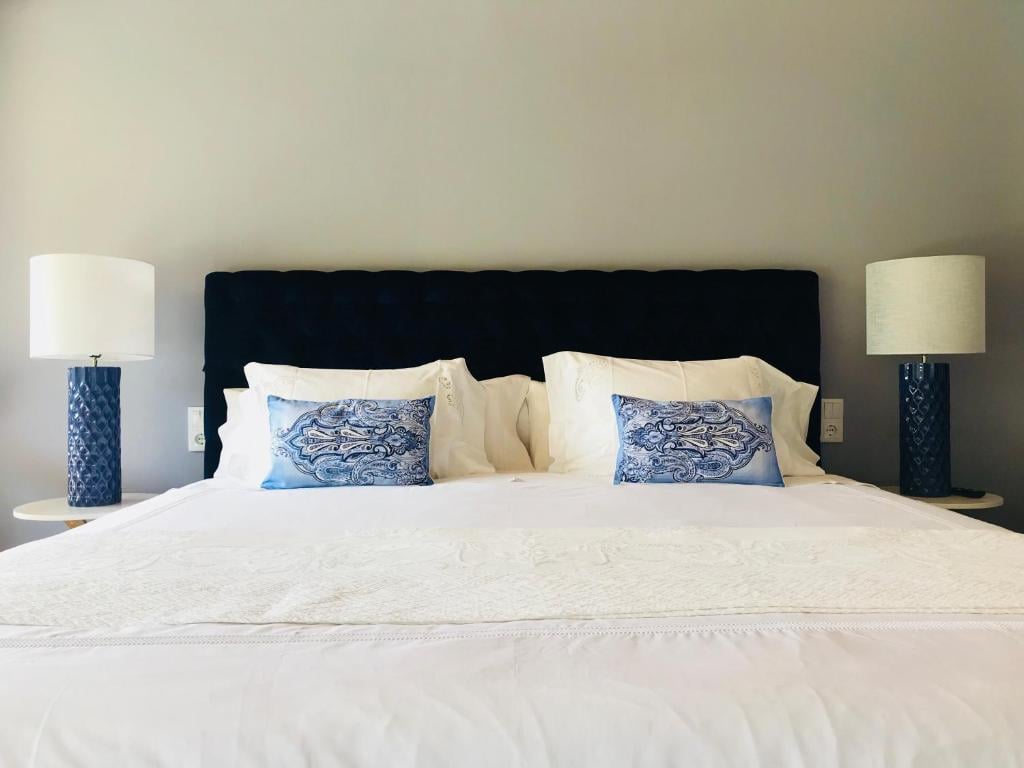
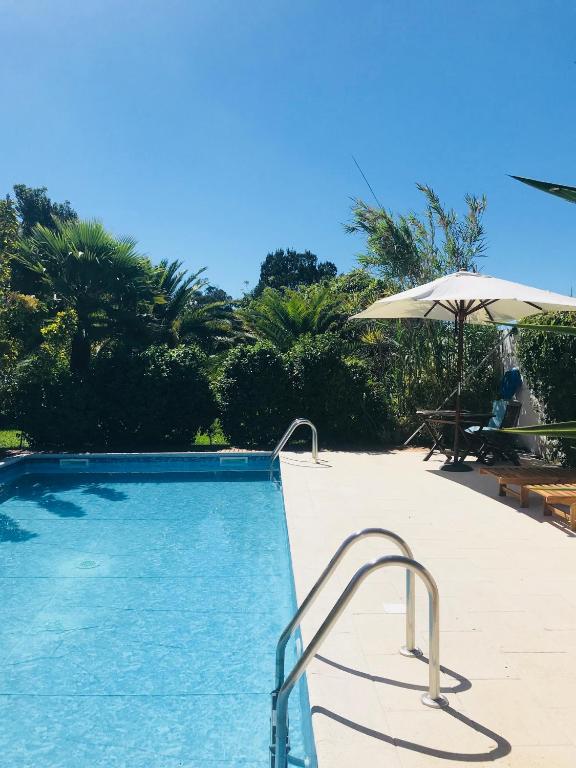
Booking.com

Pico, The Black Island of Azores

0

The second-largest island in the Azores, Pico is home to Portugal’s highest mountain, Pico mount at over 2,000 meters high. At 300,000 years old, Pico is the most recently formed island of the Azores. The Hawaii of Portugal, Pico island is 46 kilometers long and is filled with exotic vegetation and astonishing sea views. Pico is known as the Ilha Preta (“Black Island”) because of its black volcanic soils which nourish the UNESCO-designated vineyards.

But don’t worry, volcanic eruptions have ended in Pico over 300 years ago and it is now dormant. This does, however, lead many curious scientists to visit and study the island.

We do not know when this island was discovered exactly. However, it is believed to have been inhabited since the 1480s when the island became part of Faial’s control, an Azorean island less than 10 kilometers away.

Pico island’s history has been built around its wine and whaling culture. Throughout the years, Pico’s main economic activity was whaling. Whaling began to boom in the 18th century with the presence of American and British whalers. Spermwhaling hunting was the primary industry of the island until 1986 when it was finally abolished. Moby Dick was allegedly set in Pico islands! Today, you can visit the whale museum, the old whale factory. Pico has ever since been leading a movement of fair treatment study of whales, as well as other sea animals.

Pico island’s vineyard culture began in the late 15th century. The volcanic soil provides the ideal conditions for vines to grow. Pico wines are renowned all over the world for their quality.

What to do in Pico?

This is the perfect island to experience a full Azorean experience! You can hike, bird watch, explore the sea life, as well as experience the more luxurious side of the island. Pico also has some of the best swimming spots in the Azores including natural sea pools and waterfalls, as well as sand beaches.

1. Natural Pools

Going for a swim in Pico is like nothing else, you can enjoy a view of the Atlantic ocean and volcanoes. Although there are barely any sandy beaches in Pico, there are many ocean natural pools that provide you with the same experience. These usually even have showers and sometimes picnic tables for barbecues. These natural pools are often very full during summer. If you want to experience the pools like a local, you’ll need to know some secret spots. We recommend the Poço da Maré do Verdugo, Ponta do Admoiro, as well as the classic Lajes do Pico Natural and São Roque do Pico pools.

2. Whale-watching

Since whale hunting was banned in the 1980s, Pico island has become famous for whale watching. 24 different species of whales live in the Azores, making it one of the best places in the world for whale-watching. The best season for whale-watching in Pico is between April to October, even though you can usually see them all year. If you’re lucky, you’ll get to see a sperm whale at around 20 meters long. You can book a dolphin and whale guided tour with a biologist here.

Photo by Andrea Zanenga (Unsplash)

3. Whalers Museum

Known as Museu dos Baleeiros in Portuguese, the Whalers Museum is a must-see, close to Lajes Port. The museum is situated in three boathouses from the 19th century. Inside, you will learn about the history of whale hunting through whalers tools, old photographs, and objects. The museum also has a video about the history of whale hunting in Pico which can be shocking for some but is very well directed.

4. Hiking

Whether you’re in top-notch shape or want to go on an easy hike, Pico Island has the hiking trail for you. This is a great way to see the secret spots of the island, particularly the waterfalls. Make sure to hike on “official” trails that are taken care of by the Azores Tourism Broad. These are properly maintained and signed with hiking markers throughout so people do not get lost. You can look up the official hike trails here. You can find the routes on a map, the duration of the hike, as well as the elevation levels, and more. The best hiking trails in Pico are caminho das Lagoas (22 KM, 7 hours), Calheta do Nesquim (8.6 KM, 2h30), and Prainha do Norte (7.8 KM, 2h30).

We also recommend hiking up Mount Pico, the highest mountain in all of Portugal. However, this is a tough hike. The hike is only around 8 hours, but the rocky terrain is quite hard to walk, particularly on the way down. It is best to do the hike with a Certified Pico Mountain guide to avoid any injury or challenges. You can book a guided hike here where you will also learn about the geology, fauna, and flora of the mount.

Photo by Comanche0 (Pixabay)

5. Experience the Wine Culture

When thinking of Portuguese wine, most people will think of the regions of Douro and Alentejo. However, the island of Pico has some of the best wines in the country and the best vineyards The vineyards in Pico are a UNESCO World Heritage region. A beautiful scenery, these vineyards are different than in mainland Portugal. In Pico, instead of large fields of vines, the vines are located in small squares with black basalt stone walls built around them. The vineyards weren’t made this way just for beauty. This way, the vines are protected from the wind, especially wind that brings salt from the ocean.

Can you visit vineyards in Pico? You’ll see small plots everywhere, but you should also visit a larger one. The two main regions to find larger vineyards are Paisagem da Cultura da Vinha da Ilha do Pico and São Mateus. 

The best thing to do is to book a wine tasting that includes a visit to a vineyard. This wine tour includes a visit to a wine cooperative, a vineyard, and a wine tasting from €43. This wine tour allows you discover the old winemaking traditions with a walk through vineyards and wine tasting for €100. A delicious regional lunch is included!

You can also visit the Wine Museum, located inside a winery and old Carmelite convent near Madalena. You will learn the long history of wine in the island, particularly how Verdelho, a white wine grape, became the most used to produce wine in Azores. The museum has traditional wine objects like Azorean barrels that are hundreds of years old.

Photo by Thomas Schaefer (Unsplash)

7. Explore the Churches

Churches in the Azores are often made in the local black basalt volcanic stone. Each municipality in Pico will usually have its own church. Many have been damaged due to earthquakes and have been rebuilt. The churches in Pico are the locations of many local festivals and are of high cultural value to the islanders.

The best part: these are free to visit. One of the most iconic churches in Pico is the Church of Santa Maria Madalena, the largest on the island. This 19th-century church has Portuguese tiles inside that showcases the everyday life of the locals on the island. Also visit the Santa Barbara Church, the Sao Goncalo Convent, and the Matriz de Sao Joao Church.

Photo by Fitmum (Pixabay)

Day trips from Pico

Pico is part of the “Triangle Islands” with Faial and São Jorge. If you visit Pico and have a few days, make sure to cross the sea to visit these two neighboring islands. You might be thinking, what’s the point? Well, these three islands are completely different from one another and each one has a unique culture.

How to travel between the triangle islands of Pico, Faial, and São Jorge? Atlanticoline has a ferry service that functions all year. These ferries are an easy way to travel between the islands, and you can even take your car. You also get to witness the islands from the ocean with amazing views. The ferry from Pico (Madalena) to Faial (Horta) only takes 30 minutes and costs around €5. The ferry from Pico (Madalena) to São Jorge (Calheta) is less than 2 hours and costs around €10.

We have selected the best things to do on your day trips to Faial and São Jorge. We also suggest renting a car to be able to travel freely around the islands.

Faial Island

A 20-minute drive from the center, Faial‘s caldeira is a must-see. The Caldeira’s crater is an astonishing view that is photo-worthy. It’s best to visit it on a sunny and clear day. You can take an 8-kilometer hike around the crater that takes around 2 hours. We recommend booking a guided tour of the Caldeira where you hike this trail with a guide and even walk down to the bottom of the crater.

Another 20-minute drive away, you will find Porta Pim Beach. This beach is one of the few grey sandy beaches in the Azores. You can enjoy a swim in the ocean and then head off for lunch at the seafood restaurant Genuino, next to the beach. This restaurant is a classic in Horta, Faial, and has a beautiful view of the beach.

A 10-minute walk or 3-minute drive away is the Horta marina. This marina is one of the most visited in the world. It has a large mural where sailors from around the world paint a section to symbolize their voyage. Take a 2-minute walk to Peter Cafe Sport, an emblematic cafe on the island that thousands have passed through.

Last but not least, you must visit the Capelinhos. Located in the most westernmost point of Europe, the Capelinhos is a volcano that erupted in 1958 on the western side of the island. This section of the island was only created 60 years ago after the eruption. The volcano and the floor are the color of the black volcanic rock, making this an interesting and beautiful site. Here you can also visit the Capelinhos Volcano Interpretation Center that has a set of exhibitions about the eruption and the formation of the archipelago.

Photo by Rui Amaro (Unsplash)

São Jorge

Many Azorean islands have a few fajãs, but São Jorge has over 40. Fajãs are small plains located at sea level which were once created by lava flows. In São Jorge, many are small villages. Discovering these on the island is a fun experience. The Fajã da Caldeira de Santo Cristo is known for surf and body board all over Europe. You can also practice water sports and swim in natural pools in Fajã do Ouvidor and Fajã Grande. Our favorite fajã is Fajã do Ouvidor, one that the locals go to the most. It’s home to the Poça Simão Dias, the most amazing swimming hole on the island. The water is clear and you can even jump from low rocks.

We definitely also recommend exploring the coffee plantation in Fajã dos Vimes. You can try the locally grown coffee at Cafe Nunes, owned by a family who opened the cafe at the plantation in 1997. But fun fact, coffee beans did not grow in the Azores originally. The story goes that coffee beans were brought in by someone in the late 18th century from Brazil to the island.

You can always book a guided tour of the island. Perfect if you have not rented a car, book this van tour that takes you to the coffee plantations, to a cheese tasting, a 16th-century church, as well as the Poça Simão Dias. The tour costs €110 and includes lunch.

5 Best Restaurants in Pico: Where to eat in Pico?

Azorean cuisine is the best of the best. From affordable local food to more luxurious options, this island has a restaurant for everyone. Before getting into the best restaurants, you need to know the best things to order to experience the island’s cuisine.

  • Pico island wine
  • Limpets (lapas)
  • Cheese of Pico
  • Blood sausage (morcela)
  • Bolo Lêvedo of the Azores
  • Fried mackerel
  • Octopus

Now that you’re ready to order, let’s go through the 5 best restaurants in Pico.

1. Taberna do Canal

Looking for traditional food? This spot is a classic Azorean restaurant in Pico, loved by the locals. The interior of this place feels like a traditional Azorean tavern with stoned walls. They have a great selection of Pico wines. We recommend their grilled octopus and monkfish, as well as the fruitcake for dessert. You can have a meal here for under €20.

2. Casa Âncora

Looking for an elegant experience at an affordable place? Casa Âncora has been growing in popularity in Pico, with its burgers, fillet steaks, as well as vegetarian options. The restaurant is modern and decorated in minimal light woods. You can have a meal here for  €15 to €20.

3. O Ancoradouro 

This restaurant is like going to a local Azorean’s home for dinner. They serve regional Azorean dishes so this is the perfect place to try some Pico cheese, blood sausage, and some limpets as starters. The restaurant has a terrace with panoramic views of the island of Faial. You can have a meal here for €20 to €30.

4. Magma

Located in the Lava Homes resort, Magma is a restaurant serving homemade food. They have Pico regional dishes like beef stew and blood sausage, with a regional dish for every day of the week. The restaurant is modern and well decorated, with an amazing view of the ocean. This place is perfect for a sunset dinner. You can have a meal here for around €30 per person.

5. Cella Bar

Cella Bar is a well-known high-end restaurant and bar in Pico. Located in a unique wooden building, this is a great place to try a local Pico gin and enjoy the seaside setting. This place has Azorean food, but also international cuisine from risotto to picanha. You can have a meal here for €20 to €30.

Photo by Tiago Miguel Pereira (Unsplash)

Transportation: How can you get around the island of Pico?

Pico does have public transportation, but it will be very difficult to get to places on the island this way. There are not a lot of bus routes and so this is not an effective way to travel.

To get around an island, we definitely recommend renting a car. In fact, this is the best way to visit any island in the Azores. You can pick up a rental car from Pico airport and return it when you are flying back. We recommend renting a car in advance because especially in the summer months, these run out fast. You can rent a manual car starting at €60 a day.

5 Best Places to Stay in Pico: Where to stay in Pico?

1. Adega do Xelica

What better place to stay than your very own Azorean cottage? Built out of black lava rock, you will be only 5 minutes away from a wonderful natural pool. This place is in Arcos and features a terrace with a view of Mount Pico. It has 2 bedrooms, 1 bathroom, a balcony, private terraces, a dining area, as well as free private parking. All of this for only €100 a night.

2. Alma do Pico

Looking for a sustainable travel spot? Alma do Pico has a swimming pool with views of Pico mount and Faial island. The rustic place has studios and apartments with a kitchenette and private bathroom. You can also enjoy their patio and green garden area. Alma do Pico also has a restaurant with a local menu that has panoramic views of Pico. This place also has a Spa & wellness center where you can book a massage for a relaxing experience. A studio here costs €80 to €120 a night.

3. Basalto Apartments

Located in Madalena, these modern apartments feature a private bathroom, a flat-screen TV, a kitchen, as well as a patio with views of the sea. This place will make you feel like you are living in a modern mansion for an affordable price. An apartment here costs €100 a night.

4. XA Apartments

Decorate with minimalist modern furniture, this place in Madalena has panoramic views of Faial and the sea. Only 5 minutes away from a natural pool, this place is perfect for the family. This place has three apartments, all of which have a private terrace. The smallest apartment starts at €80 a night.

5. Azores Youth Hostels

Not willing to spend a lot? No worries, Pico has a youth hostel inside the 17th-century São Pedro de Alcântara Convent in São Roque do Pico. This place’s architecture is beautiful and you’ll get views of São Jorge Island and the ocean. The hostel has a gorgeous interior garden where you can enjoy your breakfast. A bed in a dorm costs €20 a night and a twin room with two single beds costs €50, with breakfast included.

Final Thoughts

Ready to visit this 300,000 year old island? From whale watching to discovering natural pools, and hiking, this island is suitable for the whole family. The second-largest island in the archipelago, Pico is one of the most astonishing islands in the Azores. Its unique vineyards, the views of Faial and São Jorge, and the iconic Mount Pico will make this a trip you will never forget.

Booking.com

JOSÉ SARAMAGO – Celebrating the Centenary of Portugal’s Nobel Prize for Literature

“Unemployed again and bearing in mind the political situation we were undergoing, without the faintest possibility of finding a job, I decided to devote myself to literature: it was about time to find out what I was worth as a writer.”  Lisbon, 1976. 45 years down the line, over two million copies of Saramago’s books have been sold only in Portugal; his work has been translated into 25 languages so far.

If he were alive today, José Saramago would have celebrated his 99th birthday last November 16th. Born in small Azinhaga do Ribatejo, aged two he moved to Lisbon, where he spent most of his life. Forced by a stern family situation to quit grammar school in favour of technical studies, he changed professions several times – car mechanic, civil servant, editor, translator, assistant editor of Diário de Notícias, was even unemployed at a stage for political reasons. He would attend the local library in his free time to quench his thirst for literature, which for many years he had to set aside. In 1947 his first book, a novel, the first of many.

“If you can see, look. If you can look, observe” (Blindness)

Due to his “parables sustained by imagination, compassion and irony [with which he] continually enables us once again to apprehend an elusory reality”, Saramago was awarded the Nobel Prize for Literature in 1998. He was an atheist, believing only love could help humankind improve its condition, which he shows great empathy for. Identity and isolation are recurring themes in this work, with characters showing their struggles and need to connect with one another and bond as a community, finding meaning outside the political and economic structures. His writing is complex yet elegant, witty and experimental: in “Blindness” (Ensaio Sobre a Cegueira – also brought to the big screen along with other novels by the author) he makes no use of proper nouns, the sentences follow one another often using only commas as punctuation, dialogues flow merging with the narrator’s voice.

“Even death, faced with the option of death or life, she would choose life.” (Death with Interruptions – As Intermitências da Morte)

Saramago died in 2010 in Lanzarote, where he had chosen to exile a few years earlier with his Spanish wife and translator due to his work being censored by a conservative government, which deemed it offensive to the catholic community. José Saramago created the José Saramago Foundation in 2007 at Casa dos Bicos, in Lisbon: his goal was to defend and promote the Universal Declaration of Human Rights and to protect the environment. Through his work and foundation, Saramago played an essential role in promoting culture in Portugal as well as disseminating the Portuguese language and culture all over the world. 

Throughout the year until November 2022, a whole programme of events dedicated to José Saramago is scheduled in both Portugal and other countries. “Reading is probably another way of being in a place” he wrote in “The Double” (O Homem Duplicado): why not dive into one of his novels while you plan your next Portuguese stay?

Madeira

2

It’s not surprising that over 1 million tourists travel to Madeira every year. Not only is it one of the safest travel destinations in the world, but tourists can also enjoy an all-year-round summer climate even in winter, gorgeous landscapes, and tropical-like beaches. Madeira was elected the  “World’s Leading Island Destination” from 2015 to 2021 by the World Travel Awards.

Madeira is an autonomous region of Portugal, like the Azores. It’s an archipelago in the North Atlantic Ocean, 400 kilometers to the north of the Canary Islands. The archipelago includes the islands of Madeira, Porto Santo, and the Desertas. Around 250,000 people live on the island and the capital is Funchal. For soccer fans, Funchal is the hometown of Cristiano Ronaldo. The airport is actually named after him!

Things to do in Madeira Portugal

Let’s take a look at the best things to do in Madeira.

1. Enjoy the Views from Miradouros

Madeira has plenty of miradouros (viewpoints) that provide gorgeous views. The best way to get to these are definitely by car. The most famous viewpoints in Madeira are Miradouro Pico dos Barcelos in Funchal and in Porto Santo, Miradouro da Portela. If you have time, also stop by these miradouros: Balcoes, Veu da Noiva and Eira da Achada.

Photo by Dimitry B (Unsplash)

2. Take a Ride on a Cable Car

The cable cars in Madeira are a great way to see the island and ocean views. This is the perfect activity for the whole family. The best cable car is the one in Funchal, a 20-minute ride that goes up to 560 meters high. We also recommend the Achadas da Cruz cable car, on the Northern part of Madeira in Porto Moniz. This cable car is around 450 meters high and passes through the Fajã da Quebrada Nova where you can see crystal clear waters.

Photo by Daniele Franchi (Unsplash)

3. Madeira Dolphin and Whale Watching

Madeira is known all over the world for dolphin and whale watching. There are over 20 dolphin species and around 3 whale species you can spot. The best time to see whales, in particular, is between April and October, although the pilot and sperm whales can be seen at any season. You won’t have any problem spotting dolphins as these are around all year. You must book a tour to go dolphin and whale watching, where you will learn more about these amazing marine life animals. We recommend the following tours:

Photo by adege (Pixabay)

See more dolphin and whale watching experiences in Madeira

4. Best Beaches in Madeira Portugal

Madeira and Porto Santo are a hotspot for tourists for many reasons, but predominantly its quality beaches. You have beaches all over the island that feature gorgeous rock and mountain views. Water temperatures are warm all year round, rating between 19°(66°F) in the winter and 24°C (75°F) in the summer. The best month to visit for warm water and the perfect beach days is in September. The beach options in Madeira are endless so luckily we have selected the best beaches in Madeira Portugal:

  • Porto do Seixal beach (sandy)
  • Porto Santo Beach (sandy)
  • Praia do Vigário (pebbles)
  • Machico Bay Beach (sandy)
  • Prainha Beach (sandy)
Photo by Daniele Franchi (Unsplash)

5. Experience the “Basket Cars”

A quirky transportation method in Madeira are the “basket cars”, with more than one hundred years of history. These cars are made of wood and wicker and can carry two to three people. The most fun part is that these basket cars are literally a big basket going down a two kilometers hill with no mechanical breaks, only controlled by two specialized men who make this experience unforgettable.

6. Take a Guided Tour

Madeira has a lot to offer and discovering the island with the help of an expert local provides a unique experience. No more spending time in touristy attractions filled with people, it’s time to visit Madeira like a local! Here are the best guided tours in Madeira for a memorable trip:

See All Tours in Madeira

5 Best Restaurants in Madeira Portugal: Where to eat in Madeira?

Let’s take a look at the best restaurants in Madeira.

1. O Celeiro Restaurant

Highly praised by locals, O Celeiro is located in downtown Funchal and was founded in 1986, making it one of the oldest restaurants in the region. Its interior is decorated with dark woods, regional tapestries, and Portuguese tiles. This typical restaurant has a variety of Portuguese food as well as dishes specific to Madeira. You can enjoy their regional dishes on this place’s outdoor terrace. We recommend their codfish and octopus, as well as their steaks. A meal here is around €15.

2. Restaurante Il Gallo D’Oro

This restaurant has two Michelin stars and is part of the 5-star hotel in Funchal called The Cliff Bay. Il Gallo d’Oro was the first restaurant in Madeira to receive a Michelin star in 2009. It is also known for sustainability in its gastronomy and was awarded a “Green Star” by the Michelin guide for this reason. Chef Benoît Sinthon produces aromatic cuisine that is inspired by Iberian cookies and sources many ingredients from the PortoBay garden. The cuisine showcases regional products from Madeira. You can get a meal here for €75.

3. Quinta do Furão

Located in the Quinta do Furão hotel in Santana, this restaurant opened in 1993 and features regional dishes from Madeira, as well as international cuisine. The restaurant has two main spaces: an interior room with high walls, a wooden ceiling, and two fireplaces, as well as an outside area with a terrace offering a breathtaking view. We recommend the oxtail soup and the slow-cooked lamb leg. This restaurant also has plenty of vegetarian options. You can get a meal here for €20.

4. Zarcos

Known for its large portions, Zarcos, located in Funchal, offers Madeirense dishes and traditional Portuguese food. The interior is decorated in an authentic Portuguese atmosphere, with wooden touches and stoned walls. The restaurant also has a terrace where you can try some food and enjoy a sea view. They specialize in meat dishes cooked in a fire barbecue. We recommend their sauce pepper steak. You can get a meal here for €10 to €15.

5. The Snug

The Snug is a modern smokehouse located in the Old Town that has an inviting atmosphere and is well-known for its friendly hospitality. They serve international food like American burgers, as well as traditional Portuguese food and Madeirense dishes. They also offer vegan and vegetarian options. We recommend trying their tasty milkshakes, burgers, and sardines. You can get a meal here for €15.

Best Clubs Madeira

  • Vespas Club
  • Copacabana
  • Mini Eco Bar
  • Dubai Club

Top Bars Madeira

  • 23 Vintage Bar
  • Dash Cocktail Bar
  • Bananas Pub
  • Taberna Popular
  • Venda Velha
  • FugaCidade

Transportation in Madeira Portugal: How to get around Madeira

The best way to get around Madeira is by renting a car. You can pick up and return a car at the airport. You can rent a car starting at €35 for 3 days. Are Madeira roads safe to drive on? Definitely. There are three types of roads in Madeira: highways, uphill double lane roads, and narrow steep roads. Make sure to drive slowly on the latter and you will be safe.

You can also make use of public transportation in Madeira. The bus system in Madeira is affordable and very reliable. There are four transport companies in Madeira: Horários do Funchal, SAM, Rodoeste and EACL (Empresa de Autocarros do Caniço). They all offer cheap prices and can get you around the island easily.

Photo by Lili Kovac (Unsplash)

Frequently Asked Questions about Madeira, Portugal

Madeira Location: Where is Madeira Portugal?

Madeira is an archipelago located in the Atlantic Ocean, in the African plate, over 900 KM south of Portugal and over 700 KM west of the African coast. Even though it is quite far from Portugal, it is considered an autonomous region of Portugal, like the Azores. 

Madeira Weather: What is the weather like in Madeira Portugal?


Weather in Madeira Average daytime temperature


Madeira Weather in January

  • Average temperature 16°C (61°F)
  • High temperature 18°C (64°F)
  • Low temperature 14°C (57°F)
  • Rainfall 108 mm
  • Rainfall days 13 days

Madeira Weather in February

  • Average temperature 16°C (61°F)
  • High temperature 18°C (64°F)
  • Low temperature 14°C (57°F)
  • Rainfall 72 mm
  • Rainfall days 10 days

Madeira Weather in March

  • Average temperature 16.5°C (62°F)
  • High temperature 19°C (66°F)
  • Low temperature 14°C (57°F)
  • Rainfall 52 mm
  • Rainfall days 10 days

Madeira Weather in April

  • Average temperature 16.5°C (62°F)
  • High temperature 19°C (66°F)
  • Low temperature 14°C (57°F)
  • Rainfall 60 mm
  • Rainfall days 10 days

Madeira Weather in May

  • Average temperature 18.5°C (65°F)
  • High temperature 21°C (70°F)
  • Low temperature 16°C (61°F)
  • Rainfall 15 mm
  • Rainfall days 8 days

Madeira Weather in June

  • Average temperature 20.5°C (69°F)
  • High temperature 23°C (73°F)
  • Low temperature 18°C (64°F)
  • Rainfall 9 mm
  • Rainfall days 5 days

Madeira Weather in July

  • Average temperature 21.5°C (71°F)
  • High temperature 24°C (75°F)
  • Low temperature 19°C (66°F)
  • Rainfall 6 mm
  • Rainfall days 4 days

Madeira Weather in August

  • Average temperature 22.5°C (73°F)
  • High temperature 25°C (77°F)
  • Low temperature 20°C (68°F)
  • Rainfall 3 mm
  • Rainfall days 4 days

Madeira Weather in September

  • Average temperature 22.5°C (73°F)
  • High temperature 25°C (77°F)
  • Low temperature 20°C (68°F)
  • Rainfall 36 mm
  • Rainfall days 9 days

Madeira Weather in October

  • Average temperature 21°C (70°F)
  • High temperature 23°C (73°F)
  • Low temperature 19°C (66°F)
  • Rainfall 90 mm
  • Rainfall days 12 days

Madeira Weather in November

  • Average temperature 19°C (66°F)
  • High temperature 21°C (70°F)
  • Low temperature 17°C (63°F)
  • Rainfall 90 mm
  • Rainfall days 12 days

Madeira Weather in December

  • Average temperature 17.5°C (64°F)
  • High temperature 20°C (68°F)
  • Low temperature 15°C (59°F)
  • Rainfall 81 mm
  • Rainfall days 16 days

Is Madeira expensive? What is the cost of living in Madeira Portugal?

Madeira is a cheap place and the cost of living is quite low. Let’s go through the prices of most products and services in Madeira.

  • A meal for two people will cost you around €15 to €30
  • A half a liter beer costs €2.
  • A one-way ticket for local transportation will not cost you more than €2.
  • A mid-range bottle of wine costs €3.
  • A one-bedroom in the city center to rent as housing costs between €300 and €700 a month.

Retire in Madeira: Is Madeira Portugal a good place to retire?

Madeira is a good place to retire. The retirement community in Madeira is quite large, with expats coming from all over the world, but mostly from the US and UK. Madeira is not only an affordable place to be, but expats can also access the public healthcare system, as well as other services at a great price. It’s a great place to purchase a house and the climate is mild, making Madeira the perfect place to retire for a slow-paced life.

Travel to Madeira from the UK: How can you travel to Madeira Portugal from the UK?

You can easily and affordable travel to Madeira Portugal from the UK. You can travel from various cities in the UK directly to Madeira. The flight is around 4 hours and costs a minimum of €60 usually. The following airports have flights to Madeira:

  • Birmingham Airport
  • Bristol Airport
  • East Midlands Airport
  • Gatwick Airport
  • Glasgow Airport
  • Leeds Airport
  • Luton Airport
  • London Heathrow
  • Manchester Airport

Is Madeira Portugal family-friendly?

Madeira Portugal is a family-friend vacation place. The whole family can enjoy natural pools, beaches, playgrounds, and gardens that are suitable for all ages. Madeira is also incredibly safe and has low crime rates, making it a great place to visit with kids.