The region of the Algarve is one of the most sought out areas in Portugal, with tourists from all over the world. The warmest area in Portugal, it is known as the crown jewel of Portugal, where the population heads to in the summer. Along with beautiful beaches along the Algarve coastline, this region features quaint villages, waterparks, caves, delicious cuisine, and a lot more. Let’s take a look at the 5 best things to do in the Algarve.
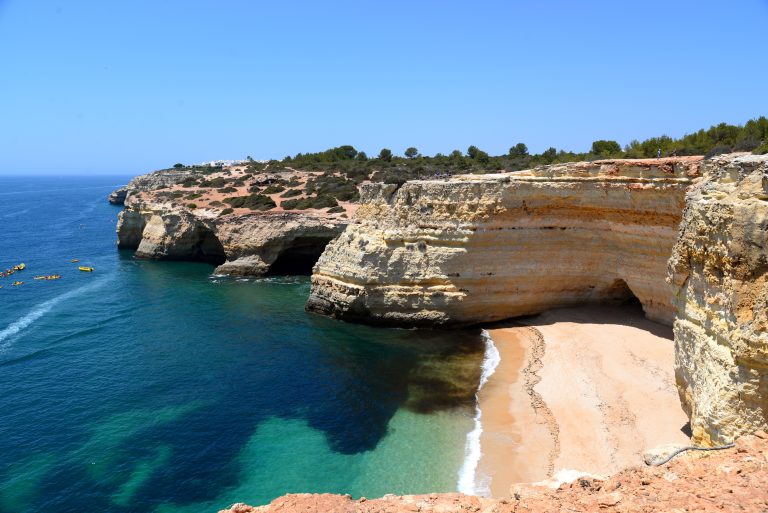
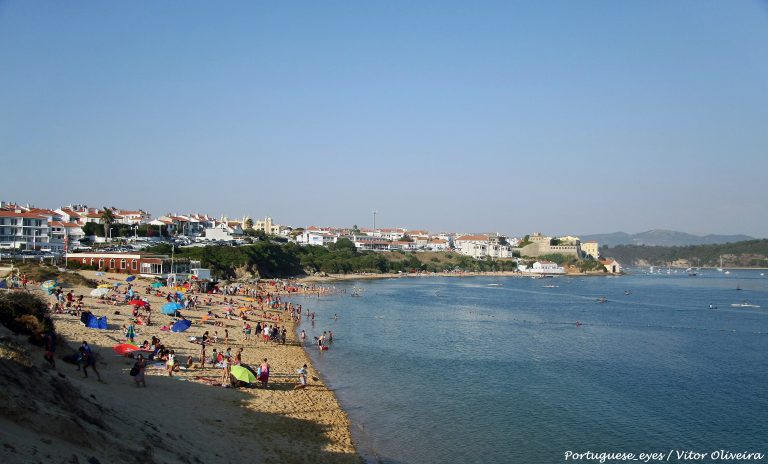
While the winner of the best beaches in Portugal is up for debate, the general consensus is that the Algarve is up there and perhaps takes first place. The water tends to be a lot warmer than elsewhere in Portugal. However, the Algarve has so many beaches that it can be hard to pick which ones to go to.
Many become hoarded with tourists in the summer, while there are more secluded and less-known ones that might be worth the try.
Keep in mind that while official beaches have lifeguards and facilities such as restaurants and bathrooms, some do not offer these services.
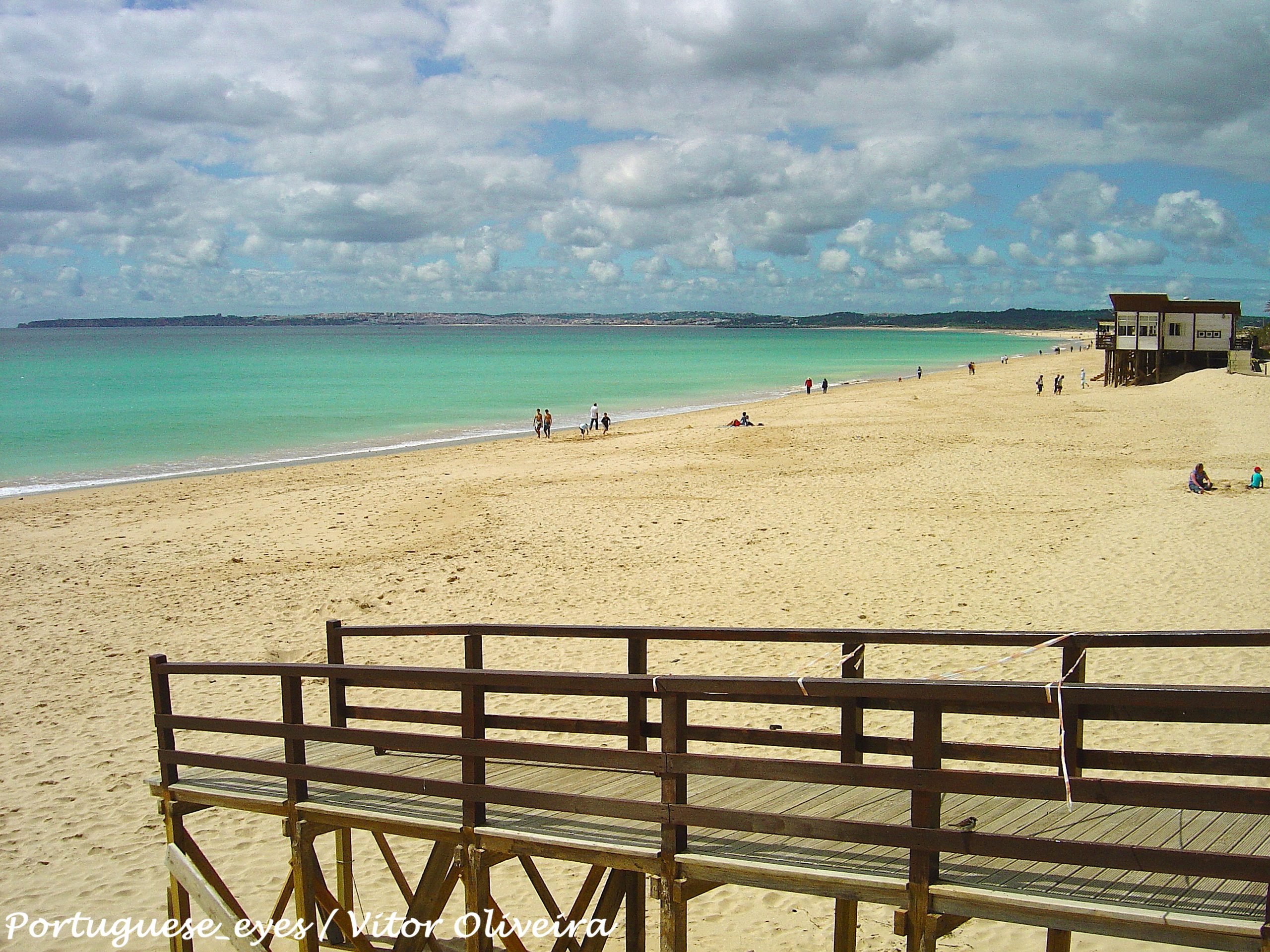
Praia do Alvor: The beach is composed of fine white sand and stretches over 3.5 kilometers, featuring a long boardwalk that guides to gorgeous dunes and the Ria de Alvor Nature Reserve.
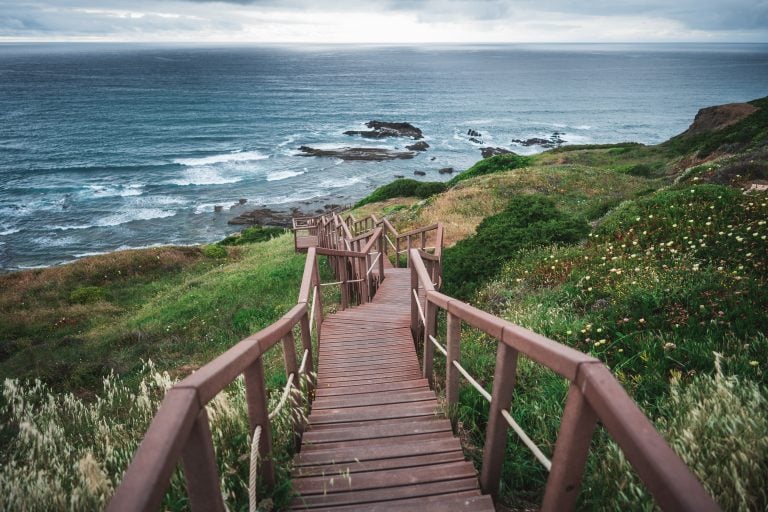
Praia do Barril: The beach features a wooden path over golden sand, which provides a gorgeous contrast with the dark blue waters. Due to the large size of the beach, you will rarely feel like it’s too busy, despite its popularity.
Praia de Odeceixe: Located in the municipality of Aljezur in the region of the Algarve, Praia de Odeceixe is known for its horseshoe pattern, as it is surrounded by the Ribeira de Seixe.
Photo by Vitor Oliveira (Flickr)
2. Have a water park day
The Algarve is home to popular waterparks. These are usually only open between April and October and are a great activity for people of all ages.
Slide & Splash is located close to Alvor and is one of the largest waterparks. This waterpark opened in 1986 and has an area of 10 hectares, including giant slides, loungers, spaces for animal shows, restaurants, and a shop. There are slides for all ages!
Another favorite is Aquashow, a waterpark that is part of a leisure complex with a 4-star hotel. The waterpark features plenty of slides, pools, a watercoaster, and more attractions for the brave, as well as activities for smaller children.
3. Discover the capital of the Algarve
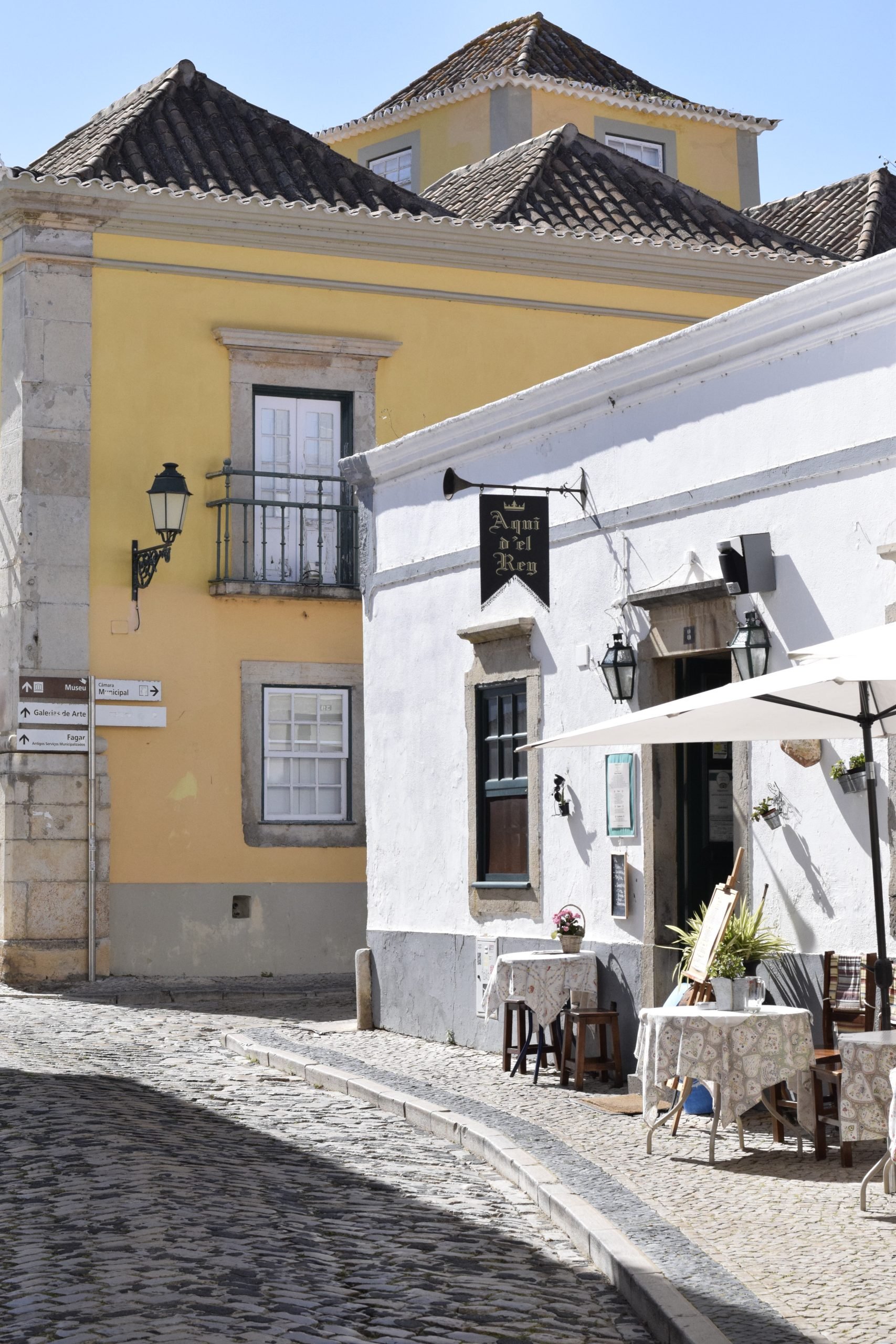
The capital of the Algarve and one of the largest cities, Faro is a tourist hotspot that is close to nature and beaches but also has a cosmopolitan feel.
Faro is where the Algarve’s international airport is located, as well as the university, shopping malls, and more. You will also find a thriving clubbing scene here.
Moreover, from Faro, you can get to the beautiful islands in the Ria Formosa, such as Culatra. These are smaller communities on islands, a few steps from the beach, that are great to explore for a day.
Photo by M. DiFulvio (Unsplash)
4. Benagil caves tour
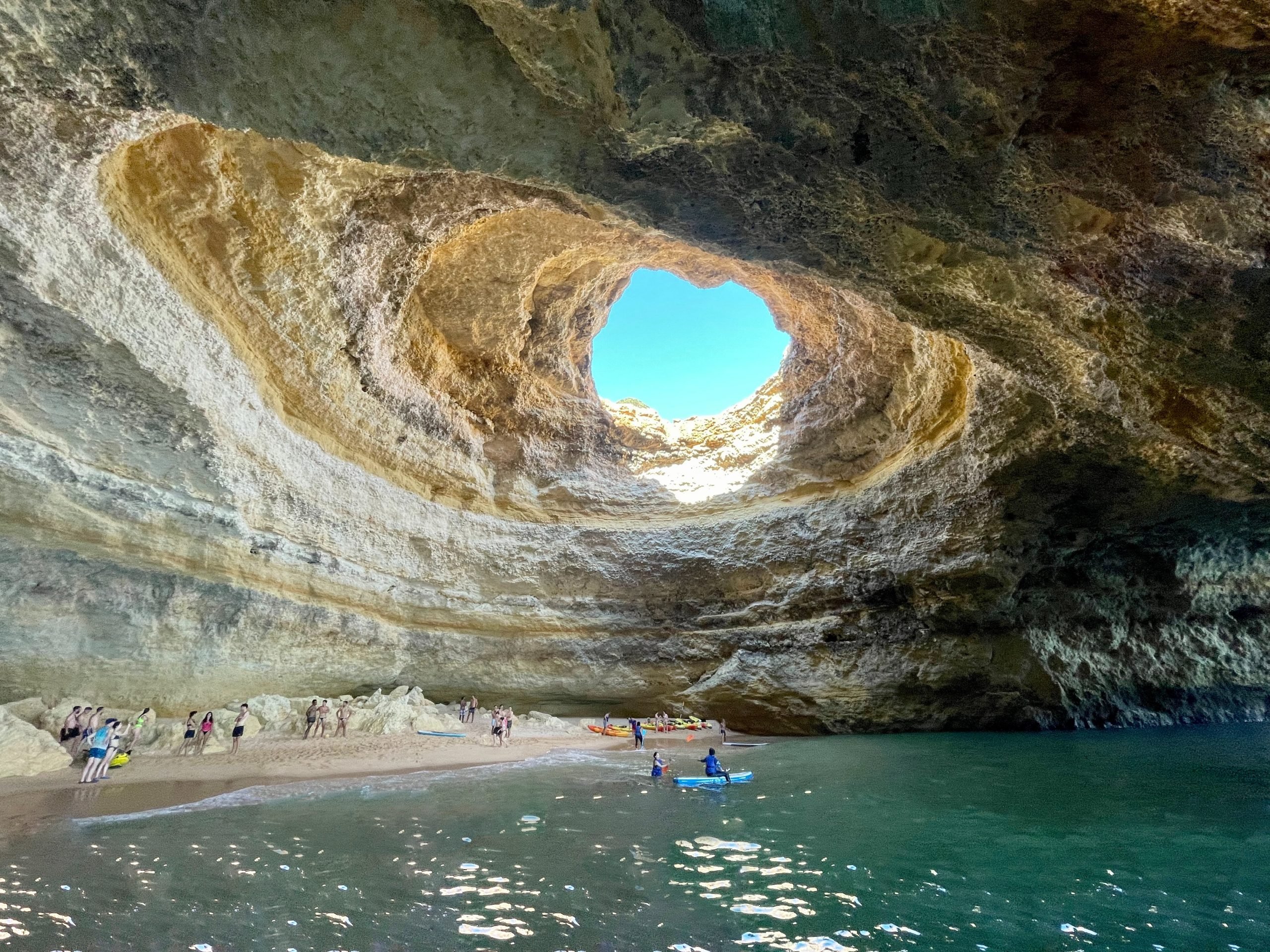
Benagil is a fishing village known for its stunning beaches and sea caves. The Benagil caves are a must-see if you head to the Algarve. We recommend booking a guided tour, many of which start in Albufeira. Here are the best day tours to Benagil Caves.
Dolphins and Benagil Caves from Albufeira: This boat tour allows you to discover dolphins, marine life, and Benagil caves in an inflatable boat. A stop for a swim is included!
Tavira was built alongside River Gilão and features some of the best beaches in the Algarve, as well as picturesque narrow streets with traditional houses. Along with the stunning beaches, the town has multiple attractions such as shops and historical buildings.
Our favorite beaches in Tavira are Praia do Barril, Praia de Tavira, and Praia da Terra Estreita if you are feeling like sunbathing. If you want to discover multiple beaches this affordable 4-hour boat tour takes you on an octopus tour and stops at multiple beaches.
You should also explore the quaint town of Tavira. Take a walk through the city and explore the Chapel of Sao Bras, the castle, and the convent. Book this 100% electric 1-hour tuk-tuk tour if you want a guided tour of the city from a local’s perspective.
If you just moved to Portugal, getting a Portuguese phone number is quite handy, even if you have an EU phone number. Having a Portuguese phone number will help you navigate Portuguese life, set up mobile banking, and download useful apps such as for healthcare and more.
Even if you are just visiting Portugal, a pre-paid SIM card might still be necessary. If you do not have an EU phone number, you don’t want to be dealing with all of those roaming costs. If you’re coming from the EU, you can enjoy your data package from back home roaming free!
Whatever the case, you’re probably in the dark when it comes to the best mobile plans and mobile operations. We have everything you need to know about sim cards and mobile plans in Portugal so that you are connected 24/7 on your next visit.
Luckily, Portugal has an excellent mobile network, using the GSM network for its mobile communications. Most of Portugal has access to 4G connectivity and even 5G in larger cities.
Mobile Operators in Portugal
The most popular mobile operators in Portugal are MEO, Vodafone, and NOS, with MEO having over 40% of the market share in Portugal. Other mobile operators include WTF and Yorn.
To find the best mobile operator for you, we recommend contacting these operators and finding out what packages they are offering at the moment, as these can differ. Just make sure to compare packages before making a decision.
Portuguese Phone Numbers
Portuguese phone numbers have nine digits. Mobile phone numbers also start with a 9. If you want to call a Portuguese phone number from abroad, you always need to include Portugal’s country code beforehand (+351).
Photo by Timur Repin (Unsplash)
Getting a Portuguese Phone Number
You have two options for getting a Portuguese phone number and getting connected in Portugal. You can either opt for a prepaid SIM card or sign up for a mobile contract.
If you are only visiting Portugal short-term and cannot use your mobile plan from back home roaming free, then purchasing a prepaid SIM care is the best option. This is also a great option while you wait for your NIF to switch to a mobile contract later on.
However, if you are planning on staying in Portugal longterm, a mobile contract might be the right option.
eSIMs – A New Option for Travelers to Portugal
What is an eSIM?
An eSIM, or embedded SIM, is a digital SIM card that allows users to activate a mobile plan without using a physical SIM card. It is built directly into the device, making it easy to switch between carriers or plans without needing to change cards. eSIM technology is particularly useful for international travelers, as it allows for seamless connectivity across different regions without the hassle of purchasing and inserting new SIM cards.
How can I purchase an eSIM?
Airalo is a company that provides eSIM solutions for travelers, offering affordable and convenient mobile data plans worldwide. For non-European visitors to Portugal, Airalo offers a variety of eSIM plans tailored to different data needs and lengths of stay.
For example, visitors can choose from a Portugal-only 1 GB plan that lasts for 7 days ($4.50), a 2 GB plan that lasts for 15 days ($7.00), or 3 GB, 5 GB, 10 GB, and 20 GB that can last up to 30 days. For travelers from outside of the EU, an eSIM also allows for a Europe-wide eSIM that includes coverage in 41 European countries including Portugal. Using Airalo is straightforward: travelers can purchase and download an eSIM directly from the Airalo app or website, activate it on their device, and start using mobile data as soon as they arrive in Portugal, without needing to find a local SIM card.
Prepaid SIM Cards for Visits
A prepaid SIM card is the easiest way to get a Portuguese phone number and some data without any long-term commitment, which is essential if you are visiting.
In Portugal, most prepaid SIM cards come with a limited amount of calls, texts, and data. It’s, however, relatively easy to top up more data. MEO, for example, has a 5G data SIM card with 1000 minutes for €10 a month.
Despite the flexibility, these prepaid SIM card plans tend to be more expensive than a mobile contract, as calls, data, and texts are more expensive.
Where to buy prepaid SIM cards in Portugal?
All mobile operators in Portugal offer prepaid SIM cards. You need to compare packages to see what the best deal is for you. You can also usually buy prepaid SIM cards at Portuguese supermarkets or convenience stores, as well as online.
To sign up, you will only need to provide an ID. The SIM card will come loaded with credit, and you can usually add credit online or at an ATM.
Photo by Manik Roy (Unsplash)
Mobile Contracts
If you are moving to Portugal, a mobile contract is probably your best bet as you can get more affordable deals. Most contracts are around 24 months. However, there are also some without any time limit, but these are more expensive.
Your mobile contract will include an allowance of call minutes, texts, and data, which could be unlimited. If you also need an internet and TV connection, make sure to ask about this as you can get a discounted package for everything.
However, keep in mind that there are a series of things you will need to start a mobile contract with a provider in Portugal, such as a tax identification number (NIF).
How to get a mobile phone contract in Portugal
To get a mobile phone contract in Portugal, you can usually either head to the retail outlet of a network in person or sign up online. Most workers speak English in major cities so doing this in person also works great.
To sign up, you will need:
ID
Proof of address
NIF
Bank account details
Some mobile networks require you to have a Portuguese bank account. Therefore, before even getting a mobile phone contract, you should obtain your NIF and open a bank account in Portugal. Doing this during your first week in Portugal is recommended.
Located in Odemira in the Alentejo, Vila Nova de Milfontes lies at the mouth of the Mira Riva and is surrounded by the Southwest Alentejo and the Vicentine Coast Natural Park. The town has some of the best beaches in Portugal, as well as a picturesque village and harbor with fishing boats.
Also known as Vila Nova, this town is particularly popular in the summer months of July and August with Portuguese tourists. However, visiting in the Spring or late September is also a better, more affordable alternative without as many people.
Let’s take a look at our full Travel Guide to Vila Nova de Milfontes, including the best things to do, top restaurants, and more.
Vila Nova de Milfontes is known for having some of the most beautiful beaches in the Alentejo, perhaps even all of Portugal. One of our favorite beaches in Vila Nova is Praia da Franquia, one of the most sheltered beaches in the area, making it popular for canoeing, paddle, and windsurfing.
This small beach has a long tradition of being a popular one in the area, being featured in literature since the 19th century.
One of the best beaches for families with children, as well as water sports lovers, Praia da Franquia is rarely full of tourists and offers a relaxing beach day without too much commotion. Its located close to the town, as well as features several facilities such as a lifeguard, bathrooms, and cafes.
Beware that in this area of Portugal, the water is quite cold, and the waves can get large.
Other great beaches near Vila Nova de Milfontes are:
Praia das Furnas
Praia do Malhao
Praia do Almograve
2. Discover the cuisine of Alentejo
The cuisine in Alentejo is unique to the region, particularly in Vila Nova de Milfontes. You will find a whole range of flavors from local products, including cheeses and olive oil, as well as dishes made of heavy meats. Here are some of our favorite local dishes to try in Vila Nova de Milfontes:
Baixo Alentejo Lamb: Lamb from Baixo Alentejo has a unique flavor due to its diet of milk and cereal, leading to a slice of tender meat.
Linguica: A smoked sausage from Alentejo made from different spices and local meats.
Pig: Known as Carne de Porco Alentejana, this local pig dish is very flavorful. The color of the meat ranges from pale to dark pink, depending on the age of the animal.
Alentejo ham: This is a regional specialty made from the legs and shoulders of Alentejo pigs.
Serpa cheese: Serpa is a semi-soft sheep’s milk cheese from the Alentejo.
Carne de Porco à Alentejana. Photo by Francesbean (Flickr)
3. St. Clement Fort
Translating to O Forte de Sao Clemente and also known as the Castelo de Vila Nova de Milfontes, this historical monument was built in 1602. A coastal fortification, this fort is located on a rocky point in the Foz of Rio Mira.
The fort was meant to defend the population from pirate attacks. In the 19th century, it was no longer used for this military purpose, and then later sold to private owners in 1903.
In front of the fort, you will find the Praca da Barbaca, a quaint square featuring a sculpture that pays homage to Brito Paes and Sarmento Beires, the first pilots to fly from Portugal to Macau. The square features beautiful Portuguese cobblestone floors.
4. Milfontes Lighthouse
The Milfontes lighthouse has one of the best views in Vila Nova and is the perfect place to take some photos. The lighthouse is located at the end of the Marginal Avenue, offering a panoramic view that covers Mira Mouth, Furnas beach, and the Atlantic ocean.
We recommend walking from the town to the lighthouse, as this is a local tradition. After exploring the historical center where the fort is located, walk along Marginal Avenue until you find the lighthouse.
Along with the lighthouse, you will find a statue called the Archangel, an environmental project that won the Utopia award in 2009.
Getting to Vila Nova de Milfontes
The best way to get to Vila Nova de Milfontes from Lisbon is by car. The route is beautiful, and you can stop along the southern coast on the way to places such as Sines. The drive is around 2 hours long.
Alternatively, you can take the bus there. Rede Expressos operates a bus route from Lisbon to Vila Nova de Milfontes, which takes around 3 hours and a half. A return ticket is usually less than 30 euros.
Apart from that, public transportation in Alentejo is pretty scarce, so if you plan to take the bus to Vila Nova, you will have to walk around the town. If you have a car, you’ll more easily be able to drive to further away beaches.
It was announced last week that the oldest dog in the world is Portuguese, a Rafeiro do Alentejo named Bobi, who lives in Leiria. Two weeks prior, Guinness World Records had announced Spike, a 23-year-old chihuahua, as the oldest dog living, but this has since been amended.
Bobi is not just the oldest dog living, he’s the oldest dog ever, born on May 11, 1992.
Bobi took Bluey’s 100-year record as the oldest dog ever, an Australian dog that lived between 1910 and 1939, dying at 29 years old and five months.
Bobi lives in Conqueiros, Leiria, with the Costa family. He is a Rafeiro do Alentejo, a breed from Alentejo used as a guard dog for cattle herding. These dogs have an average life expectancy of 12/14 years.
Bobbi was set to be put down as a puppy, along with his siblings. Fortunately, his current owner, Leonel Costa, was able to hide him.
Three decades later, the owner of Bobi believes that the secret to his dog’s longevity is the fact that he roams freely without being tied to a chain or leash and that he is well-fed and loved.
Bobi only eats human food without seasoning and drinks about 1 liter of water a day. Bobi is also very social and loves spending time with other animals.
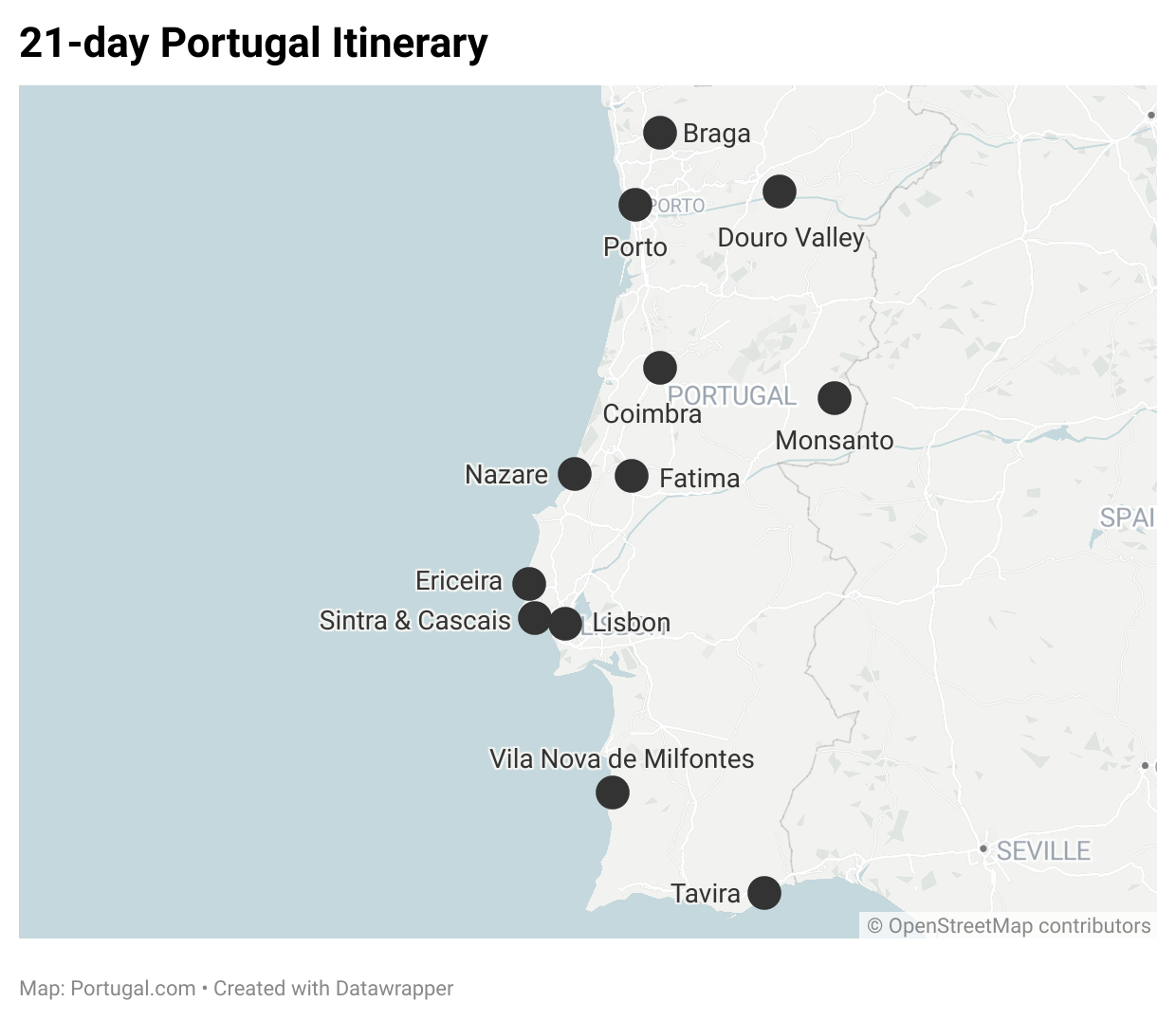
Every year, Portugal’s tourism industry keeps growing as more and more people realize all that it has to offer. However, unfortunately, many tourists only spend a week in Portugal, usually in Lisbon, and miss out on the rest of the country.
The longer you spend in Portugal, the better! If you are looking to explore as much of Portugal in a three-week time frame, our 21-day itinerary has got you covered.
Starting in the north of Portugal and going all the way south, this route is best achieved by car. In reality, except for the main cities, Portugal is not very well traveled by public transport, so driving is your best option.
Also, keep in mind that you do not necessarily need to sleep in each of the following places for a successful trip. Some places are close to each other and if you find a better hotel deal elsewhere, stick to what best fits your budget.
Day 1: Arrive in Porto
Our 3 week itinerary of Portugal begins in the great city of Porto, the second-largest in Portugal and one recently booming with tourism. Porto lies along the Douro river and features one of the oldest historical centers in Europe, declared a UNESCO World Heritage Site since 1996.
Particularly if you are coming from far, your arrival day will probably consist mostly of getting settled and relaxing. However, we do recommend exploring the historical center on your first day, walking around to get situated.
For a quick walk, find the outside of Livraria Lello, one of the oldest bookstores in the country, founded in 1906. Igreja do Carmo is also close by, a beautiful baroque church with a facade of Portuguese blue azulejos (tiles) made locally in Vila Nova de Gaia, across the Douro river from Porto.
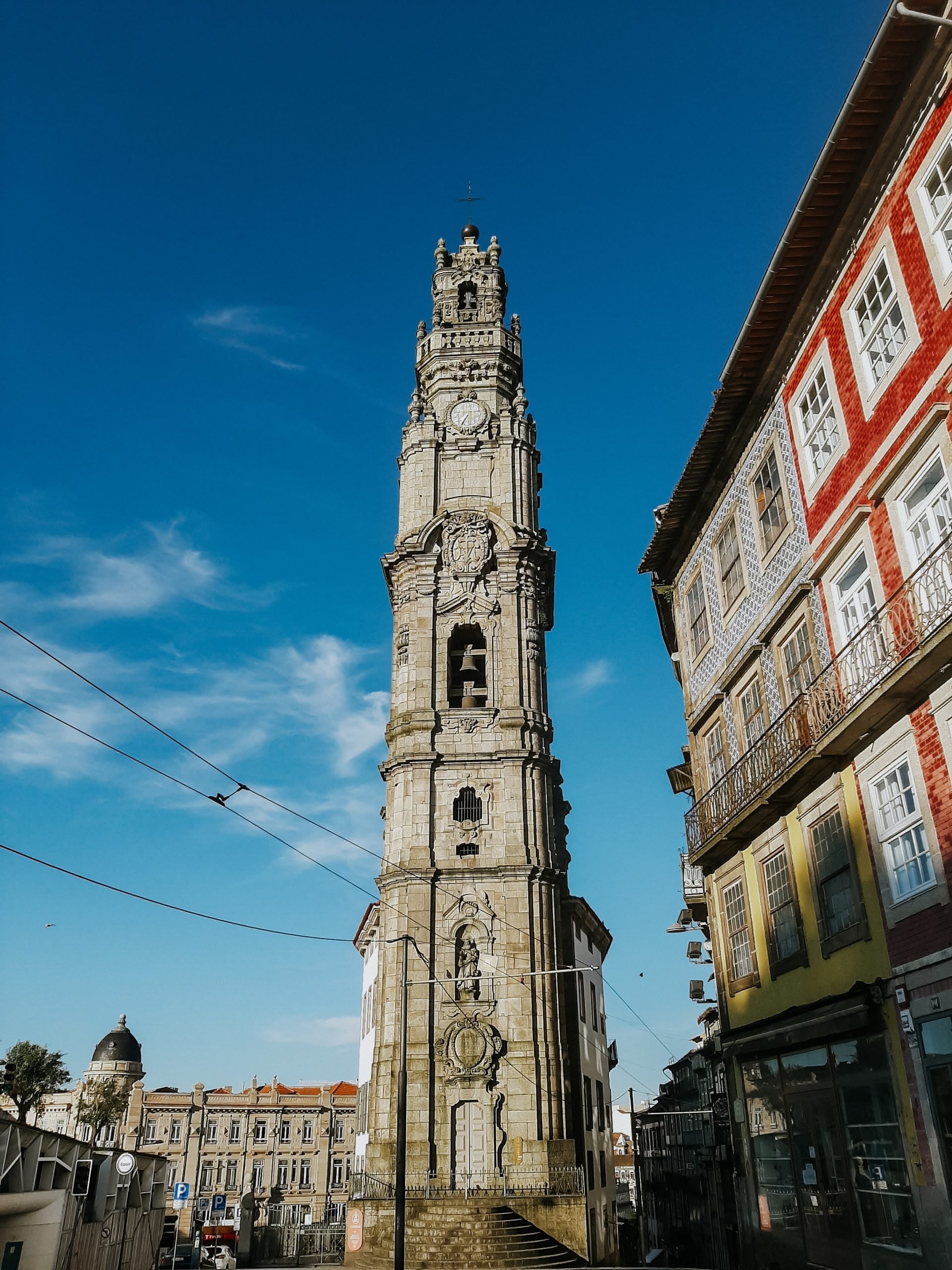
Then walk by the large Clérigos Tower, built in 1763 by Italian architect Nicolau Nasoni, the Clérigos Tower offers a panoramic view of the historical center of Porto. At 75 meters high, visitors can climb 225 steps to the top of the tower, which is worth the workout but perhaps not if you’re jet-lagged.
NH Hotel Porto Jardim: This four-star hotel feels like its five stars. It has a 70 cm deep outdoor people, a spa a few meters away, and a gym. It is located within walking distance of main attractions like Bolhão market, Aliados Avenue, and Ribeira. If you have a dog or cat, this hotel is pet-friendly.
Vila Gale Porto: Vila Gale is a well-known chain of hotels in Portugal and is always a safe option. This one was built in 1999 and recently renovated. The hotel has a spa with an indoor pool, a gym, a restaurant, and two bars.
Hotel Premium Porto Downtown: Located in the old town, this modern 4-star hotel has a sun terrace with views of the city of Porto, the perfect place to enjoy some port wine. You’ll be close to everything you need, Santa Catarina street, Aliados Avenue, and the cathedral.
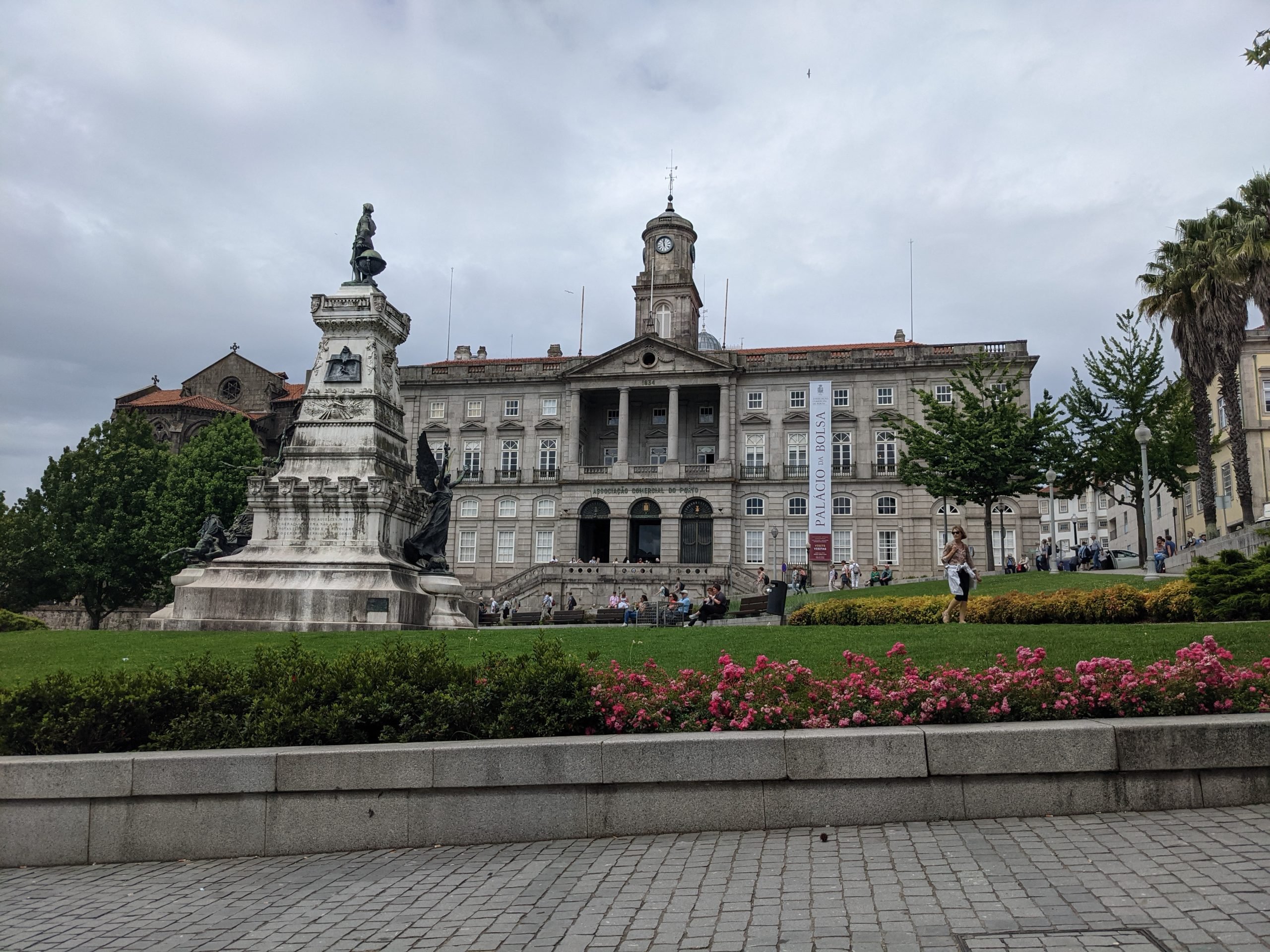
Day 2 is really the first day of your Portugal trip. We recommend starting the morning at one of the most famous monuments in Porto – Bolsa Palace.
Palacio da Bolsa’s construction began in 1842 by the Porto Commercial Association on the ruins of the Saint Francis Convent. The name Palácio da Bolsa translates into “Stock Exchange Palace”.
Palacio da Bolsa. Photo by Kevin Ohashi
Then head to Porto Cathedral, known as Sé do Porto. This Roman Catholic cathedral is a national monument and the most important religious building in all of Porto. The Porto Cathedral still holds a mass every day at 11 am that you can attend for free.
Do not miss Sao Bento Railway Station. A 20th-century railway station in the historical center of Porto, a UNESCO World Heritage Site, São Bento Railway Station is a lot more than just a place of transport.
Home to over 20,000 azulejo tiles, it is a place of culture. The station was built in 1903 and is covered with thousands of these tiles made by Jorge Colaço. His work covers an area of over 550 m2 and depicts important moments of Portuguese history including the Discoveries.
Also, if you haven’t yet gone inside Livraria Lello, this would be the day to do it. Entrance to Livraria Lello used to be free, but they were getting 4,000 visits a day with long lines and less than 5% would buy a book. Now the tickets cost €5. Kids under three years old have free entrance.
Livraria Lello. Photo by Ivo Rainha (Unsplash.
If you are up for a scenic walk of the Douro river, walk the Dom Luis I bridge to Vila Nova de Gaia. Built in 1886 by designer and co-founder of the Eiffel company Théophile Seyrig, visitors can walk across the 60-meter-high bridge on the upper level of the bridge.
Walking through the 1-kilometer bridge, you will have one of the best views of the Douro river, as well as easy access to Vila Nova de Gaia. If you’re up for dinner in Gaia, head to Enoteca or Casa Portuguesa do Pastel de Bacalhau.
We also recommend heading to a fado house, especially at night. Most fado houses offer you a Port wine glass to enjoy with the live show. Book this Fado Live Show in Porto for an intimate setting in Casa da Guitarra near Sé.
For day 3, why not partake in a unique experience where you get to see more of the city in a unique way? A tuk tuk tour is a great way to see the whole city, getting to places that might be tiring and time-consuming on foot.
Here are our three favorite tuk tuk tours in Porto:
Porto’s unique location offers incredible access to the region of Douro. The Douro Valley was made a World Heritage Site by UNESCO in the early 2000s. Departing from Porto and ending in Spain, the Douro river flows in the middle of the Douro Valley, a cultural landscape of vineyards where Douro wines are grown and produced.
The best way to visit the Douro Valley is by booking a tour as transportation is scarce in the area, especially if you want to visit multiple vineyards for wine tastings. We, therefore, recommend booking a Douro vineyard “hopping” tour so that you can experience a variety of locations.
For a more elevated experience, book this river cruise from Porto where you will get to stop at various wineries for tastings, with lunch included.
You can also rent your own car and book the vineyard tours yourself. Our favorite vineyards to visit are:
Quinta da Roêda (Pinhão): Along with wine tastings, this vineyard offers picnics, workshops, and more. You can explore the gorgeous vineyard with a guided tour and have a tasting of three wines for only €12 per person. Their packages go up to €44 per person for a larger number and variety of wines.
Quinta do Crasto (Sabrosa): One of the Top 20 of the World’s Best Vineyards, the wine tasting here lasts around 90 minutes where you get to taste 5 of their wines, visit the wine cellars, and more for €29 per person.
Quinta do Seixo (Valença do Douro): This place has over 100 hectares of vineyards. Their cheapest visit is €15 for a 40-minute tour of the winery and tasting of 2 port wines. Their most luxurious option is a 3-hour picnic in the vineyard where you can taste their wines and enjoy Douro cuisine for €40 per person.
Only a 45-minute drive from Porto, Braga is the largest city in the region of Minho. We recommend spending a night or two here, at least. It is the oldest city in Portugal, boasting over 30 churches.
We recommend heading to the city’s main attraction first, the Sanctuary of Bom Jesus do Monte. Locate on the top of a hill, you will have to climb a large staircase. However, the view is worth it!
Once you reach the top, behind the church, you can explore a park with several chapels, flower beds, secluded benches, and caves surrounded by vegetation, as well as a lake with rowing boats.
Then, go to Republic Square, where a beautiful fountain and a sign with the name of the city welcome visitors. It is the perfect place for a photo!
In this same square, Rua do Souto begins, the main street of the historic center and closed for pedestrians only, you’ll find that Braga’s main points of interest are all within walking distance. The Torre de Menagem is also a beautiful sight, as well as the Cathedral de Braga.
Also, head to the Image Museum, a space dedicated to photography within a beautiful medieval tower that opened in 1996. The Image Museum has over 200,000 images taken by classic and contemporary photographers.
You will also find a display of cameras from throughout the decades, as well as a library with magazines and photography books.
Burgus Tribute & Design Hotel: Located in the heart of Braga’s historic center, Burgus Tribute & Design Hotel is close to popular attractions such as Biscainhos Museum. The modern 4-star hotel provides features a restaurant, private parking, a bar, and a lovely shared lounge.
Melia Braga Hotel & Spa: Maria Braga Hotel & Spa is a luxury 5-star hotel less than 2 kilometers from the city center. This place features a large spa with indoor and outdoor pools, a hot tub, and a sauna.
Hotel do Parque: Located in a 19th century-building surrounded by romantic gardens, the Hotel do Parque is less than 4 kilometers from the center of Braga. The hotel features a spa, a piano bar, and modern rooms equipped with LCD satellite TV and a minibar.
Best Restaurants in Braga
Casa de Pasto das Carvalheiras
Bira dos Namorados
Cozinha da Se
Naco na Pedra
Esperanca Verde
Day 7: Monsanto
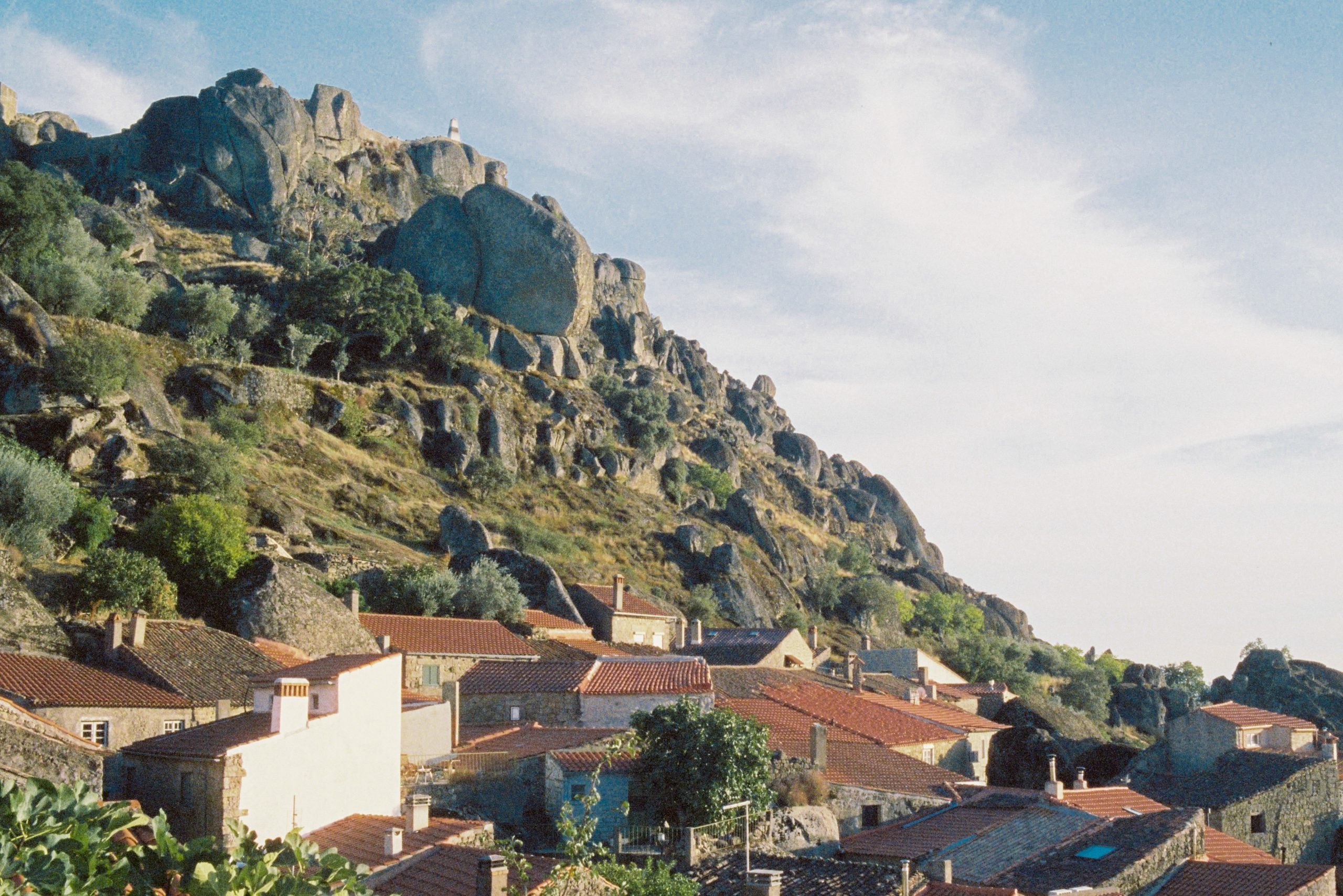
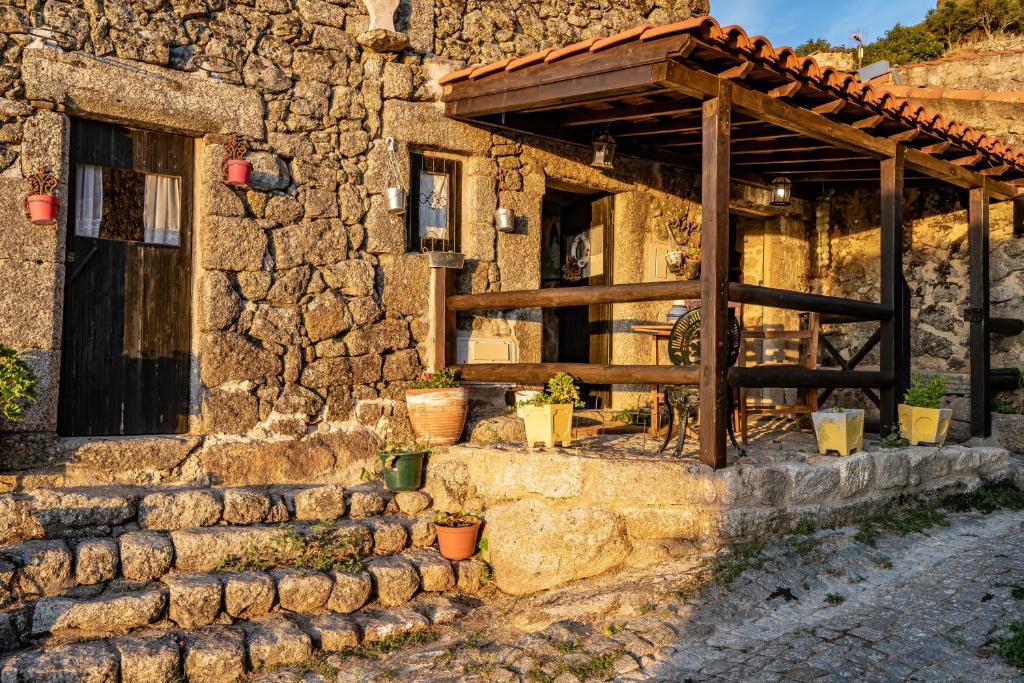
Some might disagree on this one due to the distance, but the interior of Portugal should not be forgotten! Known as a village within stones and once titled “the most typical Portuguese village of all” in a 1938 contest during the Estado Novo regime, Monsanto is a special place.
A 3:30 hour drive from Braga, it is near the city of Castelo Branco, which is also worth the visit. Monsanto is on the official route of Portuguese historical villages. Its history dates back to the country’s foundation, later on belonging to the Order of the Knights Templar.
in late 2022, it was announced that the Game of Thrones prequel House of the Dragon was filmed in the iconic village of Monsanto!
The main attraction in the village is Monsanto Castle. Sitting on top of the hill, this fortified castle was built in 1165 by Gualdim Pais, master of the Knights Templar.
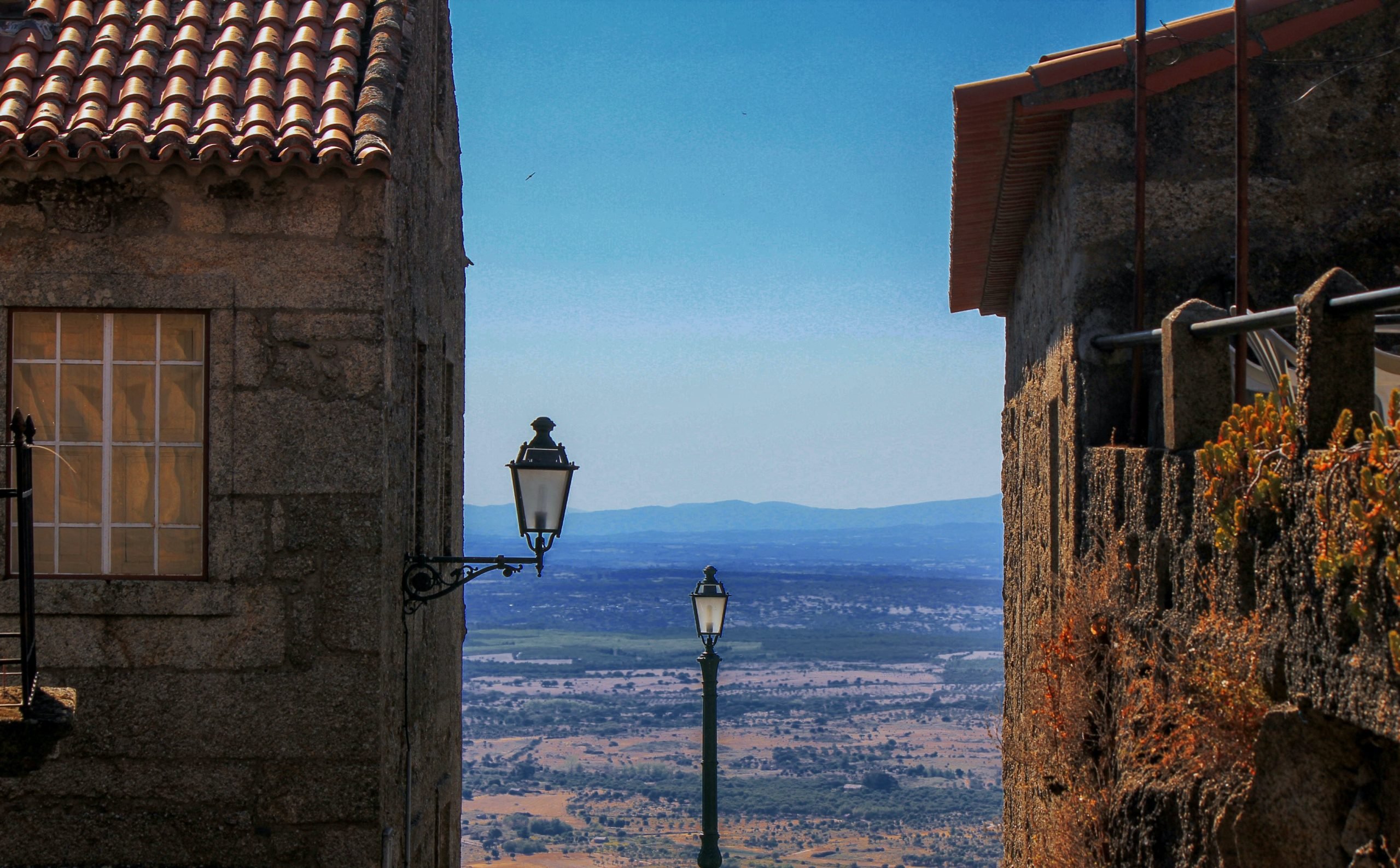
The Monsanto ruins can be visited at the top of the hill, where you will find views that stretch as far as the Serra da Estrela and Spain. Next to the castle, you will find unique ruins of a Roman chapel.
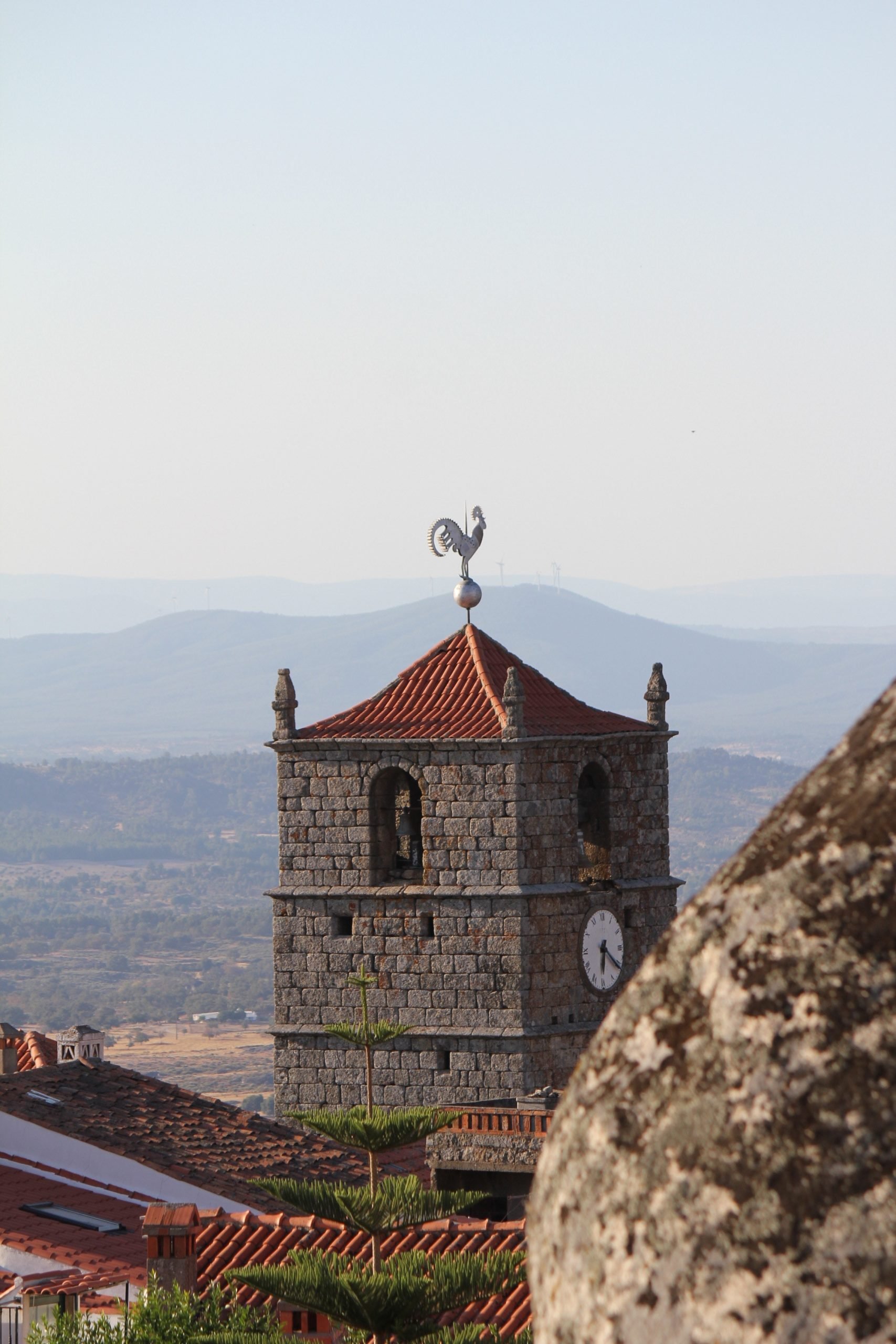
You should also head to Lucano tower, also known as the watch tower. This building features the famous “Galo de Prato” which is a symbol of its achievement during the Estado Novo. In 1938, Monsanto village received the award “of the most Portuguese village in Portugal” in the Galo de Prata awards, given by the dictator Salazar himself.
Watch tower. Photo by Miguel Silva (Unsplash)
If you want a guided tour, we recommend booking this full-day tour of Monsanto, Idanha-a-Velha, and Penha Garcia. This tour from the city of Castelo Branco lasts around 8 hours, stopping in the historic village of Idanha-a-Velha on the way to Monsanto.
You can then enjoy a walking tour through the historic area of the village, stopping at the most important points, including the Lucano Tower, the Monsanto Castle, and beautiful churches.
The end of your trip stops at Penha Garcia, where you will see the windmills and the waterfall of the river beach.
A 2-hour drive from Monsanto, Coimbra should be your next stop. We recommend staying for two days at least.
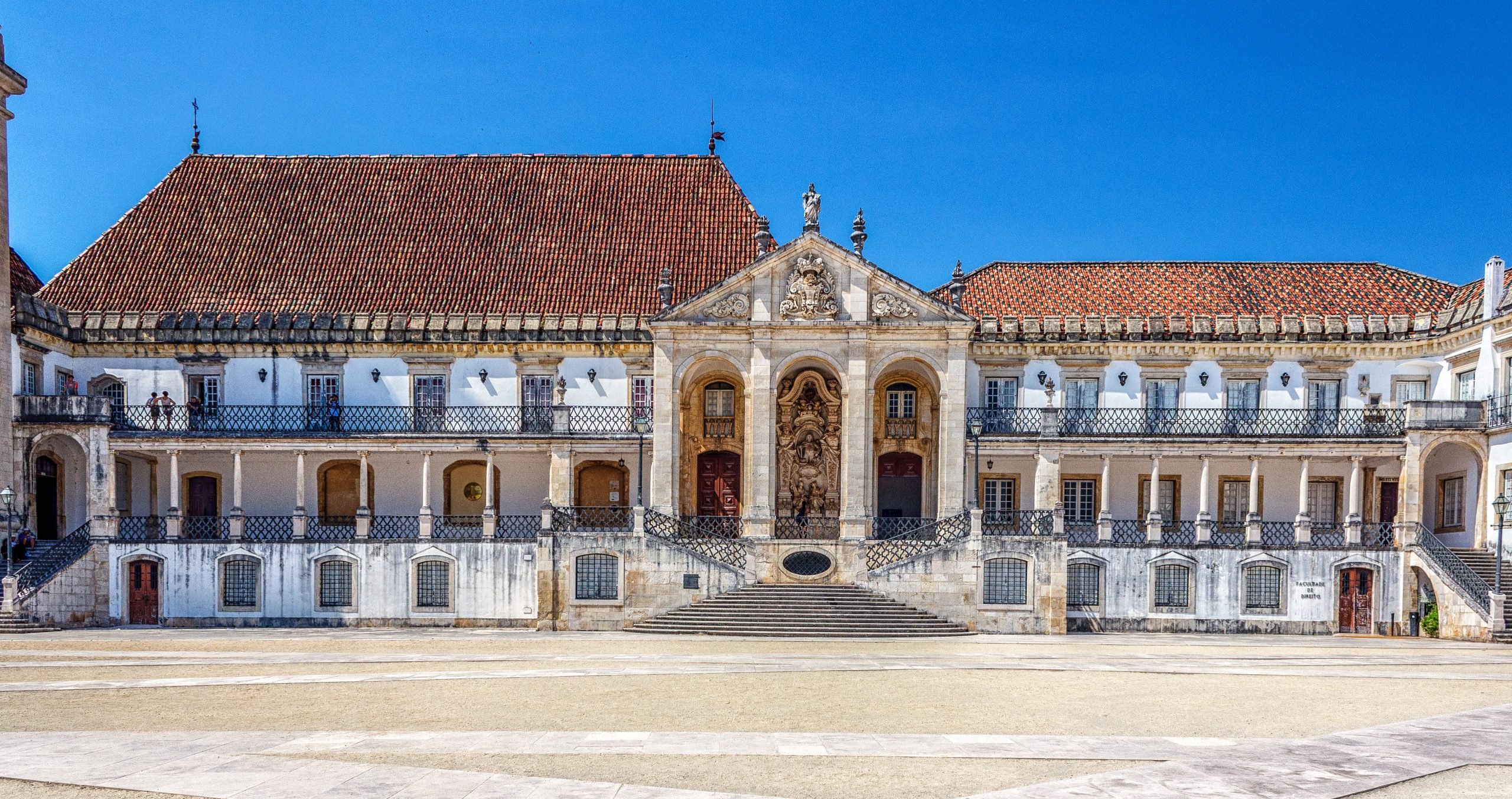
Your first stop should be the University of Coimbra, one of the oldest universities in the world. To get to the university, start from the Almedina Tower, the entrance gate forming part of the wall surrounding the old city situated in the lower section of the city. Here, you can explore the alleys that date back to the 8th century.
Coimbra University. Photo by Ray in Manila (Flickr)
Visit the Joanine Library, a Baroque library situated in the center of the University of Coimbra, by the university tower. The library was built in the 18th century, and it is considered a national monument with priceless historical value. For a full experience, book a tour of the university.
We also recommend taking a walk in the Botanical garden, one of the oldest in Portugal. With 13 hectares of beauty, the garden was established in 1772 by the Marquis de Pombal with the purpose of supplementing the study of medicine and natural history at the University of Coimbra.
Next, visit the Santa Cruz Monastery and the Convent of Santa Clara, built in 1314. If you still have time, head to Quinta das Lagrimas. This estate has been the setting for the forbidden romance between King D. Pedro I and Inês de Castro. The gardens have a canal, “Fonte dos Amores” that, according to the legend, transported love letters between the Estate and the Royal Palace.
Best Hotels in Coimbra
Hotel Quinta das Lagrimas: A 5-star hotel, Hotel Quinta das Lagrimas is located in a historic medieval palace that was recently renovated. Featuring botanical gardens and a luxurious spa with views of the city, as well as a 9-hole golf course, this hotel has all the facilities you need and more.
Solar Antigo Luxury Coimbra: Located in the heart of Coimbra, only 400 meters from the University of Coimbra, Solar Antigo Luxury Coimbra is a 4-star boutique hotel that features views of the city. A historical building, its traditional architecture has been kept intact while including all the modern amenities necessary for a comfortable stay.
Best Restaurants in Coimbra
Ze Manel dos Ossos
Solar do Bacalhau
O Trovador
Day 10: Fatima
A 1-hour drive from Coimbra, Fatima is a hot spot for religious tourism. However, you do not need to be religious to enjoy this city due to its cultural value. Fátima is therefore not only known as a religious site, but the city is also filled with cultural activities. From lighting a candle at the sanctuary for a loved one to visiting local villages, the city has a lot to offer.
We recommend visiting the Sanctuary of Our Lady of Fatima first. The main square of the Sanctuary of Fátima is huge! The perfect place to start. It’s larger than the square of the Vatican and can hold thousands of people. You can gauge the beautiful Basilica of Our Lady of the Rosary and enjoy how enormous, but yet peaceful, the whole religious site feels.
Inside the sanctuary, you will find the basilica, known as “Basilica da Nossa Senhora do Rosário” in Portuguese, a limestone church built between the 1920s and 50s. It has a 65-meter bell tower and a statue of Our Lady of Fátima. at the entrance to the church. The church is decorated in Baroque style. Inside, the church has a 12,000-piece organ, 14 altars, and incredible stained-glass windows.
The Sanctuary of Fatima. Photo by Natacha de Hepcée (Unsplash)
However, there are also great activities outside of Fatima. Known as “Gruta de Moinhos Velhos,” this cave is over 9 kilometers in extension and a 20-minute drive from the sanctuary. It is the biggest cave found in Portugal. The cave was first entered by humans in 1947. The caves are located in the Limestone Mountains, which form the Estremadura Limestone Massif.
The Natural Monument of Dinosaur Footprints is also a great activity. This dinosaur track site was discovered in 1994 by João Carvalho, a member of the local archeology association. Its located around 10 kilometers from Fátima in the heart of the Serras d’Aire e Candeeiros Natural Park.
The footprints are over 175 million years old and were created by sauropods, dinosaurs with small heads and long tails and necks. This place has some of the longest dinosaur tracks in the world, with the longest footprint measuring 147 meters long.
Best Hotels in Fatima
Hotel Santa Maria: This four-star hotel is a 2-minute walk from the sanctuary. Hotel Santa Maria has a modern interior, spacious rooms, as well as a meditation room and chapel. The terrace on the fourth floor provides amazing views of the sanctuary.
Steyler Fátima Hotel Congress & Spa: Steyler Fátima is only 100 meters away from the sanctuary. The four-star hotel has large modern rooms with terraces, a Portuguese restaurant, a chapel for praying, and even a kids club.
Hotel Dom Goncalo & Spa: This four-star boutique hotel is less than a 10-minute walk from the sanctuary. You can enjoy the wellness center here, as well as the outdoor garden with a playground for the kids.
Best Restaurants in Fatima
Tia Alice
Manhas
Arcos de Fatima
Restaurante O Leque
Kansha
Day 11: Nazare
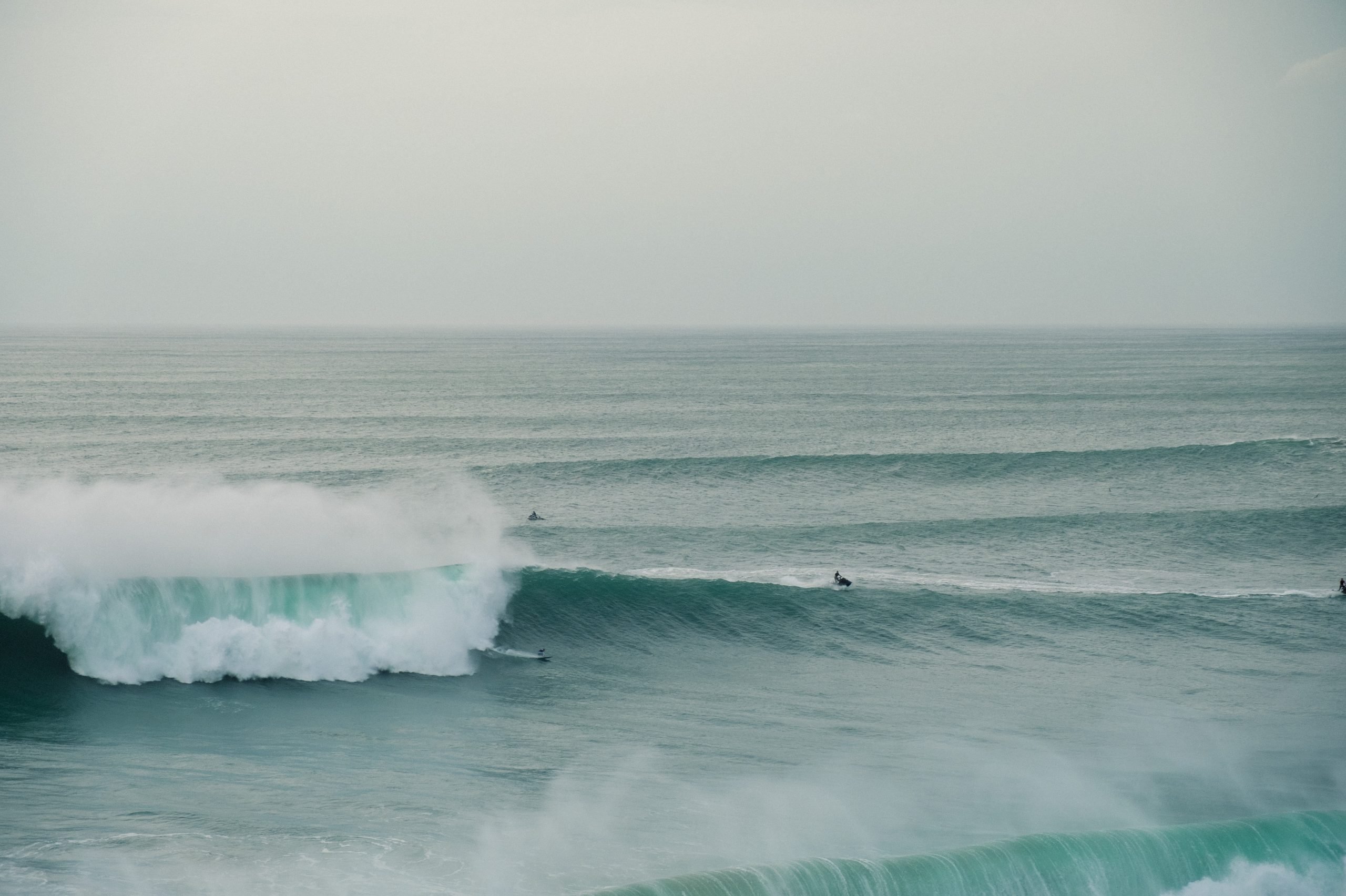
Nazare is home to the largest surfable waves on the planet, particularly Praia do Norte. Nazare became the stuff of surfing legend in 2011 when Garret McNamara conquered the world’s biggest wave at Nazare’s Praia do Norte.
Since then, it has become a place of pilgrimage for the world’s most dauntless surf riders, with Brazilian surfer Rodrigo Koxa outdoing McNamara and setting the world’s Guinness record for surfing the world’s largest 24.4m wave in 2017.
Nazare. Photo by Karim Sakhibgareev (Unsplash)
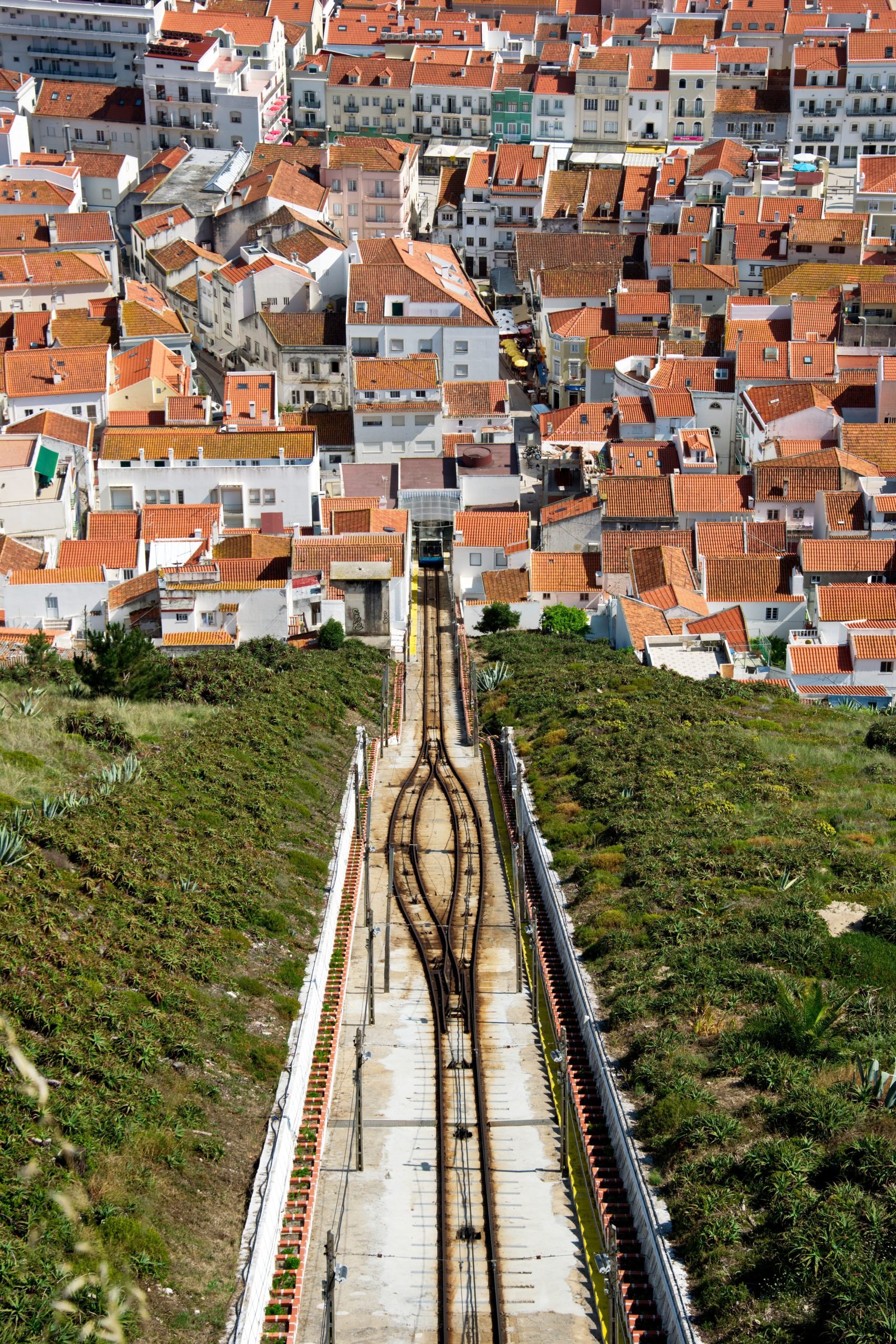
Besides spotting some waves and surging, there is a lot to do in Nazare. Nazare boasts a beautiful funicular trip. This is like a modernized 19th-century train that connects downtown and sitio, the uptown of Nazare. You can walk between these two main areas, but for the best view of Nazare, we recommend the funicular.
The funicular of Nazare runs every 15 minutes and is 318 meters long. You will get views of the town, beach, and the vast Atlantic ocean.
When you get o sitio, we recommend walking around the square and streets, offering cute stores with hand-crafted souvenirs. There is also a range of seafood restaurants you should not miss.
Photo by Magda B (Unsplash)
We also recommend visiting a stunning 16th-century church known as the church of the Nossa Senhora das Areias, this beautiful building looks similar to other Portuguese churches on the outside. However, when you walk inside, you get to witness the unique and rich architecture of this Catholic church. An altar stands in the middle of the church in gilded gold, with other gold accents throughout the building.
There is no better place to experience the authentic atmosphere of a seaside town than at the local market. The Mercado Municipal de Nazare boasts a lively and inviting environment featuring colorful stalls of all kinds. From organic vegetables and fresh fish to Portuguese pastries, this place is bound to call your name.
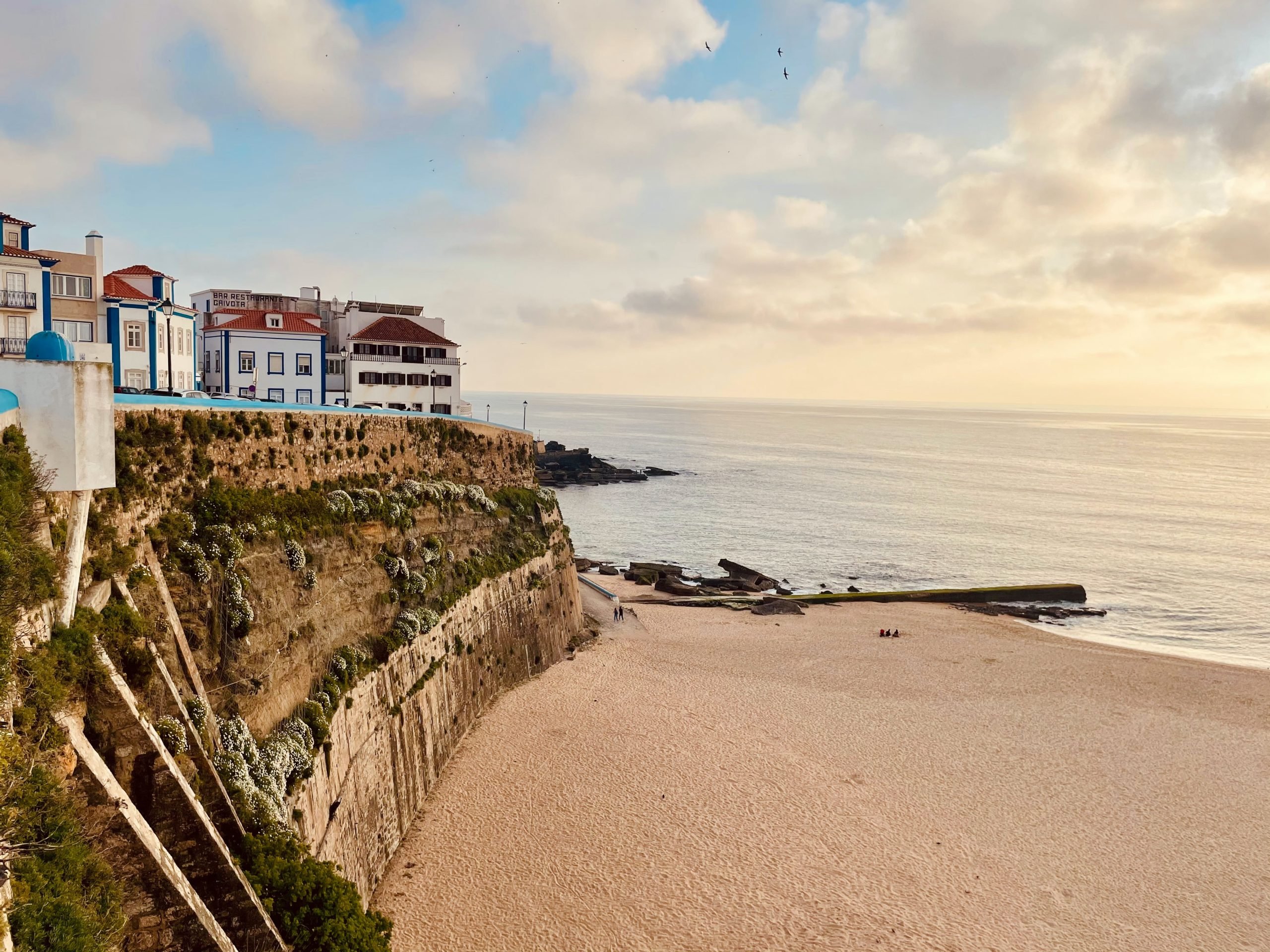
A one-hour drive away from Nazare, Ericeira is a seaside town in Mafra, Ericeira is known to many as the surfing capital of Europe. The only World Surfing Reserve in Europe, Ericeira has the perfect coastline conditions for surfing.
If you want to do some surfing while you’re there, we recommend booking a surf class! Being labeled a surfing reserve, Ericeira is a protected surfing area covering 3 kilometers of great wave quality. The official Ericeira World Surfing Reserve spots are Cave, Pedra Branca, Reef, Crazy Left, Ribeira D’Ilhas, Coxos, and Sao Lourenco.
For a regular beach day, Ericeira also has some amazing beaches. One of our favorite beaches in Ericeira is Foz Do Lizandro, 3 kilometers from the center of town. The river Lizandro flows through this beach onto the ocean, providing a warmer alternative to those who do not wish to swim in the colder and more volatile sea.
Ericeira. Photo by Adam Hornyak (Unsplash)
Another great beach is Praia dos Pescadores, the most central beach in Ericeira. Along with being within walking distance from the center, the “Fishermen’s beach” features beautiful fishing boats and is a family favorite.
Ericeira is also well-known for hikers as it has several trails, providing both a rural feel and breathtaking ocean views. You can check these out on official trail maps or ask the locals. One of your favorite hikes is over 10 kilometers, starting in Ericeira and going through Santo Isidoro, Paco de Ilhas, Marvao, and ending finally in Ribamar.
On one of your days in Ericeira, we recommend visiting Mafra, a beautiful city located a 10-minute drive from Ericeira. Mafra is best known for being the home of the Mafra National Palace, a UNESCO World Heritage Site constructed in Baroque style.
This four-square-km palace is open to the public and includes the royal palace and chapel, a monastery, and one of the most stunning libraries in Portugal with over 30,000 books. There are over 1,200 rooms in the place and two bell towers housing the world’s largest bell collections.
Lisbon is a 40-minute drive from Ericeira. On your first day, we recommend heading to Sao Jorge Castle. The 5th-century palace was restored in 1938 by the dictatorship of Salazar to look the way it is presented now.
Tourists can visit the castle complex, which consists of the castle itself, the ruins of the royal palace, gardens, and a terraced square with panoramic views of the city. A ticket to visit costs between €5 and €10. You can also pay a little extra to skip the line.
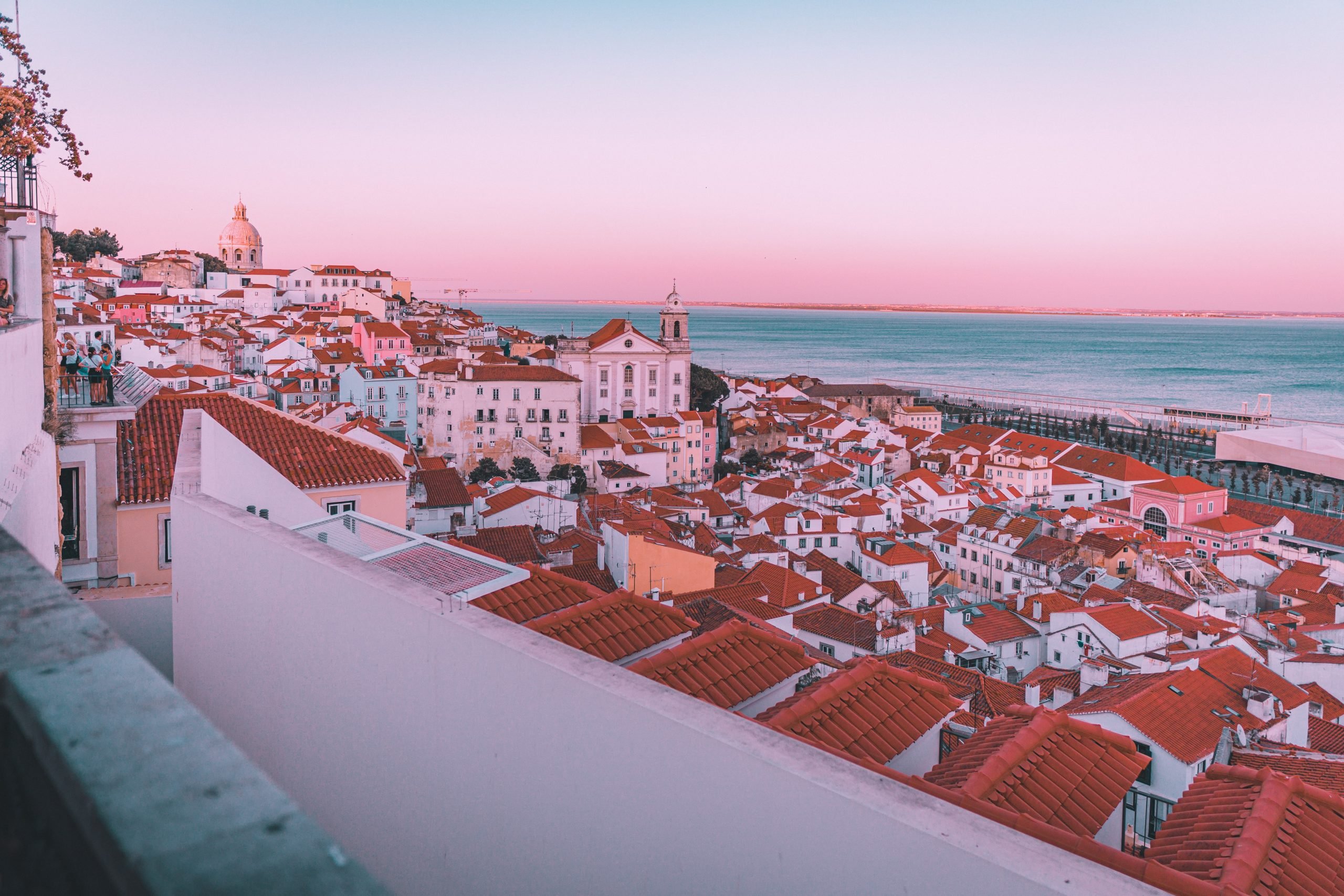
A 5-minute walk away, head to Alfama, the oldest neighborhood in Lisbon and the home of fado. Explore the neighborhood and look out for Fado spots, as well as historical monuments such as the Lisbon Cathedral, the Convent of the Grace, and more.
After that, take the train to Belem. Belem lies along the Tejo Estuary and is home to two UNESCO sites, Torre de Belem and Mosteiro dos Jeronimos.
Mosteiro dos Jerónimos is a former monastery in Belém constructed in Portuguese Late Gothic Manueline style, and you can visit the church for free. A 2-minute walk from the monastery, head to Pasteis de Belem where the traditional Portuguese custard tart was first invented.
Lisbon, Portugal. Photo by Raja Sen (Unsplash)
If you’re looking for a night out, walk to Bairro Alto, the most popular area for drinking outdoors. Tons of locals and tourists line the streets of Bairro Alto with a beer in hand. We recommend Ze dos Bois Gallery, a musical center that has live music and serves tasty drinks.
On your second day, we recommend a guided tour of Lisbon so you get to see as much as you can of the capital. For your second day in Lisbon, here are the best-guided tours to explore the city:
Lisbon 3-Hour Sightseeing Tour by Tuk Tuk: This tuk-tuk tour rides up and down the hills of Lisbon, going through the city’s oldest neighborhoods and main attractions.
Lisbon Hop-On Hop-Off Bus Tour: Book a 24-hour ticket which includes an audio guide. This affordable ticket allows you to visit different routes and hop in as you would like.
Lisbon 3-Hour Tour by E-Bike: This tour allows you to cycle through Lisbon on comfortable e-bikes with a guided tour. You will get to visit different viewpoints and historical attractions.
Best Hotels in Lisbon
Inspira Liberdade Boutique Hotel: Awarded the Best Luxury Green Hotel in 2019, Inspira Liberdade provides a relaxing Feng-Shui vibe for its guests. The hotel has a SPA, fitness room, bar, and a restaurant with Portuguese food called Pen Brasserie Mediterrânica.
Selena Secret Garden: The hostel also has a rooftop deck, CoWork space for professionals, and a movie room. In the heart of Cais do Sodre, you are close to contemporary art galleries, bars with riverfront views, and within walking distance to Chiado.
Bairro Alto Hotel: This hotel is situated in the best location in Lisbon, between Bairro Alto and Chiado in an 18th-century building in central Lisbon. The hotel features a restaurant with award-winning Chef Nuno Mendes and Executive Chef Bruno Rocha.
Best Restaurants in Lisbon
Alfaia
Mezze
A Cevicheria
Alma
Adega da Tia Matilde
Day 16: Sintra & Cascais
If you’re in Lisbon, you need to visit Sintra and Cascais. We recommend spending the morning in Sintra and the afternoon in Cascais. The first thing to do when you arrive in Sintra – grab a “travesseiro”, a Sintra staple at Piriquita, in the heart of the city.
Then walk toward the Castle of the Moors, a medieval castle that sits on a hilltop and was built by the Moors in the 8th century.
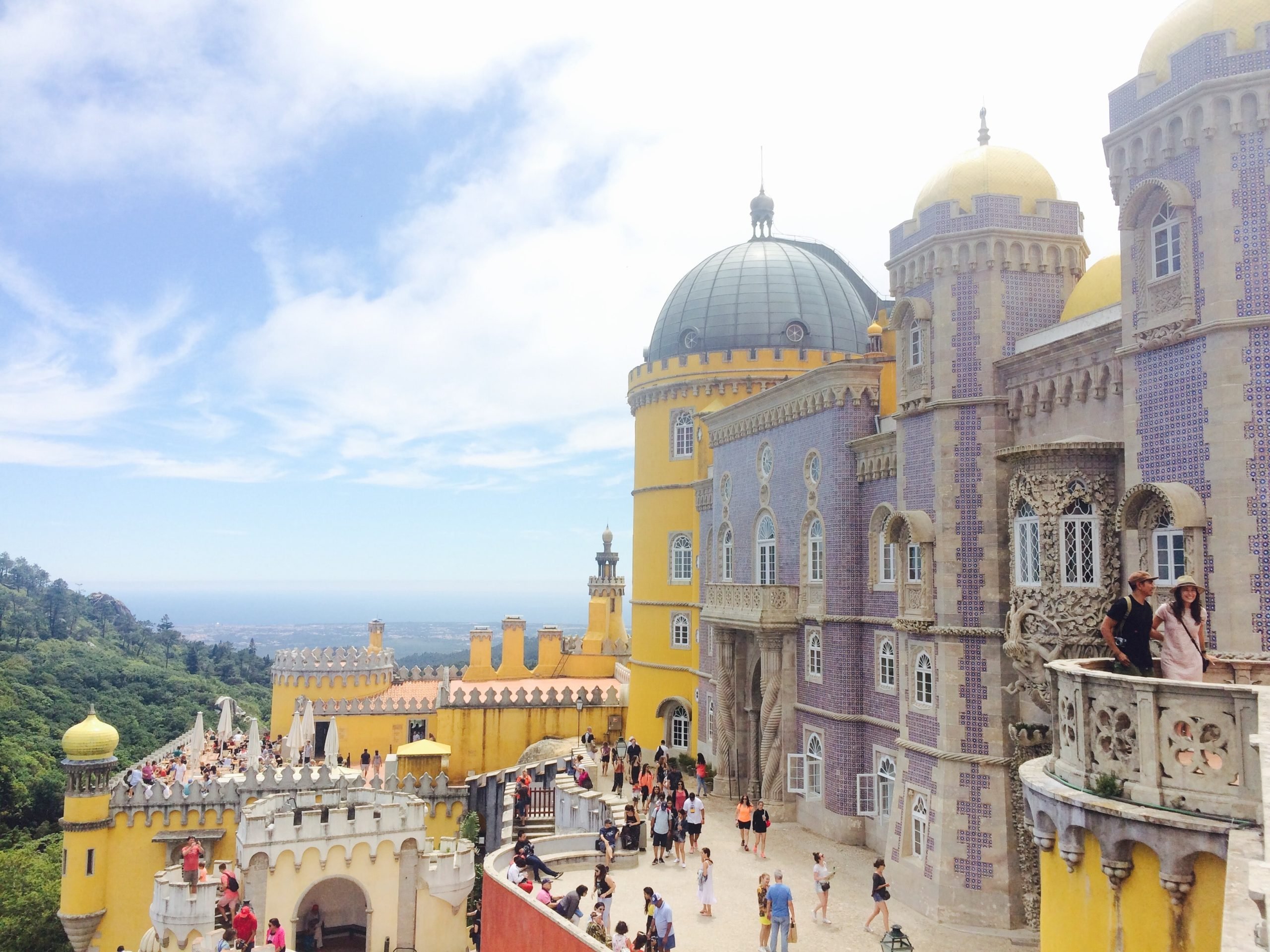
Palacio da Pena is another must-see. The exterior of this palace is painted in multiple colors and is in a romanticist style. You can also wander around the castle and see the beautiful green area that surrounds it. You’ll feel like you’re in a fairytale. Tickets cost around €15.
For lunch, drive towards Cascais and stop at a restaurant called Furnas do Guincho. This is one of the best seafood restaurants in the area, but it is quite pricey. For a more affordable alternative, drive to the center of Cascais and eat at Baia do Peixe.
Palacio da Pena, Sintra. Photo by Natalie Viklicka (Unsplash)
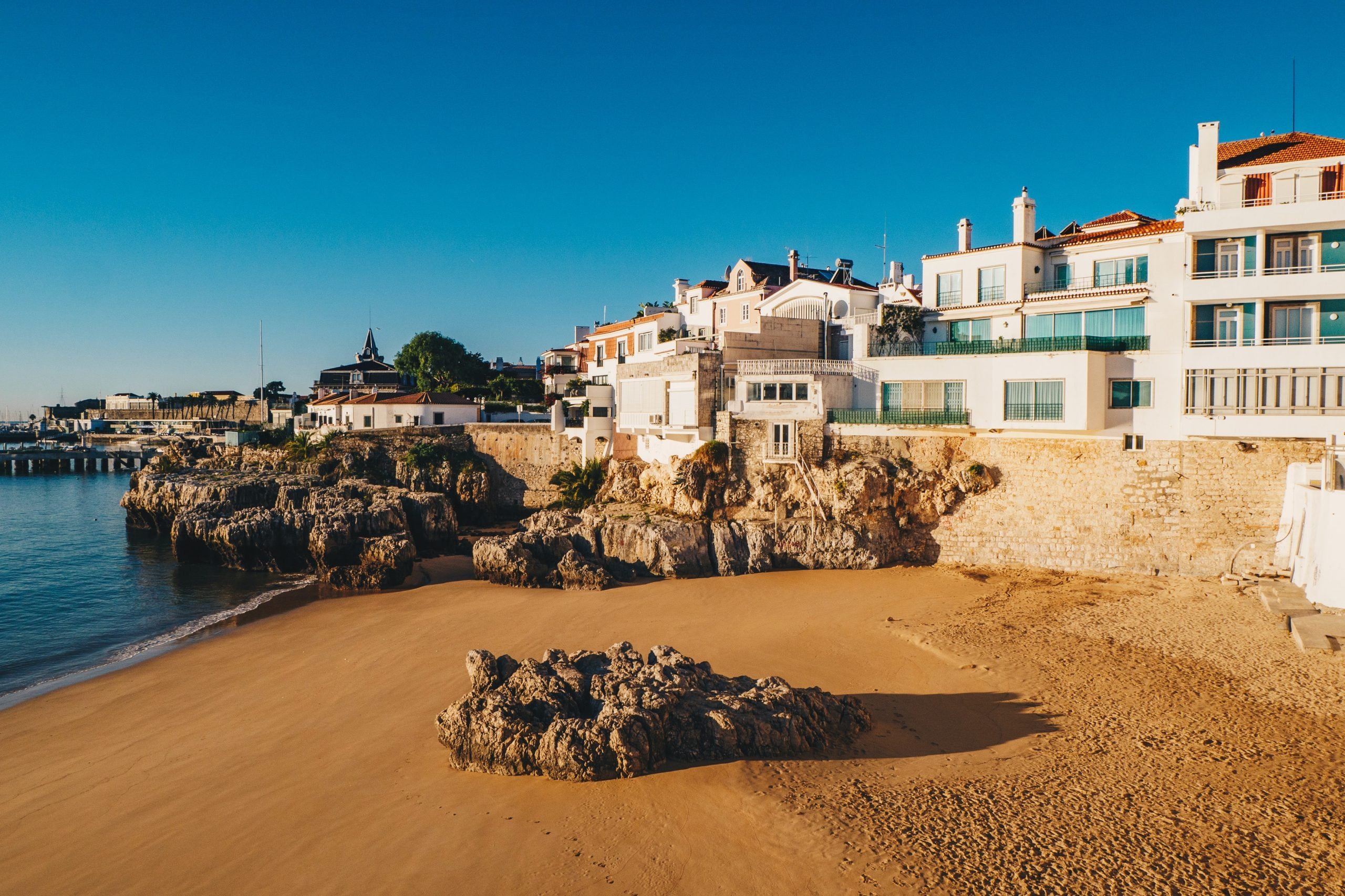
After lunch, discover the town of Cascais, located on the Portuguese Riviera. One of the richest municipalities in the country, it is home to the best hotels and beaches. Head to “Praia da Rainha,” a secluded beach with a wonderful view, perfect for a family photograph.
Then, walk for a minute toward “Frederico Arouca” street. This is essentially the high street with the major stores, as well as smaller vendors selling Portuguese souvenirs.
From there, walk toward the City Hall of Cascais in “Praça 5 de Outubro”. This beautiful building with traditional Portuguese architecture stands in the middle of the commerce square. The cobblestoned streets are the highlight of this square.
If you prefer a guided tour, this tour of Sintra and Cascais takes you to all the best spots. It also includes a guided ticket to the Pena Palace, allowing you to skip the long lines. You can also pick between a shared or private tour. The tour includes free time and transportation.
Cascais, Portugal. Photo by Calin Stan (Unsplash)
Day 17 & 18: Vila Nova de Milfontes
The last portion of your trip consists of relaxing on beaches and eating amazing food. A 2-hour drive from Lisbon, Vila Nova de Mil Fontes is a town located in the Alentejo. It is surrounded by the Southwest Alentejo and the Vicentine Coast Natural Park.
The town has some of the best beaches in Portugal, as well as a picturesque village and harbor with fishing boats. The best beaches to visit in Vila Nova de Mil Fontes are Praia da Franquia, Praia das Furnas, and Almograve, 10 kilometers away.
Spend the next two days relaxing on these beaches and exploring the town of Vila Nova. Visit St. Clement Fort, a fort built in the 17th century that is now an exclusive hotel. Discover the great restaurants, artisan shops, and patisseries in the town center and enjoy the Moorish architecture of the buildings.
Best Hotels in Vila Nova de Milfontes
Raminhos Guest House: Located a 10-minute walk from Franquia Beach, the rooms feature a desk, TV, private bathroom, and luggage storage available.
Monte da Corca Nova: The 4-star hotel features a swimming pool, bar, garden, and water sports facilities. They offer large rooms in traditional stoned houses.
Best Restaurants in Vila Nova de Milfontes
Tasca do Celso
100 Espinhas
Porto das Barcas
Patio Alentejano
Day 19 & 20: Tavira
A 2-hour drive from Vila Nova, Tavira is a town in the Algarve. Tavira was built alongside River Gilão, in an intricate of narrow roadways and white houses, and features golden beaches with warm water. While the small city is mostly known for its beaches, the quaint town allows you to visit some attractions, as well as explore shops, restaurants, and more.
Our favorite beach in Tavira is Praia do Barril. The beach features a wooden path over the golden sand, which provides a gorgeous contrast with the dark blue waters. Due to the large size of the beach, you will rarely feel like it’s too busy, despite its popularity.
Praia de Tavira and Praia da Terra Estreita are also great alternatives in Tavira. If you want to discover multiple beaches, this affordable 4-hour boat tour takes you on an octopus tour and stops at multiple beaches.
Walk through Tavira, exploring the chapel of Sao Bras and the hundreds of other churches. The historic center also features a castle and a convent. Book this 100% electric 1-hour tuk-tuk tour if you want a guided tour of the city from a local’s perspective.
Best Hotels in Tavira
São Paulo Boutique Hotel:São Paulo Boutique Hotel is located less than 5 kilometers from the beach and features an outdoor swimming pool, bar, shared lounge, and large garden for guests to enjoy.
OZADI Tavira Hotel: A 4-star hotel AZADI Tavira Hotel is 3 kilometers away from the beach and features a large outdoor pool, a fitness center, and two restaurants.
Quinta Dos Perfumes: An 8-minute walk from the beach, Quinta dos Perfumes is an 88-acre farmhouse that features beautiful orange groves and a salt-water outdoor pool.
Since you are already in the southern part of Portugal, there is no point flying back from Porto, which is in the north. Fly back home through Faro airport in the Algarve, a 30-minute drive from Tavira. You can usually return car rentals at Faro airport; make sure to ask about this before booking.
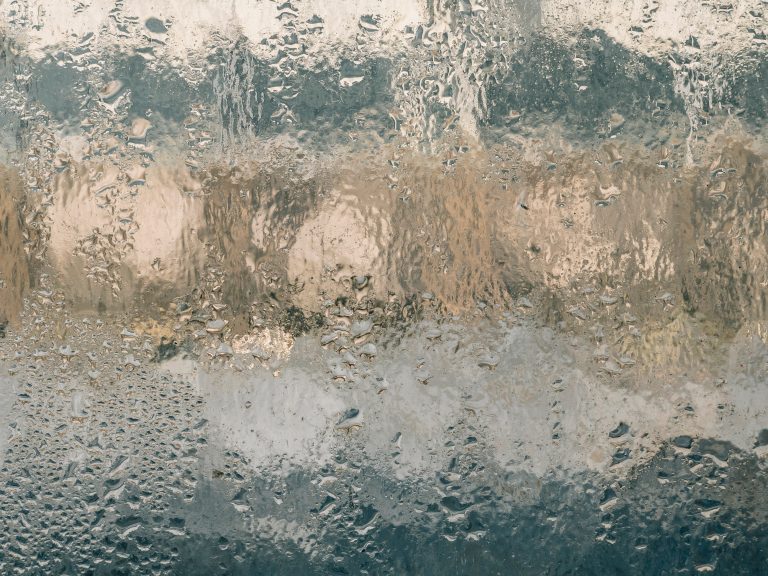
Portuguese houses have always been criticized for their humidity. However, this winter has brought about more intense humidity in Portugal. Hundreds of photos have been shared on social media of humidity in walls and ceilings in Portuguese homes, even as far as spreading onto objects.
December 2022 was the hottest in the last 92 years, which has certain implications, such as high humidity. According to the Portuguese Institute of the Sea and Atmosphere (IPMA), the levels of humidity in the air in January 2023 were around 90% to 100%.
The humidity phenomenon is thus explained by both the large quantity of air vapor in the atmosphere and the high temperatures this winter. For each increased degree in the average global temperature, the humidity in the atmosphere increases by 7%, said climatologist Pedro Garrett to CNN Portugal.
However, there are ways to solve these humidity issues as well as prevent them. The amount of humidity in your home will also depend on the type of build, area of the country you live in, age of home, etc. Let’s take a look at how you can keep humidity at bay in your home in Portugal.
Why do Portuguese houses have so much humidity?
It’s true that while this winter has been exceptionally humid, Portuguese houses have always been known for their humidity. Humidity leads to mold, infiltrations, stains on walls, and more. And these are not just aesthetically unpleasing, they can be harmful to your health.
But why do Portuguese houses have so much humidity? Portugal tends to be a humid country as the Atlantic climate predominates in most of the country. Most of Portugal is located in the humid zone of the Iberian peninsula, predominantly the northwest, which is rainy and humid.
Some houses are more vulnerable to humidity when the walls are not properly waterproofed, which can be the case in some older Portuguese houses. When there are heavy periods of rain, this humidity appears in walls that are in contact with soil and roofs.
Quick Tips: How to solve humidity issues in Portuguese houses
There is no quick fix when it comes to humidity. If your house is not properly insulated, you will always be dealing with the consequences of humidity, such as mold. However, if you do not have thousands to spare to make such a large fix, there are a few tips regarding humidity in Portugal.
Keep house temperatures between 18 to 22ºC.
Open windows every day for at least 30 minutes to ventilate space. If you are leaving the house for a few days, leave at least two windows slightly open. Do so even if it’s raining.
Close bathroom doors while showering and after, using windows and/or ventilators to circulate their vapor.
Do not over-pack wardrobes with clothes, leave spaces between hangers.
Purchase a dehumidifier and place it in bathrooms and wardrobes.
Purchase silica bags and place them in wardrobes and drawers as these fight humidity.
Always turn on your kitchen’s extractor hood and try to cover pots and pans.
Avoid hanging clothes to dry inside. If you do so, place a dehumidifier in the room and close the door.
How to prevent humidity and mold in Portugal
Prevention is key when it comes to humidity. This way, you avoid persistent mold. Even if you are able to figure out quick fixes, the constant exposure to mold is dangerous to you and your family.
There are three main things to control to prevent humidity: ventilation, temperature, and relative humidity.
Ventilation is important for at least 30 minutes daily, preferably cross ventilation. The temperature inside your home should be between 18ºC to 22ºC. Your home’s relative humidity should be between 40% and 60%, preferably.
These three key factors must be monitored to prevent humidity and mold in Portugal. However, without the correct insulation in your home, the humidity will always be at inadequate levels. Investing in this might be the safest and most efficient way, despite the initial cost.
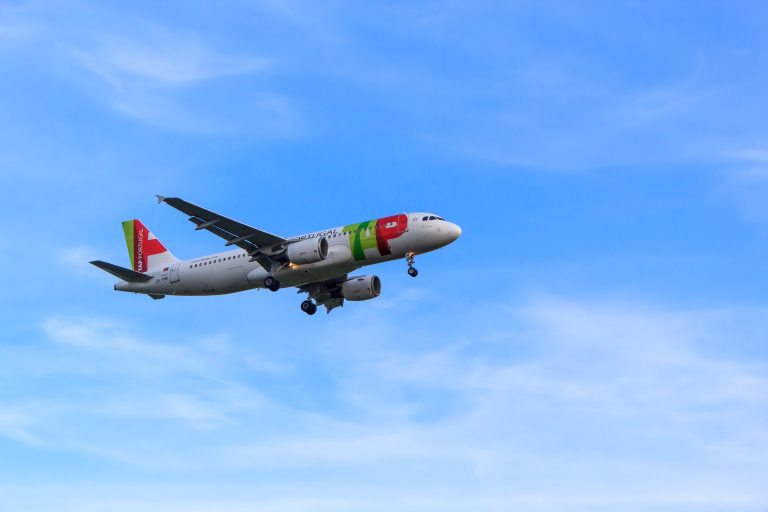
In an interview with ECO, the CEO of Ryanair, Michael O’Leary, said that he would love to buy TAP, although he believes it is “worthless.” He says the Portuguese government’s best shot is to sell it to the IAG Group with the compromise that it will increase traffic by 50% in the next five years.
“I would love to buy TAP, but we wouldn’t be allowed… The problem is that we are blocked because we are the largest airline in Portugal, and TAP is second. If we joined both companies, we would have the Germans, the French, and the British saying we could not do this and that we had a monopoly.”
The CEO goes on to say to criticize the 2 million euro bonus that will be granted to the TAP CEO once the restoration plan is completed, saying the value is too high.
If he could purchase TAP, O’Leary said the first things he would do would be “reducing costs and increasing the number of flights.”
In his criticism of TAP, he said that the airline is not worth much. “It only survives because it received 3.2 billion from the government that must be returned. And it won’t be able to do that… TAP is not a well-managed airline.”
When asked how much he would pay for TAP if he could, Michael O’Leary says that “the issue is not how much the government can sell TAP for, but whether the government can find a partner for TAP.”
TAP Air Portugal is a Portuguese state-owned airline that was renationalized in 2016. The Portuguese government announced in September 2022 that it has plans to reprivatize TAP and conclude its sale in 2023.
Known as a village within stones and once titled “the most typical Portuguese village of all” in a 1938 contest during the Estado Novo regime, Monsanto is a special place. Monsanto is on the official route of Portuguese historical villages. Its history dates back to the country’s foundation, later on belonging to the Order of the Knights Templar.
Located in the interior of Portugal, the village of Monsanto was not known to most people, despite the Portuguese. However, in late 2022, it was announced that the Game of Thrones prequel House of the Dragon was filmed in the iconic village of Monsanto!
While during filming, tourism decreased due to restrictions, Monsanto is ready to welcome tourists back. If you are near the area or fancy a road trip, we recommend visiting the village.
Many argue one sees the whole village in less than three hours, making it the perfect morning for sightseeing before enjoying some traditional lunch. However, others opt for staying the night in what feels like an enchanted village – straight out of House of the Dragon.
Let’s take a look at our full Travel Guide to Monsanto, including the best things to do in Monsanto, top restaurants, and more.
5 Best Things To Do in Monsanto
1. Monsanto castle
As seen on HBO’s House of the Dragon, Monsanto castle is the key feature of the village of Monsanto. Sitting on top of the hill, this fortified castle was built in 1165 by Gualdim Pais, master of the Knights Templar.
Before that, Monsanto belonged to the Moors. However, Portugal’s first King, D. Afonso Henriques, took Monsanto from the Moors and donated it to the Templar monks, who then built the castle.
The Monsanto ruins can be visited at the top of the hill, where you will find views that stretch as far as the Serra da Estrela and Spain. Next to the castle, you will find unique ruins of a Roman chapel.
2. Lucano Tower
The building that most represents Monsanto village is the Lucano tower, also known as the watch tower. This building features the famous “Galo de Prato” which is a symbol of its achievement during the Estado Novo. In 1938, Monsanto village received the award “of the most Portuguese village in Portugal” in the Galo de Prata awards, given by the dictator Salazar himself.
Watch tower. Photo by Miguel Silva (Unsplash)
3. Find the best viewpoints
Monsanto has incredible spots to enjoy the best views. In Portugal, these are called miradouros, translating to viewpoints. Our favorites in Monsanto are Miradouro da Praca dos Canhoes and Miradouro do Toucinho.
Miradouro da Praca dos Canhoes, in particular, is the most beautiful one. Make sure to take some photos as you get a view of the whole village. It is on the way up the hill toward the castle. This is also the last point where driving is allowed, so from now on, it’s time for a hike.
If you are a House of the Dragon fan, you can actually find the exact spot where most of the scenes were filmed. The iconic scenery of the large rocks and greenery that is seen on the show is a once-in-a-lifetime view. Snap some shots of the spot where your favorite characters acted out the story of the House of the Dragon.
5. Monsanto, Idanha-a-Velha & Penha Garcia Tour
One of the best ways to see Monsanto is through a full-day tour with a guide. Not only does this resolve any transportation issues, but this way, you get to learn all the interesting facts about the area.
This tour from the city of Castelo Branco lasts around 8 hours, stopping in the historic village of Idanha-a-Velha on the way to Monsanto.
You can then enjoy a walking tour through the historic area of the village, stopping at the most important points, including the Lucano Tower, the Monsanto Castle, and beautiful churches.
The end of your trip stops at Penha Garcia, where you will see the windmills and the waterfall of the river beach.
Forget transportation within the village of Monsanto, as it is literally in the middle of nowhere. You will surely have to arrive in a vehicle, either in your own car or through a tour. There are guided tours, including transportation coming from Castelo Branco, a one-hour drive away.
Monsanto is a three-hour drive away from both Lisbon and Porto. If you are driving, we recommend coming as early as possible to find a parking space close to the top of the hill.
The media outlet found simple rooms in the center of Lisbon going for €1,000 a night, as well as apartments in Cascais, 30 minutes away, for over €4,000.
Various hotels are asking for over €12,000 for the week between July 31 and August 7, around €1,500 a night. More shockingly, one hotel is asking for €70,000 for 8 days, around €9,900 a night.
In Fatima, where fewer places are available, renting a three-bedroom apartment can cost around €8,000. The week before, similar apartments were going for €1,800.
The cheapest option for the week in Fatima is around €335 for a bed in a shared dorm with a shared bathroom. Four-star hotels in Fatima are going for €6,000 for the whole week.
World Youth Day Lisbon 2023, known as the Jornada Mundia da Juventude or JMJ in Portuguese, takes place in the Portuguese capital this year from August 1 to 6.
World Youth Day (WYD) is a Catholic pilgrimage event for young people from all over the world, which includes a visit by the Pope.
The government has already been heavily criticized for its investment in World Youth Day, spending around 35 million euros on the event.
The costs of the alter-stage in which the Pope will stand shocked the nation, costing over 5 million euros.
However, many argue that this event will have a high economic return and that these expenses are justified.
When Spain hosted the event in 2011, 50 million euros were spent, with a return of 350 million euros.
However, no public spending was included in this investment, with the money raised by Catholics and private companies.
With a growing international community, Porto is a welcoming city for expats, a population that keeps on growing. But any move can be frightening, particularly when it comes to finding a new home. Where should you live in Porto?
This will depend on what’s most important to you: an extremely central location or a larger apartment for a lower price. Whether you have a large family or want the city lifestyle also impacts where you should live in Porto.
To figure out the best scenario for you, let’s take a look at the 6 best neighborhoods to live in Porto
Located on the riverbank of the Douro, Ribeira is one of the most popular places to live in Porto. Ribeira has both a lively nightlife and delicious restaurants, as well as quieter areas to enjoy a walk.
Ribeira also offers views of the Douro river, Dom Luis I Bridge, and Vila Nova de Gaia, some of the best views in Porto. Ribeira is the most popular area amongst expats so you will find a strong international community here.
The average price per m2 to purchase a house in São Nicolau (the parish to which Ribeira belongs) in December 2022 was 3,906€/m2. To rent, it costs an average of 19.3€/m2.
Photo by Tomas Evaristo (Unsplash)
2. Cedofeita
Cedofeita is a trendy neighborhood close to the most iconic monuments in Porto. Cedofeita is also located in the art district of Porto, filled with art galleries and concept stores, catering to a younger trendy crowd.
This is the perfect place for a young creative to live in. You will also be close to the Crystal Palace Gardens and other green spaces. Cedofeita also has a great transport system and has seen demographic change with more expats motiving to the neighborhood.
The average price per m2 to purchase a house in Cedofeita in December 2022 was 3,906€/m2. To rent, it costs an average of 19.3€/m2.
Cedofeita, Porto. Photo by Pedro Menezes (Unsplash)
3. Paranhos
Paranhos is the largest parish in Porto and one that provides affordable housing close to the city center, Known as a university area, Paranhos has loads of student residencies and rooms to rent in this region. However, it is also a great family neighborhood with a large network of markets, stores, and restaurants.
Paranhos is located near the Polo university metro, providing a great public transport network. You will also be a few minutes away from libraries and the hospital, which is incredibly convenient.
The average price per m2 to purchase a house in Cedofeita in December 2022 was 2,920€/m2. To rent, it costs an average of 11.8€/m2.
4. Foz do Douro
Foz do Douro is the perfect place to live if you want to be near nature, but not too far from the city. Located in Western Porto, Foz do Douro faces the ocean and features apartments with stunning views of the Atlantic ocean.
There are has numerous green spaces, such as Parque Serralves, as well as some of the best seafood restaurants in Porto. However, Foz do Douro is one of the most expensive areas to live in.
The average price per m2 to purchase a house in Foz do Douro in December 2022 was 4,193€/m2. To rent, it costs an average of 15.8€/m2.
Foz do Douro. Photo by Rui Alves (Unsplash)
5. Vila Nova de Gaia
Located south of the city of Porto, on the other side of the Douro river lies the city of Vila Nova de Gaia. Known for its Port cellars, gardens, and astonishing views, Gaia is a great place to live, away from the hustle and bustle of the city, while still remaining close.
Porto has a larger public transportation network than Vila Nova de Gaia. Forget the metro and trams. However, the bus system is still pretty efficient. The cable cars also allow you to commute to certain areas while enjoying beautiful views. Still, having a car here will be very helpful.
The average price per m2 to purchase a house in Vila Nova de Gaia in December 2022 was 2,031€/m2. To rent, it costs an average of 8.6€/m2.
6. Matosinhos
Want to be close to the water but with more affordable prices than Foz do Douro? The beach town of Matosinhos might be the right place for you. Matosinhos is known for having the largest beach close to Porto, as well as delicious seafood.
The morning fish market sells fresh fish every day at the port and you can also taste the finest fish dishes at seafood restaurants.
You will find everything you need and more in Matosinhos, including quality schools, parks, supermarkets, shopping, and more.
The average price per m2 to purchase a house in Matosinhos in December 2022 was 2,898€/m2. To rent, it costs an average of 11.4€/m2.