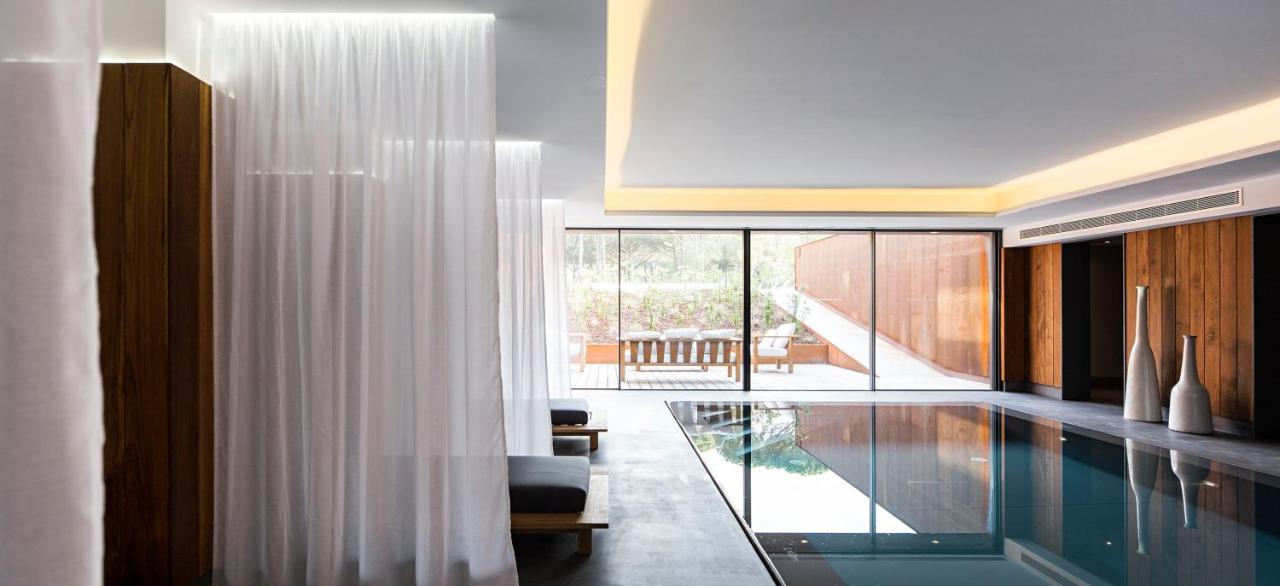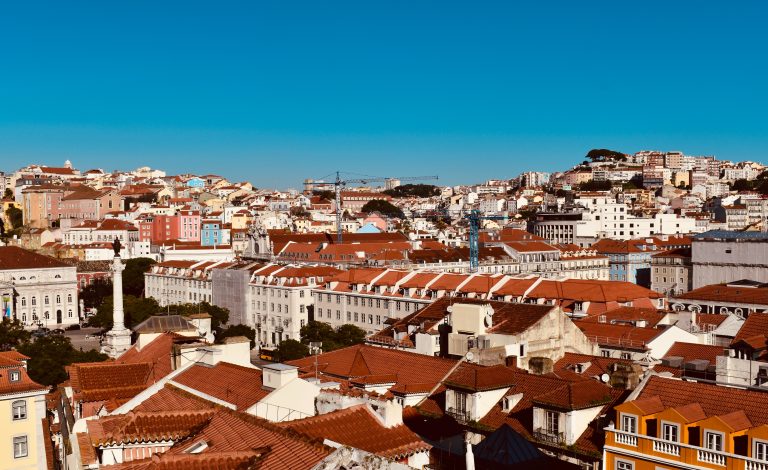
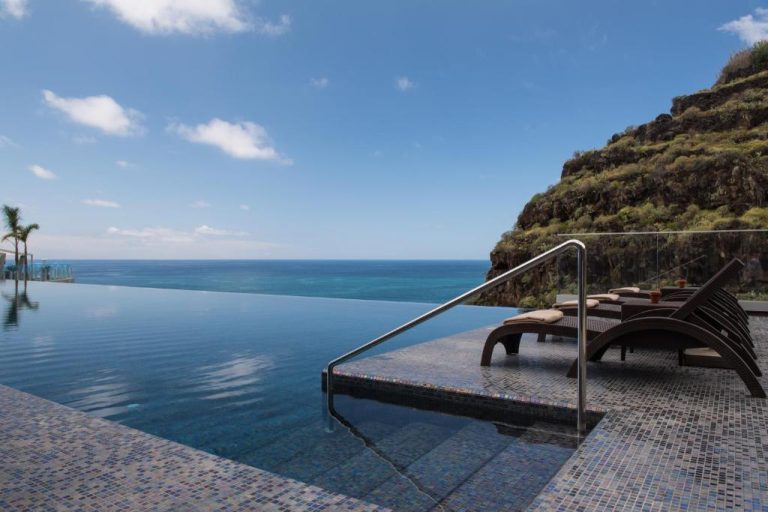
Portuguese houses have always been criticized for their humidity. However, this winter has brought about more intense humidity in Portugal. Hundreds of photos have been shared on social media of humidity in walls and ceilings in Portuguese homes, even as far as spreading onto objects.
December 2022 was the hottest in the last 92 years, which has certain implications, such as high humidity. According to the Portuguese Institute of the Sea and Atmosphere (IPMA), the levels of humidity in the air in January 2023 were around 90% to 100%.
The humidity phenomenon is thus explained by both the large quantity of air vapor in the atmosphere and the high temperatures this winter. For each increased degree in the average global temperature, the humidity in the atmosphere increases by 7%, said climatologist Pedro Garrett to CNN Portugal.
However, there are ways to solve these humidity issues as well as prevent them. The amount of humidity in your home will also depend on the type of build, area of the country you live in, age of home, etc. Let’s take a look at how you can keep humidity at bay in your home in Portugal.
Why do Portuguese houses have so much humidity?
It’s true that while this winter has been exceptionally humid, Portuguese houses have always been known for their humidity. Humidity leads to mold, infiltrations, stains on walls, and more. And these are not just aesthetically unpleasing, they can be harmful to your health.
But why do Portuguese houses have so much humidity? Portugal tends to be a humid country as the Atlantic climate predominates in most of the country. Most of Portugal is located in the humid zone of the Iberian peninsula, predominantly the northwest, which is rainy and humid.
Some houses are more vulnerable to humidity when the walls are not properly waterproofed, which can be the case in some older Portuguese houses. When there are heavy periods of rain, this humidity appears in walls that are in contact with soil and roofs.
Quick Tips: How to solve humidity issues in Portuguese houses
There is no quick fix when it comes to humidity. If your house is not properly insulated, you will always be dealing with the consequences of humidity, such as mold. However, if you do not have thousands to spare to make such a large fix, there are a few tips regarding humidity in Portugal.
Keep house temperatures between 18 to 22ºC.
Open windows every day for at least 30 minutes to ventilate space. If you are leaving the house for a few days, leave at least two windows slightly open. Do so even if it’s raining.
Close bathroom doors while showering and after, using windows and/or ventilators to circulate their vapor.
Do not over-pack wardrobes with clothes, leave spaces between hangers.
Purchase a dehumidifier and place it in bathrooms and wardrobes.
Purchase silica bags and place them in wardrobes and drawers as these fight humidity.
Always turn on your kitchen’s extractor hood and try to cover pots and pans.
Avoid hanging clothes to dry inside. If you do so, place a dehumidifier in the room and close the door.
How to prevent humidity and mold in Portugal
Prevention is key when it comes to humidity. This way, you avoid persistent mold. Even if you are able to figure out quick fixes, the constant exposure to mold is dangerous to you and your family.
There are three main things to control to prevent humidity: ventilation, temperature, and relative humidity.
Ventilation is important for at least 30 minutes daily, preferably cross ventilation. The temperature inside your home should be between 18ºC to 22ºC. Your home’s relative humidity should be between 40% and 60%, preferably.
These three key factors must be monitored to prevent humidity and mold in Portugal. However, without the correct insulation in your home, the humidity will always be at inadequate levels. Investing in this might be the safest and most efficient way, despite the initial cost.
In an interview with ECO, the CEO of Ryanair, Michael O’Leary, said that he would love to buy TAP, although he believes it is “worthless.” He says the Portuguese government’s best shot is to sell it to the IAG Group with the compromise that it will increase traffic by 50% in the next five years.
“I would love to buy TAP, but we wouldn’t be allowed… The problem is that we are blocked because we are the largest airline in Portugal, and TAP is second. If we joined both companies, we would have the Germans, the French, and the British saying we could not do this and that we had a monopoly.”
The CEO goes on to say to criticize the 2 million euro bonus that will be granted to the TAP CEO once the restoration plan is completed, saying the value is too high.
If he could purchase TAP, O’Leary said the first things he would do would be “reducing costs and increasing the number of flights.”
In his criticism of TAP, he said that the airline is not worth much. “It only survives because it received 3.2 billion from the government that must be returned. And it won’t be able to do that… TAP is not a well-managed airline.”
When asked how much he would pay for TAP if he could, Michael O’Leary says that “the issue is not how much the government can sell TAP for, but whether the government can find a partner for TAP.”
TAP Air Portugal is a Portuguese state-owned airline that was renationalized in 2016. The Portuguese government announced in September 2022 that it has plans to reprivatize TAP and conclude its sale in 2023.
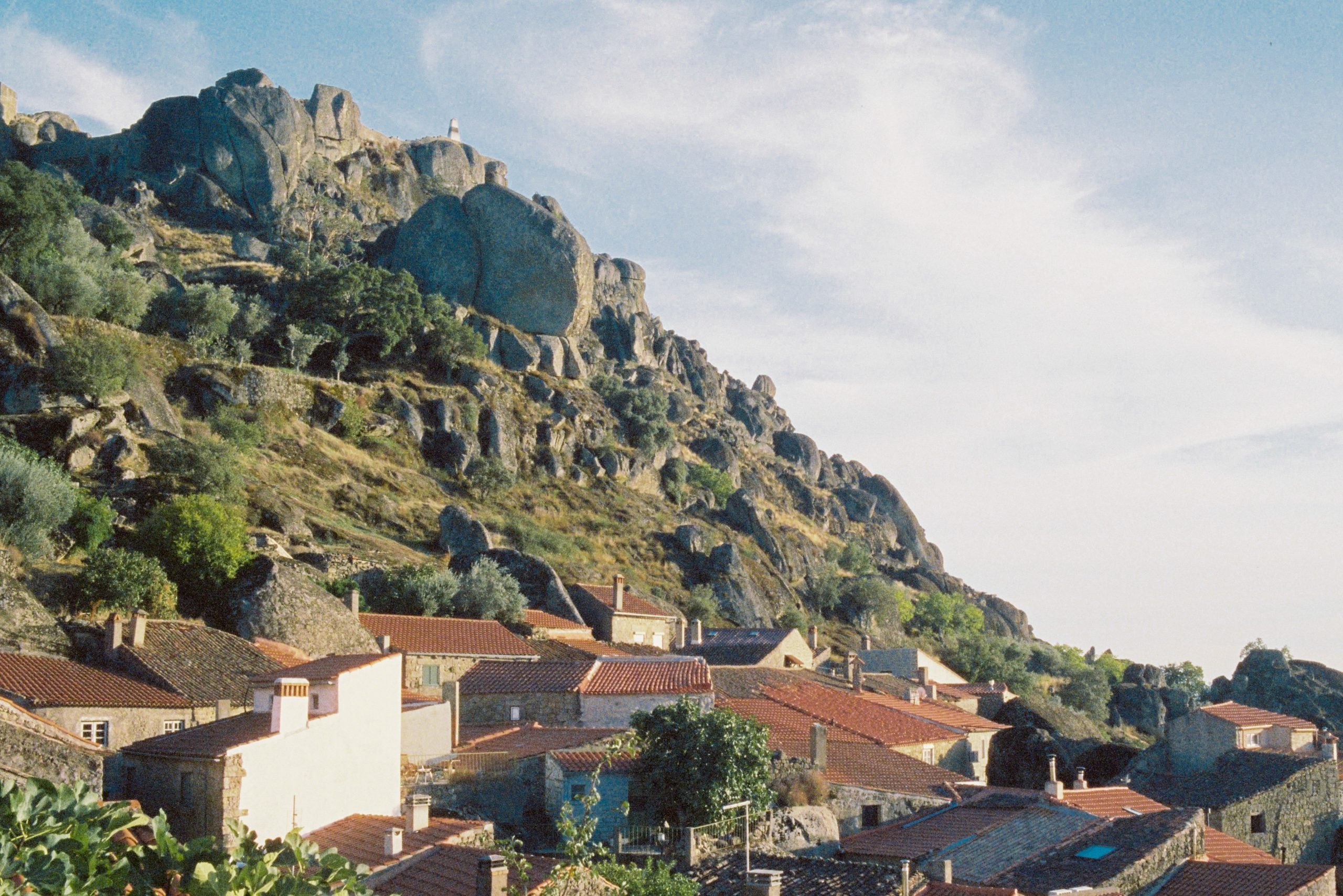
Known as a village within stones and once titled “the most typical Portuguese village of all” in a 1938 contest during the Estado Novo regime, Monsanto is a special place. Monsanto is on the official route of Portuguese historical villages. Its history dates back to the country’s foundation, later on belonging to the Order of the Knights Templar.
Located in the interior of Portugal, the village of Monsanto was not known to most people, despite the Portuguese. However, in late 2022, it was announced that the Game of Thrones prequel House of the Dragon was filmed in the iconic village of Monsanto!
While during filming, tourism decreased due to restrictions, Monsanto is ready to welcome tourists back. If you are near the area or fancy a road trip, we recommend visiting the village.
Many argue one sees the whole village in less than three hours, making it the perfect morning for sightseeing before enjoying some traditional lunch. However, others opt for staying the night in what feels like an enchanted village – straight out of House of the Dragon.
Let’s take a look at our full Travel Guide to Monsanto, including the best things to do in Monsanto, top restaurants, and more.
5 Best Things To Do in Monsanto
1. Monsanto castle
As seen on HBO’s House of the Dragon, Monsanto castle is the key feature of the village of Monsanto. Sitting on top of the hill, this fortified castle was built in 1165 by Gualdim Pais, master of the Knights Templar.
Before that, Monsanto belonged to the Moors. However, Portugal’s first King, D. Afonso Henriques, took Monsanto from the Moors and donated it to the Templar monks, who then built the castle.
The Monsanto ruins can be visited at the top of the hill, where you will find views that stretch as far as the Serra da Estrela and Spain. Next to the castle, you will find unique ruins of a Roman chapel.
2. Lucano Tower
The building that most represents Monsanto village is the Lucano tower, also known as the watch tower. This building features the famous “Galo de Prato” which is a symbol of its achievement during the Estado Novo. In 1938, Monsanto village received the award “of the most Portuguese village in Portugal” in the Galo de Prata awards, given by the dictator Salazar himself.
Watch tower. Photo by Miguel Silva (Unsplash)
3. Find the best viewpoints
Monsanto has incredible spots to enjoy the best views. In Portugal, these are called miradouros, translating to viewpoints. Our favorites in Monsanto are Miradouro da Praca dos Canhoes and Miradouro do Toucinho.
Miradouro da Praca dos Canhoes, in particular, is the most beautiful one. Make sure to take some photos as you get a view of the whole village. It is on the way up the hill toward the castle. This is also the last point where driving is allowed, so from now on, it’s time for a hike.
If you are a House of the Dragon fan, you can actually find the exact spot where most of the scenes were filmed. The iconic scenery of the large rocks and greenery that is seen on the show is a once-in-a-lifetime view. Snap some shots of the spot where your favorite characters acted out the story of the House of the Dragon.
5. Monsanto, Idanha-a-Velha & Penha Garcia Tour
One of the best ways to see Monsanto is through a full-day tour with a guide. Not only does this resolve any transportation issues, but this way, you get to learn all the interesting facts about the area.
This tour from the city of Castelo Branco lasts around 8 hours, stopping in the historic village of Idanha-a-Velha on the way to Monsanto.
You can then enjoy a walking tour through the historic area of the village, stopping at the most important points, including the Lucano Tower, the Monsanto Castle, and beautiful churches.
The end of your trip stops at Penha Garcia, where you will see the windmills and the waterfall of the river beach.
Forget transportation within the village of Monsanto, as it is literally in the middle of nowhere. You will surely have to arrive in a vehicle, either in your own car or through a tour. There are guided tours, including transportation coming from Castelo Branco, a one-hour drive away.
Monsanto is a three-hour drive away from both Lisbon and Porto. If you are driving, we recommend coming as early as possible to find a parking space close to the top of the hill.
The media outlet found simple rooms in the center of Lisbon going for €1,000 a night, as well as apartments in Cascais, 30 minutes away, for over €4,000.
Various hotels are asking for over €12,000 for the week between July 31 and August 7, around €1,500 a night. More shockingly, one hotel is asking for €70,000 for 8 days, around €9,900 a night.
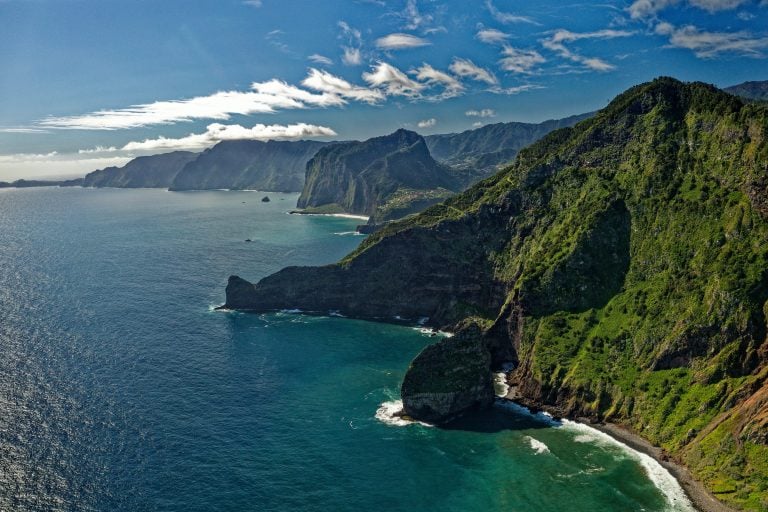
In Fatima, where fewer places are available, renting a three-bedroom apartment can cost around €8,000. The week before, similar apartments were going for €1,800.
The cheapest option for the week in Fatima is around €335 for a bed in a shared dorm with a shared bathroom. Four-star hotels in Fatima are going for €6,000 for the whole week.
World Youth Day Lisbon 2023, known as the Jornada Mundia da Juventude or JMJ in Portuguese, takes place in the Portuguese capital this year from August 1 to 6.
World Youth Day (WYD) is a Catholic pilgrimage event for young people from all over the world, which includes a visit by the Pope.
The government has already been heavily criticized for its investment in World Youth Day, spending around 35 million euros on the event.
The costs of the alter-stage in which the Pope will stand shocked the nation, costing over 5 million euros.
However, many argue that this event will have a high economic return and that these expenses are justified.
When Spain hosted the event in 2011, 50 million euros were spent, with a return of 350 million euros.
However, no public spending was included in this investment, with the money raised by Catholics and private companies.
It’s no surprise that most expats choose Lisbon as their permanent home in Portugal, which is the case for over 40% of all immigrants in 2021. With a sunny climate all year round, access to wonderful beaches, as well as tons of culture, Lisbon is experiencing an expat boom.
Lisbon has a range of quaint neighborhoods to live in. However, if you choose to live in the center of Lisbon or even the Metropolitan Area of Lisbon, rent prices will be more expensive.
You might also find that if you have a large family with small kids or elderly people, living in the historical center of Lisbon is inconvenient, despite its beauty.
Therefore, we also recommend looking for places in Greater Lisbon which, along with the capital, also include the municipalities of Amadora, Cascais, Loures, Mafra, Odivelas, Oeiras, Sintra, and Vila Franca de Xira.
Where you live might also depend on what’s most important to you: an extremely central location or a larger apartment for a lower price.
To figure out the best scenario for you, let’s take a look at the 9 best neighborhoods to live in Lisbon, including places in Greater Lisbon.
However, do not take the order of our list too seriously, as again, the best place to live depends on your family context, needs, and finances.
In the center of Lisbon, Arroios is probably the coolest neighborhood in Lisbon at the moment. This Lisbon parish is known for its multiculturalism, being home to almost 100 nationalities. Despite being the largest parish in Lisbon, it is still easily walkable.
The neighborhood boasts incredible restaurants from all over the world, art galleries, cultural venues, bars, and more. Locals also have easy access to green parks such as Alameda Park.
Arroios has loads of bus routes, and you have the Alameda, Anjos, Intendente, and Saldanha metro stations. You will be a 5-minute metro to Chiado and a 10-minute metro to Oriente, where you can get trains to other Portuguese cities. Therefore, you do not need a car in Arroios.
The average price per m2 to purchase a house in Arroios in December 2022 was 4,489€/m2. To rent, it costs an average of 18.9€/m2.
Photo by Europeana EU (Flickr)
2. Estrela
Estrela is part of the historical center of Lisbon, located halfway up the hill between Sao Bento and Campo de Ourique. This neighborhood is a perfect happy medium for those wanting to be close to the center without being crammed in the middle of the chaos.
This neighborhood blends the traditional with the modern. You will find the Basilica da Estrela making its mark, an 18th-century landmark with a beautiful white facade, as well as vibrant stores and loads of green spaces such as the Jardim da Estrela.
Although there is no metro station here, there are loads of bus and tram routes. You do not necessarily need a car, as many rely on public transport and even cheap Ubers below 4 euros to get around.
Estrela has recently seen a boom in foreign residents moving to the neighborhood. Its popularity has caused house prices to go up, making it one of the most expensive places to purchase and rent a home in Lisbon.
The average price per m2 to purchase a house in Estrela in December 2022 was 6,217€/m2. To rent, it costs an average of 20.4€/m2.
Photo by Freguesia de Estrela (Unsplash)
3. Alcantara
Located between Belem and the center of Lisbon, Alcantara is a trendy neighborhood situated along the Tagus river. Alcantara feels quieter than the busy city center and boasts a large expat community.
It is home to the Docas de Santo Amaro, a dock by the river with restaurants and bars, as well as the LX Factory. The latter is a renovated factory area with cool shops, restaurants, and cultural spaces.
Although Alcantara has no metro station, it boasts good bus routes to the center of Lisbon. You can be in Chiado in less than 20 minutes by transport. Alcantara is also extremely close to the 25 de Abril bridge, giving it quick access to the beaches in Costa da Caparica.
The average price per m2 to purchase a house in Alcantara in December 2022 was 6,831€/m2. To rent, it costs an average of 16.3€/m2.
Photo by Vinicius Morandi (Unsplash)
4. Graca
If you want a beautiful view of Lisbon, Graca might be your neighborhood. One of the highest neighborhoods in Lisbon, Graca is located in Sao Vicente. It has a local feel, without hoards of tourists, unlike Alfama, also a neighborhood situated in a high part of Lisbon.
This neighborhood has everything you need: restaurants, cafes, coworking spaces, and more. You get stunning views of the Tagus river, as well as the National Pantheon and the Sao Vicente church.
Graca is a short walk from Lisbon’s main attractions, but the public transport access is also good, with loads of tram and bus routes. The Santa Apolonia metro and train stations give you easy access to other parts of Lisbon.
The average price per m2 to purchase a house in Sao Vicente (the parish Graca is a part of) in December 2022 was 4,440€/m2. To rent, it costs an average of 20.5€/m2.
Photo by Oksana Z (Unsplash)
5. Parque das Nacoes
Located at the edge of the Tagus river, Parque das Nacoes is a unique area in Lisbon. Providing an atmosphere of modernity and industrialization, this area changed a lot during the Expo ’98, a world fair hosted in Lisbon. Since then, the oceanarium and the gorgeous marina opened, offering a unique experience.
This futuristic area boasts green areas, restaurants, stores, gyms, and wonderful bars with views of the Tagus river. This area is great for families, offering proximity to Lisbon while in a more quiet suburban area.
Parque das Nacoes is around a 20-minute metro ride to the center of Lisbon. With the Oriente train station nearby, you can also get to other Portuguese cities.
The average price per m2 to purchase a house in Parque das Nacoes in December 2022 was 5,695€/m2. To rent, it costs an average of 17.8€/m2.
Photo by David M (Unsplash)
6. Oeiras
Surrounded by Lisbon, Cascais, Sintra, and Almada, Oeiras is a great place to live for expats, providing access to most of Greater Lisbon. From the city center of Lisbon, 25 minutes away, to some of the best beaches in Sintra and Cascais, Oeiras is popular neighborhood.
Oeiras is a municipality divided into parishes. To be the closest to Lisbon, opt for the parish of Alges, Linda-a-Velha, and Cruz Quebrada Dafundo. To be closer to Cascais and wonderful beaches, opt for Oeiras and Sao Juliao da Barra, Paco de Arcos, and Caxias.
A 25-minute train ride to Lisbon, Oeiras boasts a quality public transport system, including buses. However, it does not have a metro or tram line as it is outside the metropolitan area of Lisbon. Having a car in Oeiras will make your life a lot easier, and this is the most common transport method.
The average price per m2 to purchase a house in Oeiras in December 2022 was 3,669€/m2. To rent, it costs an average of 13.6€/m2.
Photo by Bernardo Lorena Ponte (Unsplash)
7. Sintra
Sintra was once a hidden gem in Portugal but has, in the past decade, been discovered by tourists. Despite the overcrowdedness in the historical center in the summer, Sintra is quite large and has beautiful places to live in.
Located on the Portuguese Riviera, Sintra‘s mountainside is actually a UNESCO World Heritage Site. Sintra is known for its beautiful palaces and mansions, nineteenth-century gardens, and some of the best beaches in Portugal.
However, if living in Sintra is an option, you are more likely not going to want a place right in the historical center due to the high prices.
There are a bunch of parishes within Sintra at various price points such as Colares, a popular beach area and Almargem do Bispo, Pero Pinheiro and Montelavar, a more “rural” and “farm” like area.
These parishes in Sintra provide you with a more relaxed lifestyle while only being around a 30-minute drive away from the center of Lisbon.
Sintra is also more affordable to rent than the center of Lisbon and Cascais. However, it is still an exclusive vacation location where certain real estate can often go for millions, particularly in the historical center.
You will need to have a car in Sintra as transportation can sometimes be slow, and this is the best way to explore the area. However, if you work in Lisbon, you can always take the train from Sintra.
The average price per m2 to purchase a house in Sintra in December 2022 was 2,218€/m2. To rent, it costs an average of 10.7€/m2.
Photo by Portuguese Gravity (Unsplash)
8. Cascais
Cascais is one of the most exclusive places to live in the whole of Portugal. A 30-minute drive from Lisbon, many live in Cascais and commute to work in the capital.
It is one of the wealthiest areas in Portugal, so homes tend to be more expensive when it comes to buying. However, rental prices tend to be a bit more affordable than in Lisbon.
Cascais is the perfect place for families and those who prefer a more relaxed life near the beach, without having to move to an isolated location. Cascais was once a fishermen’s village, still boasting incredible seafood markets, as well as local shops and quality restaurants. You also have access to incredible beaches and nature.
You do not need to live in the center of Cascais. This municipality includes a variety of parishes with different costs of living: Alcabideche, Carcavelos and Parede, Sao Domingos de Rana, and finally, Cascais and Estoril, the most expensive.
The average price per m2 to purchase a house in the municipality of Cascais in December 2022 was 4,432€/m2. To rent, it costs an average of 17.7€/m2.
Photo by CALIN STAN (Unsplash)
9. Ericeira
Want to occasionally drive to Lisbon to enjoy the city while living by the beach and surrounded by nature? Ericeira, a seaside town in Mafra, has in recent years become an expat hub due to being the surfing capital of Europe.
While Ericeira is best known for surfing, it also boasts quaint architecture from the 15th century, Ericeira features blue and white buildings that make up the heart of the city center. From excellent seafood restaurants to recently vegan places, as well as trendy bars and coworking spaces, Ericeira has everything you need.
Ericeira’s transport system is not well developed, though. You will need a car, especially if you want to get to Lisbon, a 40-minute drive away (depending on traffic). Although buses are available, these are not made for such long routes.
The average price per m2 to purchase a house in Ericeira in December 2022 was 3,044€/m2. To rent, it costs an average of 13.7€/m2.
If you have Portuguese ancestors or have traveled to the country many times, it’s almost impossible never to have heard of Salazar. Antonio de Oliveira Salazar was a Portuguese dictator that was the President of the Council of Ministers of the Estado Novo (1933 – 1974), an authoritarian regime in Portugal.
This fascist regime lasted over four decades and had a large impact on the country. It symbolizes four decades of unfreedom, oppression, and inequality. Only on April 25, 1974, this regime fell, bringing about the transition to democracy and the end of the Portuguese Colonial War in Africa.
Let’s take a look at the history of Portugal’s dictatorship, led mostly by Salazar.
Key Facts about Salazar’s Estado Novo
The Estado Novo (1933 – 1974) was one of the longest authoritarian regimes in 20th-century Europe.
Developed by Antonio de Oliveira Salazar, the President of the Council of Ministers, the Estado Novo was inspired by autocratic, authoritarian, and fascist ideologies. It was nationalist in nature and defended Portugal’s traditional Catholicism.
The Estado Novo was opposed to communism, socialism, syndicalism, anarchism, liberalism, and anti-colonialism.
The Estado Novo promoted Portugal as pluricontinental nation in its colonialism, naming Angola, Mozambique, and other colonies as extensions of Portugal. Salazar believed Portugal brought these colonies “stability” and “civilization,” a highly imperialist notion.
Voting was not a universal right, and elections were manipulated
Salazar looked up to Mussolini and Hitler, declaring three days of national mourning after Hitler’s death.
The Estado Novo had PIDE, its police, from 1945 to 1969 that was responsible for oppressing any opposition to the regime. This included kidnapping, torturing, and murdering many suspected of promoting communist or left-leaning sentiments.
In 1968, Marcelo Caetano replaced Salazar as prime minister as he had become old and ill. Although there was less press censorship and independent labor unions were allowed, the regime remained authoritarian and unfree.
Salazar believed he was still in charge until his death in 1970.
Portugal’s GDP grew from 1950 to 1970 at an average annual rate of 5.7%.
However, by the end of the regime, Portugal still had the lowest per capita income and the lowest literacy rate in Western Europe.
Oppression & Censorship in the Portuguese Dictatorship
The International and State Defense Police, known as PIDE, was the Portuguese security agency during the Estado Novo. PIDE had the power to detain and arrest anyone who was thought to be plotting against the state and focused on political and social issues such as political opposition and revolutionary movements.
PIDE tortured and assassinated many political activists, anarchists, communists, workers, intellectuals, and more, numbers we do not know to this day.
The Portuguese people had no freedom of speech. At any corner, any dinner party, any supermarket, a member of PIDE, the secret police could be listening. Saying the wrong thing to what seemed a friendly face could leave you in prison, tortured, or murdered.
As Portuguese people from that time say, “As paredes têm ouvidos” (the walls have ears). Censorship of the media was also in place, requesting books, controlling newspapers, censoring music, art, and much more.
The Portuguese Colonial War
The Estado Novo promoted Portugal as pluricontinental nation through lusotropicalism. This is the false belief that the Portuguese were “better” colonizers than other Europeans. The colonies abroad were seen as an extension of Portugal, without the right to self-determination.
Also known as the Angolan, Guinea-Bissau, and Mozambican War of Independence, the Portuguese Colonial War was a conflict fought between Portugal’s military and the emerging nationalist movements in Portugal’s African colonies between 1961 and 1974.
The Portuguese Colonial War was inhumane, costly, and led to the loss of countless lives of both Portuguese and Africans. Portuguese men were forced to go to war.
The war only ended with the Carnation Revolution. The end of the Estado Novo led to the end of Portuguese colonialism in Africa, with this being a major driving force for the revolution.
Estado Novo and World War II
On September 1, 1939, after the outbreak of the Second World War, following the invasion of Poland, Salazar declared Portugal’s neutrality to the National Assembly.
This decision was based on ideological and economic motives. Salazar believed it gave the nation a chance to prosper economically in the sense that it could foster business opportunities with both sides and ultimately stimulate the economy. He maintained open trade with both the Allied and Axis camp throughout the war.
Neutrality strongly boosted the Portuguese economy in four short years. It went from a 90 million dollar deficit in 1939 to a surplus of 68 million by 1943 due to its economic involvement with various nations during the war.
However, Portugal’s official “neutrality” stance is beyond questionable. The Estado Novo’s collaboration with Hitler’s Nazi Germany marks a dark time in Portuguese history, one that is too often left unmentioned.
In 1941, Salazar and the actual government of Portugal expressed public support for the nation of Germany. Moreover, it often exported wolfram to Germany and accepted Nazi gold in turn for other products.
To this day, the Bank of Portugal receives a negative image for its Nazi collaboration, as Portugal knew the German payment in the form of gold was stolen from conquered nations and victims of the Holocaust.
Moreover, the Estado Novo did not want to help Jewish refugees. Salazar was against immigration, promoting nationalistic rhetoric. He believed foreigners would diminish the “national spirit” and even dismantled criminal networks responsible for falsifying passports for Jewish refugees.
Women’s Rights During the Estado Novo
Women’s rights were heavily restricted during the Estado Novo. Women were perceived as instrumental figures to the Estado Novo, forced to perpetuate social norms of “feminity” to maintain “family life.”
Article number 5 of the Constitution of 1933 stated that citizens were equal, “except for the woman, the differences resulting from her nature and the good of the family”.
The country was predominantly roman catholic under dictator Salazar and his ideology surrounding women’s “nature” was rooted in messages repeated by the Catholic Church.
Women’s “nature” meant that women were expected to stay at home, take care of children, and, unfortunately, be silenced.
The only role of a woman was to be a dedicated wife and loving mother, a role that her family had trained her to play since childhood. The family was to be defended as an institution.
Financial abuse against women was institutionalized. The law allowed husbands to prohibit wives from working outside the home.
Women were not allowed to access certain professions (diplomat, military, etc.), and certain professions (like nursing) had limited rights, such as the right to marry.
Until 1969, a wife needed the consent of her husband to travel to another country. Contraceptives were only allowed for health reasons, and even so, the husband needed to give consent.
Abortion was illegal in all cases, with a prison sentence of up to 8 years.
Although women were technically allowed to vote in the 1933 constitutional referendum for the first time, they were not allowed to do so on the same terms as men. Men only needed to know how to read and write to vote, while women needed secondary education, which was extremely uncommon.
During the Portuguese Colonial War, African women were regularly raped for over a decade. Many academics now situate these acts “at the core of Portuguese colonial violence,” such as Garraio.
When did Salazar die?
While the Estado Novo was still in place for four years after his death, Salazar died in 1970. In 1968, Salazar had a cerebral hemorrhage, which sources say was caused by a fall from a chair. Others say he fell in the bath.
A few weeks later, he went into a coma, forcing him to step down, unaware. After emerging from a one-month coma, his subordinates did not tell him he had been removed from power. He believed to be ruling in privacy until he died on July 27th, 1970.
The Fall of the Estado Novo
Carnation Revolution
Freedom day, Carnation Revolution, 25th of April, all of these describe Portugal’s most important national holiday.
After over 40 years of fascism, on April 25th, 1974, a (peaceful) military coup led by leftist military officers known as the Carnation Revolution brought about freedom for the Portuguese. It led to a transition to democracy and the end of the Portuguese Colonial War in Africa.
Although this is not common knowledge, a lot of the planning for the Carnation Revolution was actually organized by military members stationed in African colonies such as Angola, Mozambique, and Guinea Bissau.
Organized by the Movimento das Forças Armadas (MFA) which translates to the Armed Forces Movement, a revolutionary civil resistance campaign composed of military officers. These were lower-ranking officers affiliated with the socialist and communist parties who sought to overthrow the fascist regime and end the colonial war.
The Carnation Revolution started with music on the radio. First, at 10:55 pm on the 24th of April, E Depois do Adeus by Paulo de Carvalho played on the radio. In the early hours of the 25th of April at 00:25, Grandola, Vila Morena by Jose Afonso played on Radio Renascenca.
This last song was the second sign to the Portuguese people that the revolution was starting and that revolutionaries should occupy the strategic points of the country. Within a few hours, the Estado Novo was overthrown.
Every year, the people of Portugal run to the streets to celebrate the 25 of April or Freedom Day!
From older people who lived during the Estado Novo, to younger people, this day is a yearly reminder of the value of democracy, the fight against fascism, and the end of Portuguese colonialism.
All over the country, people go out to sing, dance, eat, and march the streets with carnations in their hands. It’s common that florists will give out carnations for free.
The Aftermath of the Revolution
A few weeks after the Carnation Revolution, on May 16, 1974, the first provisional government of Portugal took office. This government had many political forces, from communists to liberal democrats.
However, this government later fell in July of 1974, and there were six other provisional governments until two years later when the first constitutional government was formed.
The current Constitution of Portugal was adopted in 1976 by the Constituent Assembly, which was elected on 25 April 1976, a year after the revolution.
With some 60% of seats occupied by the left after the election, the Assembly adopted a constitution that provided for a democratic parliamentary system with various political parties, elections, a parliament, and a prime minister.
The Portuguese constitution included ideological content, with references to socialism and restricting private business. In the 80s, there were constitutional revisions to remove some of these.
In recent years, Portugal has become a tourism hotspot not only for its popular sights and beaches but also due to its attractive festival scene. Portuguese music festivals offer incredible line-ups for affordable prices and warm summer nights.
Having come back to life last year after two summers in a row without festivals due to Covid-19, Portugal has a wide range of festivals worth traveling for.
Let’s take a look at 7 upcoming music festivals in Portugal for 2023 so you can get those tickets purchased and flights booked! Keep in mind that there will still be more artists announced in the coming months for the following festivals.
1. NOS Alive 2023
NOS Alive takes place this year from July 6 to 8 in Alges, a 10-minute train ride from Lisbon.
NOS Alive’s first edition happened in 2007 (when it was named Optimus Alive). The festival is known to have the most well-known line-up in Portugal. In 2009, the British magazine NME named NOS Alive one of the top 12 European festivals.
The 2023 edition of NOS Alive welcomes Lizzo, Sam Smith, Arctic Monkeys, Red Hot Chilli Peppers, Queens of the Stone Age, The Black Keys, and more.
Estas são as primeiras confirmações para a 15ª edição do #NOSAlive ⚡️ Encontro-te novamente no Passeio Marítimo de Algés nos dias 6, 7 e 8 de julho com o Melhor Cartaz. Sempre!
This year, Super Bock Super Rock is taking place on July 14, 15, and 16. Located in Meco, Sesimbra, Super Bock Super Rock is sponsored by the iconic Portuguese beer brand Super Bock. Therefore, expect to see this Portuguese staple everywhere!
First founded in 1995 with a focus on rock, it now welcomes artists of a variety of music genres. The festival has four different stages: the main Palco Super Bock, Palco EDP, Palco LG by Radio SBSR, and Palco Somersby. This festival gives a platform to artists of all sizes, including upcoming Portuguese performers.
This year The 1975, Franz Ferdinand, James Murphy DJ Set, Black Country, and more will be performing.
4. Boom Festival 2023
Although Boom Festival usually only happens every two years, due to the pandemic, it’s happening again in 2023 after last year’s success. This festival is a unique one of trance music that is also focused on sustainability.This year, Boom is happening between the 20 to 27 of July.
Located in Herdade do Jambujal, Aguas de Moura, the festival is committed to the following mantras: Oneness, Music, Peace, Arts, Environment, Culture, and Love.
A 100% independent festival, each edition of the festival has a theme, with this year’s theme being “radical love”.
The theme seeks to fight “polarisation – the us vs them dynamics” and to enter “into a positive interaction that unites differences and finds similarities. Based on empathy, compassion, solidarity, we need a culture based on the capacity of alterity — in two words: Radical Love”.
Leonardo Da Vinci once said that “art is never finished, only abandoned”. This is not the case at @boomlandofficial. Some of the installations built for the festival stay at home. Here’s a “now & then” of some of our installations. #BoomFestival#Boomlandpic.twitter.com/LqnxF8FdxB
Neopop festival is happening on August 10, 11, and 12 this year. An electronic music festival in Viana do Castelo in the region of Braga, this one is for the techno lovers.
Neopop festival is located within a 16th-century fort wall and an industrial harbor site with shipping containers. This year’s line up has not yet been announced. However, for the past decade, incredible artists have been performing at Neopop.
Last year, the festival welcomed Paula Temple, Nina Kraviz, Dax J, DJ Nobu, and more.
6. NOS Primavera Sound 2023
NOS Primavera Sound in Porto will take place between June 7 to 10, 2023. This festival is one of the largest in Europe, with editions in Barcelona and Madrid, as well. Last year, it also expanded to Los Angeles, Santiago de Chile, Buenos Aires, and Sao Paulo.
The festival presents all music genres, including indie, rock, and pop, as well as electronic music. This year’s lineup includes Kendrick Lamar, Rosalia, Halsey, FKA Twigs, Central Cee, Pusha T, Maggie Rogers, and more.
7. Vodafone Paredes de Coura 2023
Last but not least is one of the oldest music festivals in Portugal. Vodafone Paredes de Coura is happening between August 16 to 19, 2023. Fun fact – this festival has made the list of the top 5 music festivals in Europe by Rolling Stone.
Located in Praia Fluvial do Taboão in Caminho do Agrelo, Paredes De Coura is known for its alternative music scene. This year’s performers include Wilco, Fever Ray, Loyle Carner, Jessie Ware, Kokoroko, and more.
When thinking of a potential move, many ask the question – is it easy to find a job in Portugal? Portugal is still recovering from the 2008 economic crisis so finding a job isn’t always easy breezy. However, if you have the right academic qualifications and past work experience, you can find a good job in Portugal.
If you’re ready thinking of embarking on a new career journey in Portugal as an expat, let’s discuss how to find a job in Portugal.
Do you need to speak Portuguese to find a job in Portugal?
Unfortunately, most jobs in Portugal require you to speak Portuguese. Learning Portuguese will make it easier to find a job, as well as live in the country.
However, there are many jobs out there, particularly in larger companies, that also tend to pay better salaries that are now English speaking.
You can also live and work in Portugal remotely, as many international companies offer this opportunity. For many, this is seen as the best of both worlds. You get a non-Portuguese salary while getting to enjoy the country.
How to Find a Job in Portugal: Application Process
The best way to find a job in Portugal is to first figure out what your skills and qualifications are. Once you’ve done some good old-fashion self-reflection, make sure to spruce up your CV. Search for jobs in your industry online on websites such as LinkedIn, Indeed, Jobs in Lisbon, Expatica, Glassdoor, and more.
Alternatively, you can go for the word-of-mouth way. If you don’t know any other expats in Portugal, look for any ads on Facebook groups or even contact companies directly inquiring about vacancies.
Once you’ve found a potential job, you need to make sure your application is solid. A lot of companies will prefer to choose a Portuguese candidate instead so that they do not have to go through the hassle of applying for a visa (if you are a non-EU citizen). Therefore, your qualifications need to stand out.
The application process in Portugal is pretty straightforward. Usually, you will send your CV with a motivation letter.
In your motivation letter, do not just repeat what is written in your CV. Speak about the skills that you developed throughout the years and your motivations for applying for the job. Your motivation letter shouldn’t just reflect why you want the job, but why the company needs you in particular.
If you are selected for an interview, bring with you a copy of your CV and any educational certificates that could be beneficial.
Since Portuguese people are warm and welcoming, be prepared to make small talk and engage in informal conversation.
Your personal interaction with the interviewee means more than in other countries and could make or break a job offer. You might also need to take psychometric and psychological tests, particularly in a large company.
If the interview goes well, expect that HR will ask you for a few references, such as previous employers or university professors.
Keep in mind that for large companies, interview processes can be divided into many stages.
Jobs in Portugal for Expats
But which jobs should you apply for? Expats in Portugal take on a large number of roles and jobs across the country. However, there are few jobs that are the most in-demand and could be suitable for expats. These jobs include:
Software engineers: Lisbon, in particular, has become a start-up hub looking for software engineers and other roles in the IT industry. Many of these jobs are English-speaking.
Tourism and hospitality: As Portugal relies heavily on tourism, it’s no surprise that hospitality jobs are in-demand in areas such as Lisbon, Porto, the Algarve, and more. However, knowing Portuguese can often be a requirement.
Real estate: The real estate industry in Portugal is booming. Keep in mind you will need a certification to work as a real estate agent.
Other in-demand jobs include sales representatives, customer service, accountants, translators, and more.
Salaries in Portugal
However, keep in mind that salaries don’t need to be super high if you are comparing these to a US or UK salary.
The minimum salary as of January 1, 2023, is €760. The average gross monthly salary in Portugal is €1,361. As Portugal has a progressive taxation system, those receiving the average salary will pay more. After paying income tax and social security, you will be left with €960.
However, sadly, over half of young people up to 34 years old make less than €767 a month. Only 3% of young people make more than €1,642 a month.
What are the best-paying jobs in Portugal?
There are exceptions to these low salaries. Certain jobs pay a lot better, but the vacancies are low, and oftentimes over a decade of experience is required. Let’s a take a look at the best paid jobs in Portugal.
1. General Director in the Private Health Sector: A general director of a hospital oversees the general administration of a private hospital with the health of patients in mind. These professionals make anywhere between €120,000 and €150,000 per year before tax.
2. Chief Information Officer (CIO): A CIO supervises a company’s IT organization, managing and implementing computer technologies. These professionals make anywhere between €110,000 and €140,000 per year before tax.
3. Commercial Director: These are responsible for planning, developing, and implementing commercial strategies to generate revenue for a company. They make between €100,000 and €150,000 per year before tax.
4. Shared Service Center Director: They are primarily responsible for planning and controlling the functions within a shared service center and organizing the performance of the available services. These professionals make anywhere between €95,000 and €120,000 per year before tax.
5. E-Commerce Manager: These are responsible for managing orders, improving the customer experience, and evaluating the needs of customers. These professionals make anywhere between €50,000 and €75,000 per year before tax.
6. Software Engineer: A software engineer designs, creates, and maintains computer systems and applications. The salary of a software engineer tends to start at €45,000 per year before tax.
7. Cybersecurity Specialist: A cybersecurity specialist monitors, detects, and responds to cybersecurity risks and threats. These professionals make anywhere between €45,000 and €60,000 per year before tax.
8. Machine Learning Specialist: A machine learning specialist is specialized in developing machine learning, a niche in computer science that focuses on developing algorithms that “learn” from data to make predictions. Salaries tend to start at €40,000 a year but can go higher.
9. Big Data Specialist: A big data specialist reviews, analyzes, and reports on big data stored and maintained by an organization. These professionals make anywhere between €35,000 and €50,000 per year before tax.
10. Digital Marketer: A digital marketer uses digital channels such as company websites and social networks to generate leads and build brand awareness. A digital marketer in Portugal makes between €35,000 and €45,000 a year.
Accustomed to the silence and tranquility typical of the Portuguese countryside, a small village in the Beira Baixa region, where the granite hills and a centuries-old castle tell stories, suddenly found itself at the focus of international news.
I’m talking about Monsanto in the municipality of Idanha-a-Nova.
The village was one of the places chosen to receive the film crew of the famous Game of Thrones prequel, the new series House of the Dragon, that finally found a home for its dragon.
The show producers reported having been enchanted not only by Monsanto but also by Portugal itself. Ryan Condal, the director and screenwriter, has expressed this amazement:
“The trip to Portugal was unprecedented for ‘Game of Thrones’ and even for the film industry in general. Therefore, there is a lot of Portugal to see on television”, he said, adding that Portugal is “a beautiful country and great for filming. When we saw Monsanto on a mountain, we found Dragonstone,”
According to Sofia de Noronha, the production manager, even the entire production relied heavily on the help of the locals, who even hosted the crew during the recordings.
The Village of Monsanto
Located on a hillside northeast of Guarda, Monsanto keeps a unique architectural feature, with its peculiar granite houses scattered on a cliff whose framing seems taken from a fantastic movie. No wonder HBO’s wise choice to shoot some scenes of House of the Dragon here.
For Portugal, but especially for a place as small as Monsanto, it was an incredible accomplishment to be spotlighted under the name of an HBO production and have Monsanto’s population quadruple almost overnight.
Moreover, like many other villages in Portugal’s countryside, its population keeps decreasing. Therefore, the local inhabitants, used to the typical serenity of that place, suddenly found themselves, during the fall of 2021, in the middle of a great bustle that the village had not witnessed for a while.
A bustle that was enjoyed by the majority but also criticized by some who felt that the recordings were having a negative impact on the lives of local merchants. These saw a decrease in the number of tourists, provoked by the various access restrictions both to the castle and parts of the village.
The Most Portuguese Village of Portugal
But Monsanto was already famous before House of the Dragon came along. This picturesque village still holds the title of being “the most typical Portuguese village of all,” won in 1938 in a contest during the regime of Estado Novo.
Nowadays, with the increasing awareness that has been made about the need to develop the interior of Portugal, Monsanto is one of the many villages that are on the route of the Portuguese historical villages.
Travelers can even see this itinerary on the screens of those who travel on the Portuguese airline TAP. The route of the historical villages aims to promote medieval villages, preserved by time, typically whose houses are made of schist or granite and are quite rich and filled with unknown stories.
Monsanto’s History
Monsanto’s history, like many of these villages, dates back to the country’s foundation. It was populated at the time of King Afonso Henriques in the 13th century. The castle, which during the shooting turned out to be a refuge for a fictitious dragon, dates back to 1239 and belonged to the famous Order of the Knights Templar at the time.
When we climb the hill and see the castle, we discover why the House of the Dragon chose this location.
Not only is the view from up there breathtaking, with the landscape of the highest Portuguese mountain, the Serra da Estrela in the horizon, but the granite castle, set among huge rocks with an old house in the middle, makes us feel like we are traveling to a medieval setting, or of course, to a series where dragons rule.
Once in Monsanto and traveling between fiction and reality, you should also stop at the Mother Church or Church of St. Salvador, dated from the 15th – 16th century, as well as the houses themselves that are part of the landscape and are undoubtedly the most unique.
These houses are now made between or under huge granite rocks, stones scattered throughout that holy hill (Montes Sanctus) that originated the name of this village.
And after all this climbing and descending, if you get hungry, there is no lack of restaurant suggestions. I recommend Casa da Velha Fonte restaurant, which combines the best of traditional Portuguese flavors with the elegance of modern cuisine.
What to visit around Monsanto
And when the day is over, if you want to continue the trip, there are other lands to explore. From Monsanto to the Serra da Estrela and the town of Covilhã, it’s just a one-hour drive.
Or, if you are opting to go south, why not stop in the town of Idanha a Nova? This town will certainly surprise you, not because there are soundtracks directed to dragons, but because of music from a local musical instrument.
The adufe (a square percussion instrument) can be heard all over, having contributed to Idanha a Nova being integrated into UNESCO’s world network of creative cities.
These are more than enough reasons to go to the Interior of Portugal. Make plans, and hit the road as soon as possible!
A UNESCO World Biosphere Reserve, Graciosa is an island on the Azores archipelago with only around 4,000 locals but so much to explore.
Graciosa is known as the white island due to the unique white characteristics in Pedras Brancas (White Stones) and Serra Branca (White Hills). Its closes neighbor is São Jorge, making it a great spot for island hopping larger islands, as well.
Let’s take a look at the 7 best things to do in Graciosa for your next Azorean getaway.
Classified as a Regional Natural Monument, the Graciosa caldeira is a large volcanic crater that is also the second-largest forest area on the island. This nature spot is not a small one. It has a diameter of 4.4 kilometers and an altitude of 405 meters. The crater includes caves that are tourist attractions, such as the Furna da Maria Encantada (Cave of Enchanted Mary), and the Furna do Enxofre (Sulphur Cave).
2. Hike the shortest trail in all of the Azores
Perfect for a quick stroll, the shortest trail in the Azores (PR03 GRA) starts in the center of the village of Luz and ends at the gorgeous Baia da Folga. The hike is around 2 KM and only takes one hour. You will get to see seaside goldenrods, African tamarisks, and endemic fescue.
Graciosa has three more hiking trails that are worth a shot: Great Route of Graciosa (40 KM, 14h), Serra Branca – Praia (8.7 KM, 2h30m), and Volta à Caldeira – Furna do Enxofre (10.8 KM, 3h).
Only hike on “official” trails that are taken care of by the Azores Tourism Broad. These are properly maintained and signed with hiking markers throughout so people do not get lost.
3. Enjoy some good old-fashioned water sports
Graciosa is really well known for water sports. From diving, sailing, kayaking, and even fishing, tourists can enjoy Graciosa from the sea in a unique activity.
We recommend diving as Graciosa is one of the best places in Europe for the sport, with waters that have over 25 meters of visibility.
The water temperatures are also quite warm, in comparison to other islands, at around 20 degrees Celsius. There are a lot of diverse fauna and sealife species on the island, from sharks, tunas, and shrimps.
You can also see the black coral that is only found in some locations on the island. For windsurfing, head to the bays of Santa Cruz and Praia.
4. Take a dip in the relaxing thermal baths
You cannot go to Graciosa without stopping at the natural pools of Carapacho, essentially nature’s spa. These natural swimming pools give you a view of the ocean and neighboring islands.
This spot also includes thermal baths, a pool with warm water at 40ºC that is rich in bicarbonate and magnesium salts. These have been used by the locals since the 1700s to treat diseases. The baths now function as a spa and have jet showers and jacuzzies. The spa is open between May and September and costs €1 for 30 minutes.
Known as the Brown Island of the Azores, São Jorge, is a volcanic island that features astonishing views of Pico and Faial island, as well as green landscapes and a dark blue ocean. From Graciosa, you can get a 2h30 ferry to São Jorge that costs around €10.
We recommend exploring the Fajãs, small plains located at sea level, which were once created by lava flows.Our favorite fajã is Fajã do Ouvidor, one that the locals go to the most. It’s home to the Poça Simão Dias, the most amazing swimming hole on the island. The water is clear, and you can even jump from low rocks.
You should also visit the coffee plantation in Fajã dos Vimes. You can try the locally grown coffee at Cafe Nunes, owned by a family who opened the cafe at the plantation in 1997.
For a well-rounded experience, book this van tour that takes you to the coffee plantations, a cheese tasting, a 16th-century church, as well as the Poça Simão Dias. The tour costs €110 and includes lunch.
Terceira is an active volcanic island in the Azores that also has many extinct volcanoes. The name Terceira means “third”, as this island was the third to be discovered in the Azores in the 15th century. It is the second most inhabited island of the Azores, with around 60,000 people living there.
The historic center and capital of the island is called Angra do Heroísmo. It was founded in 1534 and was the first place in the Azores to be classified as a city. It was made a World Heritage Site by UNESCO in 1983.
We recommend booking this half-day city tour, where you will get to see the capital’s main attractions with a tour guide for €35, including the historic center.
Another great activity is Algar do Carvão, an extinct volcano in Terceira that anyone can visit. A force of nature, it has some of the largest silica stalactites in the world. The volcano is 150 feet deep, and its size is remarkable. If you would like the full experience book a tour with a guide here for €45.
Terceira is a hiking hotspot, with 10 excellent trails suitable for any nature lover. Our favorite hike is the Mistérios Negros, a 5 km hike of fewer than 3 hours.
Subscribe to our newsletter below to get the latest news, reviews, info and more!
We use cookies to ensure that we give you the best experience on our website. If you continue to use this site we will assume that you are happy with it.