Portugal has qualified for the Eurovision Song Contest 2022 Final in Turin, Italy on Tuesday night with Maro’s “Saudade, Saudade”. Mariana Secca, also known as Maro, will perform in the Grand Final’s first half on Saturday, May 14. Her song “Saudade, Saudade” is an indie-pop track released via Universal music that peaked in the top 5 in the charts in Portugal and reflects missing someone that has passed. She was accompanied by the voices of Beatriz Fonseca, Beatriz Pessoa, Carolina Leite, Diana Castro and Milhanas.

— Festival da Canção Archive/News (@fdcarchive) May 10, 2022
The following countries also qualified for the final in yesterday’s first semi-final: Armenia, France, Germany, Netherlands, Norway, Spain, Switzerland, Ukraine, Iceland, Lithuania, Greece, and Moldova. The seven acts that did not qualify were Albania, Latvia, Slovenia, Bulgaria, Croatia, Denmark, and Austria.
The first semi-final result was determined through a combination of jury and televoters, the latter of which took place during the live broadcast of the show. Those of the 17 countries participating in the first semi-final plus France and Italy were allowed to vote. The detailed results with the voting points will be revealed after the Grand Final on Saturday.
The second semi-final happens on Thursday where 18 other countries will compete for a spot in Saturday’s final. This includes Finland, Israel, Serbia, Azerbaijan, Georgia, Malta, San Marino, Australia, Cyprus, Ireland, North Macedonia, Estonia, Romania, Poland, Montenegro, Belgium, Sweden, and the Czech Republic.
The Grand Final will include 10 winners from each semi-final and the “big five” who automatically qualify: France, Germany, Italy, Spain, and the United Kingdom.
Portugal won the Eurovision Song Contest once in 2017, with Salvador Sobral’s song
Amar Pelos Dois”. The first time Portugal participated in Eurovision was in 1964, missing five editions in 1970, 2000, 2002, 2013, and 2016.
In the amazing Setúbal and Tróia peninsula, sits a wine region that has a long history and importance to Portugal and has been getting more and more prestige recently.
The Setúbal region is divided among the DOC Setúbal, reserved for the Moscatel wines, and the DOC Palmela, as well as the Geographical Indication (IG) of Península de Setúbal.
This region is starting to become a very looked-after tourist destination, namely because of the amazing natural places it has, such as the National Parks of Arrábida and Marinho D. Luís Saldanha (the first one, being considered for recognition as a Natural and Cultural Heritage of Mankind), the Natural Reserve of the Sado Estuary, the Protected Landscape of Arriba Fóssil da Caparica. Besides this, the region is also known for its diversity and history, filled with amazing historic buildings and great tourist infrastructures.
The touristic importance of the place is complemented by the importance of its wine, with a lot of people doing wine tourism in the region. The region is known for its wonderful wines that have played a leading role in the history of wine in Portugal.
Its main variety would probably be the Moscatel de Setúbal, one of Portugal’s most known and renowned wines! This is a Portuguese muscatel wine produced in this region, around the actual municipality of Setúbal. Its history dates back a long time and its impact still lingers on Portuguese history.
The wine production in this region goes back a long way, with the probability of this being the first wine-producing region in what is now Portugal.
Firstly, it was thought that it was brought to the region by the Phoenicians, around 2400 years ago, who used to trade in the region, namely on the estuaries of the rivers Sado and Tejo. The trade would usually consist of the Phoenicians trying to get metals and exchanging this for products such as wine and olive oil vases.
Then, it was thought that maybe it was the Tartessians that started planting vineyards and producing wine in the region, entering through the Sado river around the year 2000 BC.
However, more recently, there were grape seeds found in the Setúbal peninsula dating back to the 8th century BC. This shows that there was an ancient culture of grapes in the region! Nonetheless, it is not known if these grapes were used for wine-making.
But what is known is that, from the arrival of wine to the region until now, this has been a well-known production of Setúbal from then on. The other cultures that have passed through there have consumed and produced the Setúbal wine, such as the Greeks, the Romans, and even the Muslims, who let the Christians living in the land produce, consume and trade the wine.
Finally, Portugal, as we know it now, was created, and wine has still been cultivated in the region. The Setúbal Peninsula became a well-known wine-producing region both in Portugal and the surroundings. From the 12th until the 15th centuries, the region also became a main wine-exporting place, especially due to the advances made by the religious order that had taken the wine production for themselves.
The Muscatel wine, produced in Setúbal from times immemorial, became known throughout Europe. Its fame started when, in the 14th century, the English king Richard II started to regularly import the ‘Moscatel de Setúbal’.
In the 15th and 16th centuries, during the Portuguese expansionist period, the wine would travel with the Portuguese sailors to India, Brazil, Angola, and the other colonies. Sometimes, the wine would be exposed to the hot sun of these regions or immersed in the heated water that would flood the bottom of the ships. This, surprisingly, increased the already great quality of this fortified wine, creating the ‘Vinho da Roda’ or ‘Torna Viagem’ (Wheel Wine or Round Trip). This happened too with other fortified wines, like the Madeira wine.
Then, in the 17th century, during the reign of Louis XIV of France, its prestige only grew, with the king being known to have this wine always present at his parties in Versailles. Léon Douarche, a French wine connoisseur, refered to the Moscatel de Setúbal as “The Sun in a bottle”.
The region was also known, in the 19th century for having the largest continuous vineyard in the world, with around 4000 hectares of vineyards in a single farm, all belonging to one producer.
Nowadays, this region’s farms have been known for making very good and prestigious wines and winning multiple international competitions, with the vineyards overall occupying an area of around 8000 hectares.
The most well-known wine type of the region is obviously the Moscatel de Setúbal. It has always been a great wine, renowned national and international, as we’ve seen.
Being a fortified wine, like, for example, the Port wine, it shares some similarities. However, unlike the Port, the Moscatel de Setúbal is wood aged until it’s bottled.
It can be made out of a single vintage grape variety or of a “non-vintage” one, with a blend of several vintages. The wine tends to be at the freshest and fruitiest point, with more pronounced apricot notes, at around 5 to 6 years of age. The older they are, the darker they become, with more aromas and flavors of raisin, caramel and nut.
Moscatel is the only wine that can be produced with the DOC Setúbal denomination, more specifically wines of the Moscatel de Setúbal and Moscatel Roxo variety. These are the traditional varieties of the region and the DOC wines should have a high percentage of these grapes in them.
Soil and Climate in Setúbal
There are mainly 2 types of landscape in the Setúbal wine region: one very hilly one, with vineyards on the limestone and clayey-calcareous slopes of the Serra da Arrábida; and another one very flat or undulated, where the soil is mostly sandy and poor, but adapted very well to the production of high-quality vines.
As for the climate, it’s a Mediterranean one, very tempered, with hot and dry summers, as well as mild but rainy winters with high humidity, due to its proximity to the sea. Only in the region closest to the Serra da Arrábida (because of the high altitude) does the climate get a more Atlantic feel to it.
Grape Types in Setúbal
The main red wine grape types used in the Setúbal region are Trincadeira and Castelão, also known as Periquita (this one usually used for the red Palmela wines, since it does best in Palmela’s warm and loose sandy soil, making the wine get a very good depth and complexity).
The Castelão wines are usually more structured and with fruity flavors, such as cherry, currant acorn chestnut, candied plum, blackberry, and raspberry aromas. They are wines with great aging potential.
As for white wines, it’s usually Arinto, Fernão Pires, and Moscatel Graúdo, this last one is mainly used for fortified wines.
To be awarded the DOC seal of Moscatel de Setubal, the wines must be mainly made out of Muscat of Alexandria or Moscatel Roxo grapes. It can, however, have up to 30% of other grape types in the mix, such as Arinto, Boais, Diagalves, Fernao Pires, Malvasia, Olho de Lebre, Rabo de Ovelha, Roupeiro, Talia, Tamarez and Vital.
As for the DOC Palmela, the approved grape types include Alfrocheiro, Arinto, Cabernet Sauvignon, Fernao Pires, Muscat of Alexandria, Periquita, Rabo de Ovelha, Roupeiro, Tamarez and Tinta Amarela.
Setúbal Wine Suggestions: Best Setúbal Wine
If you want to try this wine, here’s some brands that you should try, according to the 2021 competition made by the Península de Setúbal Wine Region Comission:
José Maria da Fonseca (Moscatel)
Casa Ermelinda Freitas (more specifically, the ‘Terras do Pó’ white wine)
Make the most out of this trip to the incredible Setúbal region! See the amazing Arrábica Natural Park, the famous beaches of Portinho da Arrábida and Figueirinha and the Arrábida Mountain, as well as the fishing town of Sesimbra and its Moorish castle.
Finally, head to the vineyards to see how the region’s wine is made and, obviously, taste the surely amazing results!
Start the trip in Lisbon and cross the longest bridge in Europe, the Vasco da Gama Bridge, to get to the Setúbal Peninsula. Visit the towns of Palmela, Setúbal and Sesimbra while eating the traditional food and tasting the Moscatel de Setúbal.
Then, in Azeitão, before visiting this noble village, visit one of the oldest wineries in the region and enjoy another wine tasting.
This is a trip completely dedicated to wine! Visit the two largest wineries in the region, with a guided tour of both of them where you will learn about their histories, the families, and traditions while tasting up to 5 different wines that they produce (one of them being the famous Moscatel Roxo). You will have the opportunity to buy the wine afterward and the regional cheeses that go great with them, directly from the producers.
Tuesday night is the first semi-final of the Eurovision Song Contest 2022 in Turin, Italy where the first 17 songs will compete and 10 will qualify for Saturday’s Grand Final. Portugal is set to have a qualification chance of 92% with Maro’s “Saudade, Saudade”.
The final involves 25 countries, 10 that will qualify today during the first semi-final, and 10 more that will qualify in the second semi-final on Thursday. The “Big Five” have an immediate place in the final, France, Germany, Spain, the United Kingdom, and the host country Italy.
The singer Maro will represent Portugal in this year’s Eurovision, after winning the Song Festival. For tonight’s semi-final, Maro will sing the song “Saudade, Saudade” by herself, but in the final on Saturday, her performance will be accompanied by a female choir with Beatriz Pessoa, Beatriz Fonseca, Carolina Leite, and Sara Badalo.
Also known as Maro, Mariana Secca comes from Lisbon and began studying piano at 4 years old. She studied at the Berklee College of Music in Boston and then moved to Los Angeles where she collaborated with Grammy-winning singer and songwriter Jacob Collier.
Her song “Saudade, Saudade” is an indie-pop track released via Universal music that peaked in the top 5 in the charts in Portugal. While there is no direct translation of the word “saudade”, it means a feeling of longing or nostalgia for someone, essentially missing someone. The song is performed in Portuguese and English.
Maro told Eurovision the song is about the loss of a grandparent, saying “I think it’s just something intimate, it’s something so personal. It’s about loss, but it’s also about celebration. It’s crazy how impactful our grandparents can be, and how it’s a reference to so many values, including unconditional love”.
The following countries will compete tonight, along with Portugal: Albania, Latvia, Lithuania, Switzerland, Slovenia, Ukraine, Bulgaria, the Netherlands, Moldova, Croatia, Denmark, Australia, Iceland, Greece, Norway, and Armenia.
Portugal only won the Eurovision Song Contest once in 2017, with Salvador Sobral’s song
Amar Pelos Dois”. The first time Portugal participated in Eurovision was in 1964, missing five editions in 1970, 2000, 2002, 2013, and 2016.
⬇️Who do you think will win this year’s Eurovision? Let us know in the comments below⬇️
One of the oldest in Europe, Porto’s historical center is a UNESCO World Heritage site since 1996! It is no surprise that Porto is a city with a rich history and culture, in which music has always played a large part. From the traditional music of Fado to jazz and mainstream music festivals, Porto’s music scene does not disappoint. This city makes it easy to experience quality live music at affordable price points. If you are unsure where to head out to first, this Porto Music Guide will show you the best music spots in Porto.
A terrace bar with views of Douro River, there is no better sunset spot for some live music than Mirajazz. Mirajazz was first born in 2014 as a project of Group Musical de Miragaia, an association that is almost 100 years old. After becoming a project, Mirajazz became a bar company and event organization in 2017. They host regular live jazz performances, as well as performances from other music genres.
Casa da Musica means House of Music and is an iconic concert hall in the center of the city, built in 2005. Designed by architect Rem Koolhaas, the concert hall is more than just the location of incredible performances, but is also an outstanding architectural building. Casa da Music has hosted performances by various artists and groups such as Miguel Araujo and Natiruts.
Fado na Baixa hosts unique live fado shows, a form of Portuguese singing that is now part of UNESCO’s Intangible Cultural Heritage list. The performance happens in a small auditorium, fusing popular versions of fado with the original style from the 1820s. This ticket includes a Tawny Port wine tasting while you witness the talented performers.
Experience a 45-minute fado show with a Calem Port wine tasting for an incredible experience by booking this ticket. The Port wine is locally grown in the vineyards of Porto and provides an authentic cultural experience. You will also get to explore the Calem wine cellar to find out more about the history of wine in Porto.
Founded in 2006, Plano B boasts long red curtains which open up to a Boho-Chic venue, filled with different sofas, mirrors, and furniture that provide a retro environment. The club is split into two floors and three rooms with different atmospheres. The main room is the Cubo club where house and techno DJs from all over the world play. The Palco room is where Plano B hosts concerts of all music genres. On the top floor, a cultural area hosts exhibitions of visual arts, design, architecture, dance, and more. Various iconic DJs have visited Plano B such as Jamie XX, Peaches, Move D, and more.
Photo provided by establishment.
2. Maus Habitos
Located in front of Coliseu do Porto, translating to Bad Habits, Maus Habitos hosts an art gallery, a lounge bar, an interior yard and terrace, a concert hall, and more. From art, food, drink, and dancing, you’ll find all kinds of fun at Maus Habitos. Maus Habitos is located on the fourth with an elevator available to take you to one of the best nights out in your life. DJs such as Gudrun Gut, SCREWED, and Beat Palace by Beatbombers have performed at Maus Habitos.
Photographer: Celine Marie. Photo provided by establishment.
3. Gare
Founded almost 15 years ago, Gare opens its doors everynight to the alternative electronic music scene, particularly drum and bass and techno. Considered one of the best clubs in Europe, Gare features a granite lobby that leads into a long tunnel that holds the dancefloor. A small lounge has couches and tables for visitors to relax. This might be a small space but big artists have graced its walls. DJs such as Steve Parker, Freddy K, and Ana Pacheco have played at Gare, as well as many others.
Primavera Sound is one of the largest music festivals in Europe and the largest in the Mediterranean. The Festival’s success in Barcelona led to its expansion to Porto, Portugal in 2012. The 2019 edition of Primavera Sound in Porto welcomed over 220,000 people with similar numbers set for the 2022 edition. This year’s festival line-up in Porto includes Tame Impala, Gorillaz, Nick Cave, Grimes, Jhay Cortes, Little Simz, and more. The festival presents all music genres including indie, rock, and pop, as well as electronic music.
Photo by Eduardo Filho IG @edrpf
2. Neopop 10 – 13 August 2022
For the last 10 years, Neopop is one of Portugal’s most well-known electronic music festivals, located in the town of Viana do Castelo in the region of Braga, around 50 minutes away from Porto. If you are a techno fan, put Neopop on your festival bucket list. The festival is located within a 16th-century fort wall and an industrial harbor site with shipping containers. This year, Neopop welcomes Paula Temple, Nina Kraviz, Dax J, DJ Nobu, and more.
3. Vodafone Paredes de Coura 16 – 20 August 2022
Festival Paredes de Coura is one of the oldest festivals in Portugal, for the last 26 years inviting the best names in the national and worldwide music industry to perform. The festival has made the list of the top 5 music festivals in Europe by Rolling Stone. Located in Praia Fluvial do Taboão in Caminho do Agrelo, Paredes De Coura is known for its alternative music scene, around an hour and 20 minutes away from Porto. This year’s performers include Arlo Parks, Princess Nokia, Beach House, The Blaze, Slowthai, The Comet Is Coming, Yellow Days, and more. The festival also dedicates a whole day to Portuguese music, highlighting major artists such as Sam The Kid and Linda Martini.
Home to Port wine, street art, and “francesinhas”, Porto might not be as known for its nightlife as Lisbon, but the bars of the city are just as amazing. One of the oldest in Europe, Porto’s historical center is a UNESCO World Heritage site since 1996. It is no surprise that Porto’s nightlife is rich in history and culture where you get to try some of the best wines in the world for affordable prices. If you’re overwhelmed by the endless bar options in the city, we have selected our favorite bars in Porto so that you can avoid the tourist traps and experience Porto like a local. If you’re looking to hit the Porto clubs afterward, take a look at our favorite clubs in Porto.
An Irish-style Pub, Bonaparte Downtown is located in Foz do Douro, between Foz Castle and Cheese Castle. This pub has more than 30 years of history, inviting an alternative crowd throughout the decades. Also known as “Bona”, the music played here provides homage to the 80s and in “British” style, you can watch a soccer game on a large screen while drinking a beer.
This place takes cocktails seriously, you won’t be drinking your average cocktail. In fact, Royal Cocktail is one of the top 26 Cocktail Bars in the Iberian Peninsula. You can try some of the most delicious cocktails at this sophisticated bar that has been produced by specialists with unique ingredients. The downstairs floor provides a more relaxing environment where guests can settle down in the lounge with sofas.
Photo provided by establishment.
3. Capela Incomum
A two-story wine bar located in a 19th-century building inside a chapel, Capela Incomum is the spot to try wines from several Portuguese regions, as well as try out some traditional tapas. Capela Incomum also hosts Fado nights and wine tastings for an authentic evening out. The wine bar opened in 2016 founded by owner Francisca Lobão who wanted to show guests the wide selection of wines available in Portugal.
Photo provided by establishment.Photo provided by establishment.
4. Mirajazz
A terrace bar with views of Douro River, there is no better sunset spot than Mirajazz. Mirajazz was first born in 2014 as a project of Group Musical de Miragaia, an association that is almost 100 years old. After becoming a project, Mirajazz became a bar company and event organization in 2017. When you visit, you might be lucky enough to visit on the day of a live jazz performance. Try out the Nortada, a craft beer brewed in Porto!
Photo provided by establishment.Photo provided by establishment.
5. The Gin House
Located in Baixa, The Gin House caters to gin fanatics. This gin bar has more than 150 imported gin brands and luxurious tonic waters, allowing the bartenders to produce the most delicious drinks. The Gin House offers a multitude of gin cocktails so you will never have to order the same drink. You can also personalize your own gin and tonic, choosing from a variety of grapes, flower petals, as well as gin and tonic brands.
Photo provided by establishment.Photo provided by establishment.
6. Base Porto
Located near Clerigos Tower, Base is an urban garden with an outdoor bar in the center of Porto. Performances regularly happen at Base, with a team curating a weekly agenda. The open-air bar features wooden benches, picnic rugs, and many seating options throughout the urban garden with views of the city center. Have a try out one of their cocktails and sit by the grass for a relaxing experience away from the city, within the city.
7. Cervejaria do Carmo
Born in 2017 in the center of Porto, Cervejaria do Carmo or Carmo Brewery is a space dedicated to craft beer from national and international brands. Guests walk into a relaxed atmosphere, the bar boasting wooden touches and dimmed lighting. Carmo Brewery also features a covered outdoor terrace for those rainy days. They offer 15 different brands of draft beer and also plenty of bottled beers, as well as Port wine and regular wine. For the hungry ones, they also have plenty of snacks like cheese toasties.
Photo provided by establishment.Photo provided by establishment.
8. Aduela
Aduela is a local spot, probably one of the best-known little bars in Porto. The perfect place to sample some Portuguese wines from several regions without hurting your wallet. Aduela also serves snacks and Portuguese tapas such as tremocos for an authentic experience. “They also have a lovely sangria for those warm summer nights. You can always order a drink and stand on the street, as many do in the summer when the bar is packed.
Photo provided by establishment.Photo provided by establishment.
9. Catraio Craft Beer Shop
The Catraio Craft Beer Shop is both a bar and a store where craft beer connoisseurs come together. Colorful bottled craft beers fill the walls of this place, making guests want to try every single one. This place has a beer garden open during the summer, as well as a terrace in Rua de Cedofeita. You can find over 100 brands of craft beer at Catraio, as well as regular tasting and workshops hosted at the shop.
Photo provided by establishment.Photo provided by establishment.
Many regions of the country will see temperatures over 30°C (86°F) which meteorologists have argued will increase the risk of fires. The Portuguese Institute of the Sea and Atmosphere (IPMA) said on Friday, “Today and tomorrow temperatures will rise gradually. In mainland Portugal, we will see temperatures between 25°C (77°F) and 33°C (91.4°F), while temperatures might be higher in the interior regions of Alentejo”.
Temperatures will remain high through next week which is uncommon this time of year. An anticyclone near the Bay of Biscay is contributing to the warmer and dryer weather. Along with the lack of rain, this increases the risk of fires.
The minimum temperatures today and tomorrow should not rise above 15°C (59°F) so nights will remain rather cool.If you are looking for a way to enjoy the warm weather, we recommend heading to a beach. Take a look at our favorite beaches in Porto,Lisbon, as well as Madeira.
The Socialist Prime Minister announced on Thursday that Portugal will contribute €2.1 million in humanitarian aid to Ukraine, of which €1 million will be allocated to responses by the United Nations.
PM Costa stated the amount at the High Level Conference on Doares for Ukraine through video, organized by the Prime Ministers of Poland and Sweden, in partnership with the European Commission and European Council.
The PM condemned the actions of Russia saying “It is an unacceptable act of war in the 21st century. The consequences of this aggression extend beyond the Ukrainian territory, with millions of refugees looking for safety throughout our continent”. He said that although “Portugal is the most western country in Europe and the most far away from Ukraine, it has welcomed 35,000 Ukrainian refugees”.
On Wednesday, the Ukrainian Prime Minister said the country needs around 5 million euros a month. PM Costa had said that “Portugal does not have the conditions to respond to aid of that dimension, but will contribute with a substantial value”.
Prime Minister Antonio Costa also announced at the end of a video chat this Wednesday with Ukrainian Prime Minister Denys Shmygal that he has accepted the invitation to visit Kyiv. The PM will also meet President Volodymyr Zelensky and the date has been set, although it will not yet be announced.
President Marcelo Rebelo de Sousa told the press that Costa’s visit to Kyiv “is important for Portugal and for the Portuguese people”. He says that Portugal is “committed to helping in all domains”, whether it be humanitarian, political, financial, military, etc.
The European Commission also announced on Thursday a new financial package of €200 million from the EU. Ursula von der Leyen said this aid would go to “people in Ukraine, people displaced internally in Ukraine, and hopes that many others will follow us”.
Porto‘s nightlife is not second-best to Lisbon‘s, many would even say it’s better than the capital’s. With a large underground techno scene and plenty of clubs that get those of every age group dancing, Porto’s nightlife has so much to offer. Before we get into the best clubs in Porto, let’s get into the nightlife culture and what to expect. In Porto and all of Portugal really, you don’t just go out to a club. You start off at a bar until around at least 1 am and then you head out to your favorite club for some dancing. If you decide to go to the club earlier, chances are it will be mostly empty. Clubs usually close anywhere between 7 and 8 am so you can literally party all night long.
If you’re overwhelmed by the endless nightlife options, we have selected our 5 favorite clubs – your very own guide to clubs in Porto, Portugal.
Founded in 2006, Plano B is not just a club, but an interdisciplinary venue in Baixa focused on culture and entertainment. The entrance boasts long red curtains which open up to a Boho-Chic venue, filled with different sofas, mirrors, and furniture that provide a retro environment. The club is split into two floors and three rooms with different atmospheres. The main room is the Cubo club where house and techno DJs from all over the world play. The Palco room is where Plano B hosts concerts of all music genres. On the top floor, a cultural area hosts exhibitions of visual arts, design, architecture, dance, and more. Various iconic DJs have visited Plano B such as Jamie XX, Peaches, Move D, and more.
Photo provided by establishment.Photo provided by establishment.
2. Maus Habitos
Located in front of Coliseu do Porto, Maus Habitos is the home of transgressive cultural interventions, not just a place for a great night out. Translating to Bad Habits, Maus Habitos hosts an art gallery, a lounge bar, an interior yard and terrace, a concert hall, and more. From art, food, drink, and dancing, you’ll find all kinds of fun at Maus Habitos. Maus Habitos is located on the fourth with an elevator available to take you to one of the best nights out in your life. DJs such as Gudrun Gut, SCREWED, and Beat Palace by Beatbombers have performed at Maus Habitos.
Photographer: Celine Marie. Photo provided by establishment.
3. Gare
Founded almost 15 years ago, Gare opens its doors to the alternative electronic music scene, particularly drum and bass and techno. Considered one of the best clubs in Europe, Gare features a granite lobby that leads into a long tunnel that holds the dancefloor. A small lounge has couches and tables for visitors to relax. This might be a small space but big artists have graced its walls. DJs such as Steve Parker, Freddy K, and Ana Pacheco have played at Gare, as well as many others.
4. Industria
An electronic music club, Industria is the oldest club in Porto, open since 1986. It is now equipped with a Funktion One sound system, one of the highest quality loudspeaker systems for clubs and festivals. Industria has been a part of Porto’s nightlife for decades, bringing music to big audiences from reggae fans to techno ravers. DJs such as Klin Klop, Mall Grab, Marrøn, and more have performed in Industria.
Photo provided by establishment.Photo provided by establishment.
5. Eskada
Located in the heart of the city of Porto, Eskada was founded to appeal to various generations with a glamorous atmosphere. Designed by AMMD Architects who design the Forte de S. Joao and Baazar, this club was influenced by international showstopping clubs such as Allure in Abu Dhabi and LIV in Miami. Eskada applies a new club concept of reducing the conventional large dance floor and replacing it with smaller private areas so that groups can enjoy their time together. On top of this, Eskada features a VIP room with a private DJ for those looking for an exclusive experience.
Photo provided by establishment.Photo provided by establishment.
⬇️What are your favorite clubs in Porto? Let us know in the comments below⬇️
Prime Minister Antonio Costa announced at the end of a video chat this Wednesday with Ukrainian Prime Minister Denys Shmygal that he has accepted the invitation to visit Kyiv. The PM will also meet President Volodymyr Zelensky and the date has been set, although it will not yet be announced.
Financial support will also be sent to Ukraine, although a number has not been revealed. The Ukrainian Prime Minister said the country needs around 5 million euros a month. PM Costa said that “Portugal does not have the conditions to respond to aid of that dimension, but will contribute with a substantial value”.
President Marcelo Rebelo de Sousa told the press that Costa’s visit to Kyiv “is important for Portugal and for the Portuguese people”. He says that Portugal is “committed to helping in all domains”, whether it be humanitarian, political, financial, military, etc.
Antonio Costa reaffirmed his support for the Ukrainian people, condemning the war as “illegal, illegitimate, and brutal” and calling for a cease-fire. When asked about Ukraine’s request to join the EU, he responded that “we should not distract ourselves with medium and long term objectives when there are immediate responses needed”.
The Prime Minister also said that although the Socialist Party’s views on the conflict diverge from those of the Portuguese Communist Party (PCP), the legalization of the PCP is “inconceivable”. He says that it “is a part of a democracy that political parties have the opportunity to choose their own positions”. President Marcelo made a similar comment on Tuesday, saying that “there is a place for all opinions”.
Portugal is one of the top countries in the world to live in. Whether you are looking to work or retire in Portugal, there are plenty of places to choose from. Portuguese cities are welcoming internationals with open hands, many even having thriving expat scenes to make sure you will not feel alone. From seaside views to a countryside or cosmopolitan life, we have selected the 11 best places to live in Portugal.
There’s a reason the Portuguese capital of Lisbon is home to the most expats. With 87 different nationalities, Lisbon is rich in diversity and provides a high quality of life for those coming from abroad. There is so much to offer in Lisbon. The birthplace of Amália Rodrigues, the iconic Fado singer, Lisbon is rich in culture, history, and striking views. The city has heavily invested in public infrastructure and has quality schools, transportation, and hospitals. The capital has a thriving nightlife scene, with affordable bars and clubs.
Lisbon is the city with the highest cost of living in Portugal, but it is still a lot cheaper than other European capitals. To be exact, Lisbon is around 35% cheaper than Amsterdam and 40% cheaper than London. According to Numbeo, the estimated monthly costs for a family of four in Lisbon are €2,024.31 without rent. A single person’s estimated monthly costs are €579.70 without rent.
Three-course meal for 2 people at mid-range restaurant €35
McMeal at Mcdonalds €7
Domestic Beer (0.5 liter draught) €2
Water €1.12
Marlboro cigarettes (20) €5
Monthly transportation pass €40
Gym membership €35
International primary school €8,995.47 yearly (anywhere from €5,000 to €15,000)
Rent for 1 bedroom in city center €865.95
Rent for 3 bedrooms in city center €1,091.41
Buying a house, price per square meter in city center €4,728.21
Photo by Jessica Arends (Unsplash)
Around 30-minutes away from the center of Lisbon, you’ll find Sintra and Cascais, two municipalities that are a part of Greater Lisbon. Sintra and Cascais are also some of the best places to live in Portugal.
Less than 15 kilometers from Lisbon, Sintra is known for its forested terrain, astonishing palaces that once belonged to royal families, and the delicious “Travesseiro de Sintra”. You can find some of the most beautiful properties in Sintra, particularly if you’re looking for a countryside life, where you are still close to the hustle and bustle of the town center. Sintra has some of the most gorgeous beaches and mountains, as well as lavish monuments. Sintra provides you with a combination of both unforgettable nature and architecture.
The rent in Sintra is around €600 to €800 for 1 bedroom.
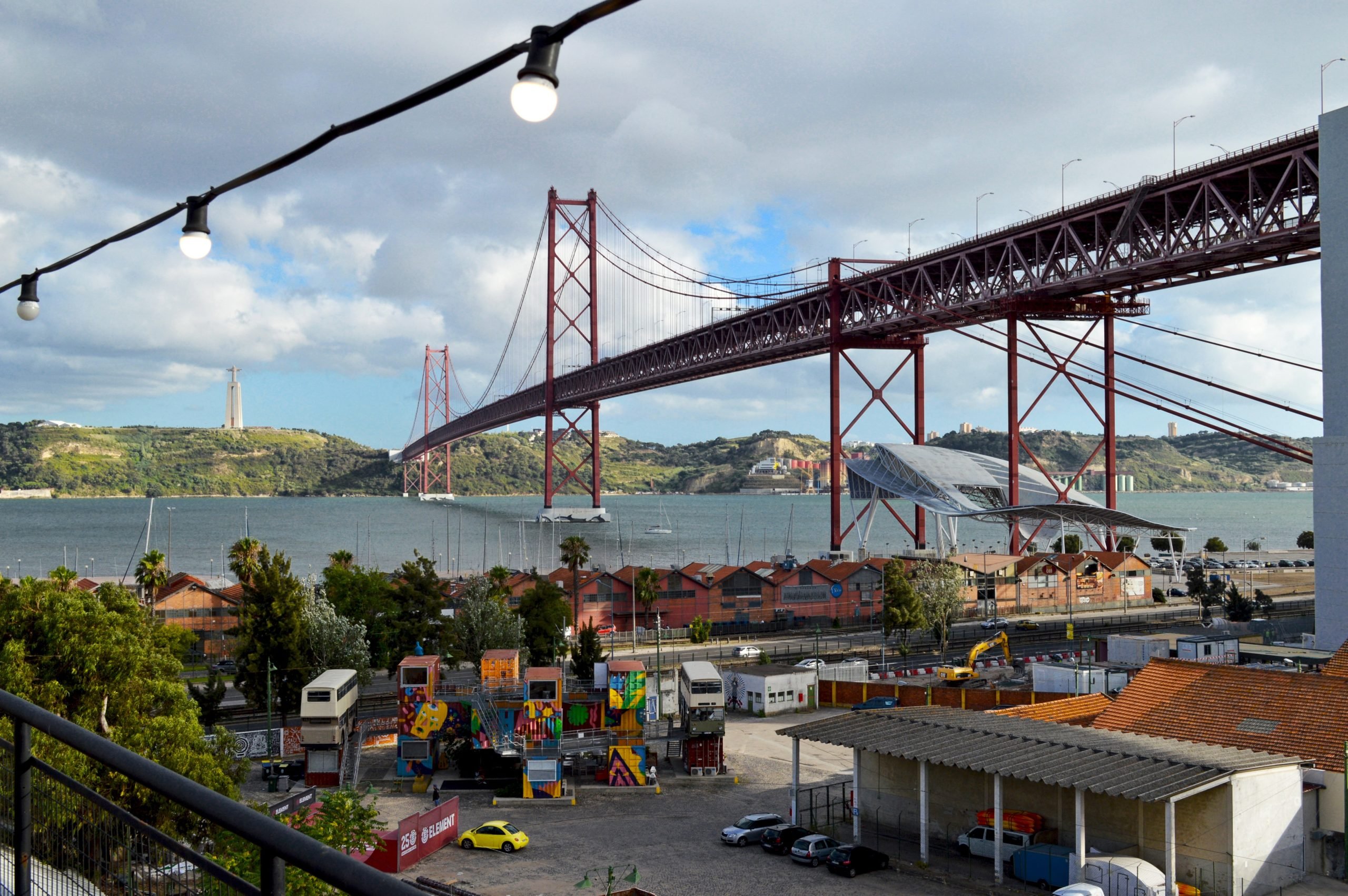
Located on the Portuguese Riviera, Cascais is one of the richest municipalities in the whole of Portugal, as it is one of the most expensive areas in Portugal to buy a house.Cascais has a 30-kilometer seacoast with some of the best beaches in the country, as well as quality restaurants and the largest casino in Europe. The old summer destination for the Portuguese Royal Family, Cascais is a hidden gem in Portugal of great historical significance. This place is a top place to raise a family, due to its nature, clean parks, and quality public schools.

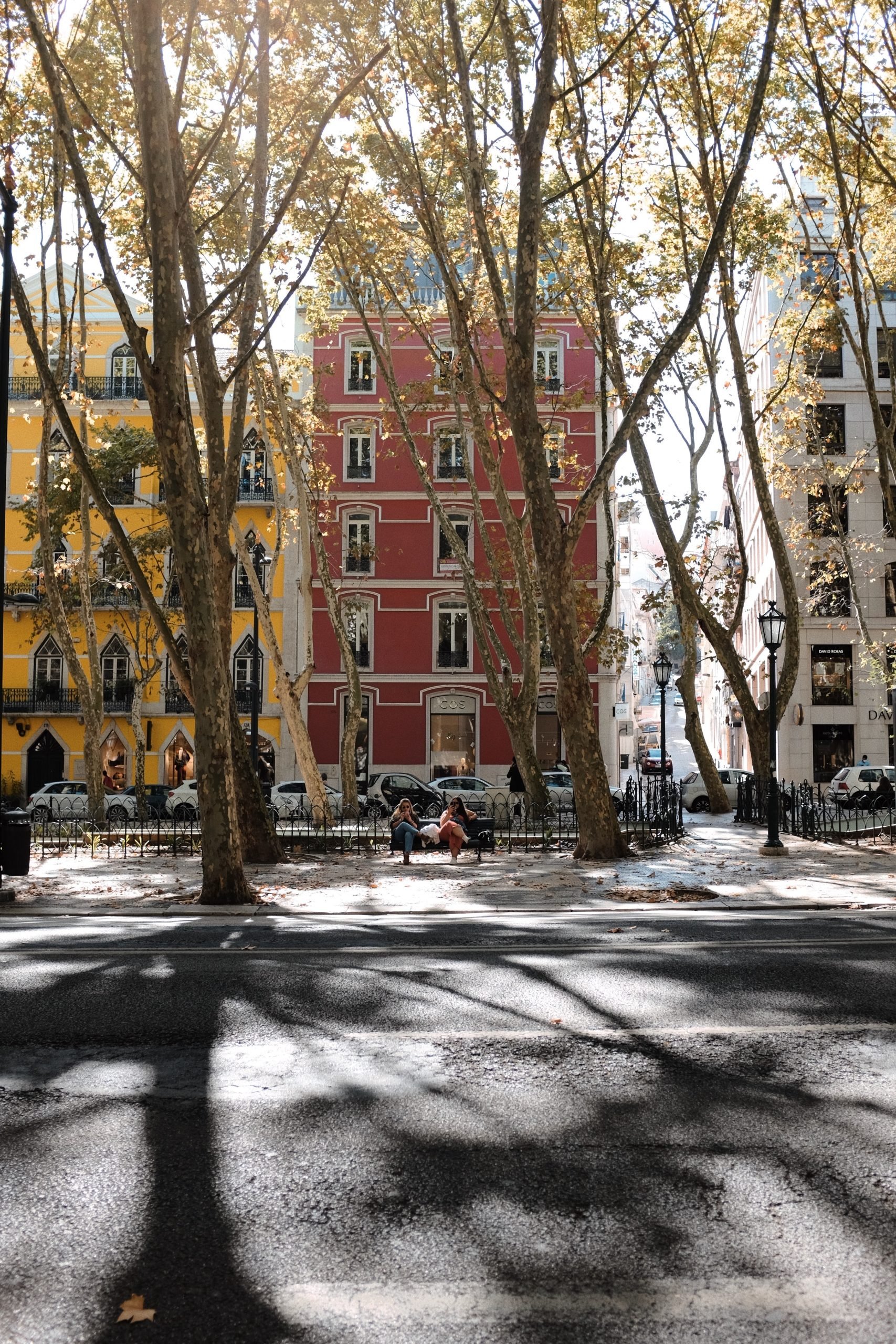
The rent in Cascais starts at around €600 for 1 bedroom and can go up to thousands of euros.
The second-largest city after Lisbon, over 1.8 million people live in the city of Porto’s metropolitan area. A large number of these are expats, digital nomads and retirees from abroad. 280 km north of Lisbon, the beautiful city of Porto lies along the Douro River. Porto essentially has everything Lisbon offers but has a lower cost of living. From a UNESCO World Heritage historical center to one of the best cuisines in the country, Porto is one of the best cities in Porto to live in.
Loads of tourists in Porto, particularly in the spring and summer.
Cost of Living in Porto
Porto is around 5% cheaper than Lisbon and rent is around 20% cheaper. According to Numbeo, the estimated monthly costs for a family of four are €1,938.31 without rent. A single person’s estimated monthly costs are €552.88 without rent.
Three-course meal for 2 people at mid-range restaurant €34
McMeal at Mcdonalds €6.50
Domestic Beer (0.5 liter draught) €2
Water €0.90
Marlboro cigarettes (20) €5
Monthly transportation pass €30
Gym membership €30
International primary school €6,277.57 yearly (anywhere from €4,200 to €7,500)
Rent for 1 bedroom in city center €670.59
Rent for 3 bedrooms in city center €1,184.06
Buying a house, price per square meter in city center €2,935.25
Located on the island of Madeira, Funchal is the home to many internationals, particularly retirees due to its year-round sunny weather. Funchal is the sixth-largest Portuguese city and built between mountainous cliffs, offering views of the Atlantic ocean. If you are looking to live the island life, but still experience a city environment, Funchal is the place for you. It has some of the best weather on the island due to its location in the South, having the most hours of sunlight in Madeira. However, Funchal is located over 1,000 kilometers from Lisbon so you would either have to work remotely or find a job on the island.
Funchal is around 5% cheaper than Lisbon and rent is around 35% cheaper. According to Numbeo, the estimated monthly costs for a family of four are €1,886.40 without rent. A single person’s estimated monthly costs are €529.0 without rent.
Three-course meal for 2 people at mid-range restaurant €32
McMeal at Mcdonalds €6
Domestic Beer (0.5 liter draught) €2.50
Water €1.08
Marlboro cigarettes (20) €5
Monthly transportation pass €35
Gym membership €40
International primary school €6,000 yearly (anywhere from €2,400 to €13,000)
Rent for 1 bedroom in city center €617.86
Rent for 3 bedrooms in city center €1,066.67
Buying a house, price per square meter in city center €2,125
Located in the region of Alentejo, the city of Evora is home to 50,000 people. This small city might not be an expat hotspot, but it is the perfect place for a countryside life that is affordable. Evora has an incredible cultural heritage, with its historical center being classified as a UNESCO World Heritage Site and the presence of 400 historical buildings in the city. The typical Portuguese sidewalk (“Calçada Portuguesa”) fills the narrow streets of Evora and makes it a beautiful city to live in. However, if you are looking for beachdays, Evora is not the place for you as the closest beach is at least a one hour drive away.
Located in the North of Portugal, Braga is the capital of the Minho region which consists of 23 municipalities. The oldest city in Portugal, Braga was founded by the Romans in the year 16 BC. The city is packed with history and culture such as hundreds of churches. Its location is also great for exploring and traveling. You can get to the only national park in the country, Peneda-Gerês National Park in about an hour by car and continue to Spain in around 90 minutes. Braga is also one of the cheapest places to buy a house in Portugal. A house in the city center here costs €1,481 per square meter, while in Lisbon it costs €4,623 per square meter.
Braga is around 5% cheaper than Porto and rent is around 15% cheaper. According to Numbeo, the estimated monthly costs for a family of four are €1,794.82 without rent. A single person’s estimated monthly costs are €514.92 without rent.
Three-course meal for 2 people at mid-range restaurant €30
McMeal at Mcdonalds €6.25
Domestic Beer (0.5 liter draught) €1.50
Water €0.93
Marlboro cigarettes (20) €5.10
Monthly transportation pass €26
Gym membership €32.50
International primary school €4,560 yearly (anywhere from €3,600 to €10,000)
Rent for 1 bedroom in city center €565
Rent for 3 bedrooms in city center €885
Buying a house, price per square meter in city center €1,481
The capital of São Miguel island since 1546, Ponta Delgada is a cosmopolitan town that is full of historic flavor in the Azores. Around 70,000 people live in the capital, around half of the whole island population. The island of São Miguel is the largest in the Azores, allowing you to live a modern Azorean life where you can enjoy the slow pace of island life, as well as the cosmopolitan feel of the capital. Ponta Delgada is known for its historic churches and unique cobbled streets, as well as Avenida Infante D. Henrique, a seaside promenade that runs from a military fortress to Calheta. Living in the Azores will not only allow you to be close to nature, but it is also a lot more affordable than the mainland, as well as Madeira.
A 30-minute drive from Lisbon, Setubal is a coastal city located in the Arrabida mountains in the South of the country. The city has some of the best weather in the country and beaches with transparent blue waters. Along with wonderful beaches, Serra da Arrábida has everything you need to enjoy life from trails, viewpoints, historical sites, restaurants and confectioneries. Setubal is also the perfect place to live if you want to work in Lisbon but be able to go home to tranquillity instead of the business of the capital. You’ll also find that Setubal is much more affordable than the capital.
Setubal is around 2% cheaper than Lisbon and rent is around 40% cheaper. According to Numbeo, the estimated monthly costs for a family of four are €1,923.88 without rent. A single person’s estimated monthly costs are €549.40 without rent.
Three-course meal for 2 people at mid-range restaurant €32.50
McMeal at Mcdonalds €5.75
Domestic Beer (0.5 liter draught) €1.50
Water €0.88
Marlboro cigarettes (20) €5
Monthly transportation pass €40
Gym membership €28.62
International primary school €7,200 yearly (anywhere from €6,000 to €9,600)
Rent for 1 bedroom in city center €568.75
Rent for 3 bedrooms in city center €800
Buying a house, price per square meter in city center €1,798
Tavira was built alongside River Gilão, in an intricate of narrow roadways and white houses that offer a fairytale-like environment. This small city is located in the region of the Algarve, one of the best places in the world to live, particularly for expats and retirees. The Algarve is located on Portugal’s south-western tip and is lapped by the Atlantic from two sides. The Algarve has the best weather in the country due to its location in the South, more than 300 days of sunshine). Tavira also has some of the best beaches in the world and a thriving international scene, so learning Portuguese is not necessary.
With a population of 73,600 people, Aveiro is a Portuguese city located on the northern coast in the Central Region of Portugal. This city is often called the “Portuguese Venice” due to the presence of the Ria de Aveiro, a lagoon of approximately 75 square kilometers. Aveiro is a city full of color, from the houses to the boats that span the canals. Aveiro might not be the first city people think of when moving to Portugal, but it is a great spot for expats with families looking to settle down.
Aveiro has a low cost of living in comparison to major cities like Porto and Lisbon.
Modern and colorful architecture is everywhere in Aveiro.+
Although it’s a popular spot for retirees, the city is home to a variety of age groups as the University of Aveiro brings young people from all over the country to Aveiro.
Aveiro is close to amazing beaches such as Praia da Mira.
Cons of Living in Aveiro
Aveiro is a small city with less than 80,000 people which can feel isolating for some.
Hard to find a job in Aveiro in comparison to Lisbon and Porto, although there is an increase in IT jobs here.
Cost of Living in Aveiro
Aveiro is around 9% cheaper than Lisbon and rent is around 42% cheaper. According to Numbeo, the estimated monthly costs for a family of four are €1,775.80 without rent. A single person’s estimated monthly costs are €505.39 without rent.
Three-course meal for 2 people at mid-range restaurant €27.50
McMeal at Mcdonalds €6.50
Domestic Beer (0.5 liter draught) €1.50
Water €0.99
Marlboro cigarettes (20) €5.10
Monthly transportation pass €32.50
Gym membership €31.67
International primary school €7,200 yearly
Rent for 1 bedroom in city center €489.29
Rent for 3 bedrooms in city center €859.09
Buying a house, price per square meter in city center €1,862.50
Subscribe to our newsletter below to get the latest news, reviews, info and more!
We use cookies to ensure that we give you the best experience on our website. If you continue to use this site we will assume that you are happy with it.