
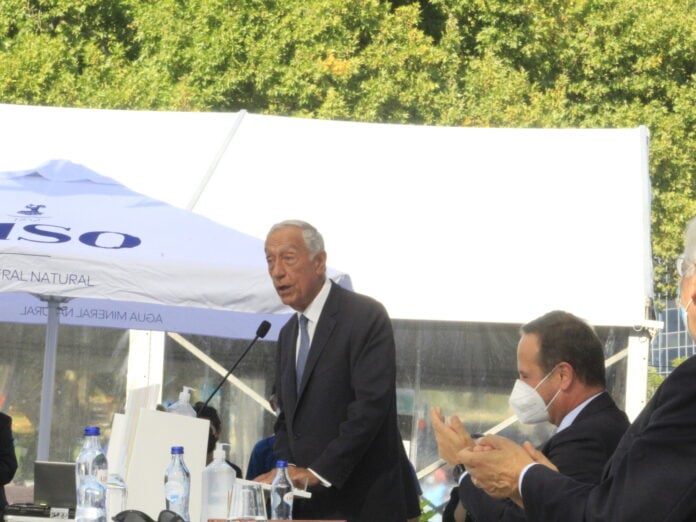
As Portugal prepares for its presidential election on January 18, 2026, the nation bids farewell to a decade of leadership under President Marcelo Rebelo de Sousa. First elected on January 24, 2016, and taking office on March 9, 2016, Marcelo became a beloved figure who guided the nation through some of its most challenging moments while embodying a unique style of approachable, hands-on leadership. No matter what opinion you may have of him as a person or his tenure in office, his presidency has left indelible mark on Portuguese democracy.
Born on December 12, 1948, in Lisbon, Marcelo Rebelo de Sousa came to the presidency with an extraordinary background. A constitutional law professor, journalist, political commentator, and former leader of the Social Democratic Party, he brought decades of experience to the role. Unlike many world leaders who maintain distance from their citizens, Marcelo became known for his warmth, accessibility, and willingness to engage directly with the Portuguese people. He could often be found on many mornings going for a swim in Cascais! His presidency was defined not just by policy decisions but by a personal touch that resonated across the nation.
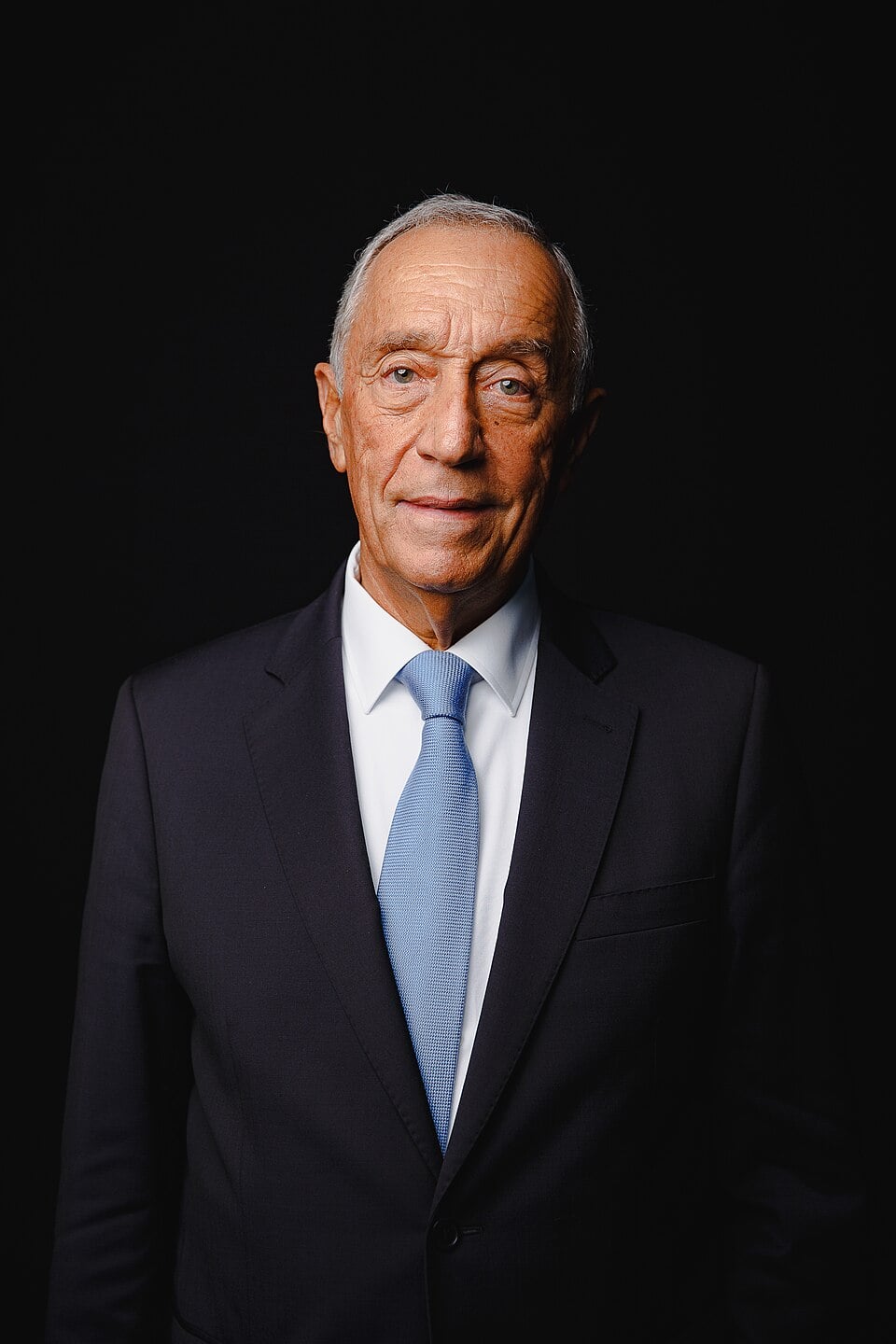
The Inauguration
When Marcelo took office on March 9, 2016, Portugal was still recovering from the scars of its 2011-2014 bailout period. During his campaign, he ran as an independent candidate and promised to repair political divisions and bring moderation and cross-party consensus to Portuguese politics. He pledged to be a unifying force, and from his first days in office, he set about fulfilling that promise.
Unlike his predecessor, Aníbal Cavaco Silva, Marcelo had never previously held the nation’s top state position. He brought a fresh perspective to the presidency. His background as a prominent television political analyst made him a familiar face to millions of Portuguese citizens, and his transition from commentator to head of state was seamless. He understood the pulse of the nation because he had spent years interpreting it for the public.
Ten Memorable Moments during Marcelo’s Presidency
1. Declaration of the First State of Emergency in 46 Years (March 2020)
Perhaps no single moment better defined Marcelo’s presidency than his response to the COVID-19 pandemic near the end of his first five-year term. In March 2020, as the virus began spreading across Europe, Marcelo made the historic decision to ask Parliament to authorize a state of emergency. This marked the first time Portugal had declared a nationwide state of emergency in the 46 years since the Carnation Revolution established democracy in 1974.
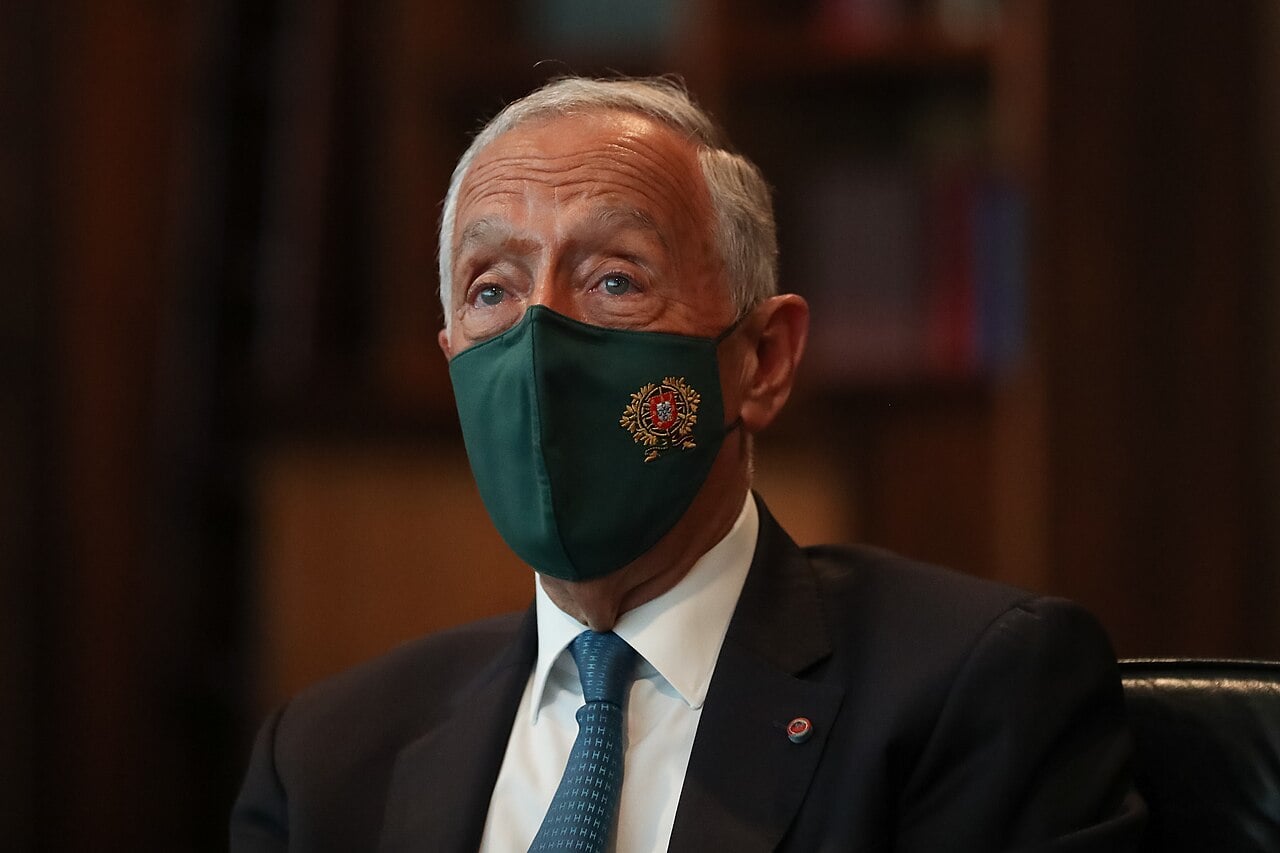
The decision was not made lightly. Marcelo understood the weight of suspending certain constitutional freedoms, but he recognized that the public health crisis demanded extraordinary measures. He worked closely with Parliament and Prime Minister António Costa to implement restrictions on movement, require businesses to close, and mobilize the healthcare system. Throughout the pandemic, Marcelo declared multiple states of emergency, renewing them every 15 days as the situation demanded. His leadership during this crisis was characterized by transparency, empathy, and a willingness to share the burden with his fellow citizens. He personally quarantined when exposed to the virus and tested positive himself in January 2021, which demonstrated that the virus respected no position or title.
2. Heroic Beach Rescue (August 2020)
Remember how we said that Marcelo likes to swim? Well, in a moment that captured international attention and perfectly encapsulated his hands-on leadership style, the 71-year-old president dove into the Atlantic Ocean to help rescue two women whose kayak had capsized at Praia do Alvor beach in the Algarve! Marcelo was on a working holiday, visiting Portuguese regions to support the tourism sector during the pandemic, when he spotted the women struggling against a strong current.
Without hesitation, he swam out to assist them working alongside lifeguards to bring the pair to safety. The incident was captured on video and went viral worldwide. When asked about the rescue, Marcelo explained that the women had been swept from a neighboring beach and were unable to swim against the powerful westerly current. He hoped they would be more careful in the future but was simply glad he could help. The moment became symbolic of Marcelo’s presidency: a leader willing to roll up his sleeves and literally dive in when his people needed help.
3. Response to the Devastating 2017 Forest Fires
In June and October 2017, Portugal experienced the deadliest forest fires in its history. The tragedy of Pedrógão Grande in June killed at least 66 people, many of whom perished on a road while trying to evacuate. In October, another wave of fires claimed 45 more lives. Portugal accounted for approximately 90 percent of fire-related deaths in Europe that year.
Marcelo’s response to these tragedies demonstrated his capacity for empathy and his willingness to hold the government accountable. He arrived at Pedrógão Grande before midnight on June 17 visibly shaken by the devastation. He embraced officials and survivors, met with those who had lost loved ones, and stayed close to affected communities throughout the recovery process. He was relentless in his criticism of the government’s response and pushed for reforms in forest management and emergency preparedness. His presence during Portugal’s darkest hours provided comfort to a grieving nation and showed that the presidency was both a ceremonial office and a source of moral leadership.
4. Landmark Reelection Victory (January 2021)
On January 24, 2021, Marcelo achieved a historic reelection victory that reflected the nation’s confidence in his leadership. He won 60.7 percent of the vote in the first round, the third-highest margin of victory in any Portuguese presidential election since the Carnation Revolution. More remarkably, he became the first candidate in Portuguese democratic history to win in all 308 municipalities, capturing 3,083 of the country’s 3,092 parishes.
The election took place during a severe COVID-19 lockdown, and Marcelo thanked voters for adhering to pandemic protocols to exercise their democratic rights. His victory speech emphasized that combating the pandemic would remain his top priority. The election also marked the rise of right-wing populism in Portugal, with André Ventura of Chega finishing third with nearly 12 percent of the vote, but Marcelo’s overwhelming mandate demonstrated that the Portuguese people valued stability, moderation, and experience.
5. Confronting Portugal’s Colonial Past and Slavery (2023-2024)
In a series of groundbreaking statements beginning in April 2023, Marcelo became the first Portuguese leader to suggest that Portugal should formally apologize for its role in the transatlantic slave trade and colonial atrocities. During the 400-year period from the 15th to the 19th century, Portuguese vessels trafficked nearly 6 million Africans into slavery, more than any other European nation, primarily to Brazil.
Speaking at Portugal’s annual commemoration of the 1974 Carnation Revolution, with Brazilian President Luiz Inácio Lula da Silva in attendance, Marcelo declared that Portugal must “take full responsibility” for its past. He went further in April 2024, stating that Portugal must “pay the costs” of slavery and colonialism, which raised questions about unreturned looted goods and unpunished crimes. He called for the nation to lead the process of reparations and to continue surveying colonial-era artifacts in Portuguese museums for potential return to former colonies.
These statements represented a historic shift in how Portugal confronts its past. For generations, Portugal’s colonial era had been taught as a source of national pride, with little acknowledgment of the suffering inflicted on colonized peoples. Marcelo’s willingness to challenge this narrative demonstrated moral courage and a commitment to truth, even when it made many Portuguese uncomfortable.
6. The Euthanasia Law Saga (2021-2023)
Few issues tested Marcelo’s constitutional role and personal convictions more than the question of euthanasia. As a practicing Catholic, he held deep personal reservations about medically assisted death, yet as president, he was bound to respect the democratic will expressed through Parliament. This tension played out over multiple years as Parliament repeatedly passed legislation to decriminalize euthanasia and Marcelo repeatedly vetoed it or sent it to the Constitutional Court.
In January 2021, Marcelo vetoed the first version of the euthanasia bill citing “excessively undefined concepts.” In November 2021, he vetoed a second version, pointing to contradictory language regarding qualifying conditions. He sent a third version to the Constitutional Court in early 2022, which declared it unconstitutional. In April 2023, he vetoed a fourth version. Finally, in May 2023, after Parliament overrode his final veto by a vote of 129 to 81, Marcelo signed the law, acknowledging that he was constitutionally obligated to do so.
His office stated that “the president has enacted the legislation as he is obliged to do so under the constitution.” This protracted process demonstrated both Marcelo’s commitment to his personal values and his ultimate respect for democratic institutions and the rule of law. Portugal became the sixth European Union country to allow euthanasia, and Marcelo’s handling of the issue showed how a president can exercise constitutional powers while ultimately deferring to the people’s representatives.
7. Managing the 2023 Political Crisis and António Costa’s Resignation
In November 2023, Portugal faced a sudden political crisis when Prime Minister António Costa resigned after his chief of staff was arrested in a corruption investigation involving lithium mining concessions and hydrogen energy projects. Costa, who had governed since 2015, denied any wrongdoing but stated that the dignity of the prime minister’s office was incompatible with any suspicion of wrongdoing.
Marcelo acted swiftly and decisively. He accepted Costa’s resignation, consulted with political party leaders, and met with the Council of State. On November 9, 2023, he addressed the nation and announced that he was dissolving Parliament and calling snap elections for March 10, 2024. The decision came two years ahead of schedule but ensured that Portugal could address the crisis democratically rather than through protracted political uncertainty.
Marcelo allowed Parliament to remain in session just long enough to pass the 2024 state budget, which ensured fiscal stability during the transition. Costa remained as caretaker prime minister until the elections, which resulted in the Social Democratic Party, led by Luís Montenegro, forming the government in April 2024. Marcelo’s handling of the crisis balanced the need for accountability with the importance of governmental continuity and demonstrated the stabilizing role a president can play in a parliamentary system.
8. Championing Accessible Leadership and Selfie Diplomacy
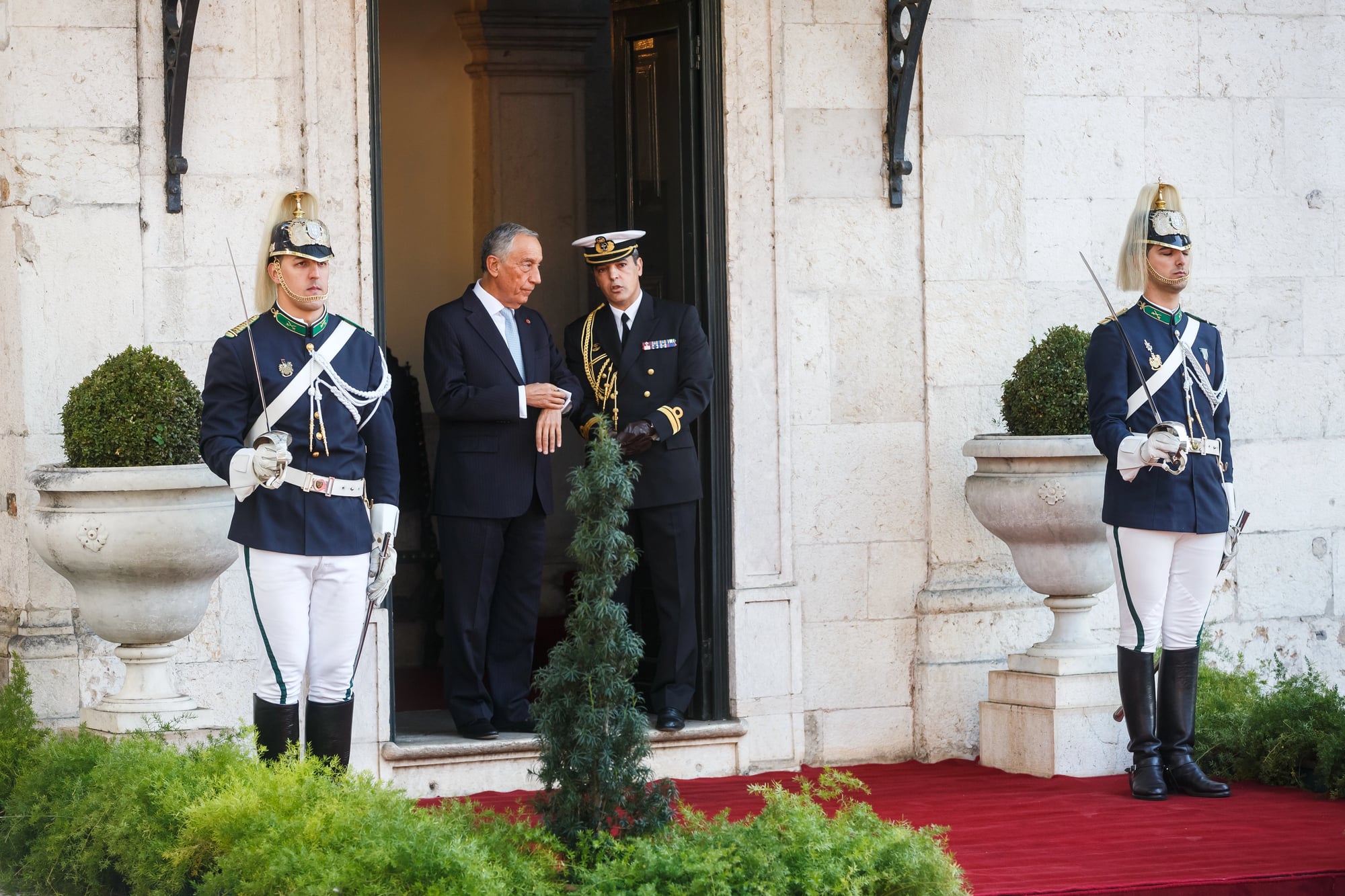
Throughout his presidency, Marcelo revolutionized what it meant to be a head of state in Portugal. He became famous for his willingness to take selfies with citizens, which spawned a Facebook page called “Selfies com Marcelo” (Selfies with Marcelo) that documented countless encounters. He was photographed standing in supermarket lines wearing casual clothes, teaching COVID-19 lessons to children during lockdown, and visiting every corner of Portugal during his summer tours to promote tourism.
This accessibility reflected Marcelo’s genuine belief that the presidency should be close to the people, not distant from them. He attended community events, hospital openings, school ceremonies, and local festivals. He visited affected areas immediately after natural disasters and celebrated with communities during moments of national pride. His popularity stemmed not only from his political achievements but also from the sense that he truly cared about every Portuguese citizen.
9. Navigating Cohabitation with Socialist Governments
Throughout his entire ten-year tenure, Marcelo governed in cohabitation with Socialist Party prime ministers, first António Costa from 2016 to 2024, and then briefly with Luís Montenegro of the Social Democratic Party starting in April 2024. This arrangement, where the president comes from the center-right tradition while the government is led by the left, could have created tension and gridlock. Instead, Marcelo demonstrated the art of presidential restraint and strategic intervention.
He worked constructively with Costa’s governments on pandemic response, economic recovery, and social policy while also exercising his constitutional powers when necessary. He vetoed legislation he believed was constitutionally flawed, sent controversial bills to the Constitutional Court for review, and occasionally criticized government performance on issues like forest fire prevention. However, he never allowed partisan considerations to undermine governmental stability. He understood that, in Portugal’s semi-presidential system, the president serves as a check and balance and not as a parallel power center.
This period of cohabitation was the longest and most successful in Portuguese democratic history. It showed that political leaders of different ideological traditions can work together for the national good when guided by mutual respect and commitment to democratic institutions.
10. Promoting Portugal on the Global Stage
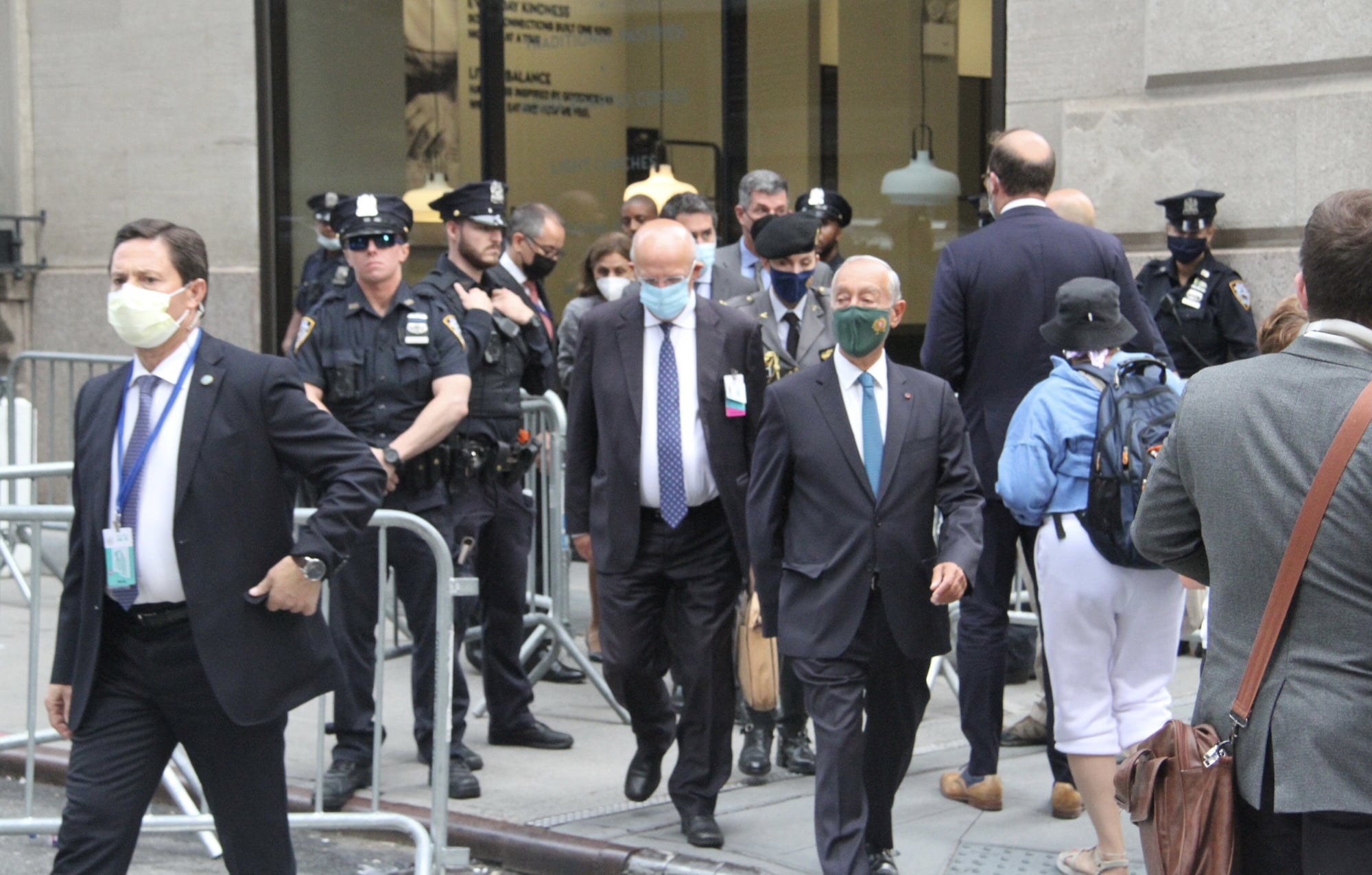
Marcelo traveled extensively as president, visiting the Vatican, Spain, Mozambique, Morocco, Brazil, Switzerland, Cuba, the United Kingdom, Greece, the United States, and Angola, among other countries. His first international visit was to Vatican City to meet Pope Francis, and in 2019, he joined French President Emmanuel Macron for the Bastille Day military parade in Paris, which honored European military cooperation.
These visits strengthened Portugal’s diplomatic relationships and raised the country’s profile internationally. Marcelo received numerous honors from foreign governments, including grand collars and high orders from Algeria, Angola, Austria, Belgium, Brazil, and many other nations. He advocated for stronger European integration, Atlantic cooperation, and partnerships with Portuguese-speaking countries around the world.
In August 2025, he made headlines by referring to U.S. President Donald Trump as a “Russian asset” following a U.S.-Russia summit. This demonstrated his willingness to speak candidly on matters of international security even when it meant criticizing powerful allies. His foreign policy approach combined Portugal’s traditional Atlantic orientation with a commitment to European solidarity and engagement with the global Portuguese diaspora.
Legacy and Conclusion
As Marcelo Rebelo de Sousa prepares to leave office after a decade of service, Portugal finds itself at a crossroads. The country weathered a global pandemic, political crises, natural disasters, and deep debates about its past and future, all while Marcelo served as a steady, compassionate, and engaged head of state. Public opinion polls showed that, while his approval ratings declined in later years, as often happens with long-serving leaders, he remained a respected figure who fundamentally changed expectations of what a Portuguese president should be. His presidency demonstrated that leadership is about showing up, listening, and being present when people need you.
The constitutional prohibition on a third consecutive term means that Portugal must now choose a new leader for the first time since 2016. Candidates including Admiral Henrique Gouveia e Melo, who earned acclaim as coordinator of Portugal’s COVID-19 vaccination task force, former Socialist Party leader António José Seguro, and far-right Chega leader André Ventura represent vastly different visions for the country’s future. Whoever wins will inherit a nation shaped by Marcelo’s decade of service.
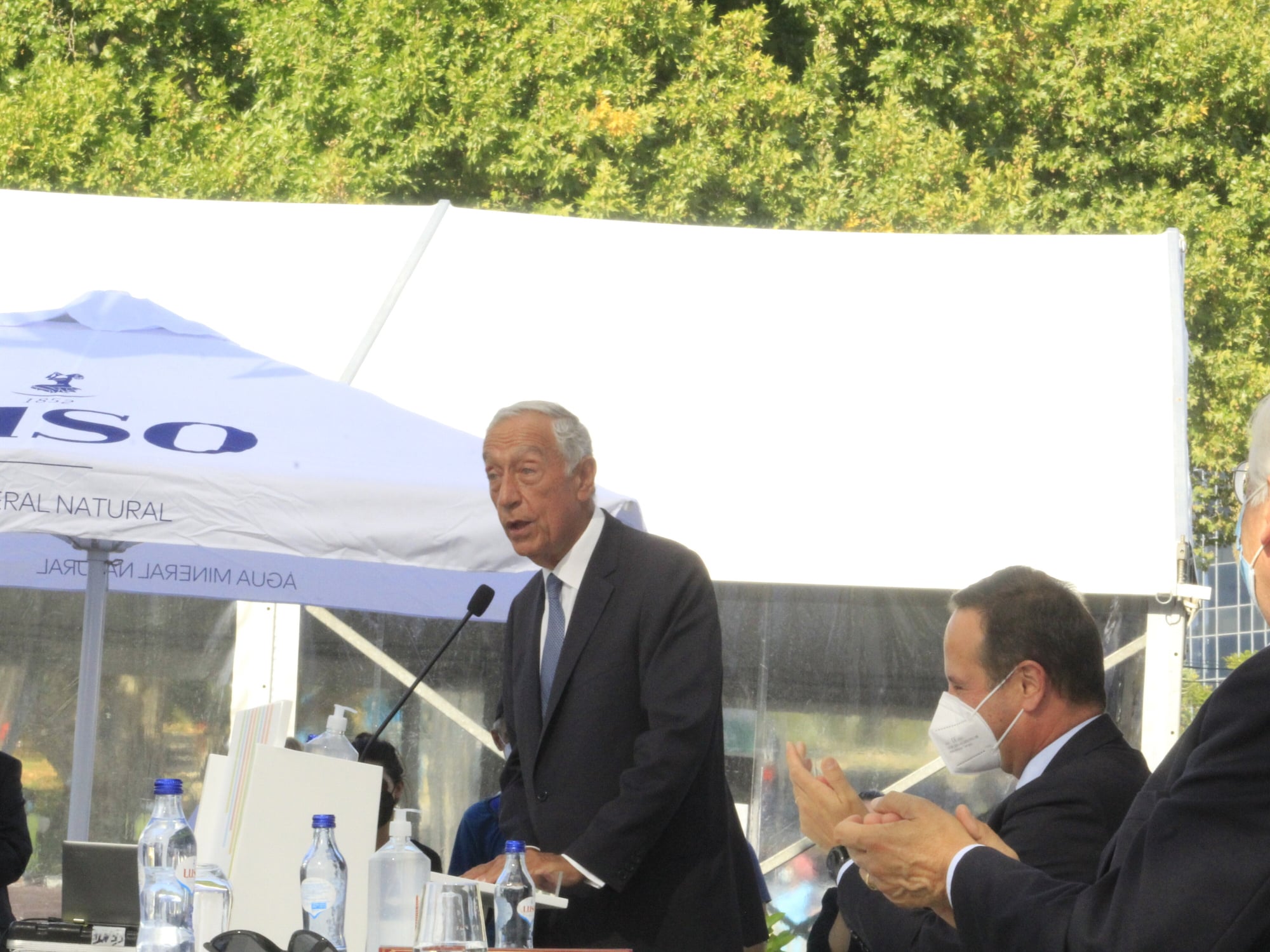
As the nation prepares to vote on January 18, 2026, Portuguese citizens can reflect on a remarkable decade and express their gratitude to a president who gave everything to his country. Thank you, Marcelo, for ten years of dedication, empathy, and unwavering service to Portugal and its people. Your legacy will endure long after you leave Belém Palace.