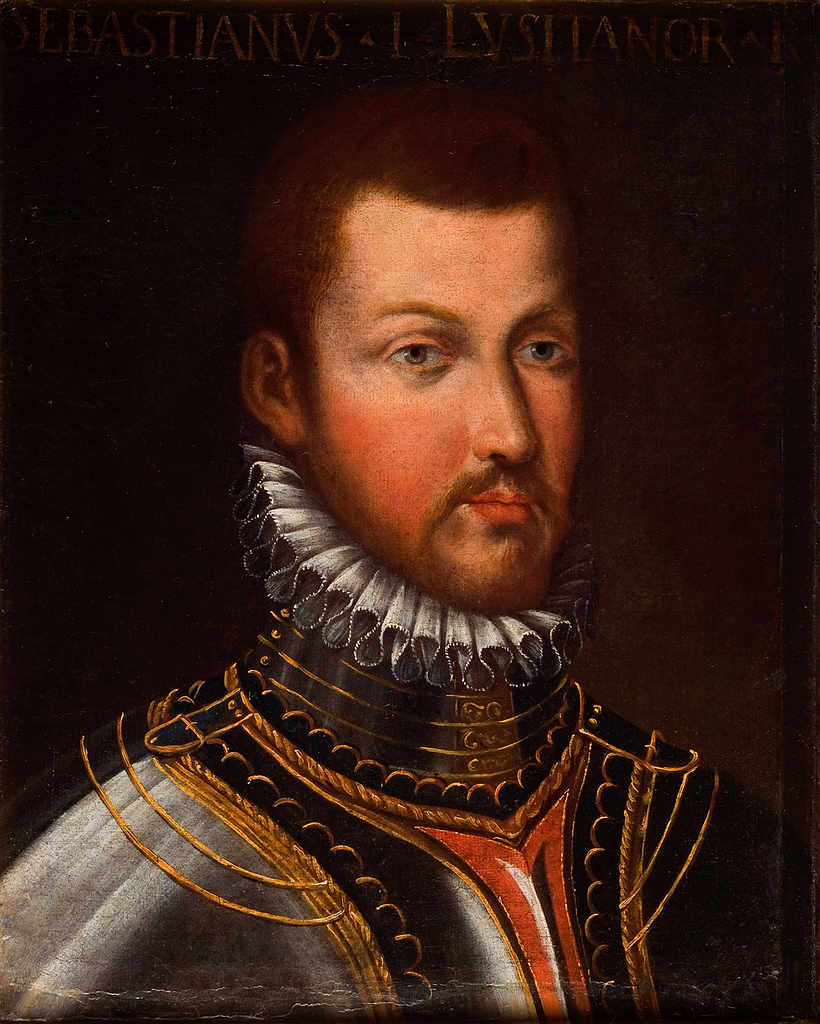
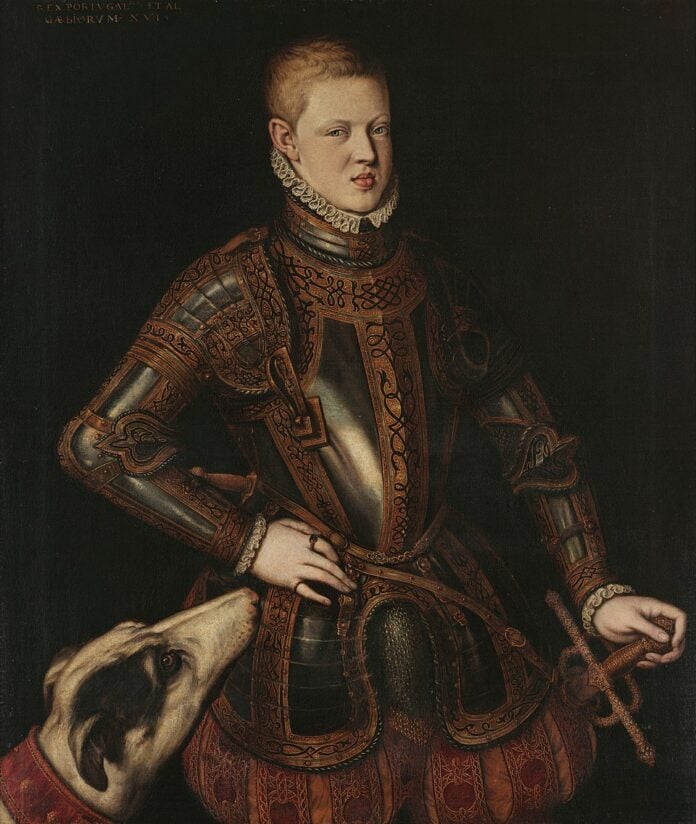
King Sebastian of Portugal remains one of the most enigmatic and emotionally charged figures in European history. His reign was short, his final campaign catastrophic, and his disappearance so complete that it transformed a failed monarch into a national myth. More than four centuries after his death, Sebastian continues to occupy a unique place in the Portuguese imagination. He is suspended somewhere between history, prophecy, and poetry and remains a controversial figure in the eyes of the Portuguese people. These eighteen facts explain why his story still resonates so deeply.
1. He Was Called “The Desired One” Before He Was Even Born.
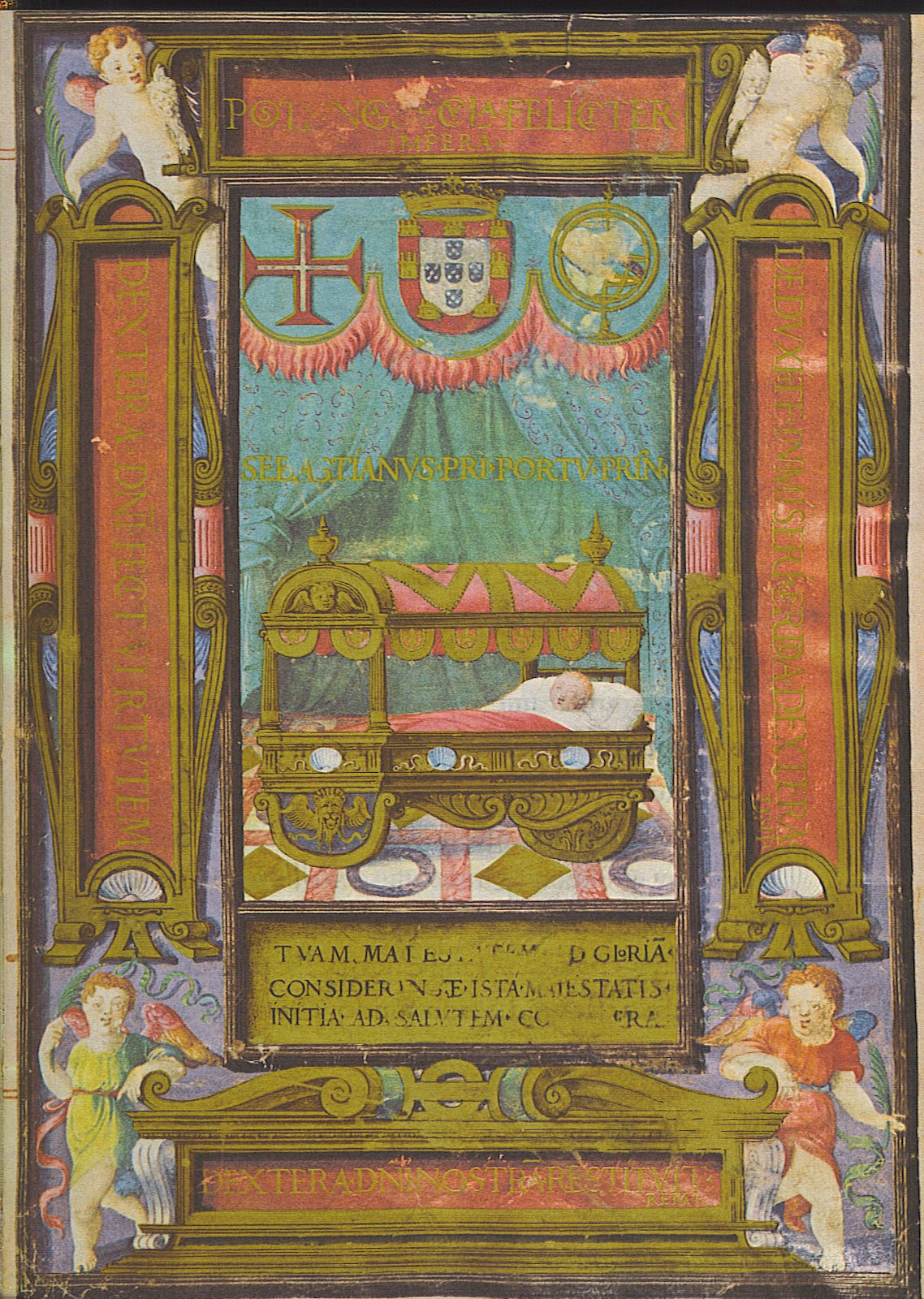
Sebastian’s birth in 1554 came at a moment of profound anxiety for Portugal. The royal dynasty was teetering on the edge of extinction, and the absence of a clear male heir threatened political instability and foreign intervention. His arrival was celebrated as a miracle. Long before he could speak or walk, he was known as O Desejado, the Desired One, a title that framed his life as a fulfillment of divine expectation. From the very beginning, Sebastian was both a child and a symbol.
2. He Was Born Into a Kingdom Holding Its Breath.
Sebastian was born just two weeks after the death of his father, Prince João Manuel, making him heir to the throne almost by default. This coincidence intensified the sense that Portugal’s future rested entirely on an infant. Courtiers, clergy, and common people projected their hopes and fears onto the child and shaped an atmosphere in which Sebastian’s existence carried immense emotional and political weight.
3. He Became King at Just Three Years Old.
When Sebastian ascended the throne in 1557 after the death of his paternal grandfather King John III, he was barely old enough to understand what a crown was. Portugal entered a regency period ruled first by his grandmother, Queen Catarina, and later by Cardinal Henrique. While the empire continued to function, Sebastian grew up far removed from the practical demands of rule. Kingship, to him, became an abstract and idealized concept rather than a discipline learned through experience.
4. His Mother Left Portugal and Never Returned.
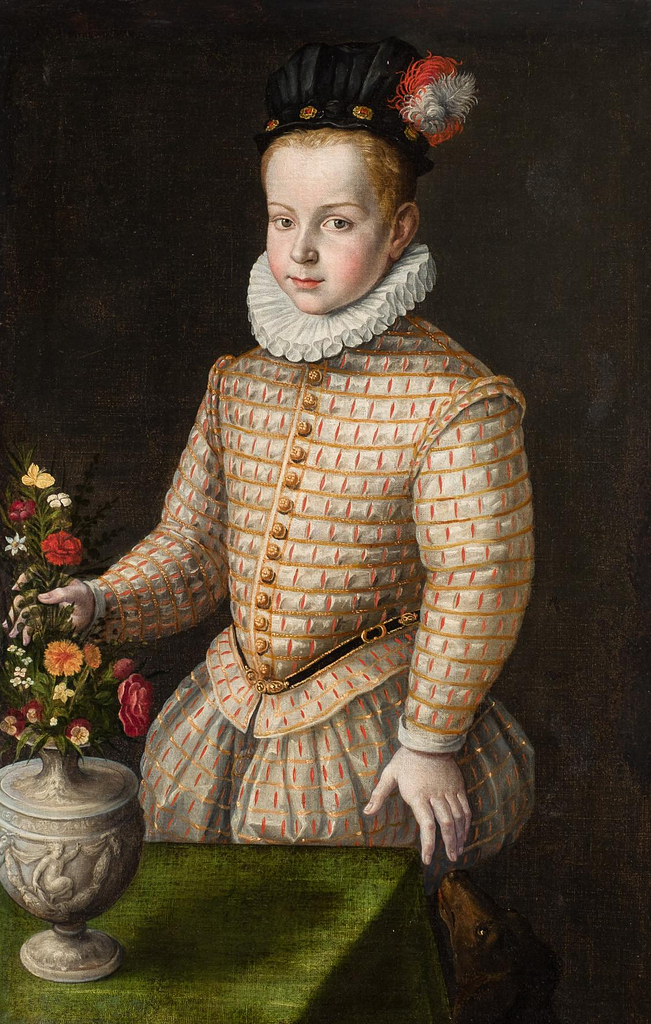
Shortly after Sebastian’s birth, his mother Joanna of Austria returned to Spain to fulfill political duties and never returned to Portugal. She never saw her son again. This permanent absence deprived Sebastian of maternal guidance and reinforced his emotional isolation. Raised without close parental attachment, he grew up surrounded by ritual, reverence, and expectation rather than affection.
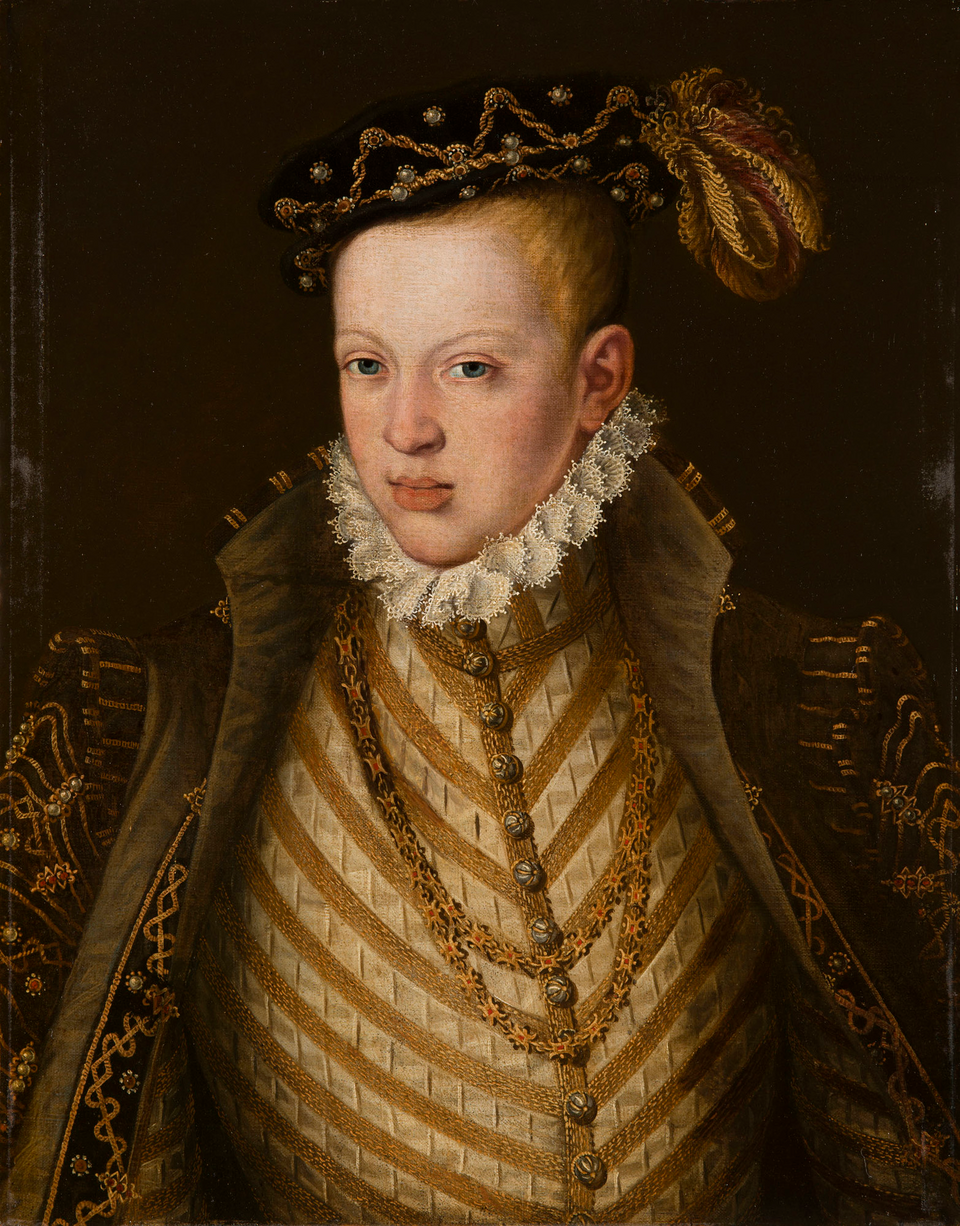
5. He Was Raised Under Intense Jesuit Supervision.
Sebastian’s education was entrusted largely to the Jesuits whose influence decisively shaped his worldview. They emphasized obedience, religious purity, and moral absolutism. From an early age, Sebastian internalized the belief that kingship was a sacred mission entrusted to him by God. This belief would later guide his decisions often at the expense of political realism.
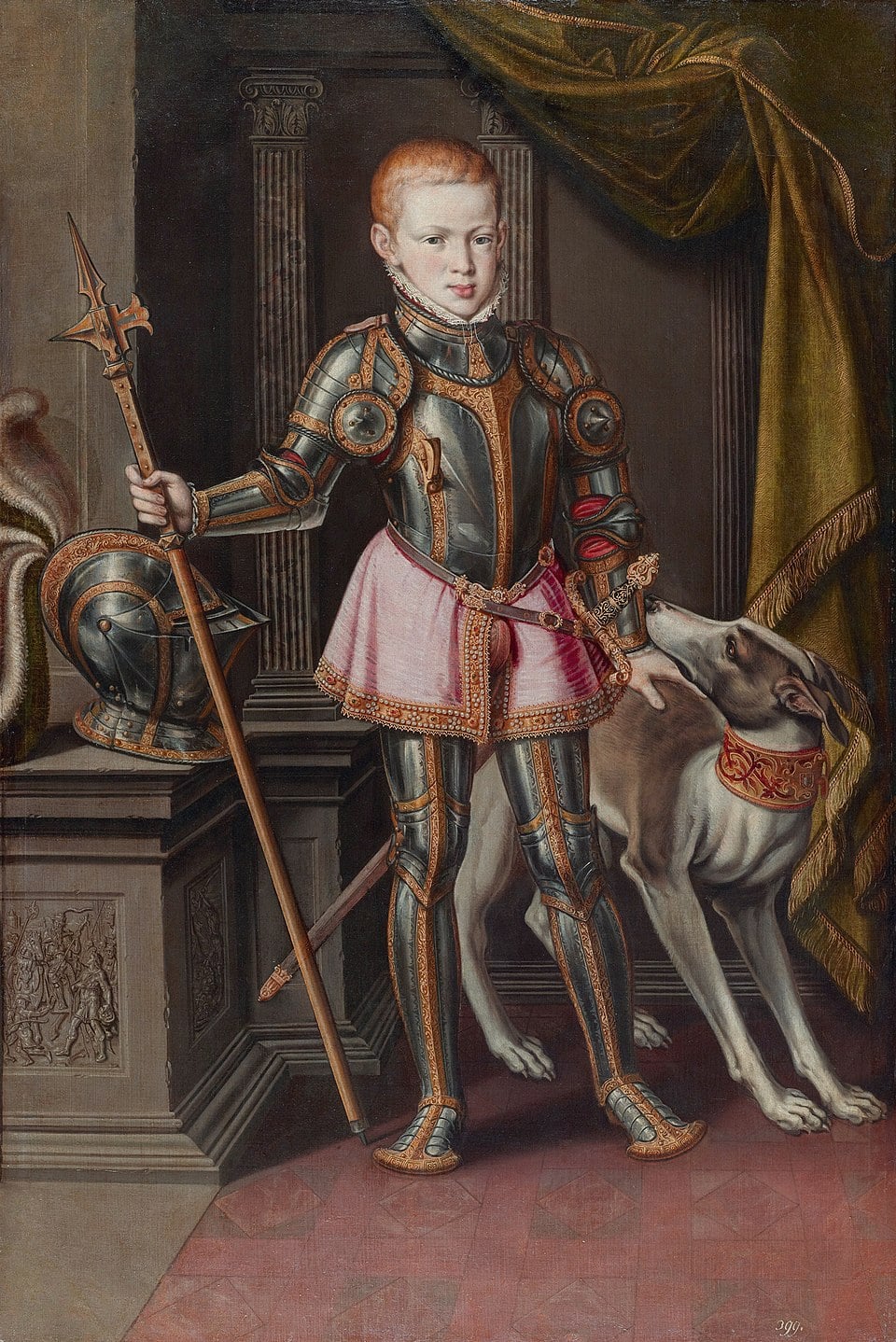
6. His Religious Devotion Was All-Consuming.
Sebastian’s faith became the lens through which he understood the world. He carried theological texts around with him, surrounded himself with clerics, and interpreted events as expressions of divine will. This deep devotion left little room for compromise or skepticism and built up a conviction within him that faith alone could overcome practical obstacles.
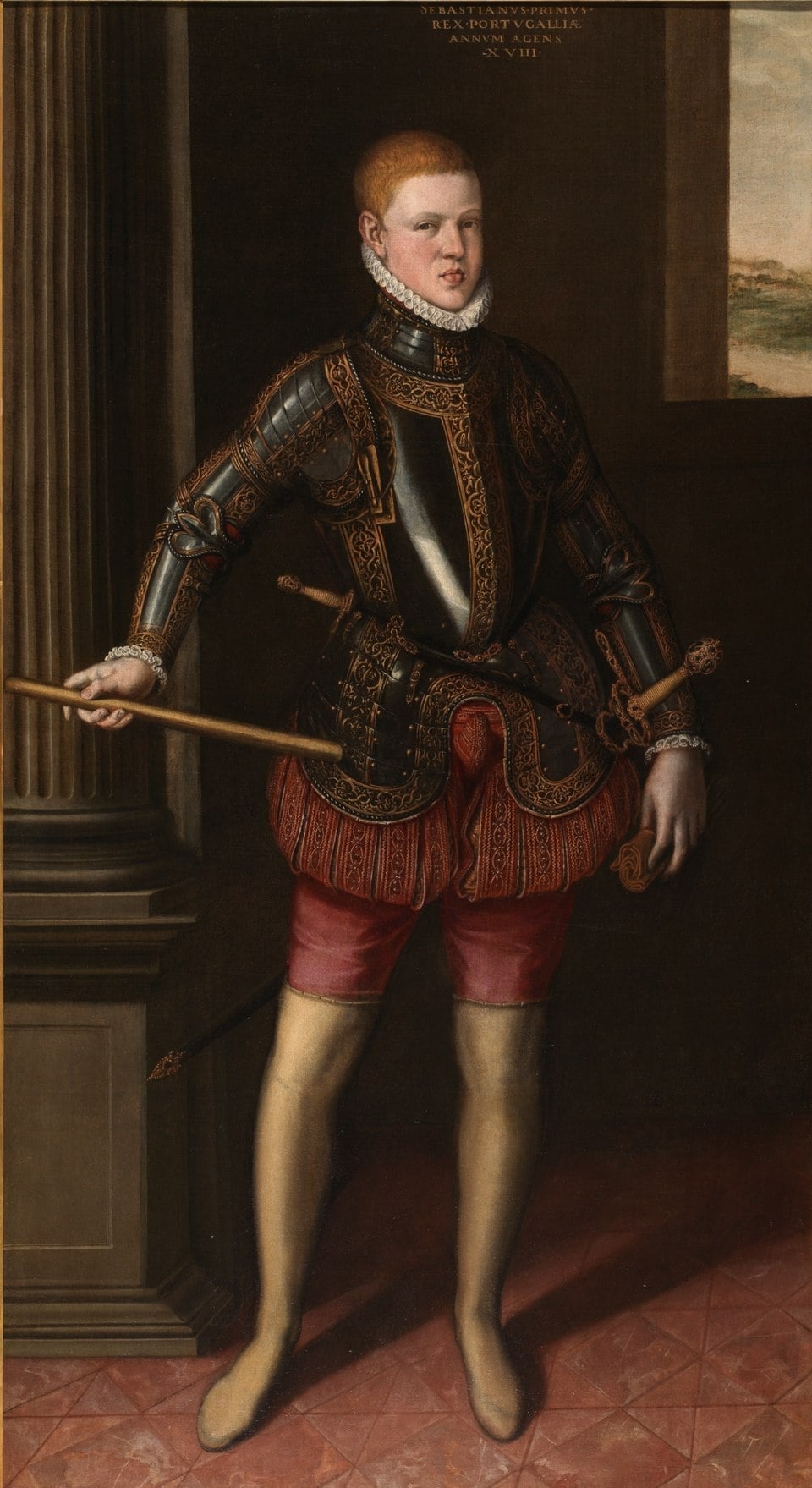
7. He Cultivated the Image of a Warrior King.
Physically strong, athletic, and fearless, Sebastian devoted enormous energy to physical training. He hunted relentlessly, jousted, rode long distances, and embraced hardship. These pursuits reinforced his self-image as a crusader king destined for heroic action. At the same time, they distracted him from the administrative and diplomatic responsibilities required to govern a global empire.
8. He Avoided Lisbon and Its Seasoned Advisors.
Rather than rule from Lisbon, Sebastian often traveled through the countryside particularly the Alentejo and Algarve. He deliberately distanced himself from experienced advisors who might temper his ambitions. Instead, he surrounded himself with young nobles who admired him and echoed his ideals. Flattery became more influential than counsel.
9. He Showed No Interest in Marriage or Succession.
Despite numerous diplomatic efforts to arrange politically advantageous marriages with European royal families, Sebastian remained uninterested. Discussions of marriage reportedly distressed him. His refusal to secure an heir placed Portugal in a precarious position and made the stability of the monarchy dependent on a king who seemed indifferent to its continuity.
10. He Likely Suffered from Chronic Health Issues.
From adolescence onward, Sebastian suffered from a medical condition affecting his sexual development. Contemporary observers believed this contributed to his aversion to marriage and his increasingly ascetic lifestyle. Physical vulnerability may have intensified his reliance on religious purpose and heroic fantasy as sources of identity.
11. He Became Fixated on Morocco as His Destiny.
Sebastian believed North Africa was the stage on which his divine mission would be fulfilled. He dreamed of reclaiming Portuguese influence in Morocco and restoring Christian dominance. This obsession eclipsed domestic governance and hardened into certainty. Every warning from experienced commanders failed to shake his belief.
12. He Drained the Kingdom to Finance His Crusade.
To fund his Moroccan expedition, Sebastian imposed special taxes, borrowed heavily from foreign financiers, and sold royal privileges. The cost was staggering and consumed roughly half of Portugal’s annual income. The financial strain weakened the kingdom and left it dangerously exposed to external pressure.
13. He Insisted on Personally Commanding the Invasion.
Sebastian rejected delegation. He believed only his presence could ensure divine favor and inspire victory. Despite lacking military experience, he placed himself at the center of command. This decision ignored practical realities and removed the possibility of strategic correction.
14. The Campaign Was Disastrously Mismanaged.
The Moroccan invasion of 1578 was plagued by errors. Sebastian failed to gather intelligence on enemy forces, misunderstood the terrain, delayed critical decisions, and issued confusing orders during battle. His army marched blindly into overwhelming opposition.
15. The Battle of Alcácer Quibir Was a National Trauma.
The Portuguese army was annihilated. Thousands were killed or captured including much of the nobility. Sebastian refused to retreat even when defeat was inevitable. He charged into the enemy ranks and vanished. In a single day, Portugal lost its king, its army, and its confidence.
16. His Body Was Never Definitively Identified.
Although remains believed to be Sebastian’s were eventually buried in the Jerónimos Monastery in Belém, doubts persisted. The inability to conclusively identify his body left space for speculation. This uncertainty became fertile ground for many legends.
17. His Death Led Directly to the Loss of Independence.
With no heir, Sebastian’s death triggered a succession crisis. Within two years, Spain’s King Philip II claimed the Portuguese throne, which began sixty years of foreign rule! Sebastian’s choices reshaped Portugal’s political future in ways he never imagined.
18. Sebastianism Turned a Lost King into a National Promise.
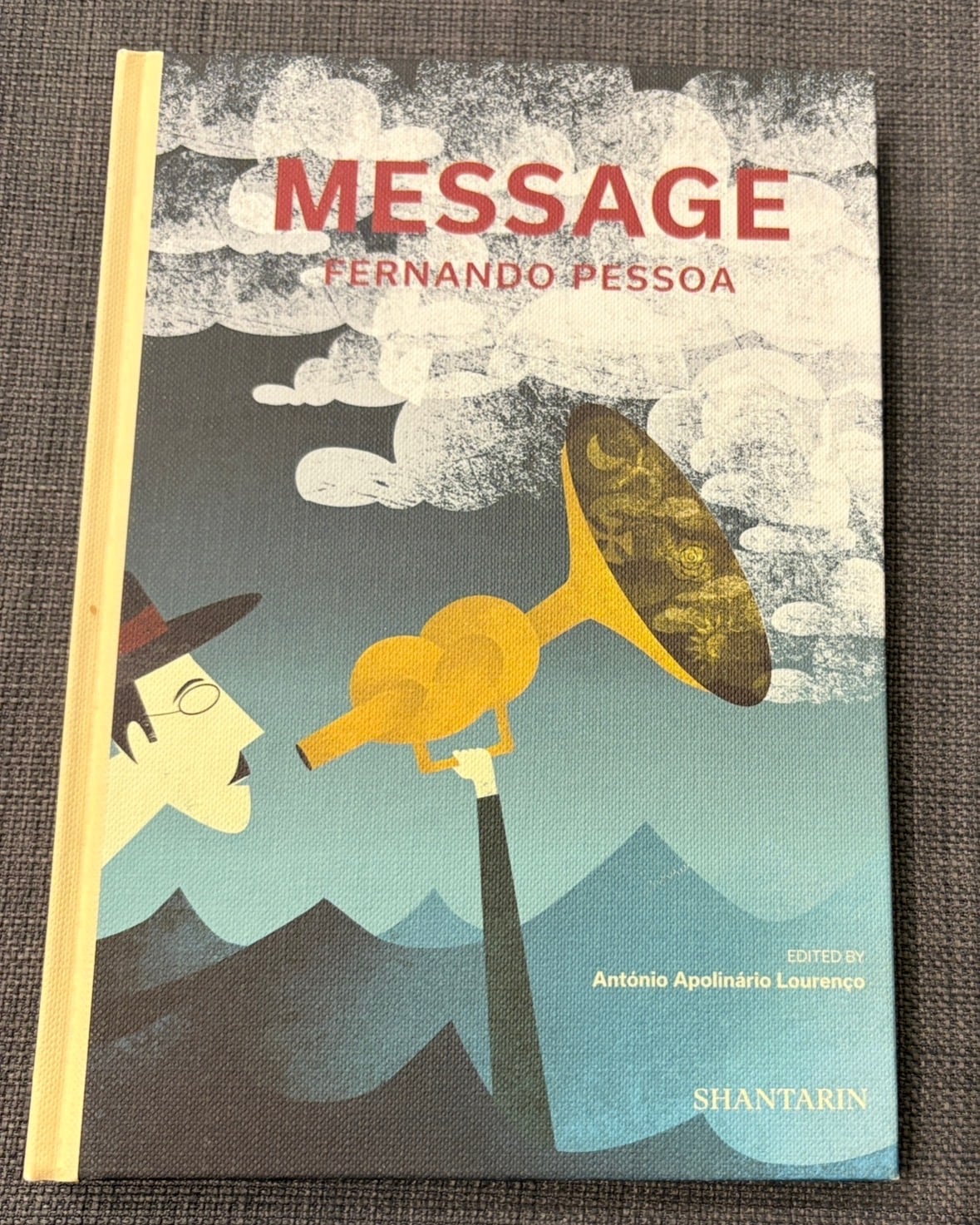
Out of defeat and longing emerged Sebastianism, which is the belief that King Sebastian did not truly die and will one day return to restore Portugal’s greatness. He became known as O Encoberto, the Hidden One, destined to appear on a foggy morning when the nation needs him most. This belief endured for centuries and was embraced not only by common people but also by intellectuals. The poet Fernando Pessoa captured this sentiment in Mensagem, writing, “Cumpriu-se o Mar, e o Império se desfez. Senhor, falta cumprir-se Portugal!” (“The Sea was fulfilled, and the Empire fell apart. Sir, Portugal is left to be fulfilled!”)
In Pessoa’s vision, Portugal’s story remains unfinished, and Sebastian is less a ghost of the past than a promise of what might still come. In the future, Sebastian will reappear to restore Portugal’s greatness in its darkest hour.
Final Thoughts
Sebastian’s story endures because it speaks to something deeper than historical success or failure. He represents Portugal’s enduring tension between destiny and reality, faith and pragmatism, hope and loss. Though his reign ended in catastrophe, the myth that followed transformed him into a vessel for national longing. Remembering Sebastian is about preserving the idea that Portugal’s greatest chapter has not yet been written. The king who vanished into the sands of Morocco remains, for many, a figure poised somewhere beyond time waiting for the moment when the fog finally lifts.