
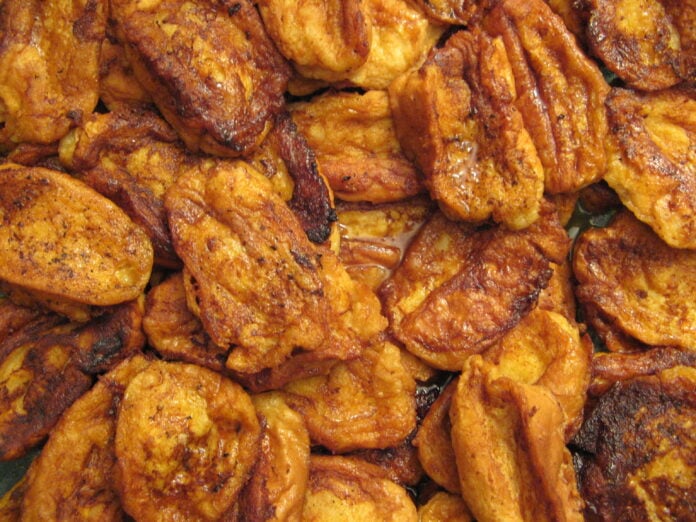
Portugal in December has a rhythm all its own. Your focus becomes centered around which Christmas market you want to visit next and the anticipation of Christmas Eve dinner, the highlight of the Christmas season. For those visiting Portugal, you may not understand what food and drinks really shine during the holiday season. Many holiday dishes come from convent kitchens, Portugal’s fishing traditions, or regional customs that have been passed down through the generations. Are you ready to take a look at the culinary side of the Portuguese holiday season? Then, get your appetite ready and let’s learn about these 12 classic dishes from the cultural heart of Portugal!
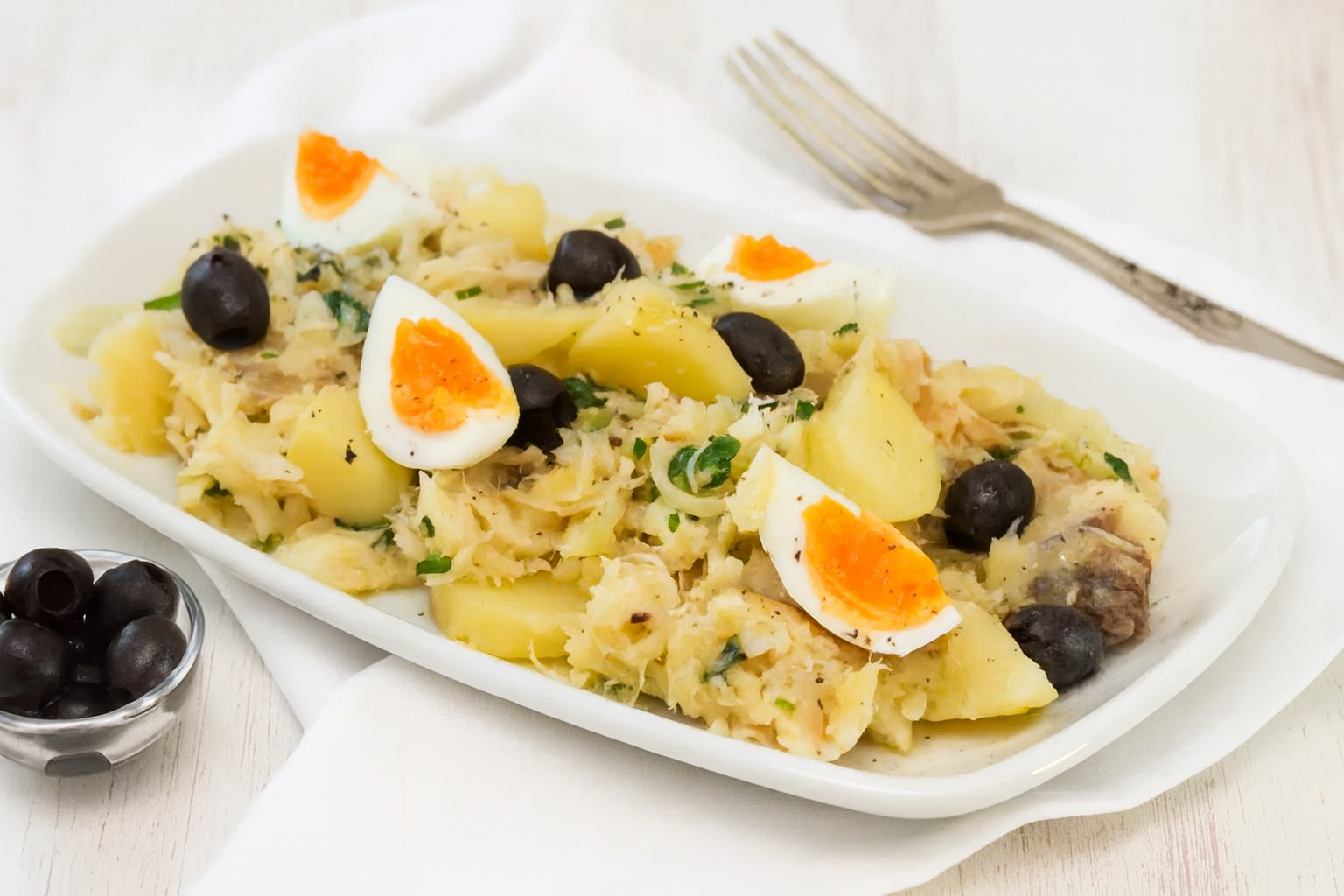
1. Bacalhau da Consoada
Salted cod is absolutely inseparable from Portuguese history, and its role on Christmas Eve comes from the old Catholic rule of avoiding meat on holy days. Bacalhau da Consoada is one of the simplest dishes to prepare. It is boiled cod served with potatoes, cabbage, eggs, and a generous serving of olive oil to top it all with. Families sit down to this traditional meal before heading to midnight mass, and not much has changed with this ritual for generations.
Restaurants throughout Portugal offer consoada menus in December, especially in the north, but many families insist on preparing it at home.
2. Peru Recheado
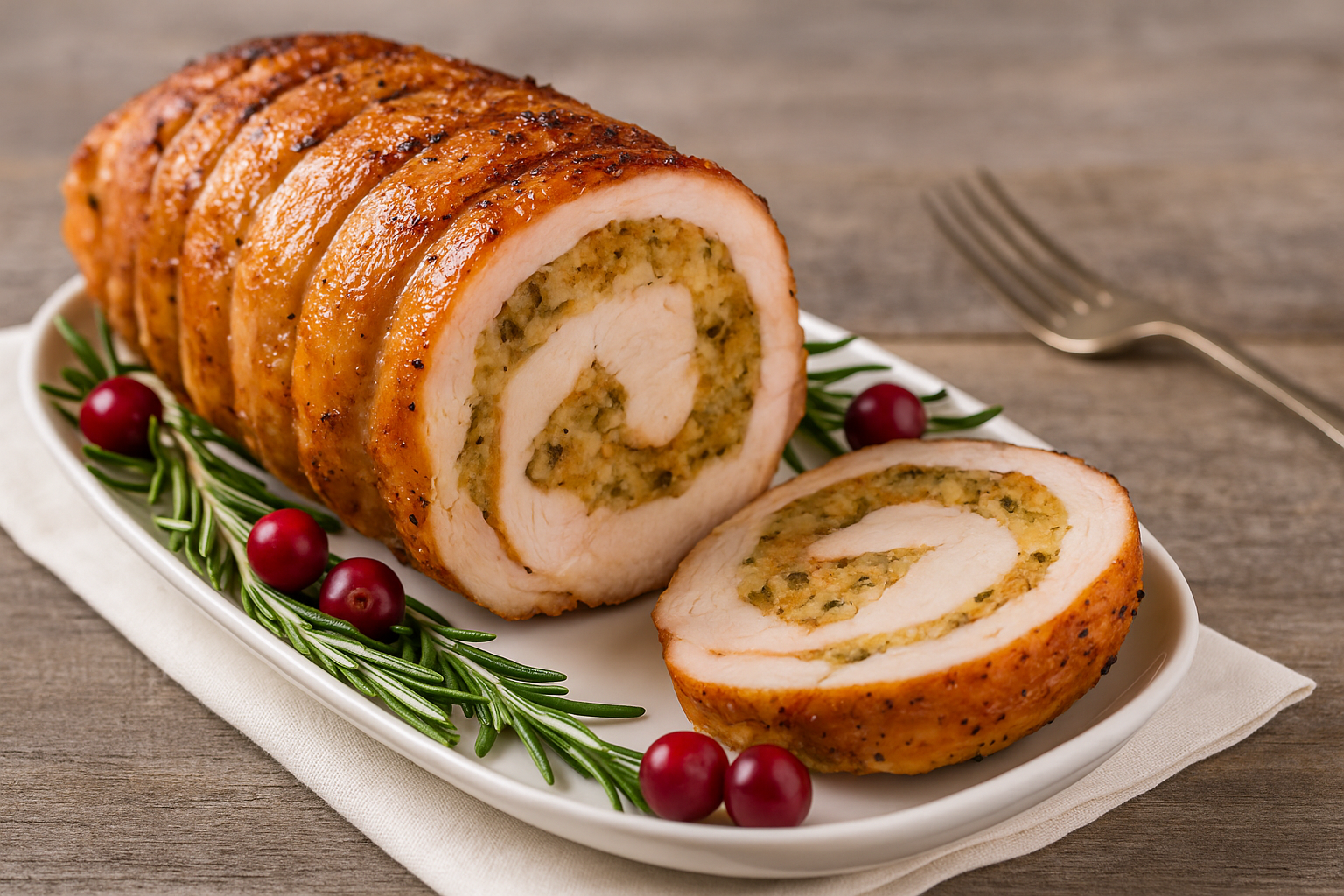
Turkey found its place on the Portuguese Christmas table through centuries of global trade and European culinary influence. By the 17th century, roasting a large bird for Christmas lunch became popular among wealthier families, and the tradition eventually spread across the country. So, step aside, American Thanksgiving because stuffed turkey is a classic centerpiece for Portuguese Christmas meal.
The stuffing varies by region. Some add chouriço and chestnuts, while others use dried fruit or a more savory mix of herbs and bread. Although some upscale restaurants prepare elaborate Christmas Day menus, this is usually a home cooked dish, and supermarkets begin selling seasoned turkeys and chestnut stuffing mixes weeks before the holiday.
3. Rabanadas
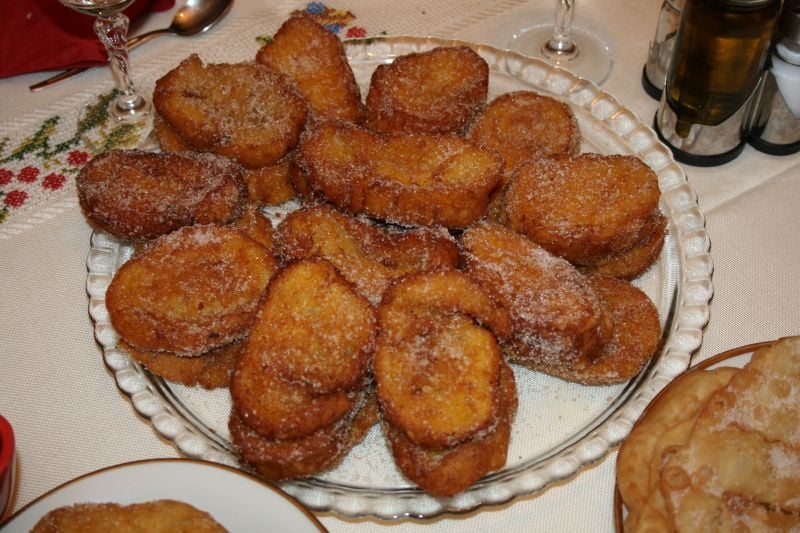
Rabanadas are the Portuguese cousin of French toast, although their story traces back to medieval Iberia. They began as a way to use leftover bread, but the addition of wine syrup or cinnamon sugar turned them into a special sweet. During the holidays, bakeries fill trays with thick slices soaked in egg, fried until golden, and covered in fragrant syrup.
Many families serve rabanadas on both Christmas Eve and Christmas Day. You can easily try them at pastelarias throughout December, and they are simple to recreate at home using stale bread and cinnamon.
4. Filhós and Sonhos
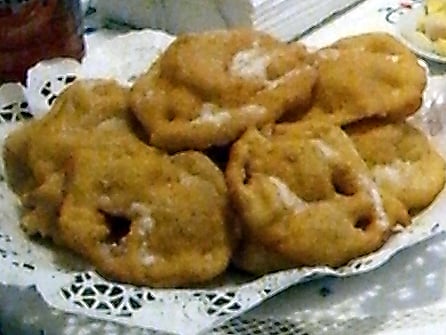
These deep fried pastries have a strong Moorish influence and have evolved into countless regional variations. Filhós can be ribbons, flat rounds, or twisted shapes that are fried until crisp. Sonhos are airy puffs that live up to their name (which means dreams). Both are topped with cinnamon sugar or a honey based syrup.
They are some of the most popular treats sold at Portuguese Christmas markets where vendors fry them on the spot. At home, families prepare big batches in the days leading up to Christmas Eve to enjoy after midnight mass.
5. Bolo Rei
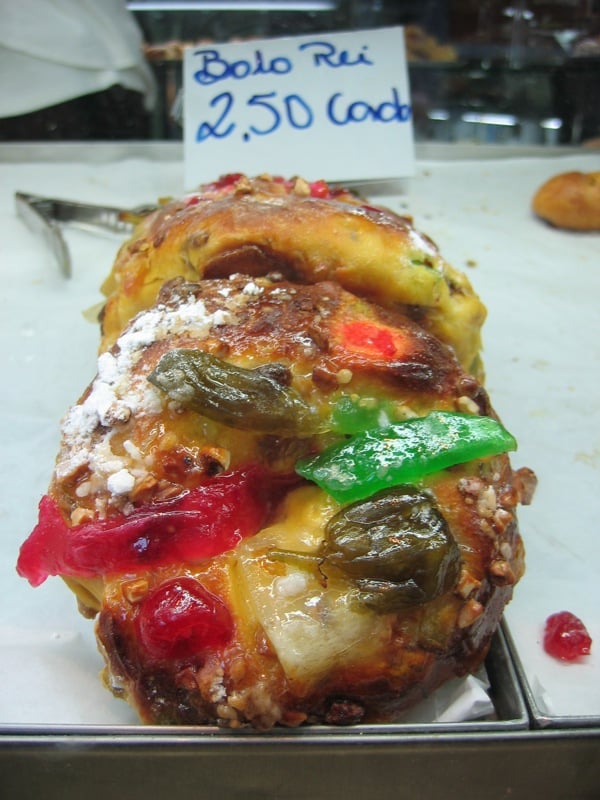
Bolo Rei, or king cake, arrived in Portugal in the 1800s inspired by French Epiphany cakes. It is the king of Christmas sweets in Portugal, and you will see it in supermarkets and many bakeries until January 6. If you enjoy baking, you can make your own with a yeast dough and candied fruits, although it takes a bit of patience.
Its ring shape and jewel like candied fruits symbolize the gifts of the Three Kings. Traditionally a small trinket was hidden inside along with a dried fava bean. The person who found the bean was responsible for buying the next year’s cake!
6. Bolo Rainha
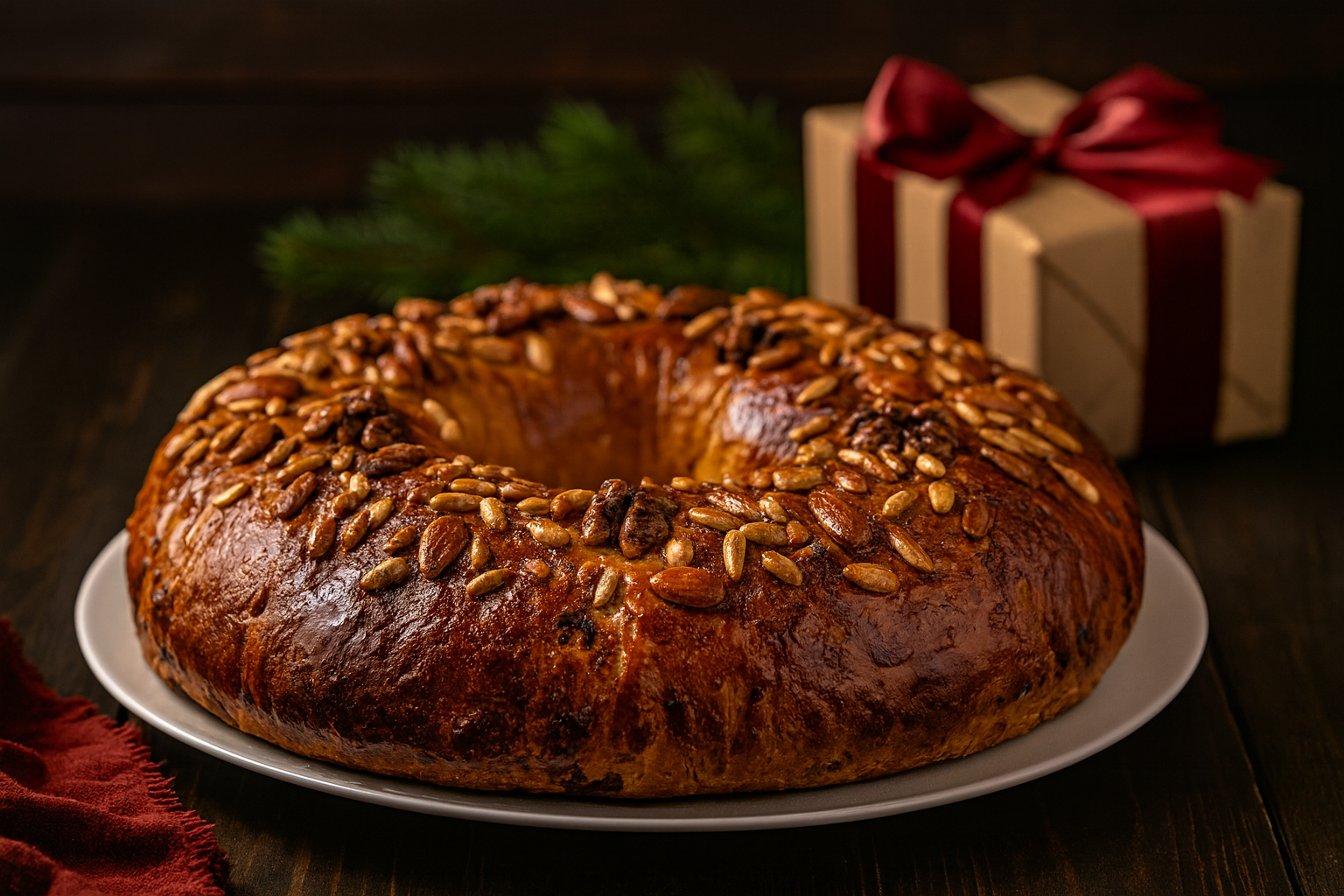
For those who are not fans of candied fruit, Bolo Rainha offers a lighter alternative, but please note that it uses a mix of nuts (for those with note allergies). It was created as a more approachable version of Bolo Rei and quickly earned a permanent place in the holiday rotation. Instead of bright candied fruits, it uses almonds, walnuts, and pine nuts, which gives it a warm flavor and softer texture.
You will see it on tables throughout December and especially on New Year’s Day. Bakeries place the king and queen cakes side by side so customers can pick their preferred style. Many people baking at home often prefer Bolo Rainha because it feels less heavy.
7. Aletria
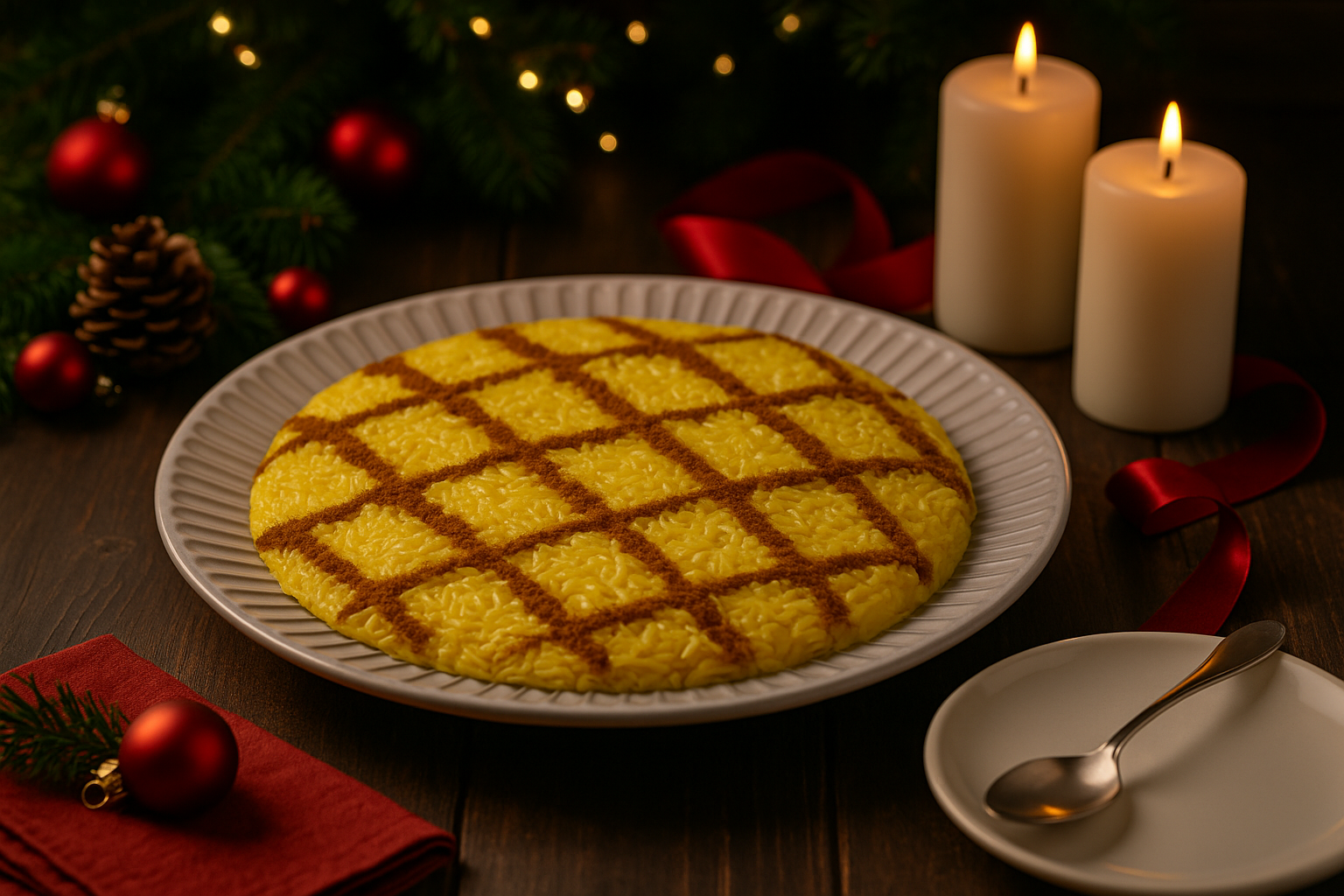
Aletria is a sweet vermicelli dessert rooted in old convent traditions, which have shaped many of Portugal’s famous sweets. Thin noodles are simmered in milk and sugar until they become soft. Then, they are flavored with cinnamon and sometimes lemon zest. The top is usually decorated with cinnamon patterns drawn by hand, and they are often family initials or holiday shapes.
Families serve aletria on both Christmas Eve and Christmas Day. It is one of the easiest Portuguese desserts to make, which is why almost every household prepares it from scratch. Restaurants also feature it in December, typically next to arroz doce, another holiday favorite.
8. Polvo à Lagareiro
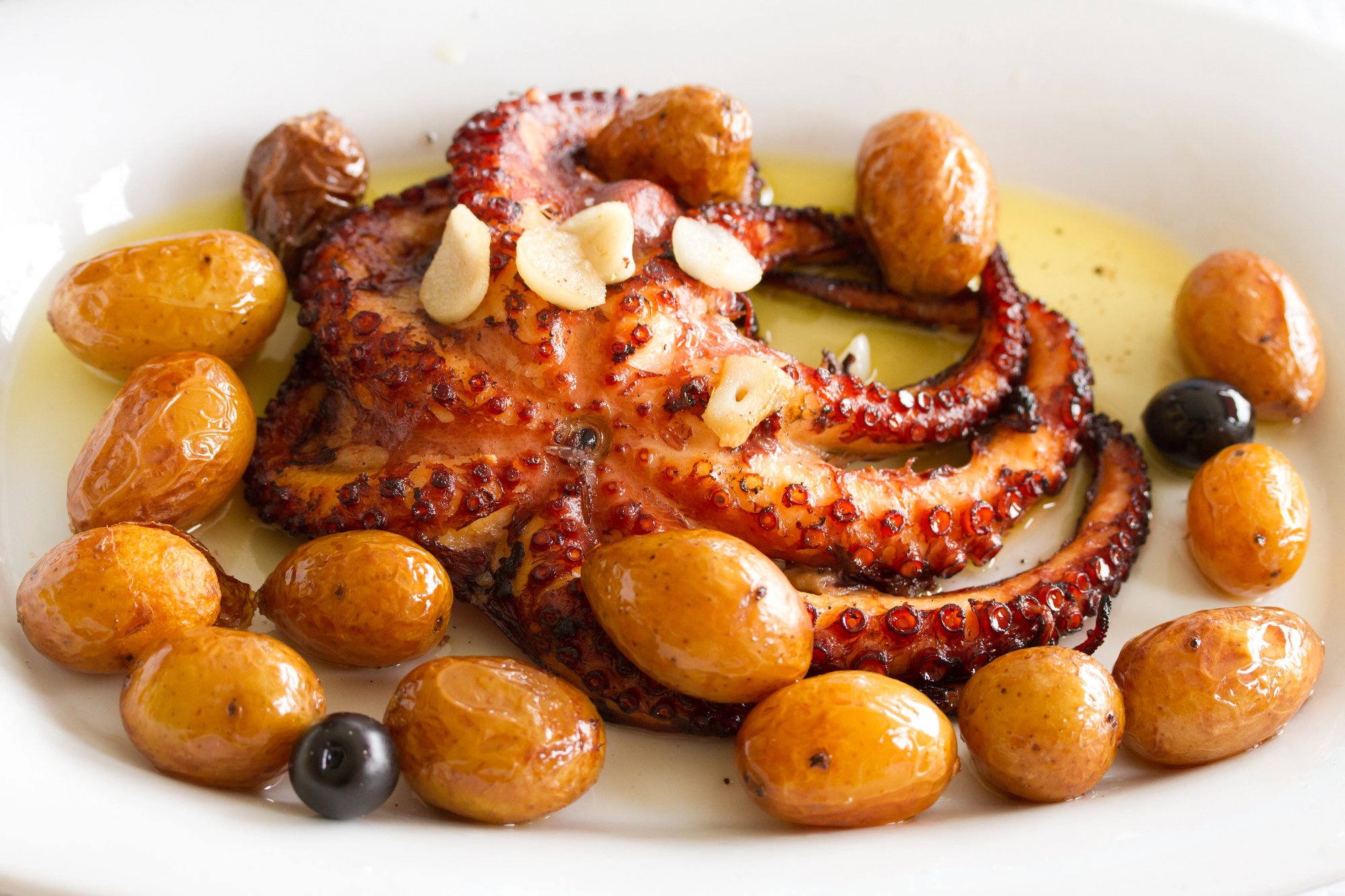
Roasted octopus is a traditional Christmas Eve dish in parts of northern Portugal. It developed from the Catholic practice of eating fish on holy days, but over time it became a beloved regional specialty. Polvo à lagareiro is roasted with garlic and olive oil and served with potatoes that soak up the flavorful juices.
In cities like Porto and Braga, restaurants feature this dish throughout December. Families in northern Portugal often prepare polvo à lagareiro instead of salted cod depending on local tradition.
9. Castanhas Assadas
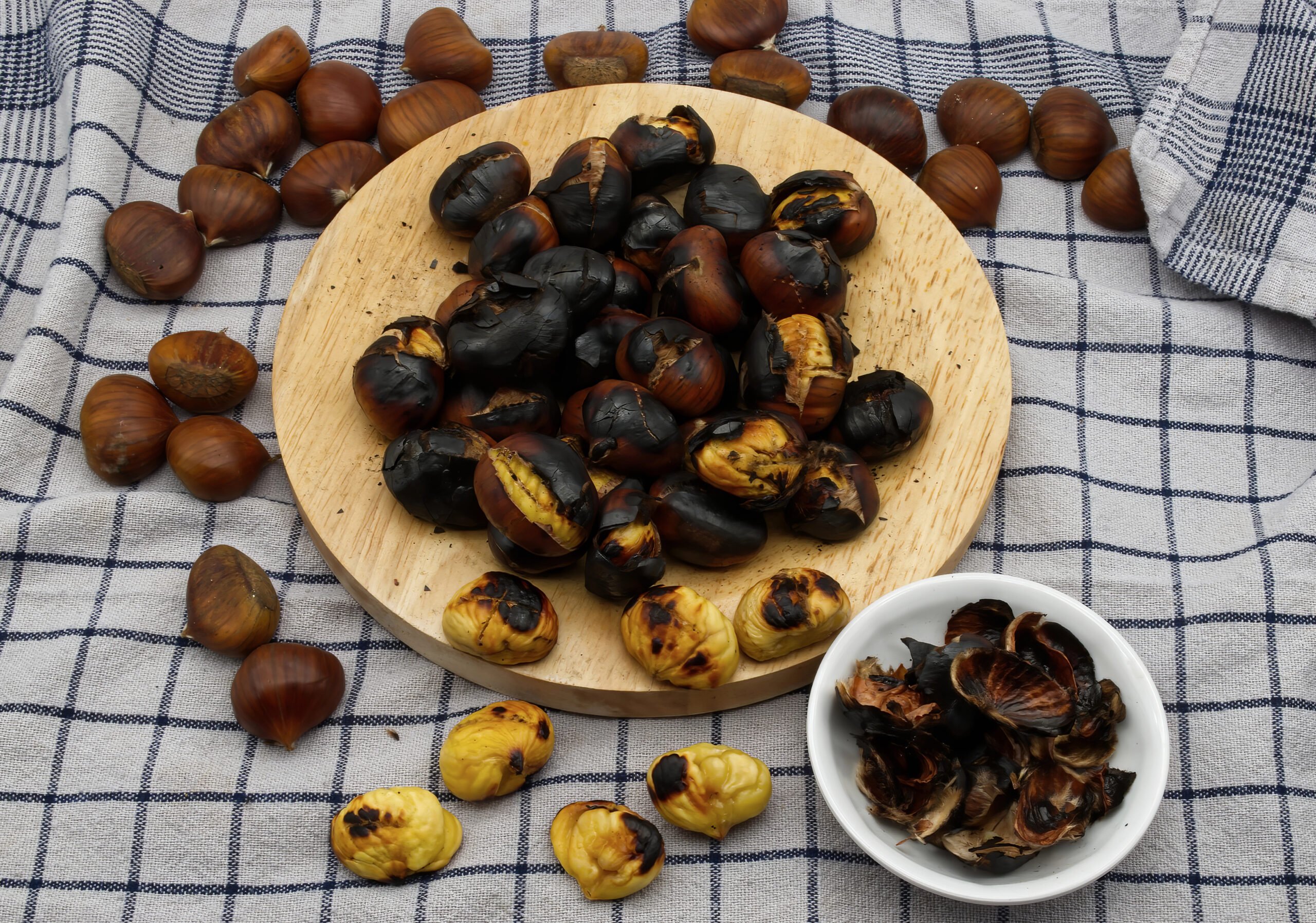
Roasted chestnuts have been part of Portuguese winters since ancient times. Before potatoes became widespread, chestnuts were a major source of carbohydrates especially in mountainous areas. Today, they symbolize the arrival of cold weather and the start of the holiday season.
Vendors roast chestnuts over charcoal and sell them in small paper cones at Christmas markets and near public squares. They are also easy to prepare at home by scoring the shells and roasting them until tender.
10. Caldo Verde
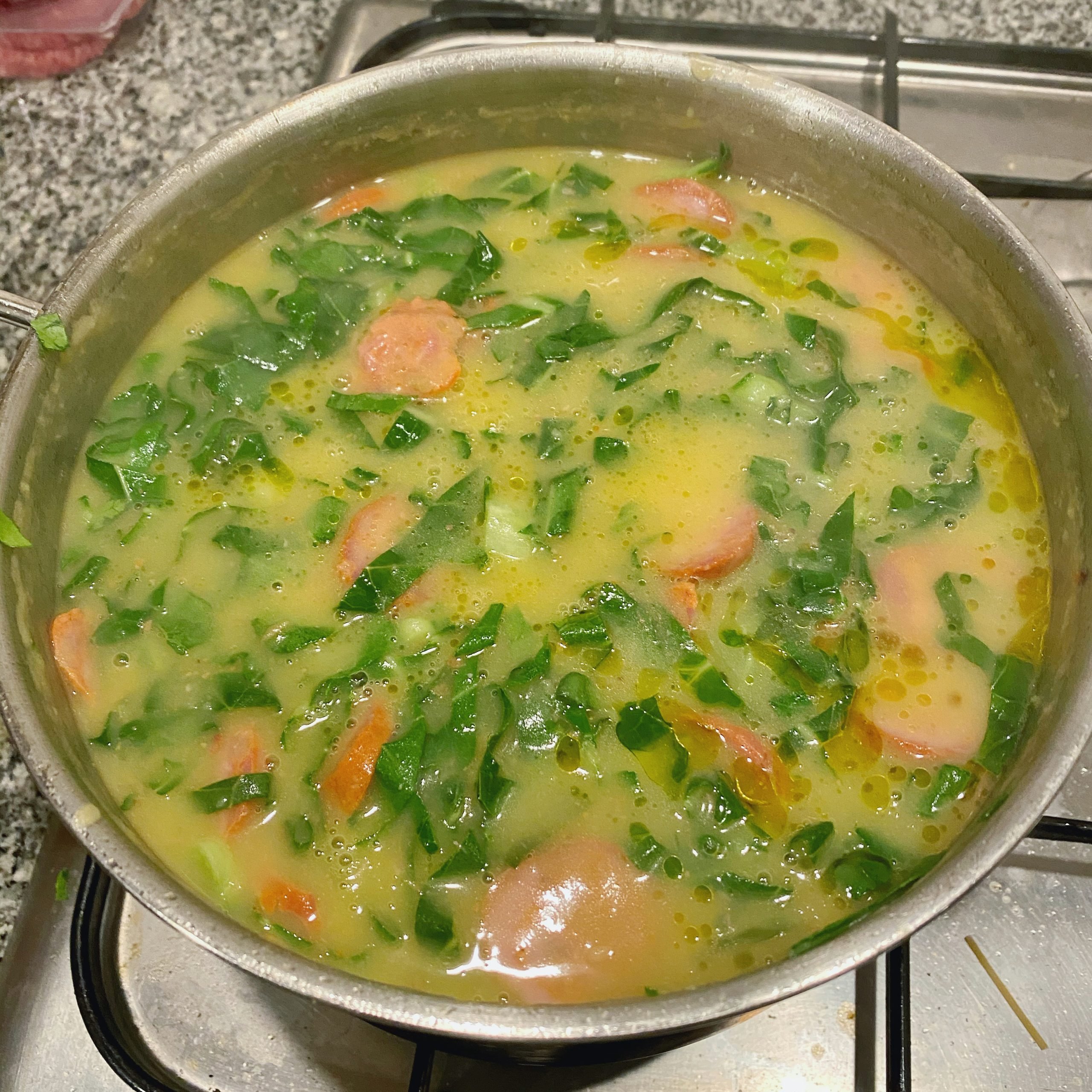
Caldo Verde began as a humble northern soup made from potatoes, thinly sliced collard greens, olive oil, and rounds of chouriço. It eventually became a comfort dish and started being served at celebrations because it was affordable, warming, and easy to serve to large groups of people. Its flavor is simple but deeply satisfying.
Although not strictly a Christmas dish, it appears frequently during the holiday season and on New Year’s gatherings. Some families enjoy a light bowl on Christmas Eve before heavier sweets. Tascas serve it year round, and Christmas markets sometimes offer it in steaming cups for people walking through outdoor stalls.
11. Pão de Ló
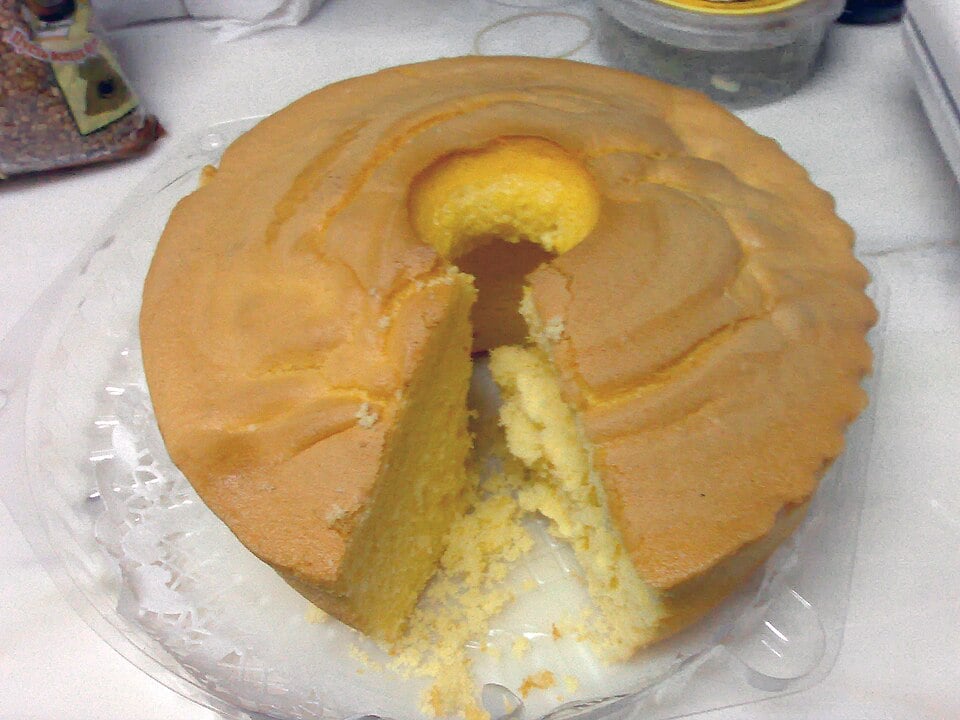
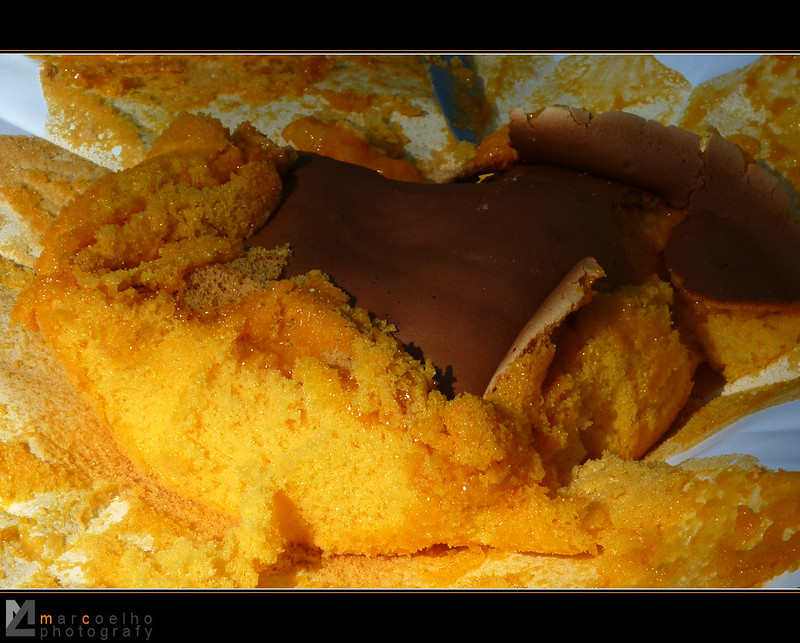
Pão de Ló is a traditional sponge cake that also has strong ties to Portugal’s conventual sweets culture. Over time, several regional variations developed. Some versions are very light and airy, while the famous Pão de Ló de Ovar remains intentionally underbaked with a soft, custard like center. Regardless of style, it is a classic holiday dessert across Portugal.
Families bring Pão de Ló when visiting relatives during the week between Christmas and New Year, and many serve it as part of Christmas lunch.
Marco Coelho, Flickr
12. Ginjinha
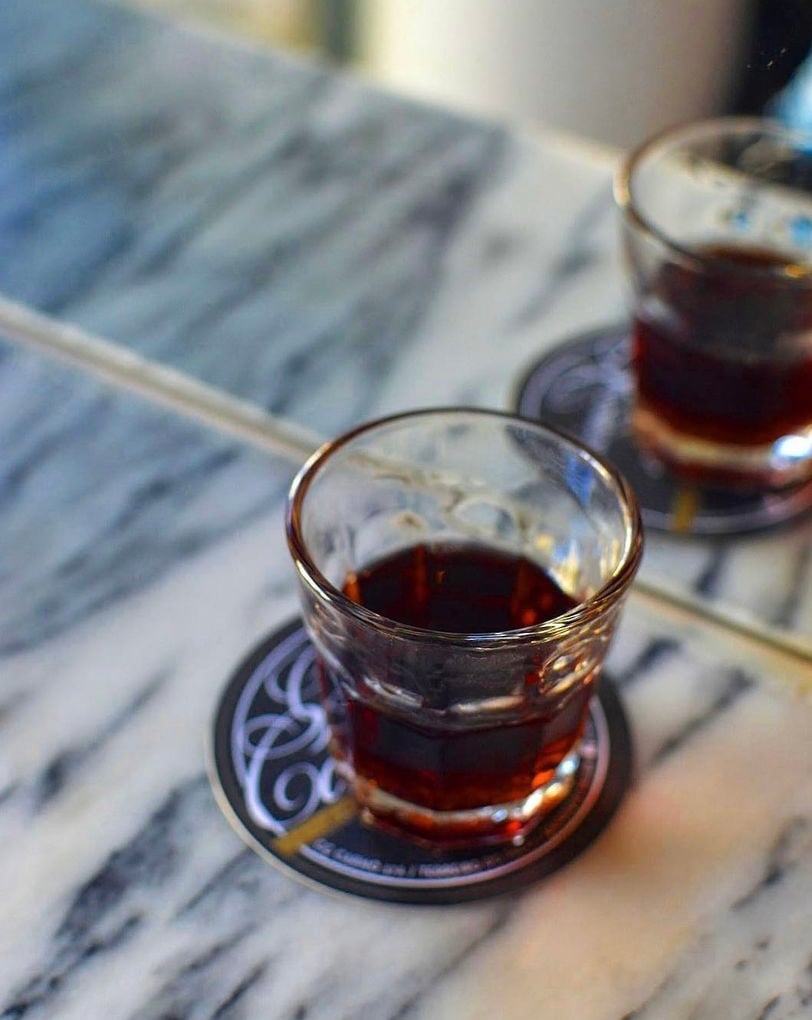
Ginjinha, a sour cherry liqueur that originated with 19th century monks, becomes especially popular during the holiday season. At Christmas markets, it is often served in tiny chocolate cups and is perfect to have while walking through festive outdoor stalls.
While ginjinha is available all year, it is special to have it during winter celebrations. Markets in Lisbon, Porto, and smaller historic towns offer it right next to fried pastries, and roasted nuts.
Before We Go
You could spend a full winter in Portugal and still find new foods at Christmas markets, small town bakeries, and local homes you are lucky enough to be invited to. What stands out is how personal everything feels. Even the simplest dishes, like caldo verde or rabanadas, have family stories and regional quirks that locals love to explain. That is what makes these holiday foods so memorable. They give you a glimpse into how Portuguese families celebrate and hold on to traditions in their own ways.