
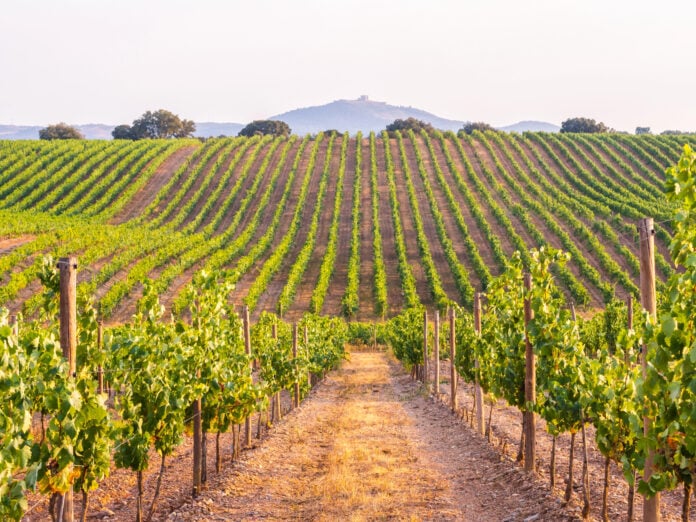
If you have ever tried to explore Portuguese wine beyond Port, you have probably started and ended your journey in the Douro Valley. While the Douro absolutely deserves its legendary reputation, it only tells a tiny part of the story. Portugal actually has 14 distinct wine regions, more than 250 native grape varieties, and a winemaking tradition that stretches back for thousands of years. For adventurous wine lovers ready to dive deeper into Portuguese wine, here is a complete guide to Portugal’s lesser-known wine regions and why they deserve a place in your glass right now.
What Makes Portuguese Wine Regions Unique?
Portugal is one of the top ten wine-producing countries in the world, yet it remains one of the most underexplored. Unlike France, Italy, or Spain, Portugal has largely resisted the temptation to plant international grape varieties like Cabernet Sauvignon or Chardonnay. Instead, its winemakers work almost exclusively with indigenous grapes found nowhere else on earth. That commitment to native varieties is now being recognized as one of the country’s greatest strengths. From the cool, granite mountains of the north to the volcanic islands of the Atlantic, Portuguese wine regions offer a breadth of flavor and style that few countries can match. Ready to go beyond the Douro? Let’s go!
Dão Wine Region: The Burgundy of Portugal
If there is one Portuguese wine region that deserves far more international attention than it currently receives, it is Dão. Located in the mountainous interior of central Portugal, Dão is one of the country’s oldest established wine areas and is increasingly being called the Burgundy of Portugal by wine critics and collectors worldwide.
Where Is the Dão Wine Region?
Dão sits on a high granite plateau in north-central Portugal surrounded by five major mountain ranges including the Serra da Estrela and the Serra do Caramulo. These mountains act as natural barriers and protect the vineyards from Atlantic storms and the intense heat of the Spanish interior. Vineyards are planted at elevations between roughly 400 and 600 meters above sea level, and the soils are predominantly decomposed granite and schist. This combination of altitude, cool nights, and mineral-rich soils gives Dão wines a freshness and elegance that is genuinely rare.
What Wines Does Dão Produce?
Dão produces both red and white wines of exceptional quality. The region’s signature red grape is Touriga Nacional, widely considered Portugal’s greatest red variety. The grape is thought to have originated in Dão before making its way to the Douro as the backbone of vintage Port. In Dão, Touriga Nacional produces structured, floral table wines with dark fruit character and remarkable aging potential. Alfrocheiro is the other key red grape that adds cherry fruit, silky texture, and fresh acidity that rounds out the blends beautifully.
For white wine lovers, Dão’s star grape is Encruzado, which many experts consider Portugal’s finest indigenous white variety. Encruzado produces wines with real structure, mineral drive, and a capacity to age that draws comparisons to white Burgundy. The winery Quinta dos Carvalhais is widely recognized as one of Dão’s benchmark producers, while boutique estates like Casa de Mouraz are crafting biodynamic wines of remarkable purity. Wine insiders across Europe and the United States are paying close attention to Dão right now, and prices still reflect that it is largely undiscovered. That will not last.
Book a Dão Wine Route tour, full day from Coimbra
Bairrada Wine Region: Portugal’s Capital of Sparkling Wine
Located just west of Dão and closer to the Atlantic coast, Bairrada is one of Portugal’s most rewarding and underappreciated wine destinations. It is best known for two things: bold, structured reds made from the indigenous Baga grape and some of the finest traditional-method sparkling wines produced anywhere in the country.
The Baga Grape
Baga is not a grape that gives up its secrets easily. It can be fiercely tannic and austere in its youth, which is why it has historically been misunderstood. In the right hands, however, it produces wines of extraordinary depth, dark fruit complexity, and an age-worthiness that rivals the great grapes of Piedmont or Burgundy. The leading name in Bairrada is producer Luis Pato, who is widely credited with modernizing the region and demonstrating what Baga is truly capable of when handled with care and precision. A bottle of aged Baga from a top Bairrada estate is one of the most fascinating and rewarding experiences in all of Portuguese wine.
Bairrada Sparkling Wine
Bairrada’s traditional-method sparkling wines, known locally as espumantes, are dry, refined, and exceptionally food-friendly. They offer a genuinely compelling alternative to better-known sparkling wines at a fraction of the price. Quinta das Bágeiras and Caves São João are two standout producers showcasing just how accomplished this sparkling wine tradition has become. Bairrada is also home to one of Portugal’s greatest food and wine pairings. The region is famous for leitão da Bairrada, a slow-roasted suckling pig that is considered among the finest dishes in all of Portuguese cuisine. Paired with a glass of local sparkling wine or an aged Baga, it is a combination that stops people in their tracks.
Book a Bairrada Winery Route tour, half day from Coimbra
Alentejo Wine Region: Southern Portugal’s Bold Innovator
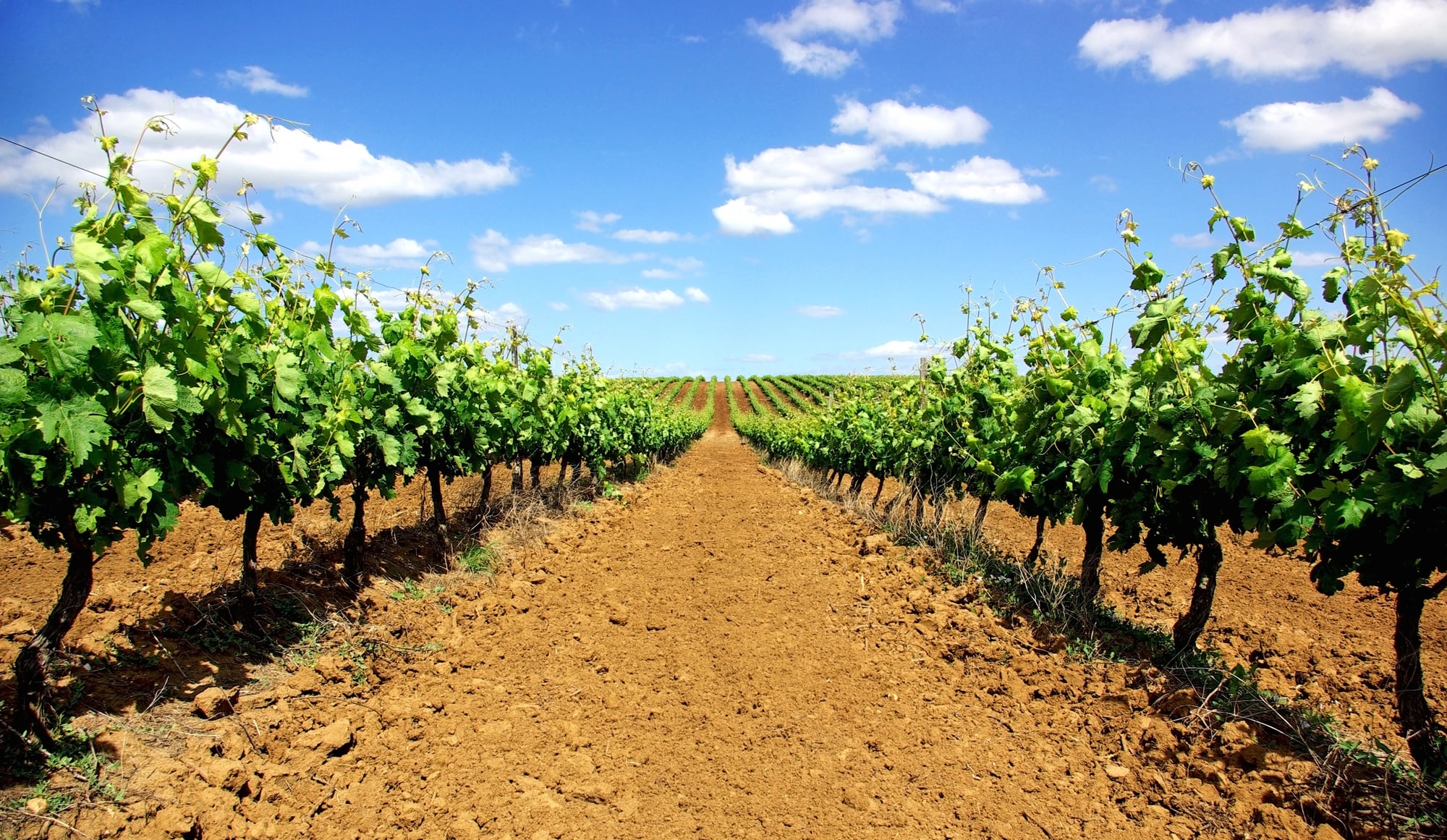
Alentejo covers roughly a third of Portugal’s total land area, stretching across the vast, rolling plains of the south. While its profile has grown considerably in recent years, Alentejo remains significantly less visited than the Douro and continues to evolve as one of the most dynamic and exciting wine regions in the country.
Alentejo Red Wines
The climate in Alentejo is warm and dry with long Mediterranean summers and mild winters. The wines reflect that sunny generosity. Alentejo reds are full-bodied, ripe, and immediately appealing. They are built around indigenous grape varieties including Aragonez (the same grape as Tempranillo in Spain), Trincadeira, and Alicante Bouschet. These are wines that deliver immediate pleasure without sacrificing depth or complexity. Alentejo also produces excellent aromatic white wines from Antão Vaz and Arinto, both of which are fresh, pair well with food, and are perfect alongside the local cuisine of cured pork, cheese, and olive oil.
Alentejo Wine Tourism
What makes Alentejo particularly compelling right now is its combination of genuine tradition and forward-thinking innovation. Many producers are experimenting with organic and biodynamic farming, and some are reviving the ancient Roman practice of fermenting wine in clay amphorae called talhas, a technique that gives the wines a distinctive texture and earthy character. Herdade do Esporão is one of the region’s most celebrated estates and a leader in sustainable viticulture. Adega Cartuxa has been winning international awards consistently, and major winemaking families from the Douro like the Symington Family Estates have invested here in recent years, a signal of just how serious the region’s potential is.
Book a Private Evora Heritage and Alentejo Wine Tour from Lisbon
Azores Wine Region: Volcanic Wines from the Atlantic
For those willing to travel a little further, the Azores archipelago offers one of the most genuinely unique wine experiences in all of Europe. These nine volcanic islands sit in the middle of the Atlantic Ocean, and the wines produced there are unlike anything found on the Portuguese mainland.
Pico Island Wines
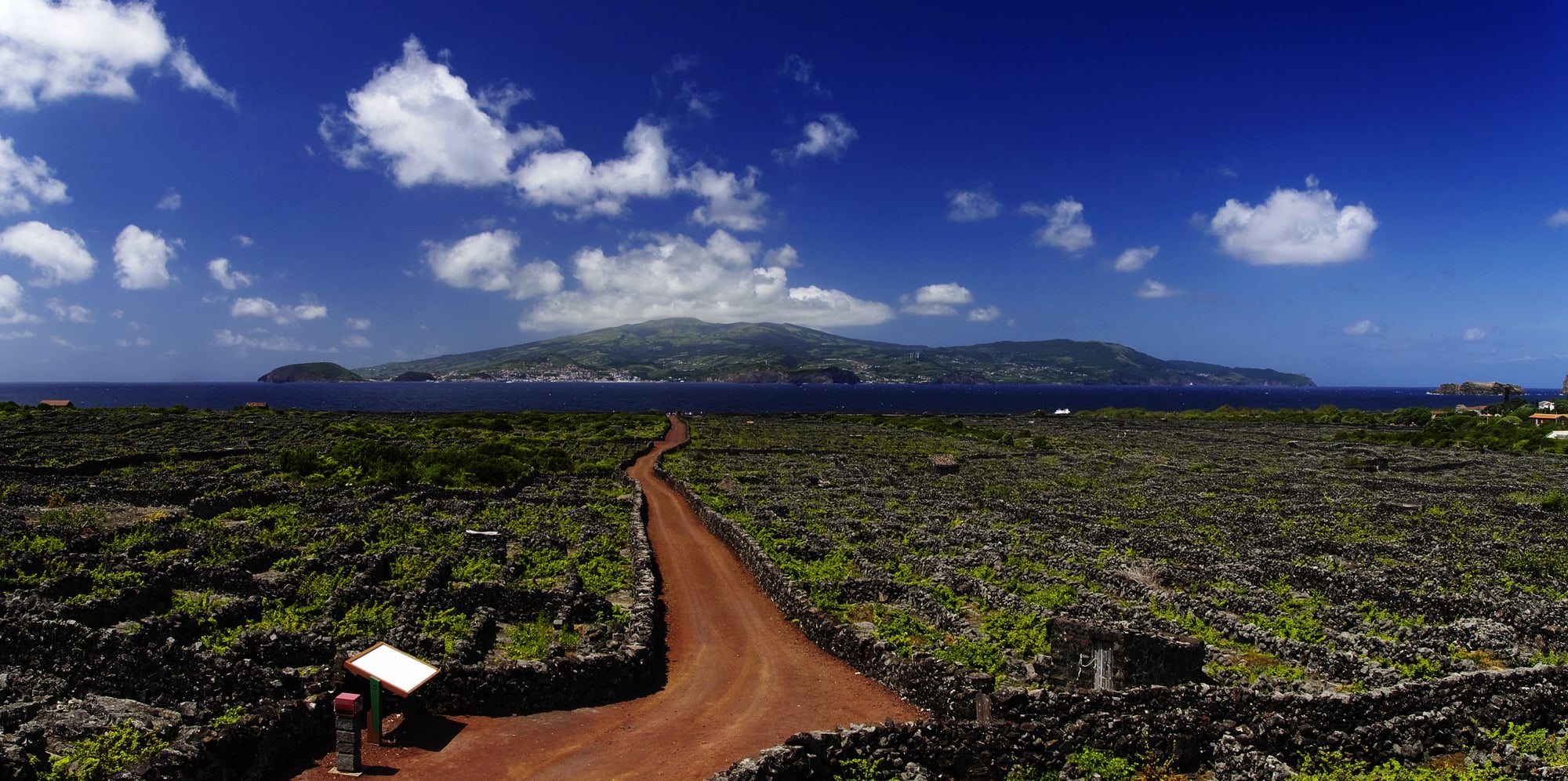
Pico Island is the star of Azorean wine, and its vineyards have been granted UNESCO World Heritage status, which make them among the most extraordinary and protected vineyard landscapes on the planet. The vines grow in small enclosures called currais, surrounded by walls of black volcanic lava rock that protect them from Atlantic winds and absorb heat during the day and then release it slowly through the night. It is one of the most visually dramatic vineyard environments anywhere in the world, and the wines are equally distinctive.
What Do Azores Wines Taste Like?
The primary grape varieties grown on Pico Island include Verdelho, Arinto dos Açores, and Terrantez do Pico. The wines are defined by their vibrant acidity, strong mineral character, and a distinctive salinity that comes directly from the ocean air surrounding the island. Paired with fresh Atlantic seafood, grilled limpets, or tuna, they are extraordinary. Azores wines are now attracting serious attention from wine collectors and sommeliers internationally, and because production remains very limited, finding a bottle still feels like discovering something genuinely special.
Book an Azorean volcanic wine tour from Angra do Heroísmo
The Beira Interior: Portugal’s Sleeping Giant
Further east, hugging the Spanish border in the rugged mountains of central Portugal, the Beira Interior is a region that wine professionals are quietly tipping as one of Portugal’s most exciting future stars. The terrain is dramatic, granite-rich, and remote, with a harsh continental climate that produces wines of real concentration and character. Indigenous varieties including Arinto, Malvasia Fina, and Marufo thrive in this wild landscape. They produce wines that balance intensity with a freshness unusual for southern Europe. Quinta dos Termos and Quinta do Cardo are two names to watch, both producing wines that demonstrate just how much this undiscovered corner of Portugal has to offer.
FAQs about Portugal’s Wine Regions
What is the best lesser-known wine region in Portugal? Dão is widely regarded by wine experts as Portugal’s most exciting lesser-known wine region. Its mountain terroir, native grape varieties, and elegant, age-worthy wines make it a strong candidate for any serious wine lover’s attention.
What grapes are unique to Portugal? Portugal has over 250 indigenous grape varieties found nowhere else in the world. The most celebrated include Touriga Nacional, Encruzado, Baga, Alfrocheiro, Alvarinho, Trincadeira, and Arinto.
Is Alentejo wine good? Alentejo produces some of Portugal’s most consistently excellent and approachable wines. Its full-bodied reds and aromatic whites have been winning international awards for years and represent outstanding value for the quality.
Where can I buy Portuguese wine? Portuguese wines from all of the regions mentioned in this article are increasingly available in specialty wine shops, online wine retailers, and well-stocked supermarkets across the United States and Europe.
Why Now Is the Best Time to Explore Portuguese Wine
Portugal’s wine industry is moving fast. The country is consistently ranked among the top ten wine producers in the world, wine exports are growing year on year, and total industry revenue is projected to surpass 1.9 billion euros in the coming years. However, for many of these lesser-known regions, the international spotlight has barely arrived. Prices still reflect a region that the wider world has not yet fully discovered. This means that now is precisely the right time to explore them before the rest of the world catches on.