
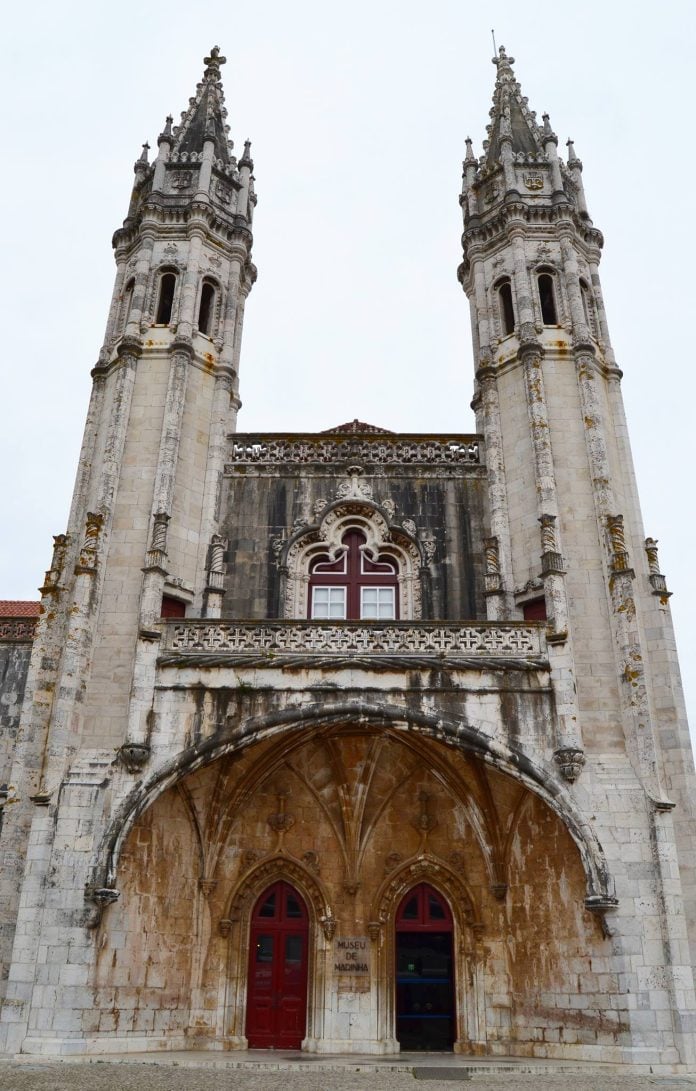
Lisbon, Portugal, is a city with a deep connection to the sea, and the Marinha Museum is a remarkable place that showcases this maritime heritage. Located alongside the Tagus River, this museum is a treasure chest filled with maritime treasures, including historic items, documents, and incredible architecture. Join us as we set sail through the Marinha Museum, uncovering its history, architecture, and what you can expect when visiting.
History
The Marinha Museum’s story is closely tied to Portugal’s seafaring past, which began during the 15th century. King Luís I established the museum in 1863 as the Royal Naval Museum, with a mission to preserve Portugal’s maritime history and enlighten future generations about its significance.
One of the museum’s prized possessions is a detailed model of the São João Baptista, a 16th-century Portuguese warship. This model showcases the grandeur and advanced technology of the time, illustrating Portugal’s naval supremacy during the Age of Exploration.
The museum includes various exhibits featuring navigation tools, ship models, and historical documents. These displays offer insight into Portugal’s role in global maritime exploration. From Vasco da Gama’s epic voyages to the development of vital trade routes, the museum provides a comprehensive lesson on Portugal’s maritime achievements.
Architecture
Designed by the renowned Portuguese architect José da Costa e Silva, the museum’s building represents neoclassical architecture at its finest. Its façade is decorated with grand columns and intricate sculptures, all paying homage to Portugal’s maritime heritage.
Upon entering, you’ll find yourself in a grand central hall crowned by a large dome and stained glass windows. The museum’s layout is thoughtfully organized to guide visitors on a chronological journey through Portugal’s maritime history, making it both educational and visually captivating.
A highlight of the Marinha Museum’s architecture is a remarkable glass corridor connecting the historic building to a modern room. This bridge-like structure seamlessly transitions visitors from the past to the present.
Visiting Times & Tickets
Adults tickets cost €7, while kids only pay €3,50. The museum is open from 10 am to 6 pm except on holidays.