
Sponsored Content: This article is a paid advertisement produced in partnership with PIDS Home and Property Inspection
Your first weeks in a Portuguese home are full of small discoveries. There is a strap on the wall beside the window. There is a little box in the kitchen that roars to life when you turn on the hot tap. There is a gas bottle under the sink, and the house feels wonderfully cool in August and surprisingly chilly in January.
In Portugal, all of this is perfectly normal. Portuguese homes were built for the Portuguese climate, and once you understand how they work, living in one becomes a pleasure. Here is a friendly guide to the things that puzzle newcomers most, and the simple habits that keep a Portuguese home comfortable all year round.
The Roller Shutters (Estores)
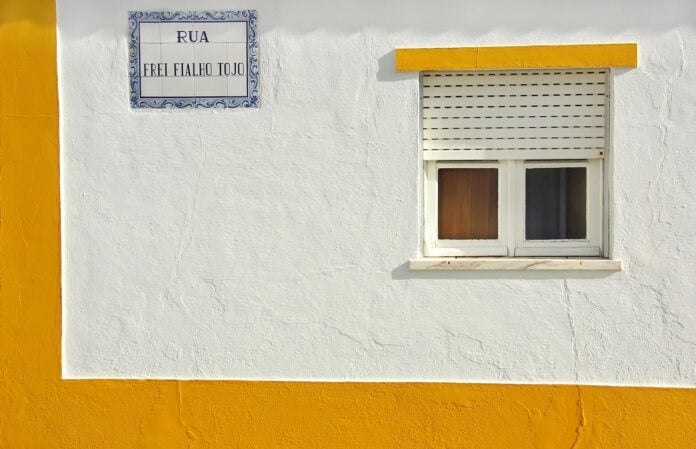
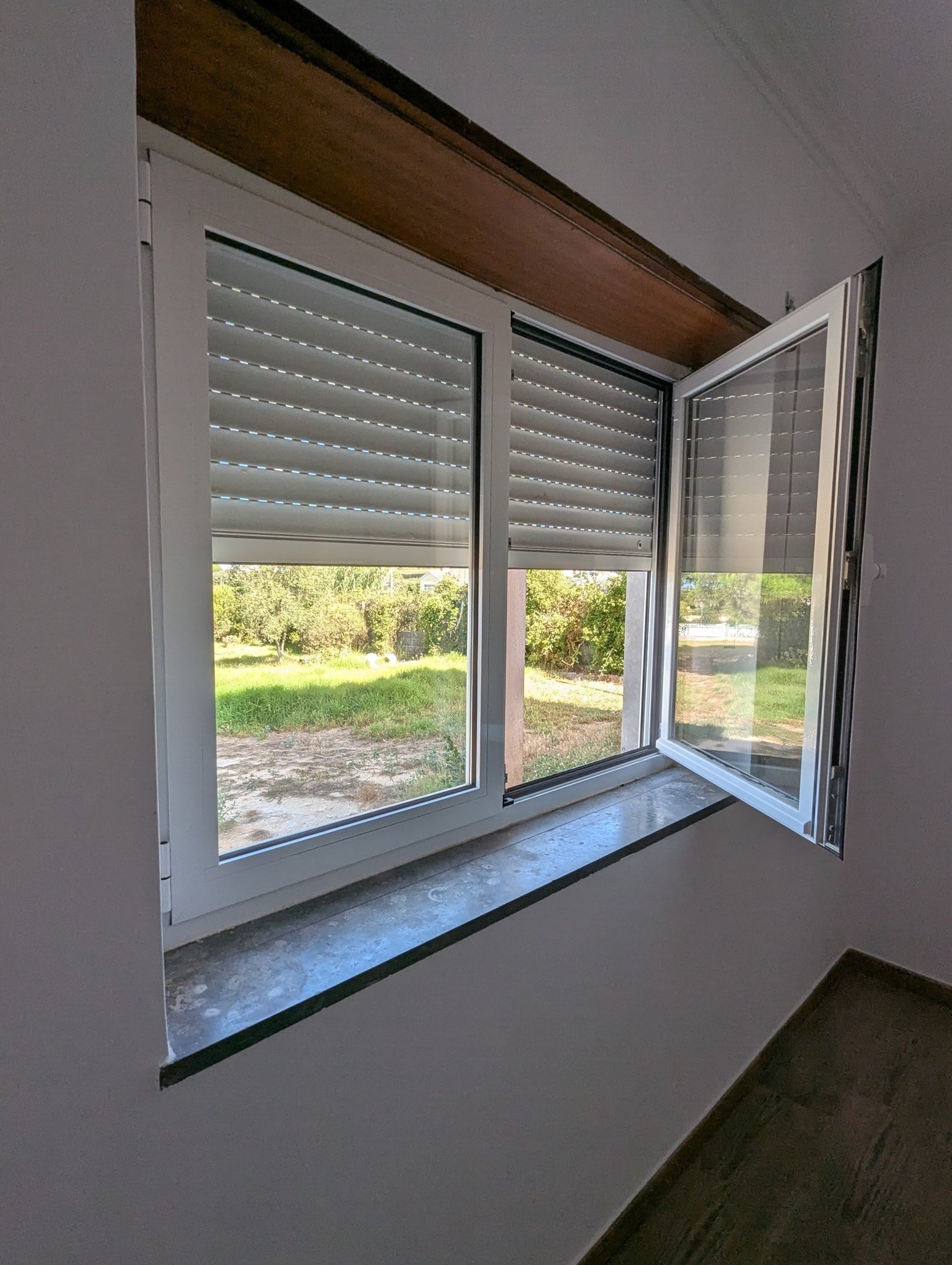
Almost every window in Portugal has an external roller shutter, raised and lowered by a fabric strap or a small crank on the inside wall. Newer homes often have electric ones with a switch.
They are not just for privacy. On a summer afternoon, lowering the shutters on the sunny side of the house stops the heat before it reaches the glass, which is far more effective than an inside curtain. Many Portuguese families close them in the morning and open them again in the evening, when the air outside is cooler. In winter, they do the opposite job: lowered at night, they add a layer of insulation and help hold in the warmth.
Treat the strap gently. Pull it in a straight line rather than at an angle, and do not let it snap back. A worn or fraying strap is a cheap and simple thing to replace before it breaks.
The Gas Water Heater (Esquentador)
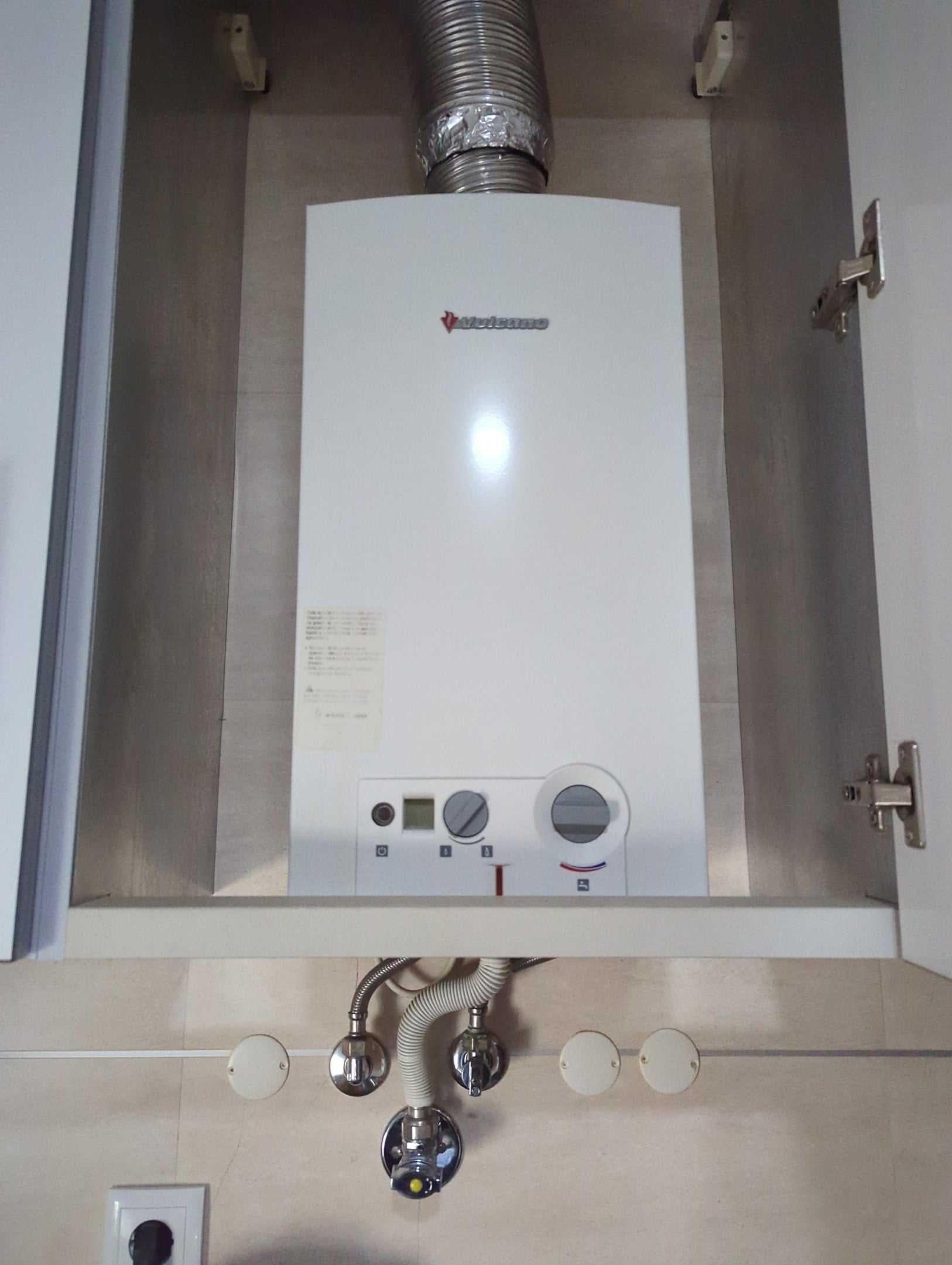
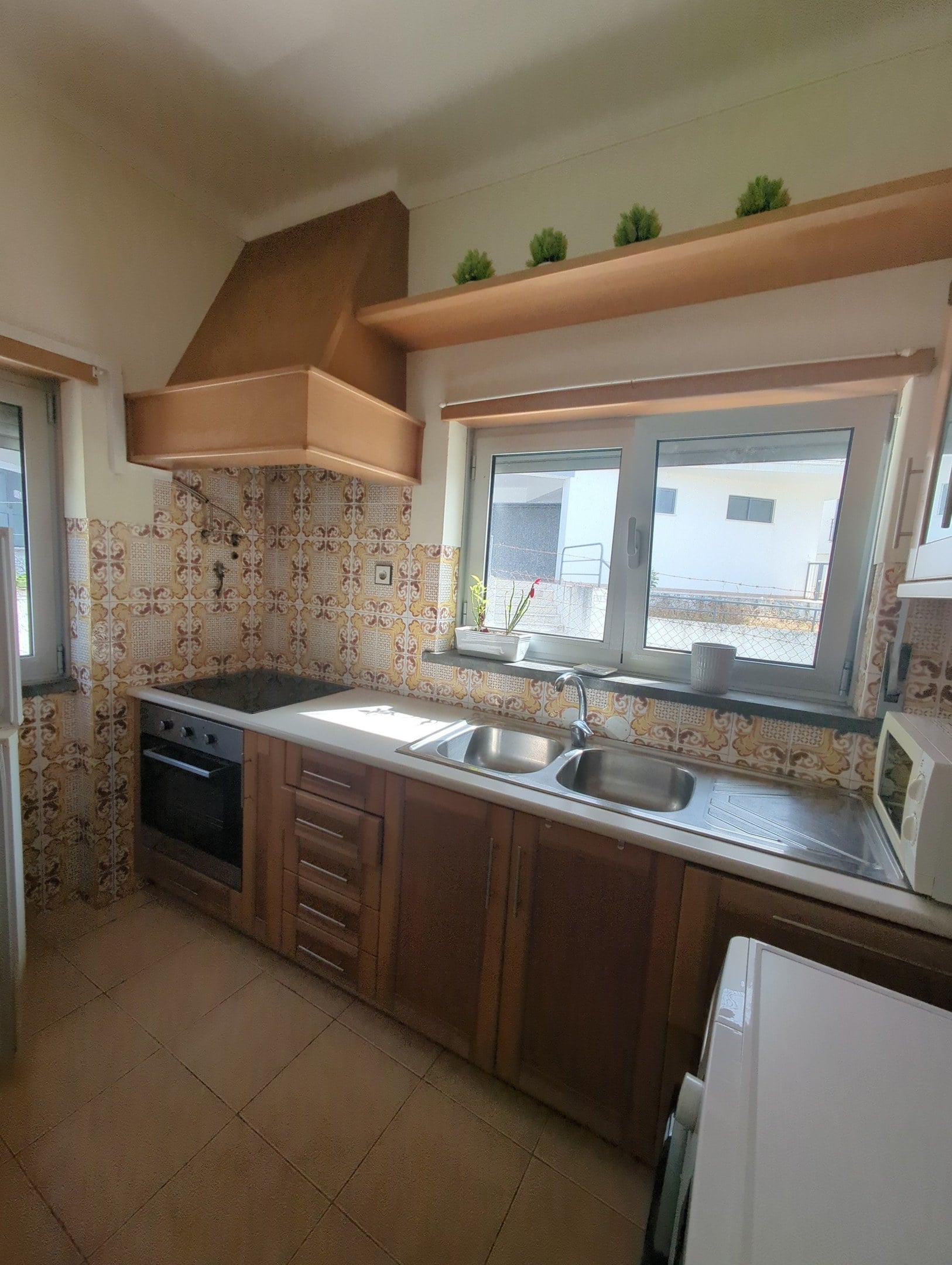
If a small white box on the kitchen or utility room wall clicks and whooshes when you turn on a hot tap, you have an esquentador. It heats water instantly as it flows, so there is no hot water tank and the hot water never runs out.
There are three things worth knowing:
- It needs air. A gas water heater burns gas, so the room it sits in needs ventilation. Never block the vent grilles in the wall or window, even when it is cold.
- It needs a flue. The pipe from the top of the heater should lead safely outside. If it has been disconnected, or the heater sits in a closed cupboard, have it looked at by a qualified technician.
- It should be serviced annually. A yearly check keeps it efficient and safe. A carbon monoxide alarm nearby costs little and gives real peace of mind.
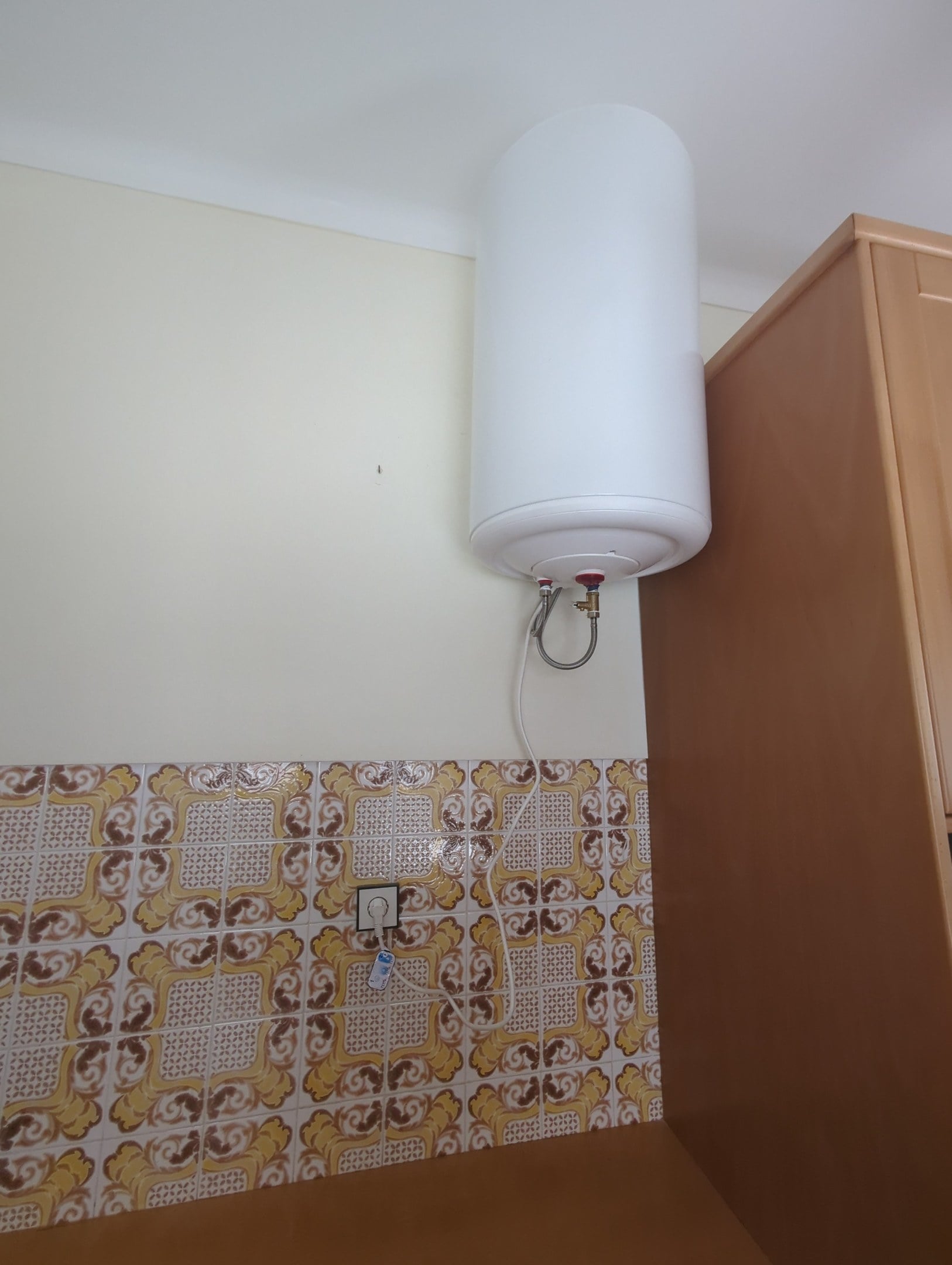
Some homes use an electric water tank (termoacumulador) instead. It takes time to heat up, so if the water runs cold after a long shower, simply wait a while.
The Gas Bottle (Botija)
Many Portuguese homes, including smart modern ones, are not connected to mains gas. The cooker and the water heater run from a gas bottle, usually kept in a kitchen cupboard or on a balcony.
When it runs out, you swap it for a full one. Petrol stations, supermarkets, and many local shops exchange bottles, and some suppliers deliver. Keep a spare if you have room, because a bottle always seems to run out halfway through a shower or a Sunday lunch. Check the rubber hose and regulator now and then: they have a date printed on them and should be replaced when they get old or start to crack.
Tiled Floors and Thick Walls
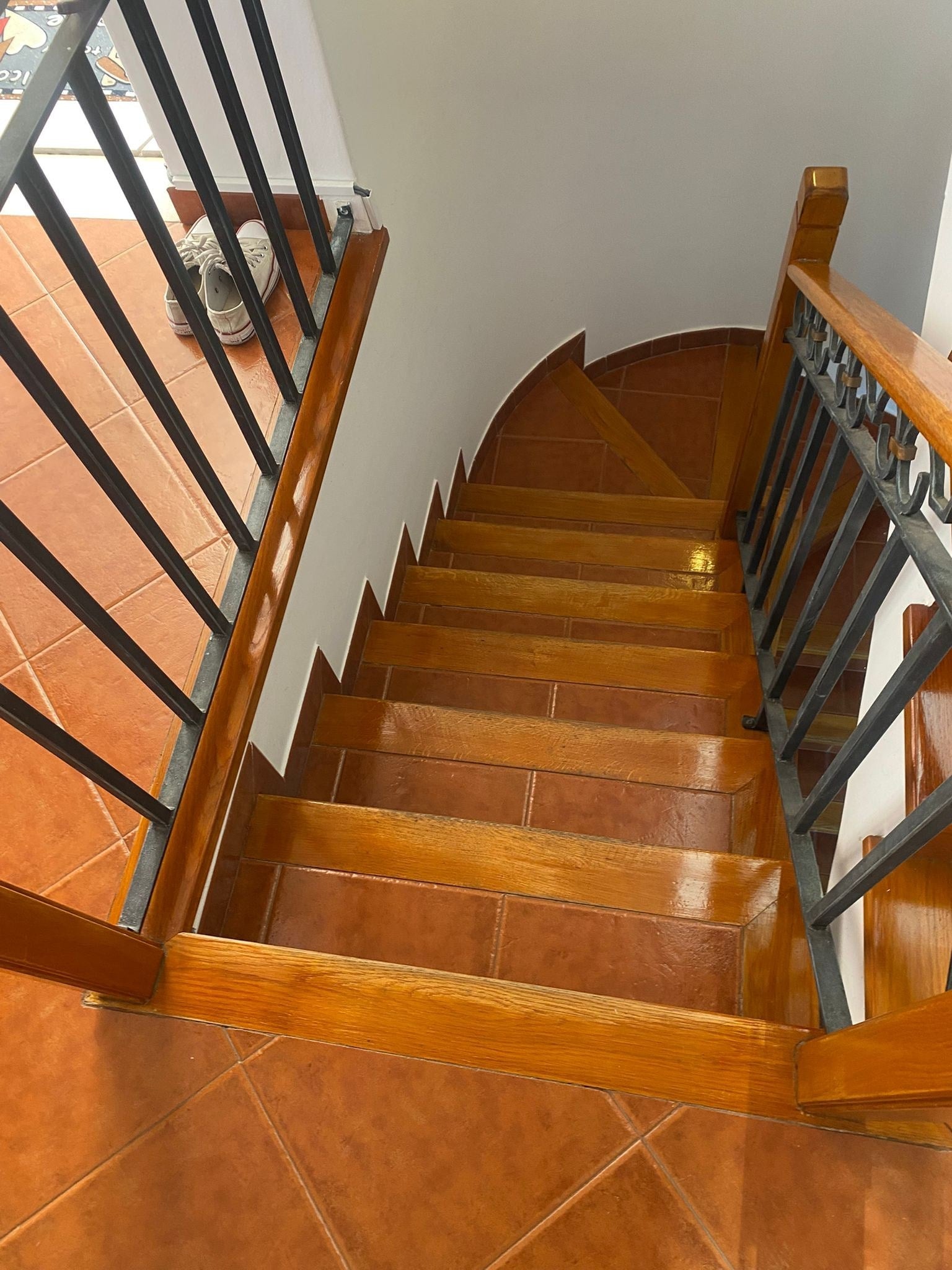
Tiled and stone floors, thick masonry walls and small, deep windows are not old-fashioned choices. They are a clever response to long, hot summers. Heavy materials absorb heat slowly, so a traditional house stays cool through the hottest part of the day.
The same logic explains why many homes feel cold in winter. Those thick walls take a long time to warm up, and most Portuguese homes were never designed with central heating, because for most of the year it simply was not needed. Rugs, a few good blankets and slippers make a real difference, and many people heat just the rooms they use with an air-conditioning unit that also heats (look for “heat pump” or bomba de calor), a pellet stove or a wood burner.
Why There Is Often No Central Heating
Visitors from northern Europe and North America are often surprised by this, so it is worth saying clearly: a home without central heating is completely normal in Portugal. It is not a sign of a poorly built or neglected house.
What matters more is how the home handles winter damp, which brings us to the most useful habit of all.
Five Simple Habits That Keep a Portuguese Home Happy
- Open the windows every day, even in winter. Ten minutes of fresh air in the morning lets out the moisture from cooking, showers, and breathing. Many people do the opposite in their first winter, closing everything up to keep warm, and then wonder why black spots appear on the walls. Damp air that cannot escape settles on the coldest surfaces, usually the corners of outside walls and behind wardrobes.
- Leave a little space behind the furniture. Pull wardrobes, beds and sofas a few centimetres away from outside walls so the air can move behind them.
- Use a dehumidifier in winter. It is one of the best small investments for a Portuguese home. You will be amazed how much water it collects, and the rooms will feel warmer and fresher.
- Keep the water away. Before the autumn rains, clear the gutters, roof terrace drains, and balcony outlets of leaves. In bathrooms, keep an eye on the silicone around the shower and bath, and renew it when it starts to peel or darken.
- Look after the outside. Painted walls, wooden shutters, and window frames last much longer with a little regular care. In coastal areas, salt air is hard on metal railings and fittings, so a wipe-down and a fresh coat of paint every few years pays off.
Helping Your Home, not Working Against It
Portuguese houses reward people who work with them. Shade the windows in summer, open them every morning in winter, heat the rooms you live in, and give the house a little seasonal attention. Do that, and your home will keep you cool when the rest of Europe is sweltering, and cosy when the winter rain arrives.
If you are still house-hunting, it helps to look at each property with these points in mind: ask how the water is heated, where the gas comes from, and how the house is kept warm and dry in winter. The answers will tell you a lot about how it will feel to live there.
About the Author
Caryn Pamorca is the founder of PIDS Home and Property Inspection, with a background in civil engineering. PIDS inspections are carried out by registered Portuguese architects and civil engineers, members of the Ordem dos Arquitectos and the Ordem dos Engenheiros, and help buyers from abroad understand the condition of a home before they buy. Find out more at pidsinspection.com.