
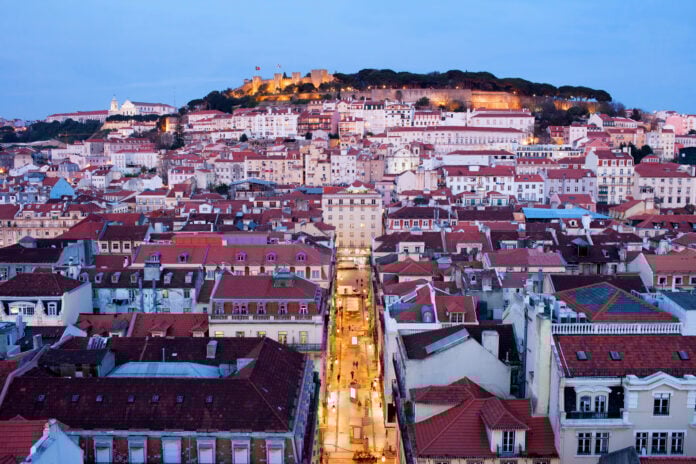
For many Americans, Portugal looks familiar at first glance. Tiled buildings, cafés, cobblestone streets, and a relaxed Mediterranean atmosphere create the impression that life will feel intuitive and easy to navigate. However, once the novelty wears off and daily routines set in, Portugal begins to reveal itself as a country that marches to the beat of its own drum. These beats are deeply ingrained, and they shape everything from how people socialize to how they approach work, time, comfort, and public space.
What surprises most Americans about daily life in Portugal is not one big cultural shock, but a series of small, but perceptible, differences to American habits and norms. Life moves at a slower pace, and convenience is often second to community, tradition, and family above all. Over time, many Americans come to appreciate these differences, but almost everyone is caught off guard by them at first.
The Pace of Life Is Slower, and You Just Have to Accept It
One of the first things Americans notice is that daily life in Portugal just unfolds more slowly, and there is no sense that this needs to be justified to anyone. Tasks take longer. Appointments run late. Emails are answered when they are answered, not necessarily when they are received.
In the United States, efficiency is often treated as a virtue in itself. Speed equals competence. Multitasking is admired. In Portugal, speed is not a priority or a value. People focus on what they are doing in the moment, even if that means everything else has to wait. This is especially noticeable in customer service settings. A cashier may stop ringing up items to chat with a regular customer. A clerk may leave the counter to handle something unrelated while customers wait patiently.
For Americans, this can initially feel frustrating or even disrespectful. Over time, many realize that the slower pace reflects a different relationship with time. Life is not something to be optimized. It is something to be lived.

Personal Time Is Respected in Unexpected Ways
Americans often assume that a slower pace means people are always available. In Portugal, the opposite is often true. Personal time is respected, especially outside of working hours. Businesses close for lunch. Small shops shut down unexpectedly. Messages sent after business hours may go unanswered until the next day or even the next week. Portugal even passed a “Right to Disconnect” law in 2021 making it illegal for most employers to contact employees (via email, calls, or texts) outside of work hours, except in emergencies.
This can be surprising for Americans who are used to constant accessibility and quick responses. In Portugal, work is often treated as something that fits around life rather than the other way around. Family meals, social obligations, and rest are spaces that are protected. In Portugal, being unavailable is not seen as unprofessional.
This boundary can be refreshing once Americans adjust to it, but it requires letting go of the expectation that everything should be handled immediately.
Homes Are Colder Than Expected
Portugal is famous for sunshine, mild winters, and warm weather, so many Americans are surprised to discover that Portuguese homes can feel uncomfortably cold during the winter months. Central heating is not common, insulation is often minimal, and indoor temperatures can drop far lower than what Americans expect, especially in older buildings.
In the United States, indoor comfort is treated as essential. In Portugal, people adapt to the seasons rather than controlling them. Extra blankets, layers of clothing, hot drinks, and space heaters are common. Rather than heating the entire home, people warm the room they are using.
This approach reflects a broader mindset. Comfort is achieved through behavior rather than infrastructure. It takes adjustment, but many Americans eventually find it more connected to the natural rhythm of the year.
Public Space Belongs to Everyone
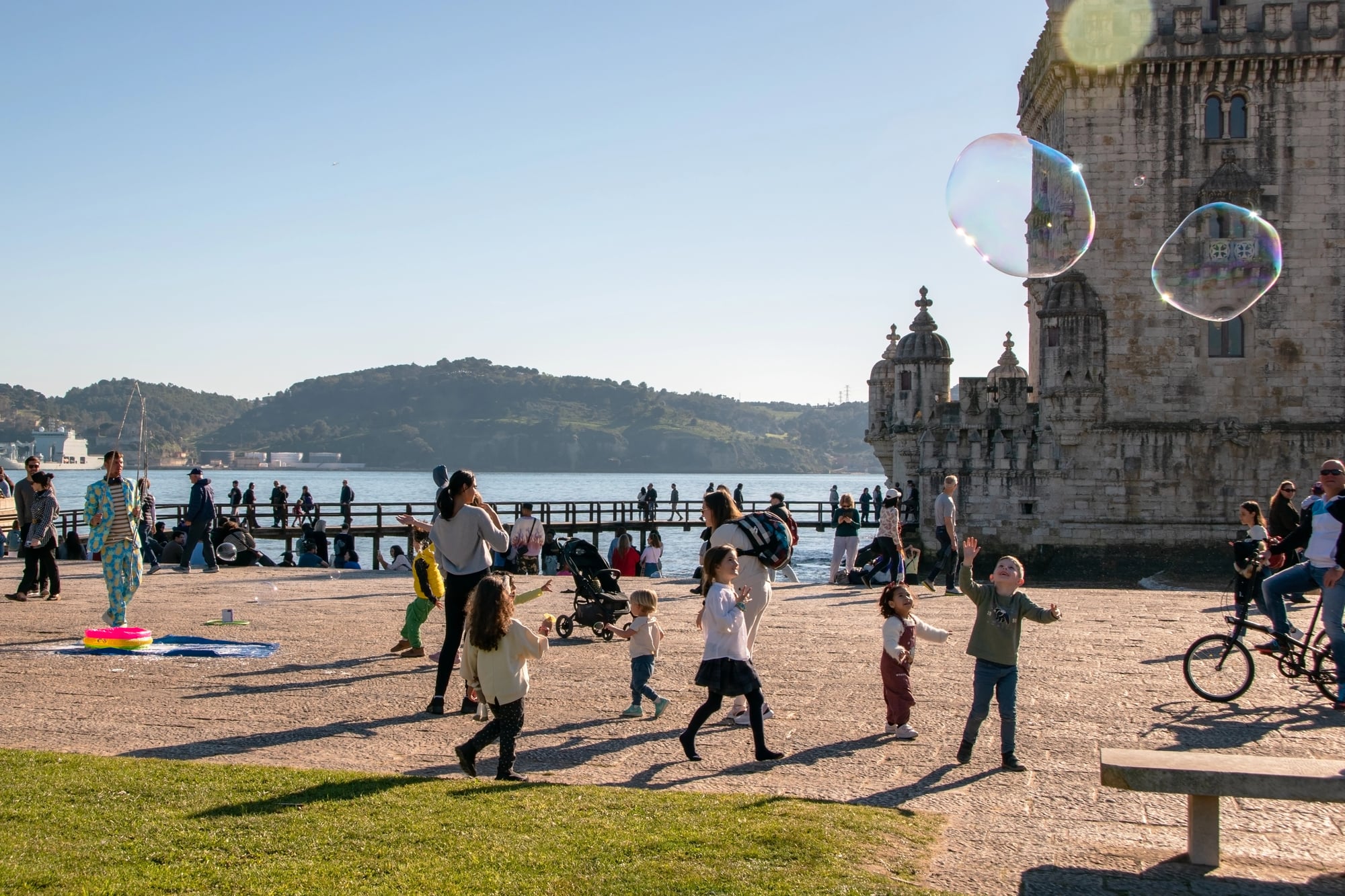
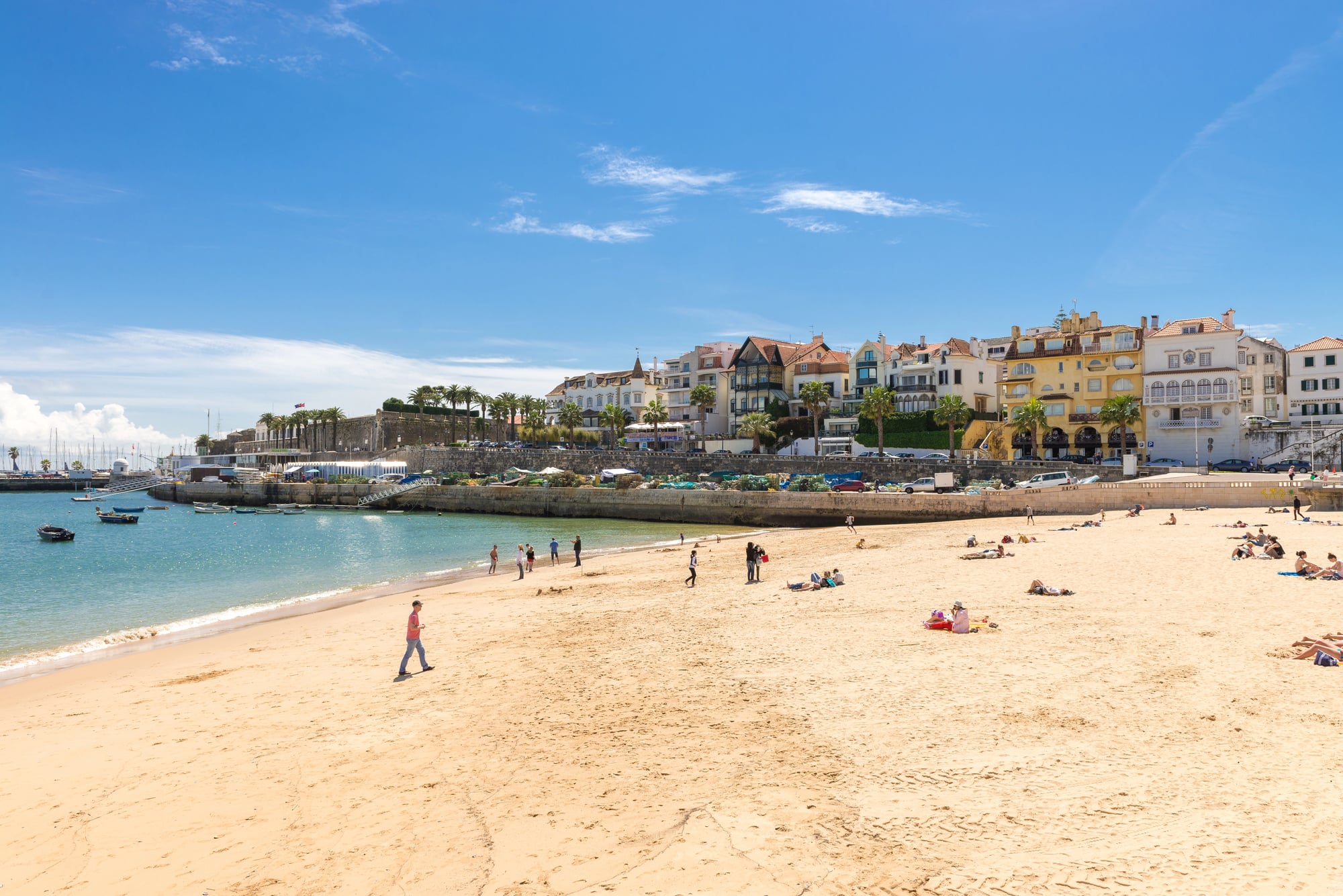
American cities are often organized around private space. Homes, cars, offices, and fenced in yards dominate daily life. In Portugal, public space plays a much larger role. Sidewalk cafés, plazas, neighborhood benches, and public parks are extensions of the home.
People meet up and hang out long into the afternoon in public spaces. Elderly neighbors sit outside and watch the street. Children play in public squares. Conversations happen in doorways and on sidewalks. This visibility creates a sense of shared responsibility and familiarity that surprises many Americans.
The result is a culture where people are more aware of each other. There is less anonymity, especially in smaller neighborhoods. For some Americans, this feels comforting. For others, it takes time to get used to being seen and recognized as part of the landscape and, as a result, make time to notice others as well.

Noise Has Its Time and Place
Americans often expect quiet to be enforced uniformly. In Portugal, noise has its place. A lively café, a neighborhood festival, or a family gathering can be loud without people getting upset. At the same time, loud behavior in inappropriate settings may be grounds for disapproval by locals.
These nuances can be confusing at first. Portugal is not a loud country overall, but it can definitely get vocal at the right moments. Sound is part of Portuguese social life rather than something to be silenced.
Americans who associate politeness with being quiet may need time to adjust to this flexibility.
Meals Are Social Not Transactional
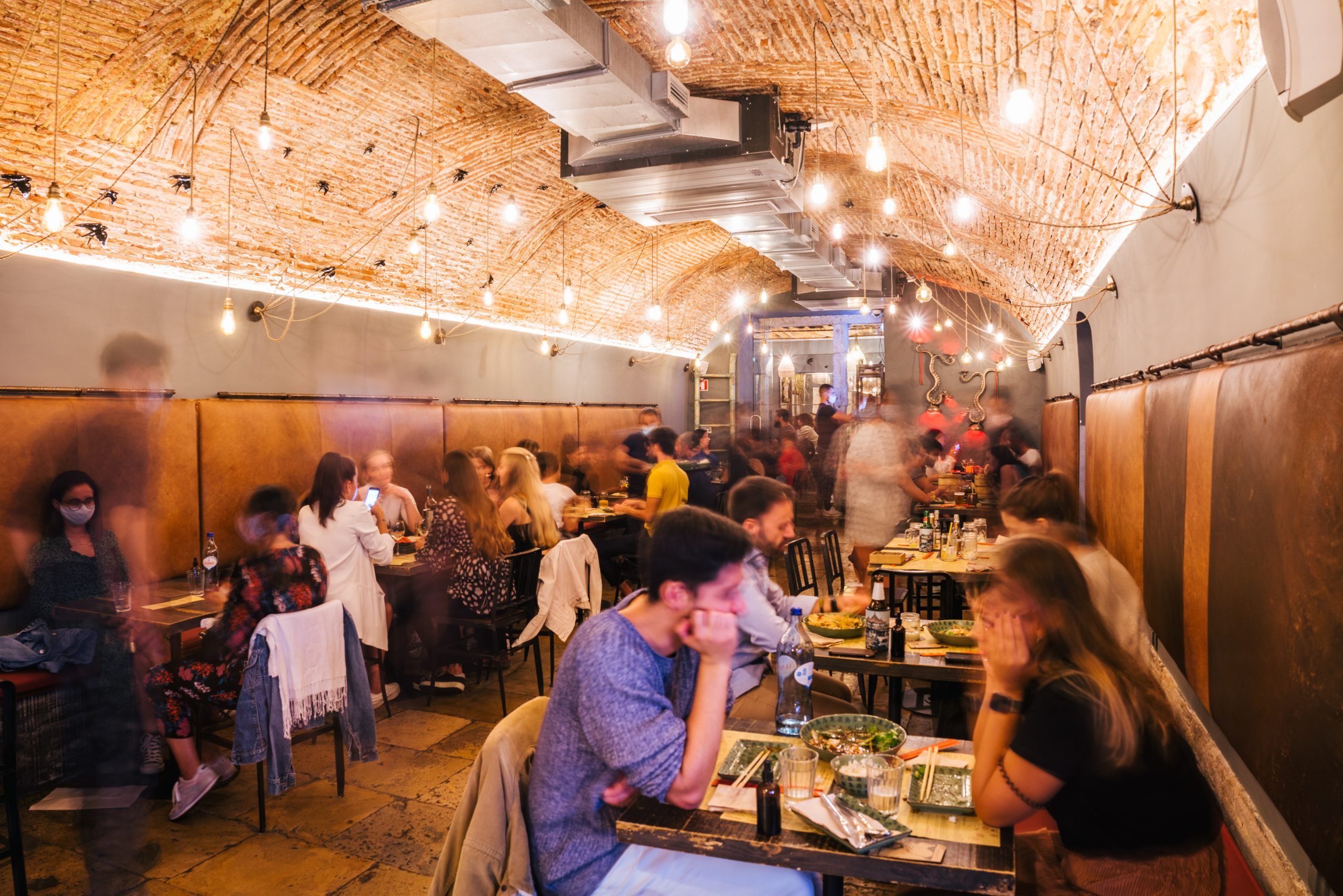
Food culture is one of the most pleasant surprises for Americans in Portugal, but it will also require some adaptation. Meals are not rushed. Lunch, for example, can typically take two hours or more. Dinner starts late, often after 8pm. Eating alone, especially in restaurants, is less common.
In the United States, meals are often functional. They fit between obligations. In Portugal, meals are events, and even a simple lunch is treated as a great moment of connection rather than a task to complete.
Restaurants do not hurry customers out. Servers may not check in frequently. Asking for the bill immediately after finishing may feel abrupt to the Portuguese. This slower dining culture encourages conversation and presence, but it challenges American habits built around speed and efficiency.
Customer Service Is Polite, but Not Overfriendly
American customer service often relies on friendliness, enthusiasm, and scripted interactions. In Portugal, service is typically polite. Staff members are respectful but not overly expressive. For example, the Portuguese will not welcome you with a burst of enthusiasm and start listing the specials of the day. Smiling is natural, but not constant.
This can initially feel distant to Americans who are used to being greeted with energy and small talk. However, the Portuguese approach emphasizes sincerity over performance. Help is given when needed but without exaggerated gestures.
Bureaucracy Is a Fact of Life
Portugal has a reputation for bureaucracy, and Americans are often surprised by how deeply it affects daily life. Paperwork, appointments, stamps, and official processes take time. Rules may change, and you may get different information depending on who you ask.
In the United States, systems are often designed around speed and scalability. In Portugal, systems prioritize procedure and formality. Patience is essential and so is flexibility. While it may be maddening at times, bureaucracy will eventually become habit, and you can learn to anticipate how to tackle it in the best way.
People Are Warm but Will Still Keep a Distance Initially
Portugal is a friendly country, but warmth does not always look the way Americans expect. People are kind, helpful, and considerate, but friendships take time. Small talk exists, but deep connections develop slowly.
Americans who are used to quickly forming casual friendships may feel uncertain at first. Invitations by Portuguese friends to take part in significant aspects of their lives may come later. Once relationships with the Portuguese are established, however, they tend to be strong and enduring. This slower approach to intimacy reflects a cultural emphasis on trust and stability rather than immediacy.
Children Are Integrated Into Adult Life
Americans are often surprised by how naturally children are included in everyday life in Portugal. Kids are welcome in restaurants, cafés, and public spaces at all hours. They are not treated as disruptions.
This means that children are seen as part of society rather than something to be managed separately. This integration creates a family-friendly atmosphere that feels both relaxed and respectful. For American parents, this can be a deeply positive surprise.
Independence Is Valued but So Is Interdependence
Portugal balances individual autonomy with collective responsibility in subtle ways. People take care of themselves, but they also rely on family, neighbors, and community structures.
Americans who value independence may initially struggle with this interconnectedness. However, over time, many eventually come to appreciate the support networks that exist quietly in the background.
Life Feels Less Optimized and More Human
Perhaps the biggest surprise for Americans is that daily life in Portugal feels less optimized. Things are not always fast, convenient, or perfectly organized. However, life often feels more human.
There is time to talk. Time to wait. Time to notice the weather, the street, the people around you. Productivity still exists, but it is not the central measure of worth.
For Americans willing to adjust their expectations, Portugal offers a powerful lesson. Life does not need to be maximized to be meaningful. Sometimes, slowing down reveals what was missing all along – and then you can truly feel welcome and at home in Portugal.


stunning country Lived in Podentes for 2 years Sadly my SA husband died I promote your country to everyone How the Village support me after his death
if possible one day I will moved back
Hi Annalene,
This is really lovely to hear. Thanks for sharing your love for Portugal.
All the best
great article