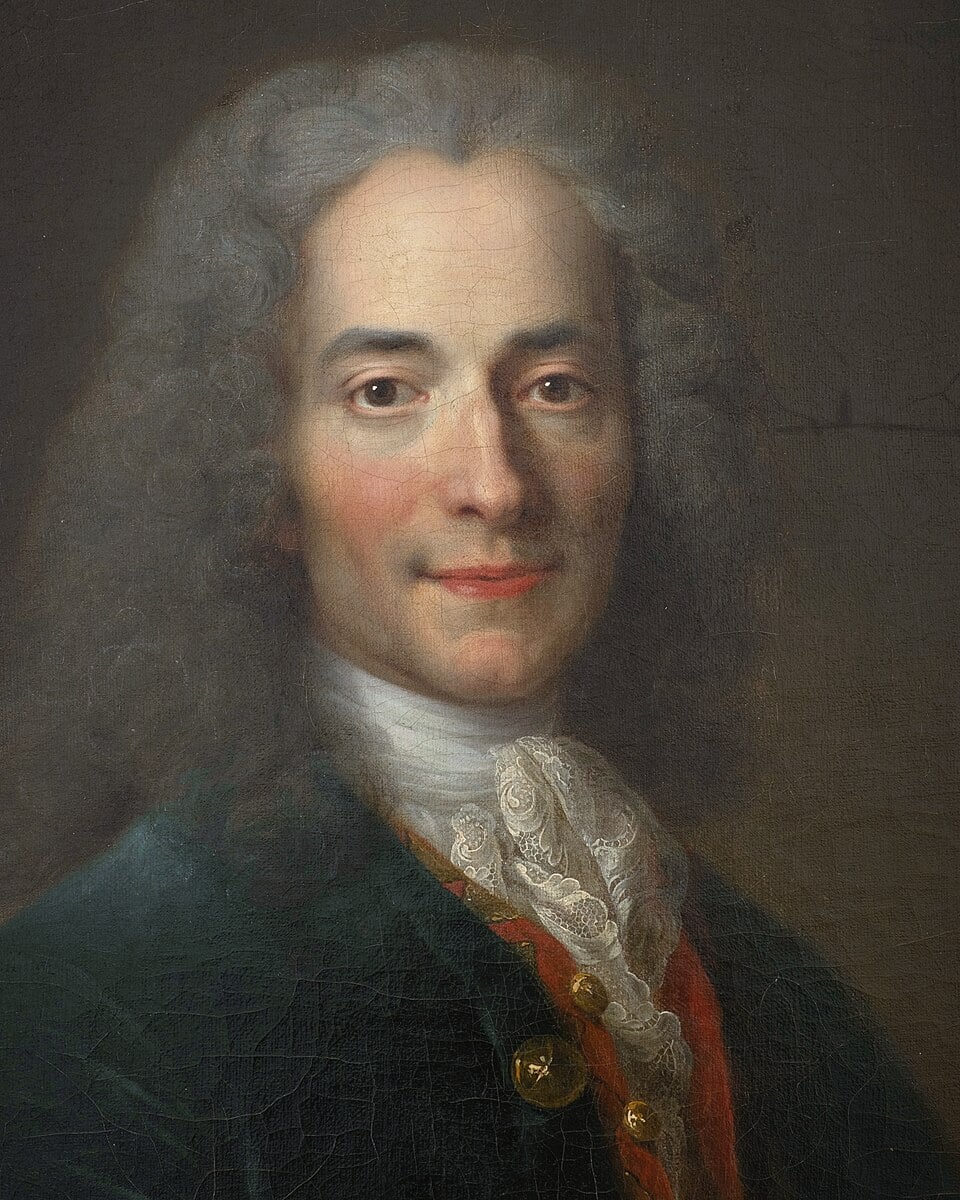
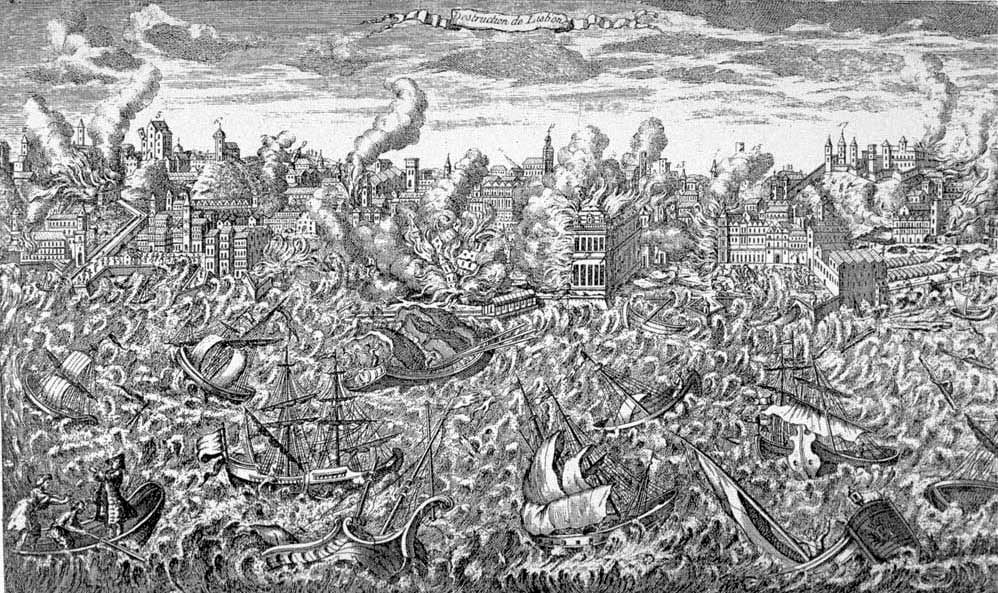
On the morning of November 1, 1755, one of the deadliest earthquakes in recorded history struck Lisbon, Portugal. The disaster killed tens of thousands of people, triggered massive tsunamis, and ignited fires that burned for days. The catastrophe sent shockwaves across Europe in both physical and philosophical ways. For French writer and philosopher Voltaire, the Lisbon earthquake became a pivotal moment that would directly inspire one of the most celebrated satirical novels in Western literature: Candide, ou l’Optimisme, published just four years later in 1759.
Let’s explore how a real-world catastrophe shattered prevailing philosophical assumptions, sparked intellectual debates that helped define the eighteenth century, and drove Voltaire to write his most enduring work.
The Lisbon Earthquake of 1755
The earthquake that struck Lisbon on All Saints’ Day in 1755 measured an estimated 8.5 to 9.0 on the modern Richter scale. It was one of the most powerful seismic events ever to hit Europe. The timing was particularly devastating because it struck on a major Catholic holy day, and thousands of Lisbon’s residents were packed into churches across the city when the earth began to shake.
The initial quake lasted between three and six minutes and was followed by multiple powerful aftershocks. The destruction was staggering. Fires broke out across the city and burned for five days. A massive tsunami, triggered by the underwater rupture, rolled in from the Atlantic and flooded the lower districts of the city, killing many who had fled to the waterfront to escape the fires and fallen buildings. Estimates of the death toll range from 10,000 to 100,000 people, and most historians have settled on a figure around 30,000 to 40,000.
The earthquake ultimately led to the destabilization of the intellectual foundations of an entire era. Lisbon was a wealthy, Catholic city at the height of its imperial power. For many devout Europeans, its destruction seemed incomprehensible and theologically troubling. If God was good and all-powerful, why would He allow such a catastrophe to occur on one of the holiest days of the year? Why would He let churches be destroyed and faithful followers be killed in the middle of their prayers?
Philosophical Optimism before the Earthquake
To understand why the Lisbon earthquake mattered so deeply to Voltaire and his contemporaries, it is necessary to understand the philosophical climate of the time. In the early eighteenth century, a popular school of thought known as philosophical optimism held considerable sway across educated European circles. This was not optimism in the everyday sense of expecting good outcomes. Instead, it was a metaphysical position rooted in the work of German philosopher Gottfried Wilhelm Leibniz.
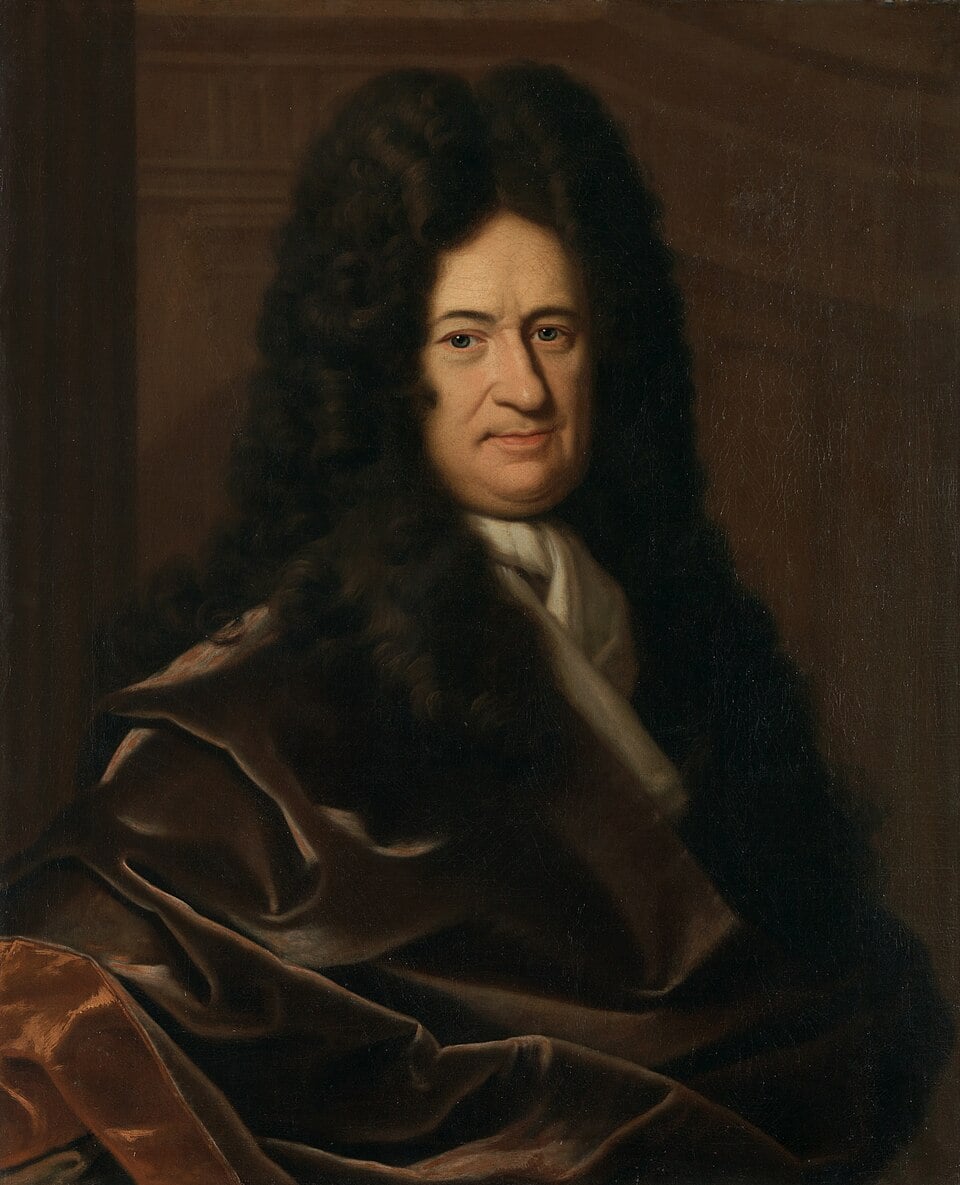
Leibniz argued that God, being perfect, would only have created the best of all possible worlds. This meant that everything that exists, including suffering and evil, must serve some greater purpose within the divine plan. Apparent evils were, in this framework, either necessary for some greater good or the result of human misunderstanding. The English poet Alexander Pope expressed a similar sentiment in his 1733 poem Essay on Man, famously writing that whatever is, is right.
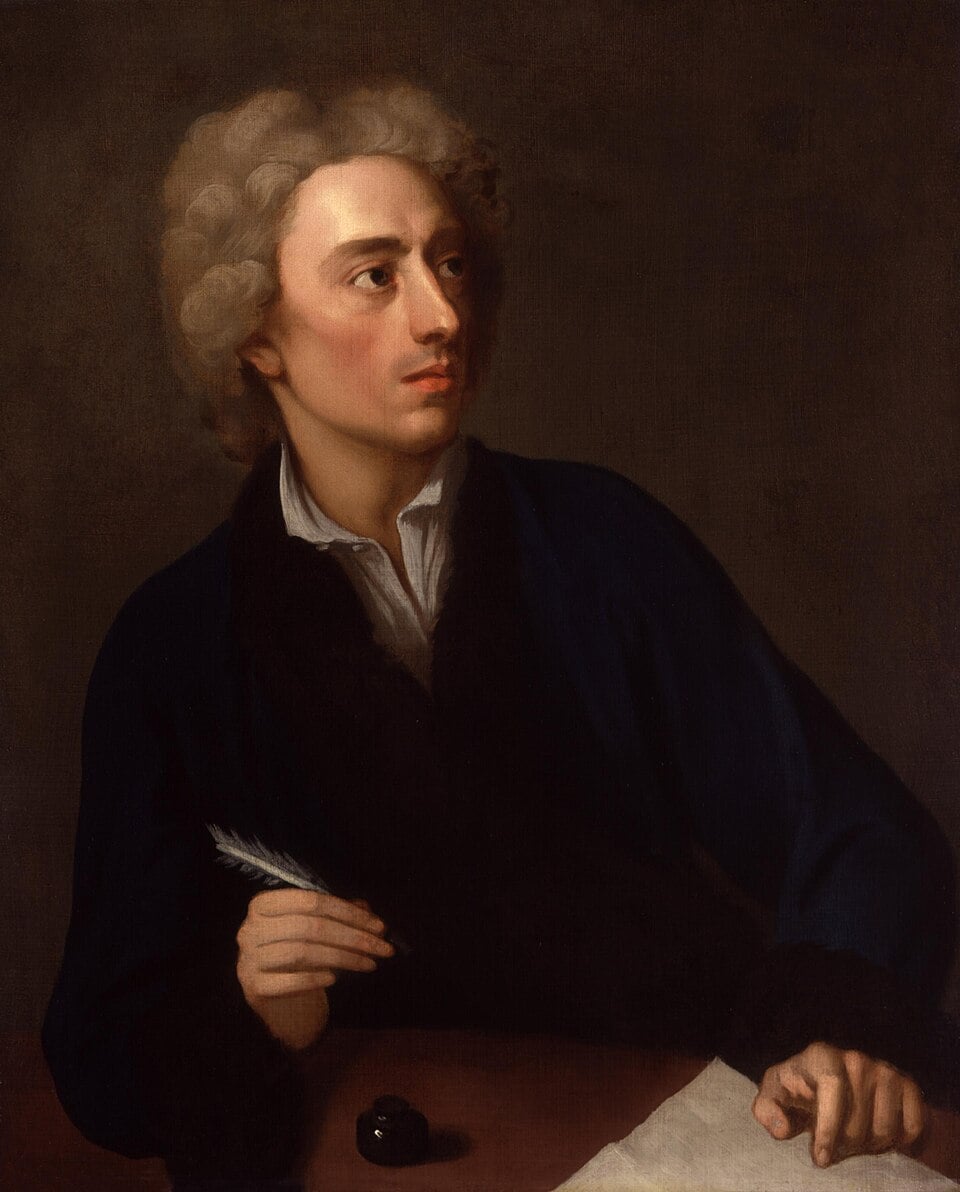
This philosophy offered comfort but also raised uncomfortable questions about accountability and human suffering. If the world is already the best it can possibly be, then there is little room for moral outrage or calls for reform. Critics of optimism argued that it encouraged passivity in the face of injustice and suffering. Voltaire had already harbored doubts about Leibnizian optimism before 1755, but the Lisbon earthquake gave those doubts a powerful and concrete focus.
Voltaire’s Immediate Response – The Poem on the Lisbon Disaster
Voltaire’s first direct literary response to the earthquake came not in prose but in verse. In 1756, just a year after the disaster, he published his Poem on the Lisbon Disaster, subtitled An Inquiry into the Maxim, ‘Whatever Is, Is Right.’ The poem is a passionate and raw rejection of philosophical optimism in the face of mass suffering.
“Was then more vice in fallen Lisbon found
Than Paris, where voluptuous joys abound?
Was less debauchery to London known,
Where opulence luxurious holds the throne?”
In the poem, Voltaire directly challenges those who would argue that the earthquake was part of God’s perfect plan. He describes the dying victims and demands to know how optimists can claim the world is arranged for the best when so many innocents suffer so horribly. The poem is not a denial of God’s existence but rather an expression of bewilderment and moral indignation at a universe that permits such suffering. Voltaire was no atheist. He was a deist who believed in a creator God but rejected the idea that this God was personally invested in human affairs or that the world reflected divine benevolence in any simple or straightforward way.
The poem generated significant controversy across Europe. Voltaire exchanged letters with philosopher Jean-Jacques Rousseau, who pushed back against Voltaire’s pessimism and argued that human society, not God or nature, was responsible for most human suffering. This debate further sharpened Voltaire’s thinking and helped push him toward the more sustained and satirical argument he would make in Candide.
Candide: Optimism Under Siege
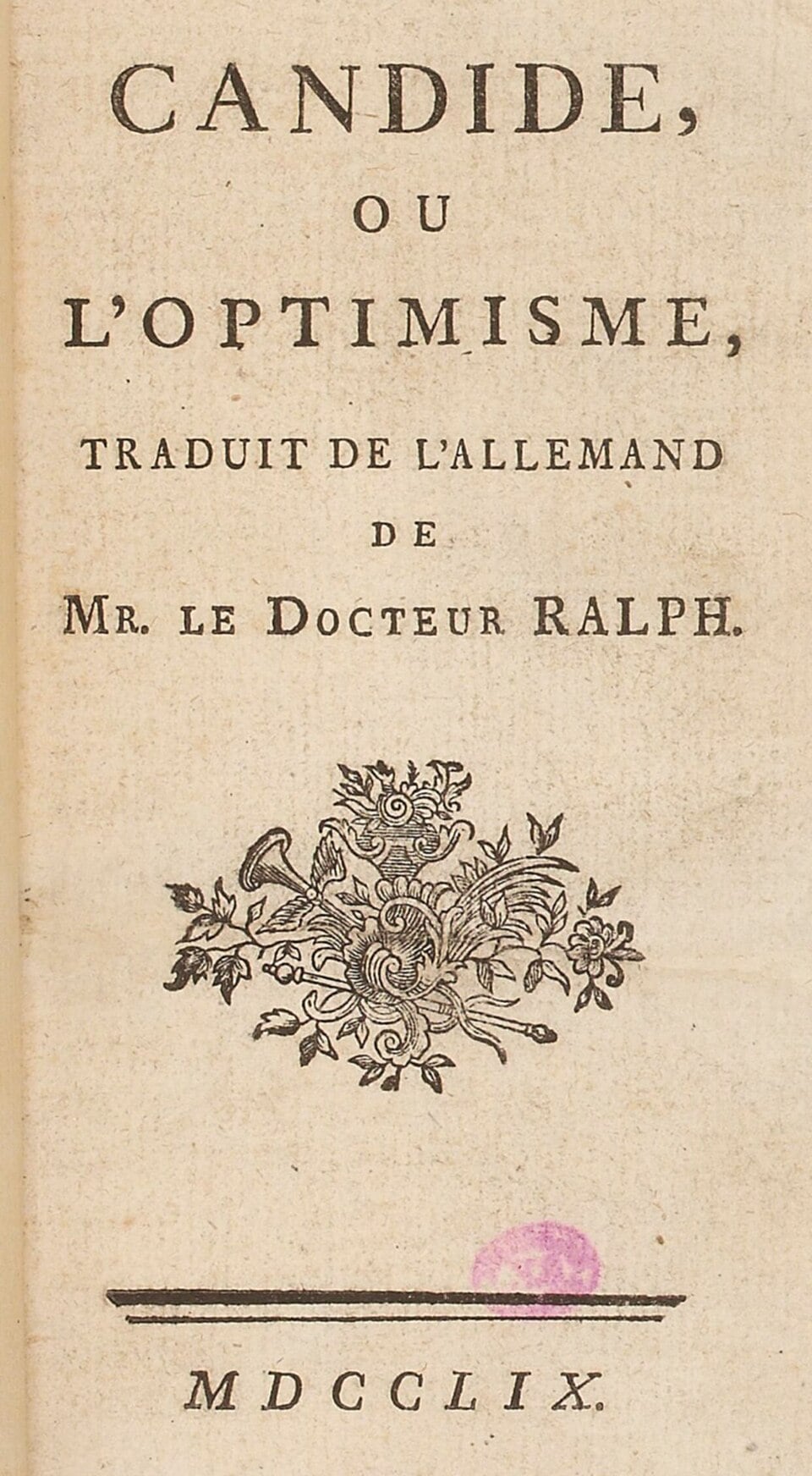
Published in 1759, Candide is a short, fast-paced satirical novel that follows its naive young protagonist through a relentless parade of disasters, cruelties, and misfortunes. The novel’s central target is precisely the Leibnizian optimism embodied by the character of Pangloss, Candide’s tutor and an unshakeable philosophical optimist who insists that everything happens for the best in this best of all possible worlds, no matter what horrors unfold around him.
The Lisbon earthquake appears directly in the text of Candide. In Chapter Five, Candide and Pangloss arrive in Lisbon just as the earthquake strikes. Voltaire describes the destruction with vivid detail. Thirty thousand inhabitants of all ages and sexes were crushed under the ruins, Voltaire writes. He describes a scene of chaos and mass death. What is darkly comic and philosophically pointed is that Pangloss continues to argue, even amid the rubble and the bodies, that the earthquake was a necessary part of the best of all possible worlds. The juxtaposition of his serene philosophical pronouncements and the graphic horror around him is both funny and devastating.
The earthquake scene in Candide is followed by one of the novel’s most biting satirical moments. The survivors of the earthquake decide that the best way to prevent future disasters is to hold an auto-da-fé, a public religious ceremony involving the execution of heretics. They believe that such a ritual will appease God. Voltaire’s point is clear and brutal: the response to a natural catastrophe that kills tens of thousands is a religious ceremony designed to kill a few more people all in the name of divine appeasement. The scene is a withering critique of religious institutions and their capacity for cruelty in the name of order.
The Earthquake as a Philosophical Turning Point
The Lisbon earthquake functioned as a philosophical catalyst that shaped the entire thrust of Candide. Voltaire used the earthquake to argue that the optimistic worldview was both naive and morally dangerous. If one believes that all suffering is somehow justified by a larger divine plan, then there is little motivation to alleviate that suffering through human effort and reform.
Candide ultimately rejects both naive optimism and its opposite – bitter pessimism. The novel’s famous concluding line, in which Candide declares that we must cultivate our garden, has been interpreted in many ways. Most readers understand it as a call to focus on concrete, practical action rather than abstract philosophical speculation. Rather than debating whether this is the best of all possible worlds, Voltaire suggests that humans should busy themselves making the world actually better through labor, community, and modest expectations.
This shift in philosophical emphasis, from grand metaphysical systems to practical engagement with the real world, is one of the reasons Candide remains so relevant today. The Lisbon earthquake forced Voltaire to confront the gap between philosophical theory and lived human experience. His response was to write a novel that challenges that gap up while also advocating for a more grounded and humane approach to life.
Legacy and Continuing Relevance
The connection between the Lisbon earthquake and Candide offers a remarkable example of how historical events can transform literary and philosophical history. A single natural disaster provoked an intellectual crisis that reverberated across Europe, prompted some of the most important philosophical debates of the Enlightenment, and inspired one of the most widely read novels of the past three centuries.
Candide has never gone out of print. It is taught in schools and universities around the world and has been adapted into operas, films, and stage productions. Its satirical energy and philosophical bite remain fresh because the questions it raises about suffering, justice, divine purpose, and human responsibility are questions that every generation must confront anew.
When natural disasters strike today, observers often notice echoes of the philosophical debates that followed Lisbon in 1755. Attempts to reconcile the existence of a good God with the reality of suffering resurface whenever earthquakes, hurricanes, or other large-scale catastrophes claim innocent lives. Voltaire’s insight, that philosophical systems must ultimately be judged against the reality of human experience, remains as sharp and necessary as ever.
The Lisbon earthquake shook the ground beneath Europe’s feet both literally and figuratively. Voltaire, never a man content to observe quietly, turned Portugal’s most tragic moment into one of literature’s great masterpieces and, in doing so, transformed catastrophe into lasting art.