
In the early twelfth century, the land that would one day become Portugal was not yet a country. It was a contested frontier territory that was both politically unstable and shaped by competing loyalties to local leaders and the Kingdom of León. Few people living in the region could have imagined that a short but decisive clash outside Guimarães in 1128 would set in motion the creation of an entirely new kingdom. However, that is exactly what happened at the Battle of São Mamede.
Often described as the moment Portugal was born, this battle marked the emergence of a leader determined to challenge outside control and establish a distinct political identity. While independence would not be achieved overnight, São Mamede ignited a chain of events that ultimately led to the formation of Portugal as a sovereign kingdom.
Portugal before Portugal
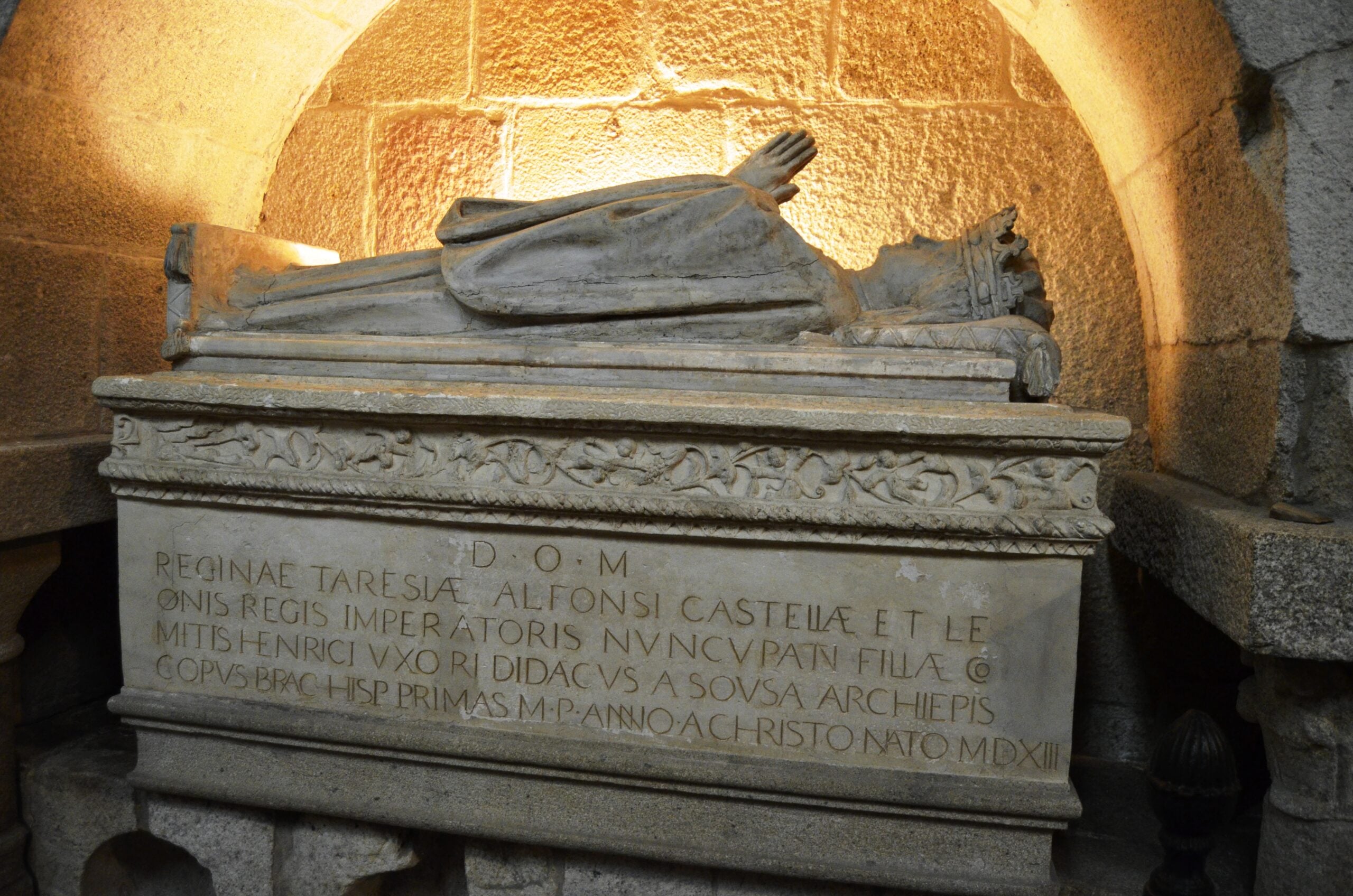
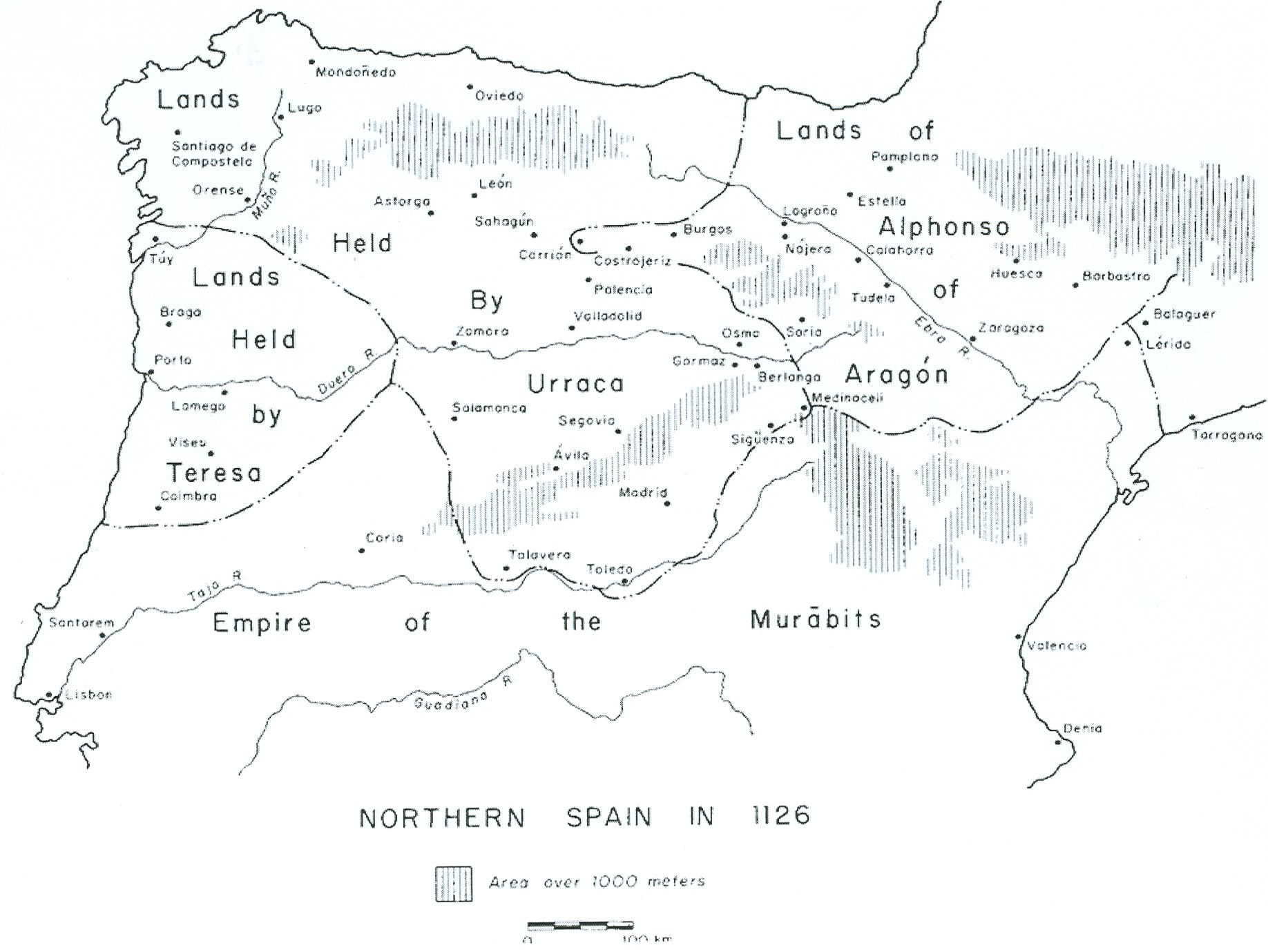
At the start of the twelfth century, the territory between the Minho and Mondego rivers was known as the County of Portugal. It was not independent. Instead, it functioned as a semi autonomous county within the Kingdom of León. The region was governed by Countess Teresa of León, daughter of King Alfonso VI, following the death of her husband, Henry of Burgundy.
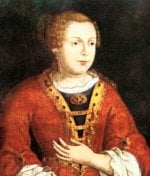
Teresa ruled on behalf of her young son, Afonso Henriques, but her authority depended heavily on alliances with Galician nobility, especially the powerful Trava family. These alliances brought military and political support, but they also created resentment among local Portuguese nobles. Many feared that Teresa’s reliance on Galicia would permanently bind the county to external interests and prevent it from developing its own leadership.
As time passed, dissatisfaction grew. The local nobility increasingly viewed Teresa as prioritizing Galician influence over Portuguese autonomy. The county’s elites wanted greater control over their own lands and decisions, and they began to see Teresa’s son as an alternative ruler who could represent those ambitions.
The Road to São Mamede
As Afonso Henriques reached his teenage years, he became a focal point for opposition to his mother’s rule. Supported by Portuguese nobles and members of the clergy, he began to assert himself politically and militarily. The conflict between Teresa and her son represented two competing visions for the future of the county.
Teresa sought to maintain power through her Galician alliances, which effectively anchored the county within a broader political network tied to León and Galicia. Afonso Henriques and his supporters, by contrast, wanted local rule free from external domination.
By 1127, tensions had escalated to the point where compromise was no longer possible. Both sides began preparing for open conflict. The stage was set for a decisive confrontation that would determine who controlled the County of Portugal.
The Battle of São Mamede
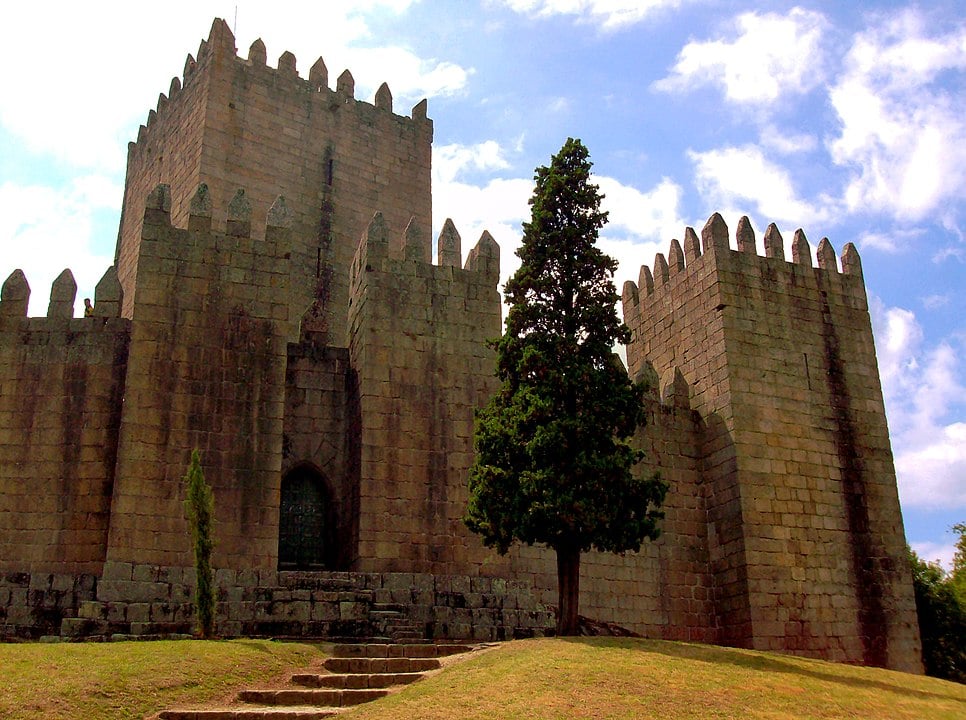
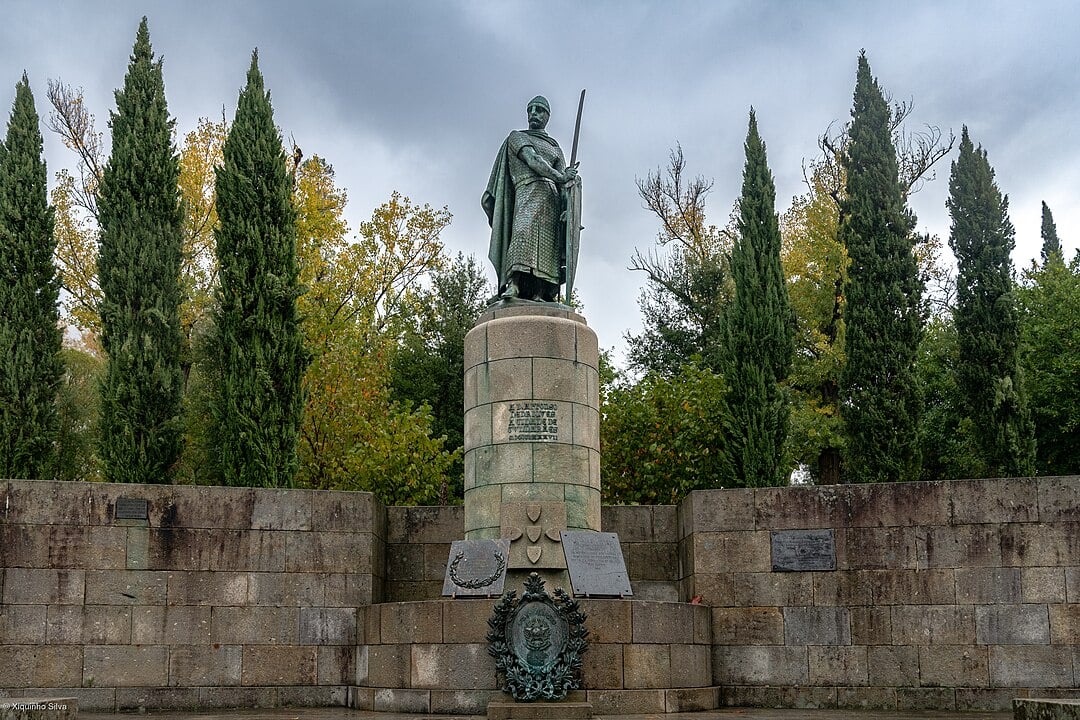
The battle took place on June 24, 1128, at Campo de São Mamede, just outside Guimarães. The location was symbolically significant, as Guimarães was already associated with the early foundations of the county.
The forces involved were relatively small by medieval standards. Teresa’s army included Galician knights loyal to the Trava family supported by troops drawn from her political allies. Afonso Henriques, on the other hand, commanded a coalition of Portuguese nobles and their retainers, men who were deeply invested in the idea of local autonomy.
The fighting appears to have been swift and decisive. While detailed accounts are limited, it is clear that Afonso’s forces managed to break Teresa’s lines. Some historians suggest that parts of Teresa’s army may have withdrawn or defected once the battle began, especially if their loyalties were divided between Galician leadership and local interests.
Whatever the exact sequence of events, the outcome was clear. Teresa was defeated. She was forced to leave the county and retreat into Galicia, where she would live out the rest of her life removed from Portuguese political power. Afonso Henriques, just nineteen years old, emerged as the undisputed ruler of the County of Portugal.
The Significance of São Mamede
From a military perspective, the Battle of São Mamede was not large or especially complex. Its importance lies entirely in its consequences. For the first time, the County of Portugal was ruled by a leader whose authority did not depend on León or Galician nobility.
São Mamede marked a turning point in political identity. The Portuguese nobility increasingly saw themselves as members of a distinct political community rather than border vassals of a larger kingdom. Control over the county was now firmly in local hands, and the idea of independence became both imaginable and achievable.
This moment would later be remembered as the symbolic birth of Portugal. Guimarães came to be known as the cradle of the nation, not because a kingdom was formally declared there, but because the battle made that future possible.
What Happened Next
Victory at São Mamede did not immediately create an independent kingdom. Instead, it created the conditions necessary for independence to emerge over the following decades.
Afonso Henriques focused first on consolidating his authority within the county. He strengthened alliances with loyal nobles, rewarded supporters, and cultivated strong ties with the Church. These relationships were crucial since religious backing provided legitimacy in medieval Europe.
At the same time, Afonso pursued military campaigns to the south against Muslim controlled territories as part of the broader Reconquista. These campaigns expanded his territory and enhanced his reputation as a warrior leader. Military success reinforced his authority and supported the idea that he ruled by both strength and divine favor.
From Count to King
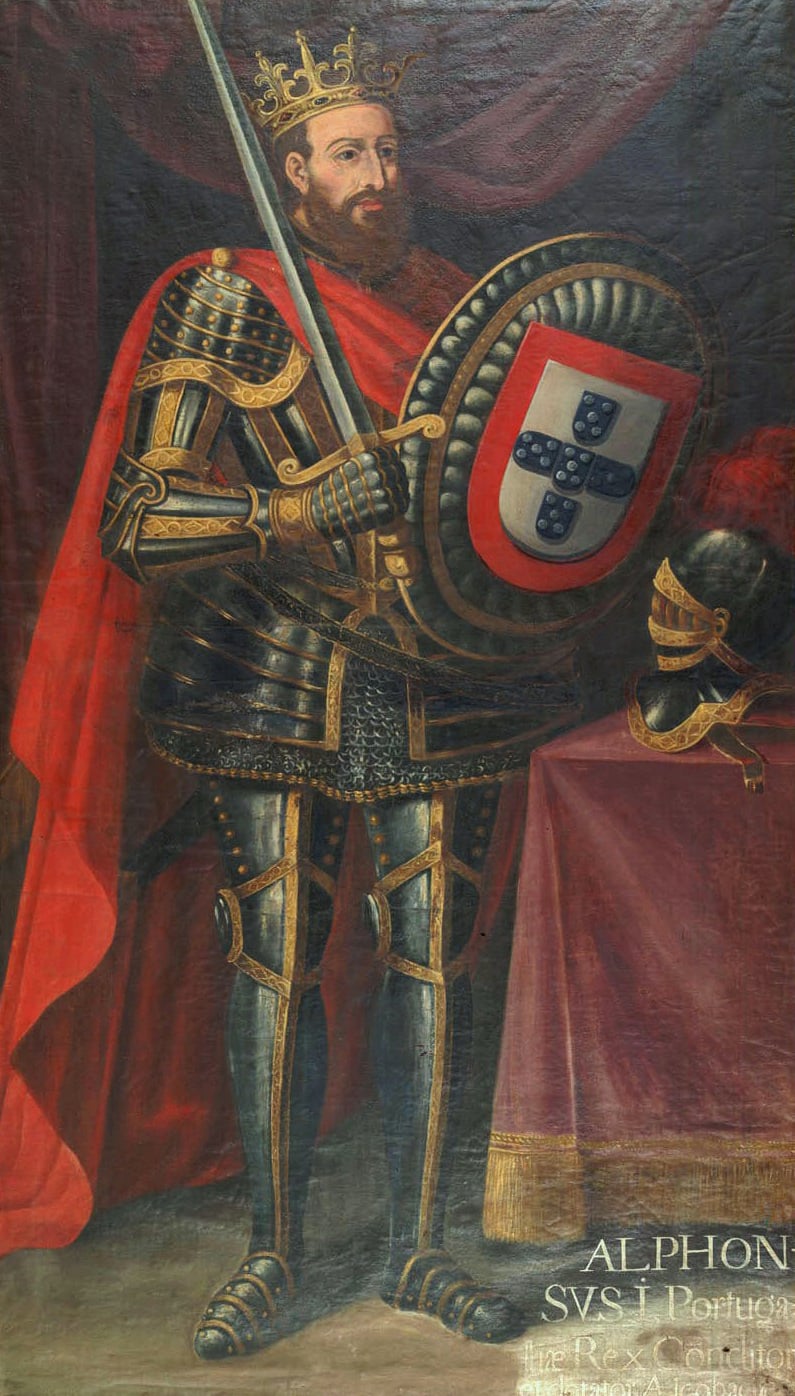
The decisive step toward kingship came in 1139 following Afonso Henriques’s victory at the Battle of Ourique. After this battle, he was declared king by his troops. While the exact nature of this proclamation is debated, its significance is clear. Afonso was no longer acting merely as an independent count. He now claimed royal status.
This claim required recognition. Declaring oneself king did not automatically make it so in medieval Europe. Afonso entered into negotiations with neighboring powers, particularly the Kingdom of León. These efforts culminated in the Treaty of Zamora in 1143, which recognized Portugal as a separate political entity.
Papal recognition followed later, which solidified Portugal’s legitimacy within Christian Europe and confirmed its status as a sovereign kingdom.
The Legacy of São Mamede
The Battle of São Mamede occupies a central place in Portuguese historical memory because it represents choice and determination. It was the moment when local leaders chose autonomy over submission and set a new political course.
Although independence was achieved gradually, the battle marked the first irreversible step. From that moment onward, the County of Portugal moved steadily toward full sovereignty.
Today, São Mamede is remembered not only as a medieval battle, but also as the spark that ignited the creation of a nation. From a single confrontation outside Guimarães emerged a kingdom, a culture, and an identity that would endure for centuries.