
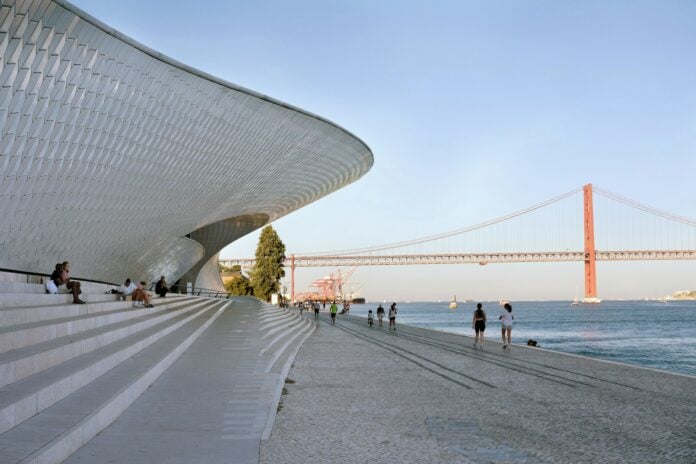
Lisbon wears its history on the outside, but its art scene thrives indoors. The compact nature of the city makes museum hopping remarkably easy and allows visitors to experience multiple artistic worlds in a single day while enjoying the beautiful streets and neighborhoods that connect them.
Below are 11 of the best art museums in Lisbon – from beautiful azulejo tiles to unique puppets from around the world and masterworks of European painting. The range of Lisbon’s art is sure to surprise you! Let’s dive in!
1. Museu Calouste Gulbenkian
Address – Av. de Berna 45A
Why You Should Go
The Gulbenkian Museum showcases one of the world’s most remarkable private art collections donated by Armenian oil magnate Calouste Gulbenkian over his lifetime. The collection spans over 5,000 years of art history from ancient Egyptian artifacts and Greco-Roman sculptures to Impressionist paintings and Art Nouveau jewelry by René Lalique. The museum’s layout takes visitors on a chronological journey through civilizations in a setting that never feels overwhelming.
Every piece was personally selected by Gulbenkian. Highlights include works by Rembrandt, Rubens, Monet, Renoir, and Turner displayed in elegant, naturally lit galleries. The museum sits within beautiful landscaped gardens, which make it an ideal place to spend the afternoon. The attached Modern Collection building just reopened after extensive renovations in 2024 and houses Portuguese art from the 20th century onward.
Note: The Gulbenkian Museum is temporarily closed until July 2026 due to refurbishment works.
2. MAAT (Museum of Art, Architecture and Technology)
Address – Av. Brasília
Why You Should Go
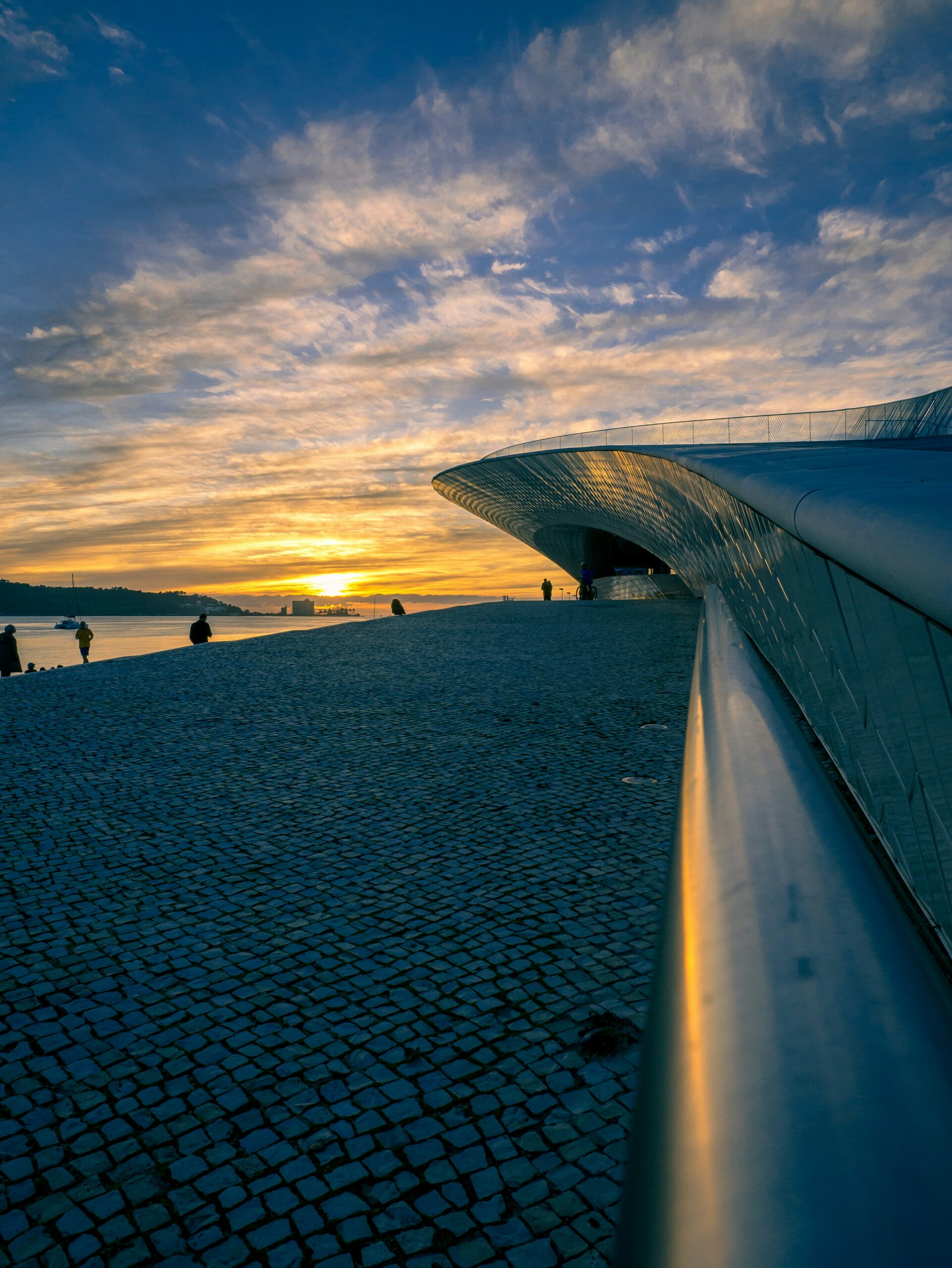
When it opened in 2016, the MAAT represented Lisbon’s bold leap into contemporary museum design and programming. This striking waterfront building designed by Amanda Levete features an undulating white facade that has become an instant landmark along the Belém riverfront. The museum focuses on the intersection of art, architecture, and technology and hosts cutting-edge exhibitions by international contemporary artists alongside explorations of design innovation and architectural thought. The rooftop walkway offers spectacular panoramic views of the Tagus River and the April 25 Bridge.
The museum complex also includes the beautifully restored Central Tejo, a former power station turned exhibition space that has retained its industrial machinery and architectural character. This combination of historic industrial architecture and futuristic design creates a unique dialogue between past and present. MAAT’s programming emphasizes emerging artists and interdisciplinary approaches. Its beautiful location along the Tagus River makes it perfect for combining a visit with a scenic walk along Lisbon’s waterfront promenade.
3. Museu Nacional do Azulejo (National Tile Museum)
Address – Rua da Madre de Deus 4
Why You Should Go
The Museu Nacional do Azulejo celebrates Portugal’s most distinctive art form in a setting that is itself a work of art. Housed in the former Madre de Deus convent, the museum traces the history of Portuguese decorative tiles from their Moorish origins through five centuries of evolution. The stunning 36-meter-long tile panel depicting Lisbon before the 1755 earthquake is an unmissable highlight. The museum’s collection demonstrates how azulejos evolved from simple geometric patterns to elaborate narrative scenes and Art Nouveau innovations.
Beyond the tiles themselves, the convent’s baroque chapel is a breathtaking example of Portuguese religious art, with its walls entirely covered in blue and white azulejos and gilded woodwork creating an overwhelming sense of beauty. The museum provides an essential context for understanding the ubiquitous tile work you’ll encounter throughout Lisbon. Temporary exhibitions also often showcase contemporary artists working with ceramic and tile.
Note: The Museu Nacional do Azulejo (National Tile Museum) in Lisbon is currently closed for major renovations and is expected to reopen in the second half of 2026, likely around June 2026, as part of Portugal’s Recovery and Resilience Plan (PRR).

4. MAC/CCB (Museu de Arte Contemporânea, Centro Cultural de Belém)
Address – Praça do Império
Why You Should Go
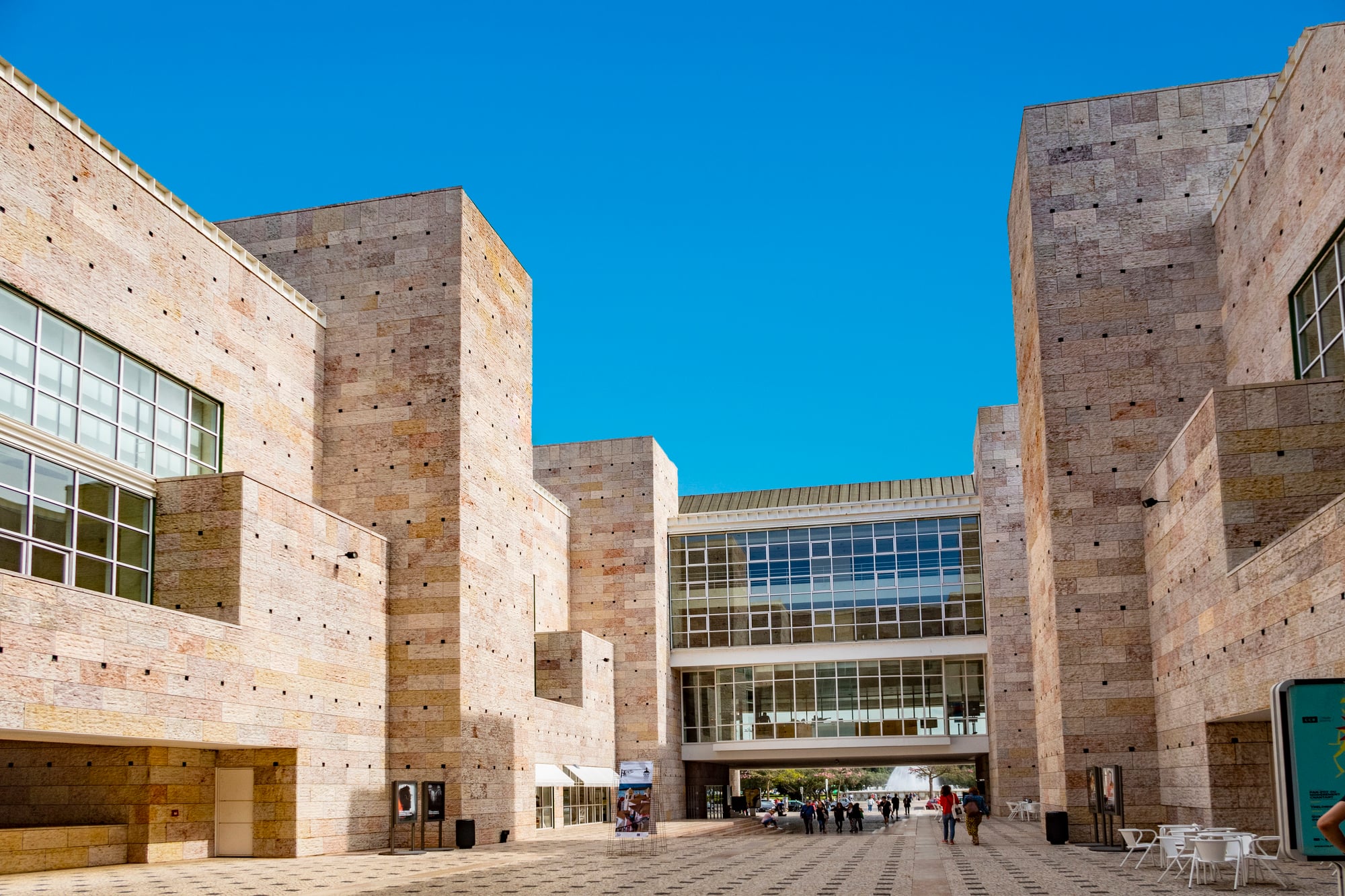
The MAC/CCB offers one of Europe’s finest surveys of modern and contemporary art in the Cultural Center of Belém. The permanent collection spans the major art movements of the 20th and 21st centuries and features works by Andy Warhol, Pablo Picasso, Salvador Dalí, Francis Bacon, and countless others. The museum’s strength lies in its comprehensive representation of artistic movements from Surrealism and Abstract Expressionism to Pop Art and Minimalism.
The museum’s location in Belém means you can easily combine your visit with other major attractions like the Jerónimos Monastery and the Tower of Belém.
5. Museu Nacional dos Coches (National Coach Museum)
Address – Av. da Índia 136
Why You Should Go
While technically focused on coaches rather than traditional fine art, the Museu Nacional dos Coches, we included it on our list due to its stunning display of decorative artistry and craftsmanship. This museum houses the world’s largest collection of royal coaches, carriages, and ceremonial vehicles, many of which are masterpieces of baroque and rococo decoration. The level of artistic detail in these vehicles is extraordinary and features elaborate carved sculptures and painted panels that rival anything found in traditional art museums.
The new purpose-built museum building, opened in 2015, provides a spectacular setting for the coaches and also includes the former royal riding school building, a beautiful 18th-century structure. This is a uniquely Portuguese museum experience that you won’t find anywhere else in the world.

6. MACAM – Museu de Arte Contemporânea Armando Martins
Address – Rua da Junqueira 66
Why You Should Go
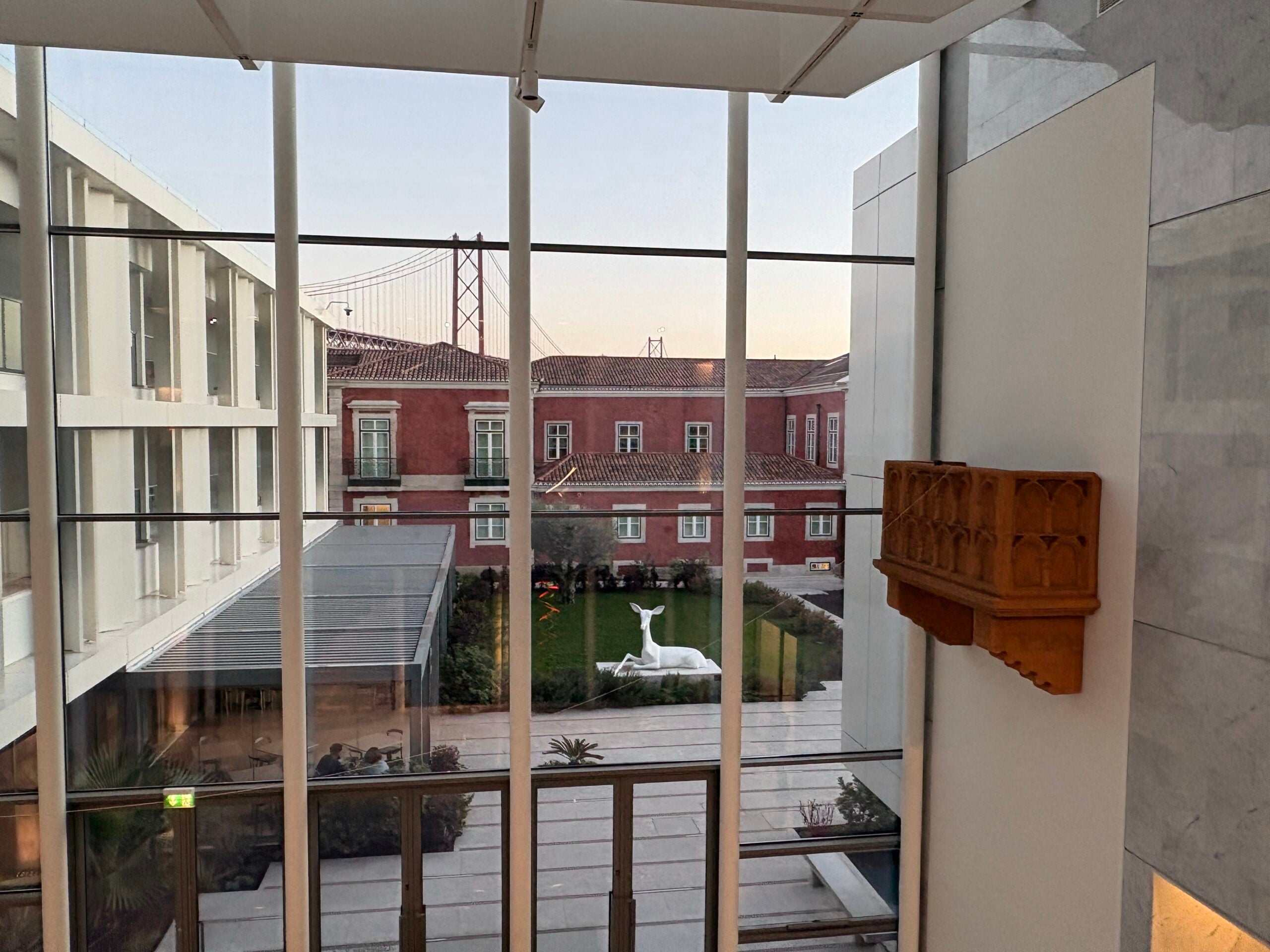
MACAM opened in March 2025 in the Alcântara-Belém Art District and is one of Lisbon’s newest and most distinctive cultural institutions. The museum is built around the private collection of Armando Martins, who began collecting art in 1974 and has since assembled more than 600 works spanning the nineteenth century to the present day. Unlike any other museum in the city, MACAM is both an art museum and a hotel, which makes it the first museum hotel of its kind in Europe.
The collection is spread across four galleries. Gallery 1 focuses on major figures in Portuguese art, while Gallery 2 presents an international contemporary collection featuring photography, sculpture, video, and film. Temporary exhibitions are housed in Galleries 3 and 4, which can be accessed through an outdoor courtyard that also leads to a café and restaurant.
7. National Museum of Contemporary Art, Museu do Chiado (MNAC)
Address – Rua Serpa Pinto 4
Why You Should Go
The Chiado Museum specializes in Portuguese art from 1850 to the present day, giving visitors a comprehensive overview of how Portuguese artists engaged with and responded to international artistic movements. The collection is particularly strong in works from the late 19th and early 20th centuries and includes pieces by naturalist and romantic painters as well as modernist works that show Portuguese artists embracing cubism, futurism, and expressionism. This focus on Portuguese art provides valuable context for understanding the country’s cultural development during a period of significant social and political change.
Housed in a former convent that was beautifully renovated after a devastating 1988 fire, the museum itself is an interesting blend of historic architecture and contemporary design. The museum’s central Chiado location puts you in one of Lisbon’s most historic neighborhoods surrounded by bookshops, cafes, and boutiques.
8. Museu Bordalo Pinheiro
Address – Campo Grande 382
Why You Should Go
The Museu Bordalo Pinheiro celebrates one of Portugal’s most versatile and beloved artists, Rafael Bordalo Pinheiro (1846-1905), whose creative genius spanned illustration, caricature, ceramics, and sculpture. The museum houses an extraordinary collection of over 3,000 prints, 900 photographs, and 1,200 ceramic pieces that reveal the breadth of his artistic vision. Most notably, visitors can explore the evolution of Zé Povinho, Bordalo Pinheiro’s iconic cartoon character representing the everyday Portuguese working man, which became a powerful symbol of social commentary in 19th-century Portugal. The collection demonstrates how Bordalo Pinheiro revolutionized Portuguese graphic arts and ceramics.
Beyond the famous ceramics that still bear his name in shops across Portugal, the museum reveals Bordalo Pinheiro’s remarkable range as a satirist and cultural critic. His caricatures and illustrations display a sharp wit and keen eye for social observation that made him both celebrated and occasionally controversial during his lifetime. Located in the Campo Grande area, this museum offers insight into a particular Portuguese artistic sensibility that combined humor, craftsmanship, and social consciousness in ways that continue to resonate today.
9. Museu do Oriente (Museum of the Orient)
Address – Doca de Alcântara, Av. Brasília 352
Why You Should Go
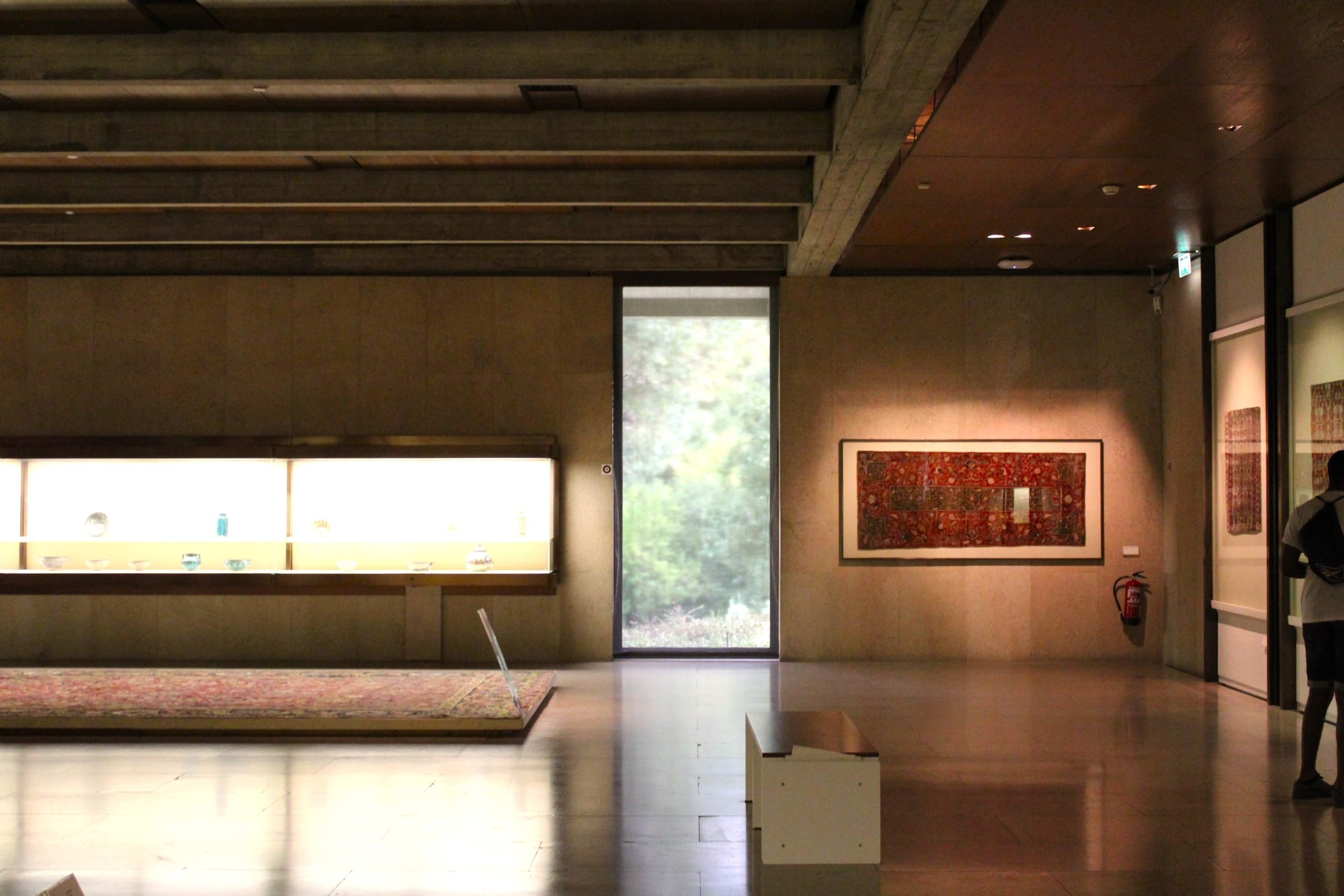
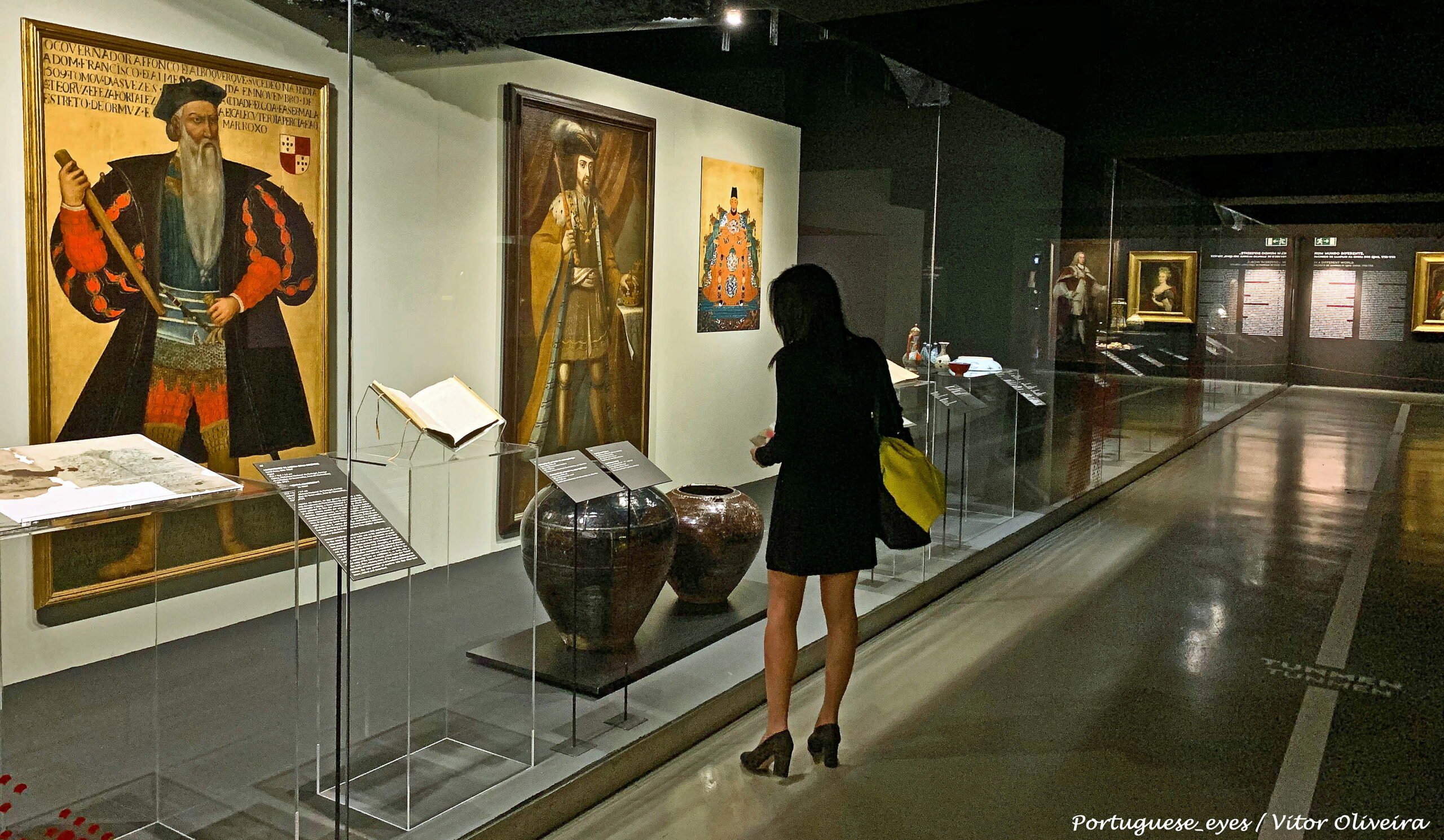
The Museu do Oriente explores the artistic and cultural connections between Portugal and Asia and highlights centuries of exchange that began during the Age of Discovery. The permanent collection features an impressive array of Asian art, including Chinese porcelain, Japanese screens, Indian textiles, and Southeast Asian sculpture. The Portuguese Presence in Asia exhibition illuminates how these cultural encounters influenced both Portuguese and Asian artistic traditions, featuring maps, religious art, and decorative objects that document this fascinating historical dialogue.
Housed in a converted warehouse on the waterfront, the museum’s industrial architecture has been transformed into a striking cultural space with excellent natural lighting and harbor views. The collection demonstrates the sophistication of Asian artistic traditions while also showing how Portuguese traders, missionaries, and colonists participated in and were influenced by these cultures.
10. Museu da Marioneta (Puppet Museum)
Address – Rua da Esperança 146
Why You Should Go
While puppets might not immediately come to mind when thinking about art museums, the Museu da Marioneta is delightful and makes a compelling case for puppetry as a significant form of art. The collection includes hundreds of puppets from around the world, including Portuguese shadow puppets, Asian rod puppets, and European marionettes, demonstrate the diversity of this performing art.
The museum occupies a former convent in the charming Madragoa neighborhood and is a wonderful place for families. It reopened in June 2025 after extensive renovations.

11. Museu Nacional de Arte Antiga (National Museum of Ancient Art)
Address – Rua das Janelas Verdes
Why You Should Go
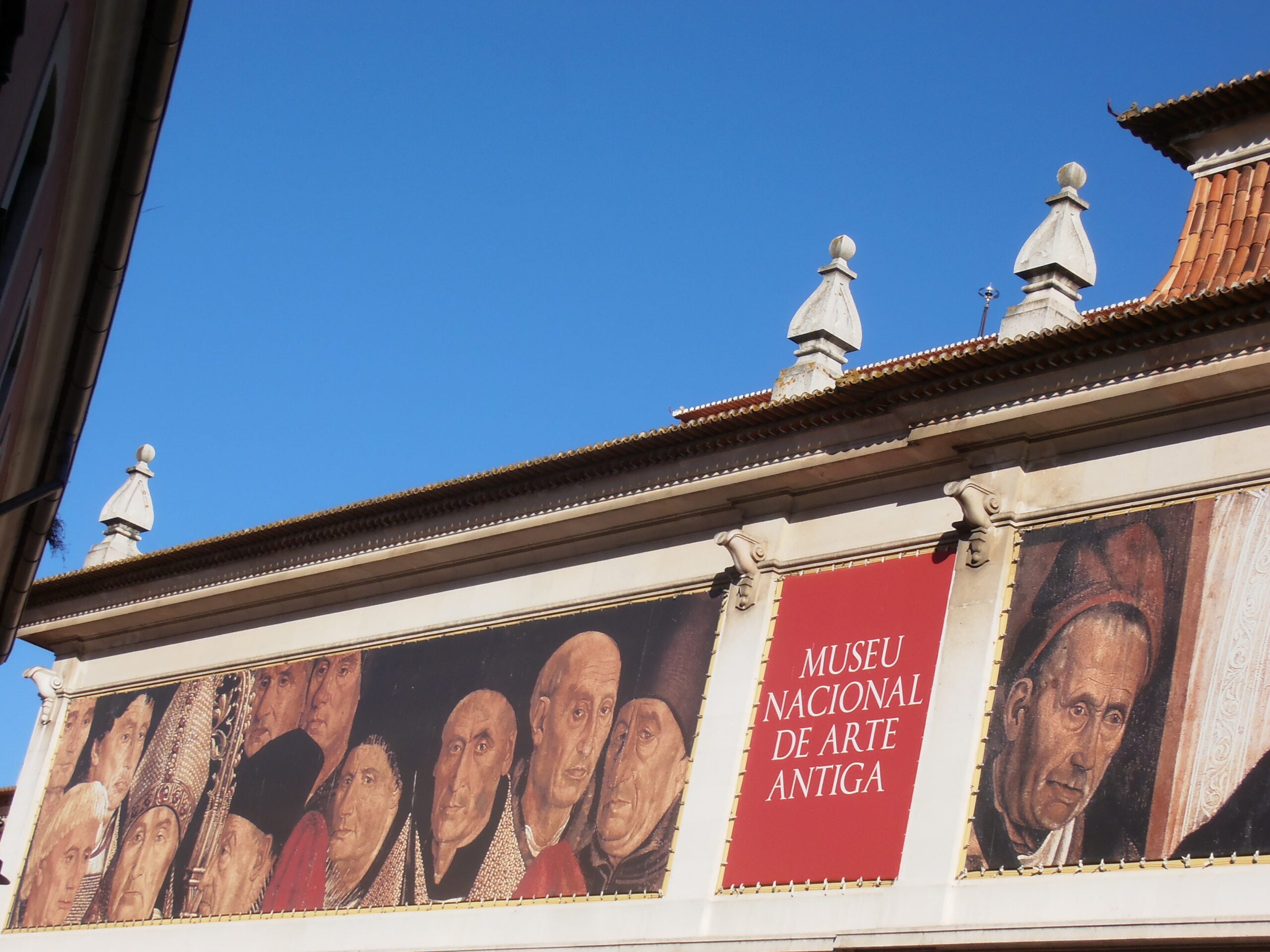
The Museu Nacional de Arte Antiga is the most important fine art museum in Portugal and the best place to understand how Portuguese art evolved alongside religion, monarchy, and overseas expansion. The collection spans from the Middle Ages to the early nineteenth century and includes painting, sculpture, goldsmith work, textiles, and decorative arts. Many of the works reflect Portugal’s global connections during the Age of Discoveries.
The museum’s garden overlooks the Tagus River and offers a quiet place to take a break after moving through galleries filled with sacred imagery and royal commissions. It is an excellent museum for visitors who enjoy taking their time and absorbing the historical context of Portugal.
Note: The Museu Nacional de Arte Antiga is temporarily closed as of September 29, 2025 until further notice due to renovation work. Don’t miss this incredible museum and its collection once it reopens.
Conclusion
Lisbon’s art museums offer an incredible range of remarkable all within a city that is itself a work of art. The manageable distances between museums and the city’s excellent public transportation make it possible to visit multiple museums in a single visit. Take your time exploring these cultural treasures, and you’ll come away with a deeper appreciation not only for Portuguese art but for the creative currents that have shaped Western and global culture across the centuries.