
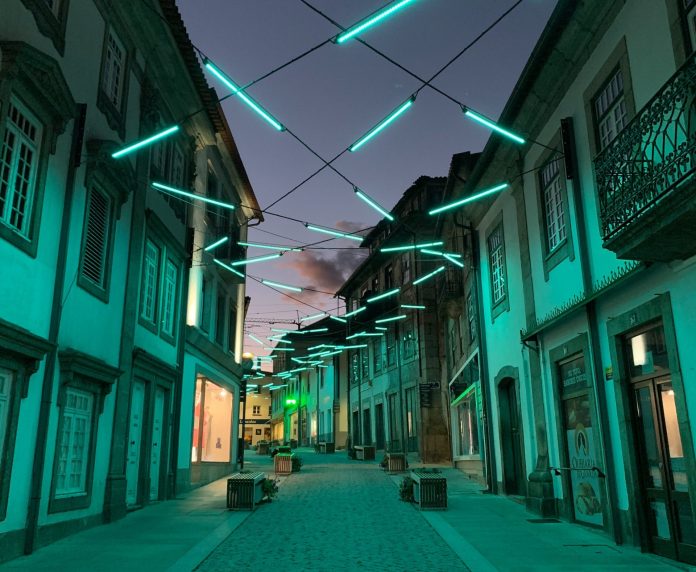
Portugal’s highest town, Guarda is known for the beauty of its surroundings, mildness of its climate, the monumentality of its colossal castle, and the great role it played in Portugal’s history.
Travel to Guarda, to delight in its natural & architectural beauty, and take pleasure in hiking, cycling, and exploring Portugal’s highest mountain range, Serra de Estrela, located close by. Pack up and make your way to Guarda.
Book Tours & Experiences in Guarda
Things to do in Guarda
Pay a visit to the Sabugal Castle
Perched atop a mountain and surrounded by the beautiful Coa River, Sabugal Castle is one of Portugal’s best-preserved historical landmarks.
Head to its battlements to take pleasure in the mind-blowing panorama and don’t miss out on the castle’s robust tower dominating the surroundings.
Head to Guarda’s historical center
Pay a visit to Guarda’s old town. At its center is Praca Luis de Camoes, a sloping city square lined by 16th-to-18th century mansions and its imposing, somewhat squatty austere cathedral, Se de Guarda. Head there to start your tour of the old town.
Then, make it to the warren of narrow cobbled streets situated to the north of the cathedral, exuding a truly medieval charm. Take your time exploring this truly labyrinthine part of the old town.
The musts are beautiful Rua de Sao Vicente; a fragment of the ancient walls, Torre dos Ferreiros; Porta d’El Rei and Porta da Erva, two gates scenically set on the fringes of the town’s historical nucleus; and Judiaria, the town’s magical ancient Jewish Quarter famous for its narrow lanes, through whose maze-like narrow alleys you will have to pass if you go from one gate to the other.
Travel to Se de Guarda
The stocky beauty of a cathedral is one of Guarda’s prime landmarks. Head to the main square to marvel at the sober structure towering above the town.
Even if Its earliest parts date back to 1390 it has been subsequently beautified with diverse Manueline and Renaissance elements.
It is worth a visit for its strikingly medieval façade, its spacious granite inside, and the four-story Renaissance altarpiece crafted by Jean de Rouen.
Don’t forget to ascend a narrow spiral staircase for you to delight in the gob-smacking vistas opening up from the cathedral’s viewing deck.
Go to Serra de Estrela National Park & Climb Torre’s Portugal highest peak
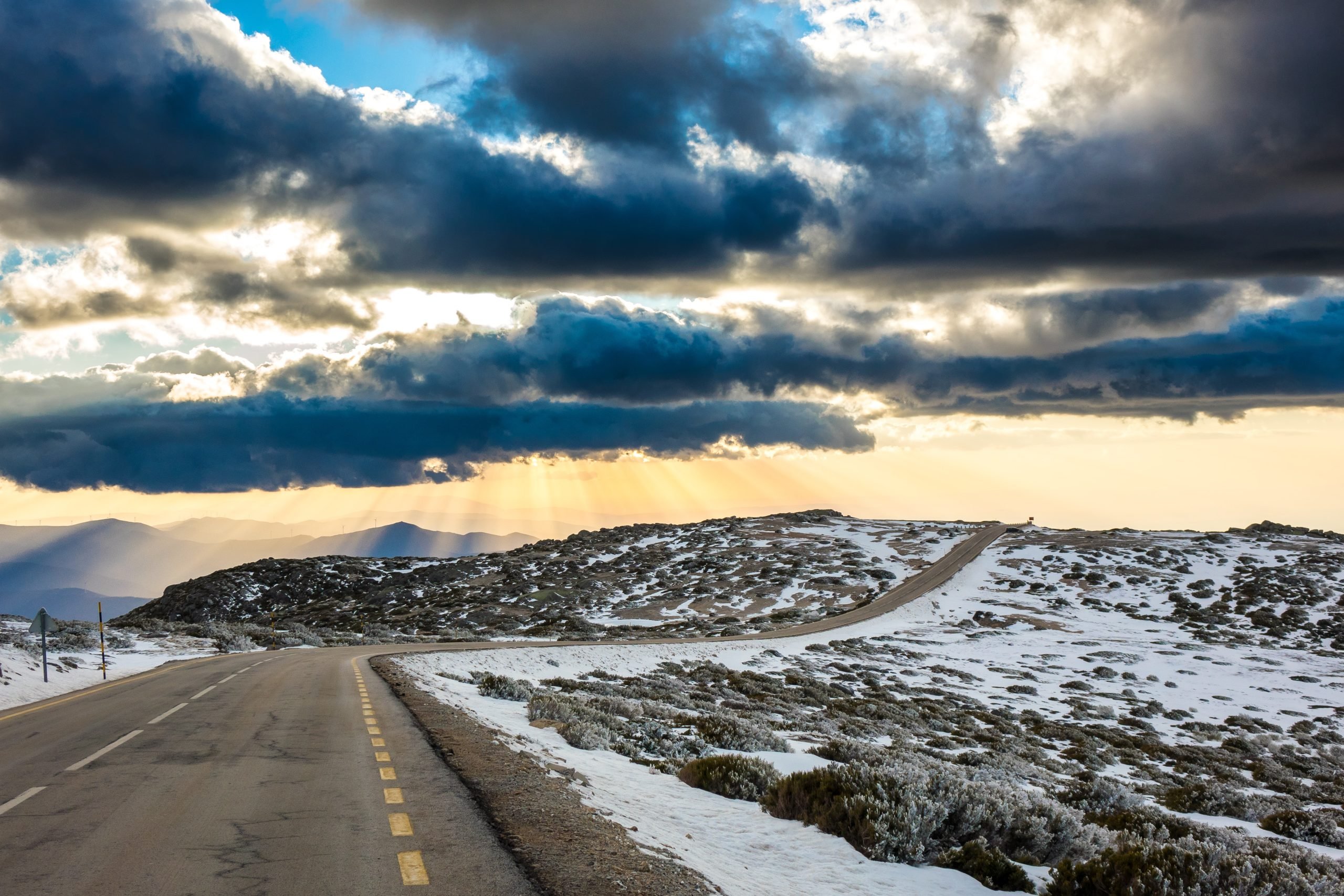
Guarda is known as the coldest town in Portugal due to its location close to Portugal’s highest mountain range, Serra de Estrela, known for its stunning beauty and precipices.
Head to Serra de Estrella, not only to gaze at the tops of its snow-covered mountains, or maybe even climb Torre, mainland Portugal’s highest point, but also to take delight in its unique Kosher food and go for a pleasant mountainous hike. For example, at Covão dos Conchos Loop from Sabugueiro, Portugal’s highest village.
Book Tours & Experiences in Serra da Estrela
Make your way to Centum Cellas
Head to Centum Cellas, one of Portugal’s prime Roman landmarks. Situated close to Guarda, the 1st century-DC Roman villa is known as one of the best examples of Roman “rural” architecture.
There is a belief that the Centum Cellas may have been a jail with up to 100 cells for prisoners, and has since been haunted by the former inmates who died here.
Head here to combine sightseeing, great nature, and a tit-bit of the preternatural.
What makes Guarda special?
Guarda is one of Portugal’s best locales to unveil the medieval charm of Portugal, to delight in the pristine nature of its surroundings, including the strikingly beautiful mountainous landscape of the Serre de Estrella, and wolf down some of Portugal’s choicest delicacies, washed down with its heady wine.
Head to Guarda to make your trip to Portugal truly memorable.
When to visit Guarda?
Even though June-August is considered the best time to travel to Guarda and the Serre de Estrella, it is when tourism to the region picks up and it can feel somewhat crowded.
Travel to Guarda in May to profit from its mild temperatures that are somewhat cooler than in the rest of Portugal at the time, and the month’s low accommodation prices.
Also, don’t forget that the 1st of March is Carnival Tuesday, which makes early March another great period to visit Guarda to revel in its jovial authentically medieval atmosphere.
What to eat in Guarda?
Guarda is known for its delectable meat, and Portuguese specialties such as francesinha, a steak & ham sandwich baked in cheese; the great Portuguese meat soup to keep you energized during your mountain hiking; goat meat from Serra de Estrella and Portugal’s great chourico, a distinct Portuguese sausage not to be confused with chorizo.
Conclusion
Head to Northern Portugal to take delight in its one-of-its-kind townscape, the mountainous idyll of the high altitude Serra da Estrela mountains, and great gastronomical jewels such as its meat produce and delectable wines.
Don’t forget to visit the unique sites such as Guarda’s Jewish Quarter and the one-of-its-kind castle, which reminds one of a time when Portugal was a state at the forefront of European civilization’s struggle for survival.